
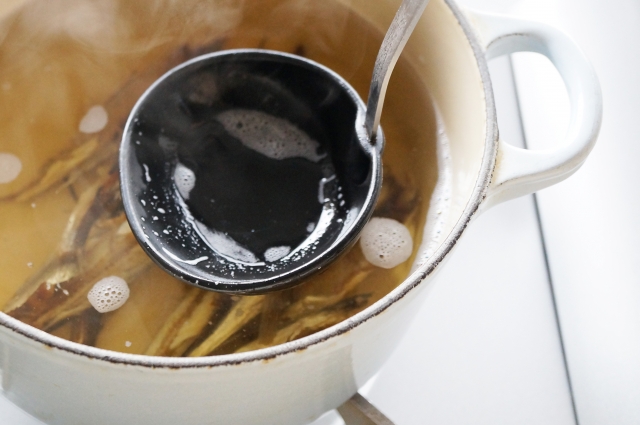
Dashi is often introduced through kombu, or kelp, and katsuobushi, or dried bonito flakes. But these are only part of Japan’s soup stock tradition.
Another familiar option is niboshi dashi, made from small fish that have been boiled and dried. It has a fuller seafood flavor than many other kinds of dashi and is especially well suited to miso soup and other everyday dishes.
Niboshi dashi is not generally associated with luxury. Its strength lies in how naturally it fits into daily cooking. Niboshi are easy to store, simple to use, and generally more affordable than katsuobushi. They produce a satisfying stock without delicate preparation, and the fish can even be eaten afterward.
This article explains what niboshi dashi is, how it differs from other Japanese soup stocks, why it suits home cooking, and what it reveals about Japan’s everyday dashi culture.
Quick Summary
- Niboshi dashi is a Japanese soup stock made from boiled and dried small fish, usually Japanese anchovies.
- It has a fuller, more noticeable seafood flavor than kombu or katsuobushi dashi.
- It is especially familiar in miso soup and everyday home cooking.
- Removing the heads and innards can create a cleaner taste, but using the whole fish is also common.
- Its appeal comes from both its flavor and its practicality.
What Is Niboshi Dashi?
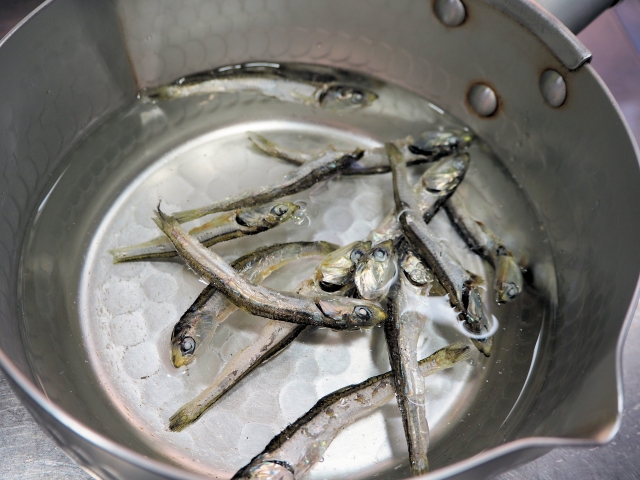
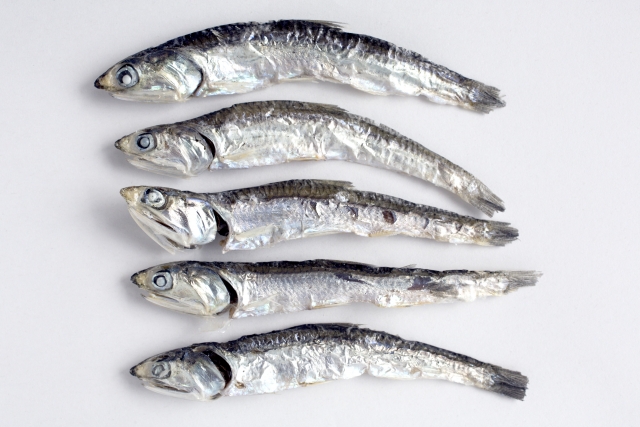
Niboshi dashi is a Japanese soup stock made by soaking or gently heating niboshi (煮干し) in water.
The word niboshi refers to small fish that have been cooked and dried. It describes a preservation method rather than one single species of fish. The process concentrates the flavor, allows the fish to keep well, and makes them ready to release their savory character into water.
The most common niboshi used for dashi come from katakuchi-iwashi, or Japanese anchovies. In English, niboshi are often broadly labeled “dried sardines,” especially on food packaging, although Japanese anchovies and true sardines are not quite the same fish.
Like other forms of dashi, niboshi dashi is usually a foundation rather than something served on its own. It supports the flavor of miso soup, noodle broths, simmered vegetables, tofu, and other ingredients.
A good niboshi dashi adds depth without preventing the miso, vegetables, and other ingredients from coming through.
For more about the ingredient itself, see What Is Niboshi?
What Does Niboshi Dashi Taste Like?
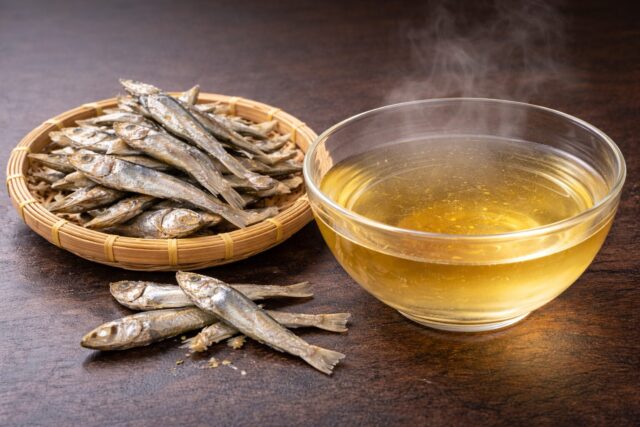
Niboshi dashi has a clear appearance but a rich, savory flavor created by dried fish.
Niboshi dashi has a rich, savory taste and a clear dried-fish aroma.
Compared with kombu dashi, it has more body and a more obvious seafood character. Compared with katsuobushi dashi, it often feels heavier, deeper, and less delicate.
It is sometimes described as fishy, but that word can be misleading. The aroma of dried fish is part of its intended character. When the stock is balanced well, it adds depth rather than an unpleasant smell.
The exact flavor depends on the niboshi, the amount used, whether the heads and innards are removed, and how the stock is prepared. Some versions are light and clean, while others are stronger, slightly bitter, and more rustic.
How Is It Different from Kombu or Katsuobushi Dashi?
Japanese cooking uses several kinds of dashi because no single stock suits every dish.
Kombu dashi has a gentle, clean umami. It is often chosen when the natural flavor of vegetables, tofu, or other delicate ingredients should remain clear.
Katsuobushi dashi has a light aroma and balanced savory flavor. It is widely used in soups, noodle broths, sauces, and many other Japanese dishes.
Niboshi dashi has a fuller dried-fish character. It works particularly well in miso soup, hearty noodle broths, and dishes where a more noticeable stock will not overwhelm the other ingredients.
These ingredients may also be combined. Kombu can soften and round out the flavor of niboshi, just as it is often paired with katsuobushi.
The difference is not simply that one stock is stronger or better. Each creates a different balance.
Why Is Niboshi Dashi Common in Miso Soup?
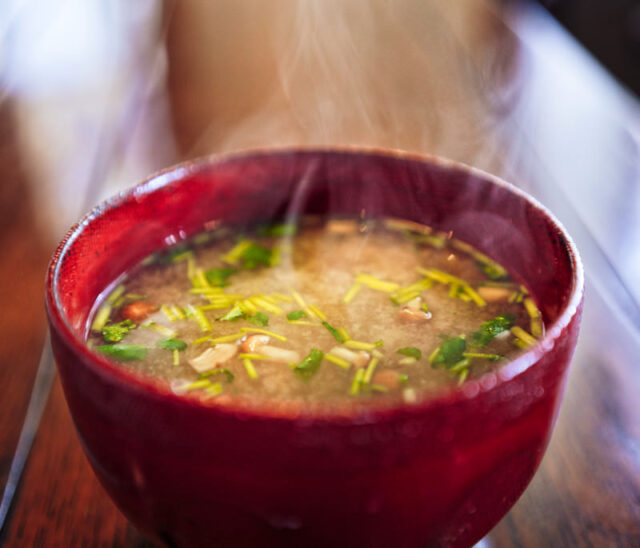
Niboshi dashi is especially familiar in miso soup because its strong savory character pairs naturally with miso.
Miso already brings saltiness, fermentation, aroma, and depth. A delicate stock may become difficult to notice behind it, while niboshi dashi remains present enough to give the soup a satisfying foundation.
It also works well with common miso soup ingredients such as tofu, daikon radish, mushrooms, potatoes, leafy vegetables, and seaweed.
The pairing can feel especially natural in strongly flavored soups. Dark miso, pork, fermented ingredients, and hearty root vegetables can stand up to the bolder character of whole niboshi.
This does not mean all miso soup in Japan uses niboshi dashi. Many households use katsuobushi, kombu, blended stocks, dashi packets, or instant seasonings instead. The choice depends on family habits, regional preferences, convenience, and the kind of soup being made.
Niboshi dashi is best understood as one familiar foundation for homemade miso soup, not the only correct one.
Why Does Niboshi Dashi Suit Everyday Home Cooking?
Niboshi dashi has long suited home cooking for practical reasons.
Niboshi are generally inexpensive, particularly compared with good-quality katsuobushi. A cook can use a generous amount without feeling that an expensive ingredient is going to waste.
They are also easy to keep on hand. There is no shaving, grinding, or complicated preparation. Put them in water, allow the flavor to extract, and a usable stock begins to form.
Careful preparation can create a cleaner result, but niboshi do not demand especially delicate handling. Their appeal is not luxury but usefulness: a small dried fish can season a pot of soup, remain ready in the pantry, and still be eaten after the stock is made.
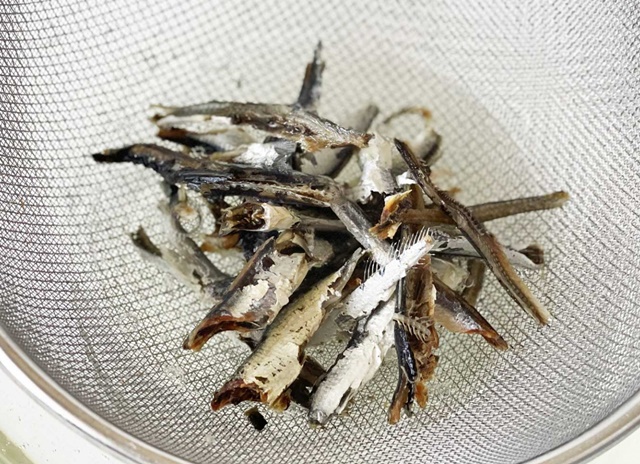
Used niboshi have less flavor, but they can be seasoned with soy sauce, sugar, or sesame seeds and eaten as a small side dish. This means the ingredient does not necessarily become waste once the dashi has been taken.
Instant dashi and dashi packets are easier still, and many households now rely on them. Even so, some people prefer whole niboshi because they can control the strength and seasoning themselves instead of using a pre-seasoned product.
How Is Niboshi Dashi Made?
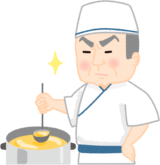
Niboshi dashi is usually made by soaking the dried fish in water or gently heating them for a short time.
Soaking the niboshi for several hours or overnight produces a relatively mild stock. The water may then be heated before the fish are removed.
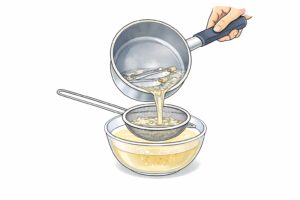
A faster method is to place the niboshi directly in water and heat them gently, straining the stock once the flavor has been extracted.
Niboshi dashi is not treated like a Western stock that simmers for hours. Prolonged boiling can draw out stronger bitterness, odors, and other flavors that leave the result tasting rough or muddy.
The goal is extraction, not long cooking.
Modern households may also use niboshi dashi packets, powdered stock, or instant granules, which offer a similar flavor with far less preparation.
Do the Heads and Innards Need to Be Removed?
Some cooks remove the heads and innards to produce a cleaner-tasting niboshi dashi.
The heads and innards do not always have to be removed, but doing so can produce a cleaner-tasting stock.
These parts can contribute bitterness and a stronger smell. Removing them is especially useful when the niboshi are large or when the stock will be used in a light soup where small differences stand out.
Using the whole fish is also common. It is faster, creates a stronger stock, and may suit a richly flavored dish perfectly well.
In a soup made with dark miso, pork, fermented ingredients, or hearty vegetables, the difference may be less obvious. Some home cooks therefore decide that removing every head and innard is not worth the extra effort.
Even so, the task is not especially difficult, and many people feel the cleaner flavor is worth it. The best choice depends on the dish, the size of the niboshi, and the flavor the cook wants.
Why Can Niboshi Dashi Taste Bitter or Fishy?
Niboshi dashi can become bitter or overly strong when too many fish are used, when the heads and innards are left in, or when the stock is boiled for too long.
Old or poorly stored niboshi may also develop a stronger odor as the oils in the fish change over time.
However, not every noticeable fish aroma is a flaw. Niboshi dashi is supposed to taste like dried fish. Its character is naturally stronger than kombu dashi and often more rustic than katsuobushi dashi.
The aim is not to remove every trace of fish flavor, but to keep that flavor in balance with the rest of the dish.
Is Niboshi Dashi Still Common in Modern Japan?
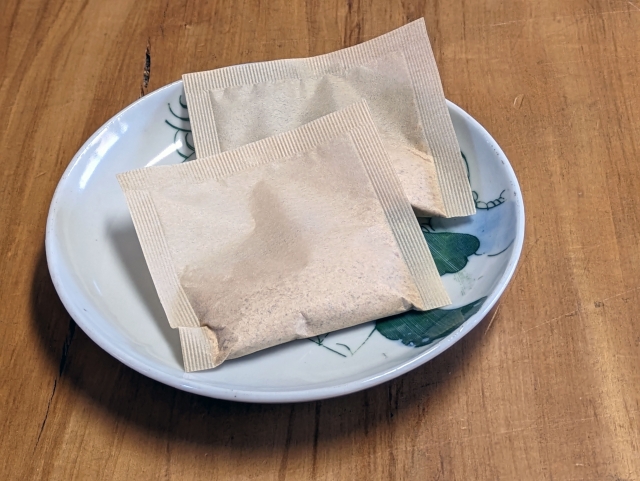
Many modern households use niboshi dashi packets as a convenient alternative to whole dried fish.
Niboshi dashi remains familiar in Japan, although the way people prepare it has changed.
Some households still use whole niboshi. Others reach for convenient dashi packets, powdered products, or instant granules containing niboshi extract.
It is also found outside the home. Some regional noodle soups use dried-fish stock, and many ramen shops build a strong broth around niboshi.
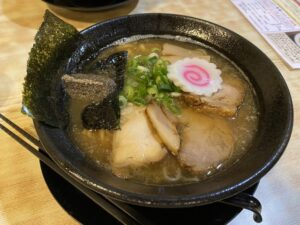
Some ramen shops use niboshi dashi as the main flavor of their broth.
In ramen, niboshi may be used far more aggressively than in ordinary miso soup. The dried-fish aroma can become the main feature rather than a quiet background flavor.
This restaurant use is important, but niboshi dashi is still strongly associated with everyday food. For many people, its most familiar form is not an elaborate restaurant broth but a bowl of homemade miso soup.
What Niboshi Dashi Reveals About Japanese Food Culture
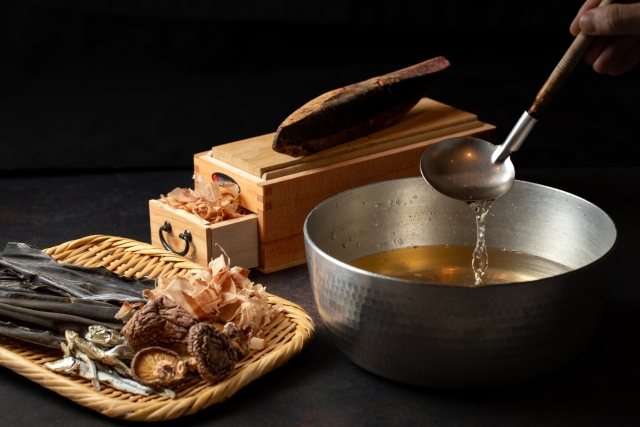
Japanese dashi culture is built on a variety of ingredients, each creating its own balance of flavor.
Niboshi dashi shows that Japanese dashi culture is not defined by one ingredient.
Kombu, katsuobushi, niboshi, dried shiitake mushrooms, and blended stocks all create different kinds of flavor. Their value depends on what they are being used for.
Niboshi also show how an ordinary ingredient can become an important part of daily cooking. They are not rare, they do not require elaborate tools, and they keep well while releasing plenty of flavor.
Japanese food is often introduced through careful presentation, refined restaurant cooking, and delicate flavors. Those things are real, but they are only part of the picture.
Much of Japanese food culture is built in ordinary kitchens, where cooks balance flavor, cost, effort, and whatever happens to be on hand.
Niboshi dashi belongs to that everyday world. Its value comes not only from umami, but from the fact that it works.
FAQ
What is niboshi dashi?
Niboshi dashi is a Japanese soup stock made from small fish that have been boiled and dried, most commonly Japanese anchovies.
Are niboshi sardines or anchovies?
Niboshi are often called dried sardines in English, but the most common type used for dashi comes from katakuchi-iwashi, or Japanese anchovies.
Is niboshi dashi fishy?
It has a noticeable dried-fish aroma, but a balanced niboshi dashi should add depth without overwhelming the dish.
Do you need to remove the heads and innards?
No, but removing them can reduce bitterness and create a cleaner-tasting stock.
Is niboshi dashi used only for miso soup?
No. It is also used in noodle broths, simmered dishes, regional cooking, and some styles of ramen.

