
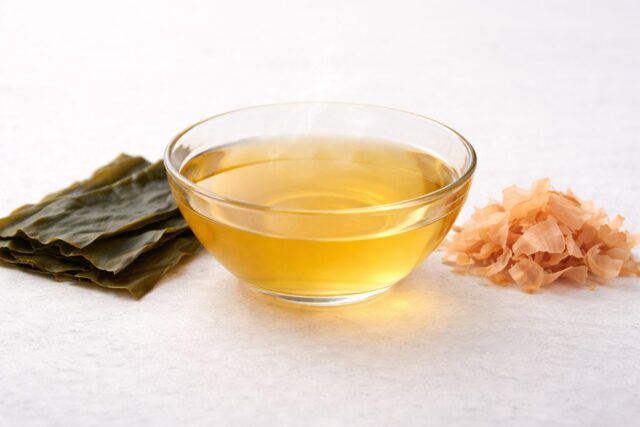
Umami synergy is the phenomenon in which certain umami compounds—especially glutamate paired with inosinate or guanylate—multiply the perceived intensity of savory flavor when they appear together.
This interaction is sometimes described as umami amplification or umami interaction in food science, but in Japanese cuisine it is most clearly expressed through the pairing of kombu and katsuobushi in dashi.
Part of the explanation is umami itself. But the deeper explanation is umami synergy: the way certain flavor compounds, when combined, stop merely adding to each other and start multiplying.
Japanese cooking built an entire approach to flavor around this principle long before the science behind it was understood. Dashi is the clearest expression of it, but the same logic runs through much of the cuisine.
For a complete guide to Japanese dashi and its flavor system, see our main overview:
How to Make Dashi at Home.
What Is Umami Synergy?
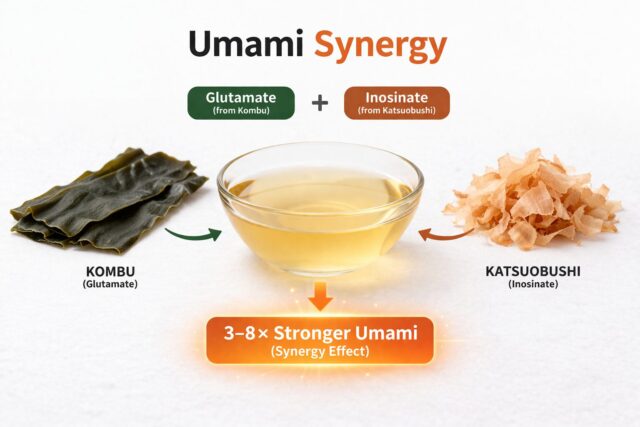
Glutamate from kombu and inosinate from katsuobushi combine to create a much stronger umami sensation.
Umami synergy is the interaction between specific umami compounds that causes the perceived savory intensity to increase dramatically—not by simple addition, but by amplification.
The tongue has receptors that respond to umami compounds. When certain compounds are present together, those receptors respond much more strongly than they would to either compound on its own. The result is a flavor experience that feels disproportionately deep given the ingredients involved.
The most studied pairing is glutamate and inosinate. In some experiments, the perceived umami intensity when these two compounds are combined has been measured at several times what either produces alone, with some researchers placing the upper range at seven or eight times.
That interaction is the engine behind awase dashi, the classic broth made from kombu and katsuobushi, and behind much of why Japanese food tastes the way it does.
What Are the Main Umami Compounds?
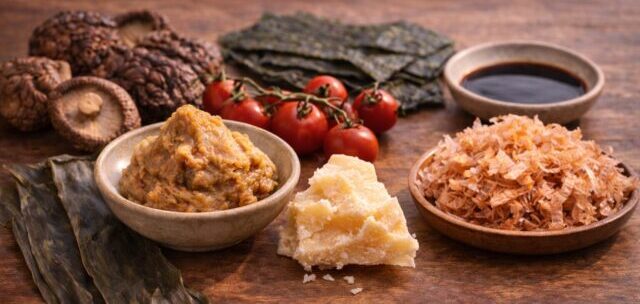
Common ingredients rich in umami compounds such as glutamate, inosinate, and guanylate.
Umami as a taste was first identified in 1908 by the Japanese chemist Kikunae Ikeda, who isolated glutamate as the compound responsible for the distinctive savory depth of kombu broth. Later research revealed a fuller picture of the compounds involved.
Glutamate is the most widely distributed umami compound. It is found in kombu, tomatoes, aged cheeses, soy sauce, and many fermented foods. It creates a smooth, rounded savory base.
Inosinate is found primarily in animal-derived ingredients such as fish and meat, especially katsuobushi, where drying and fermentation concentrate it significantly. It adds a sharper, more assertive savory character.
Guanylate is found in dried mushrooms, particularly dried shiitake. Like inosinate, it amplifies glutamate when the two are combined. This is why kombu and dried shiitake also make a powerful synergy pairing and a strong plant-based dashi.
What glutamate shares with inosinate and guanylate is a molecular structure that activates the same family of umami receptors on the tongue. When both types of compounds are present at the same time, the receptors respond far more strongly than they do to either one alone.
Why Do Kombu and Katsuobushi Work So Well Together?
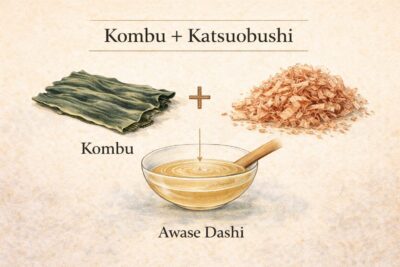
Awase means “to combine,” and awase dashi—the most common dashi in Japanese cooking—is built entirely around the synergy between kombu and katsuobushi.
Kombu provides glutamate, giving the broth a smooth, clean savory base. Katsuobushi adds inosinate along with a distinctive smoky, slightly oceanic aroma. When these two ingredients are extracted together in hot water, the umami does not simply stack. It multiplies.
This is why awase dashi tastes fuller and more satisfying than either kombu dashi or katsuobushi dashi alone, even when made with comparable quantities of ingredients. The combination produces something qualitatively different from its parts.
It also explains why the broth can look so light and still taste so complete. The depth does not come from fat or body. It comes from this compound interaction happening invisibly in the liquid.
To see how this works in practice, see
How to Make Ichiban Dashi Step by Step (And Why It Works).
To understand the craftsmanship behind katsuobushi, see
How Katsuobushi Is Made (And Why It’s Compared to Cheese).
How Japanese Cooking Extracts and Distributes Umami
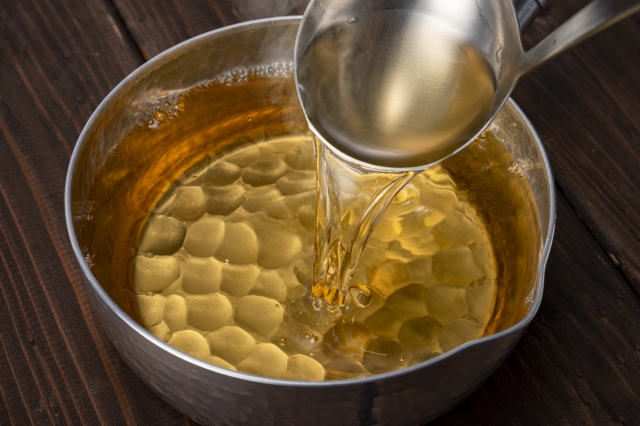
One of the most distinctive features of Japanese cuisine is the way it separates umami from its source ingredients and then spreads it through a dish.
In many cooking traditions, umami-rich ingredients are cooked directly in the dish: the meat in the stew, the tomatoes in the sauce, the cheese in the filling. The flavor compounds remain in those ingredients and become part of the overall texture and body.
Japanese cooking often does something different. The umami compounds are extracted first, through careful steeping and straining, into a clear liquid called dashi. That liquid then becomes the base for soups, simmered dishes, noodle broths, sauces, and custards. The flavor is distributed evenly through the dish without the heaviness of the original ingredients.
Because only the dissolved compounds are carried into the broth—not fat, not fiber, not collagen—the liquid can remain visually transparent while still delivering amplified savory depth. The lightness of appearance and the richness of flavor are not opposites. They are both the result of the same technique.
Where Else Does Umami Synergy Appear?
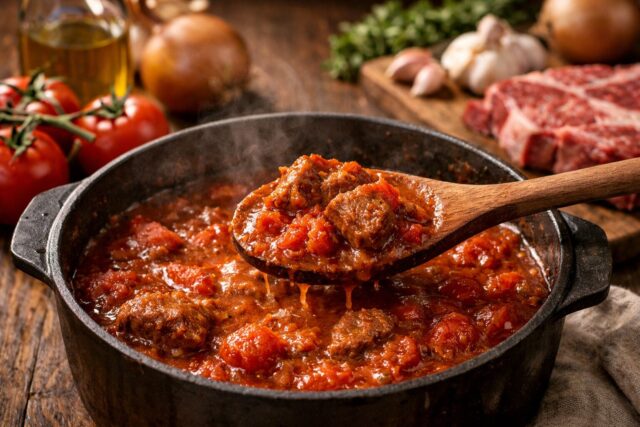
Tomatoes contain glutamate while meat contains inosinate, creating umami synergy in many cuisines.
Umami synergy was not invented by Japanese cuisine. It is a property of flavor chemistry that appears in cooking traditions around the world. Japanese cooking is distinctive because it identified and systematized the principle so clearly.
A slow-cooked meat and tomato sauce is a straightforward example. Tomatoes are rich in glutamate, while meat is rich in inosinate. As they cook together, the interaction between those compounds helps make the sauce taste much deeper than either ingredient would alone.
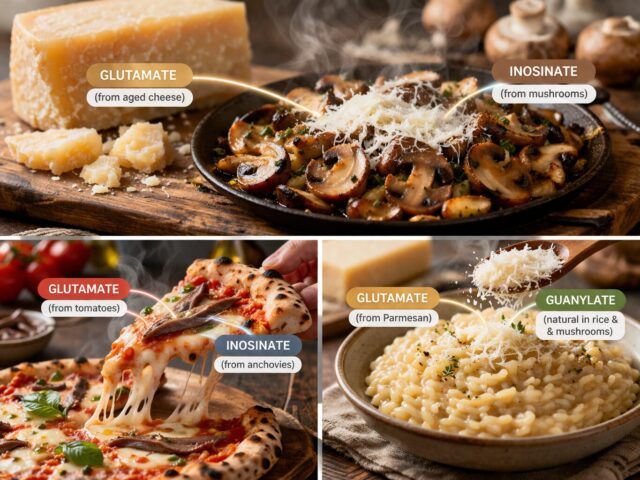
Many dishes around the world rely on similar interactions between glutamate, inosinate, and guanylate.
Aged cheese with mushrooms, anchovies on pizza, or Parmesan stirred into risotto work in a similar way. A glutamate-rich ingredient is paired with something that brings inosinate or guanylate, producing a depth of flavor that is difficult to achieve with either ingredient on its own.
Japanese cuisine takes this same natural principle and turns it into a structural technique. The synergy is not just a byproduct of cooking. It becomes the designed foundation of the broth that the dish is built on.
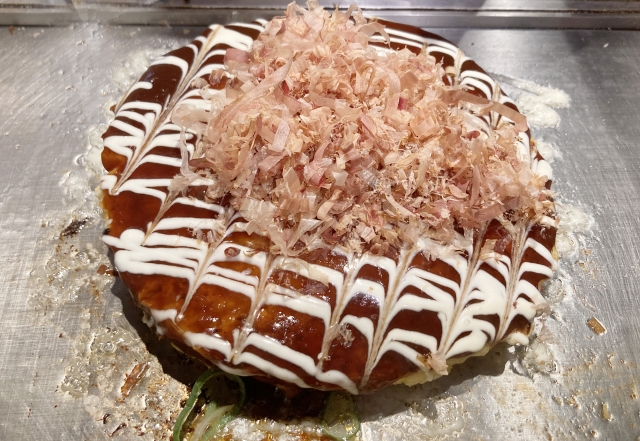
The same logic appears even in Japanese street food. The batter for dishes such as takoyaki or okonomiyaki is often mixed with dashi, introducing glutamate and inosinate directly into the base. When pieces of octopus, pork, or squid are cooked into the batter, their own umami compounds interact with the broth already present in the mixture.
The layering continues after cooking. Takoyaki and okonomiyaki are commonly finished with savory sauce, shaved katsuobushi, and sometimes mayonnaise. Each element adds its own flavor compounds, creating multiple layers of umami synergy. What might look like casual street food is actually built on the same flavor logic that underlies Japanese dashi.
Why This Matters in Japanese Cuisine
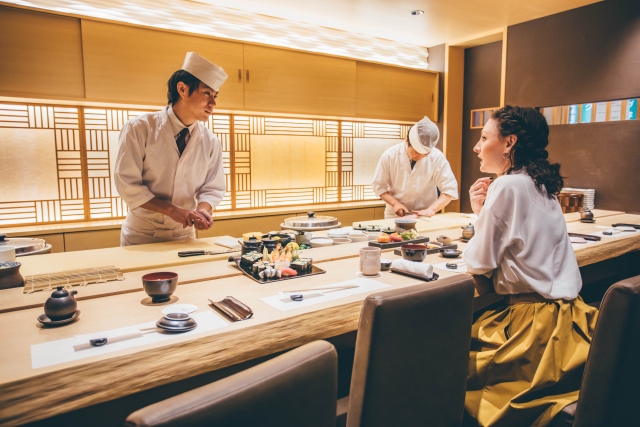
Umami synergy helps explain something that often puzzles people encountering Japanese cooking for the first time: how dishes that look restrained can taste so layered.
The answer is not hidden ingredients or long cooking times. It is the deliberate pairing of ingredients whose natural compounds amplify one another, producing depth without heaviness and richness without weight.
That principle extends far beyond dashi itself. It appears in the way miso is paired with dashi, in the layering of fermented ingredients throughout Japanese cooking, and in combinations such as soy sauce with fish-based dishes across the cuisine. Umami synergy is not just one technique. It is a structural logic that runs through Japanese food at many levels.
In simple terms, umami synergy occurs when glutamate interacts with inosinate or guanylate, creating a savory taste far stronger than either compound can produce alone.
Frequently Asked Questions

What is umami synergy?
Umami synergy is the interaction between certain flavor compounds—particularly glutamate paired with inosinate or guanylate—that dramatically amplifies the perceived intensity of savory taste. The effect behaves more like multiplication than addition.
Why do kombu and katsuobushi taste better together than separately?
Kombu contains glutamate, and katsuobushi contains inosinate. When these two compounds are present together, they activate the tongue’s umami receptors far more strongly than either would alone, producing a savory depth that neither ingredient could achieve on its own.
How much stronger does umami become through synergy?
Research suggests that perceived umami intensity can increase several times over when glutamate and inosinate interact, with some studies measuring the effect at up to seven or eight times the baseline.
Does umami synergy work in vegetarian cooking?
Yes. Kombu provides glutamate, and dried shiitake mushrooms provide guanylate. Together they create a powerful synergy similar to the kombu-katsuobushi pairing and form the basis of plant-based dashi used in Buddhist temple cuisine.
Is umami synergy unique to Japanese cooking?
No. It is a property of flavor chemistry that appears in many cuisines. Meat and tomatoes, cheese and mushrooms, and anchovies with aged cheese all rely on similar interactions between complementary umami compounds.
Related Reading on YUNOMI
Start Here
Core Concept
Ingredients Behind the Synergy
What Is Kombu?
What Is Katsuobushi?
What Are Dried Shiitake?
Applications in Dashi
What Is Awase Dashi?
What Is Ichiban Dashi?
How to Make Ichiban Dashi Step by Step
Understanding & Comparison
Why Is Japanese Dashi So Clear?
Why Does Dashi Taste So Strong Even Though It Looks Light?
Dashi vs Broth

