

Start here:
Japanese Dashi Guide
Why Dashi Looks the Way It Does
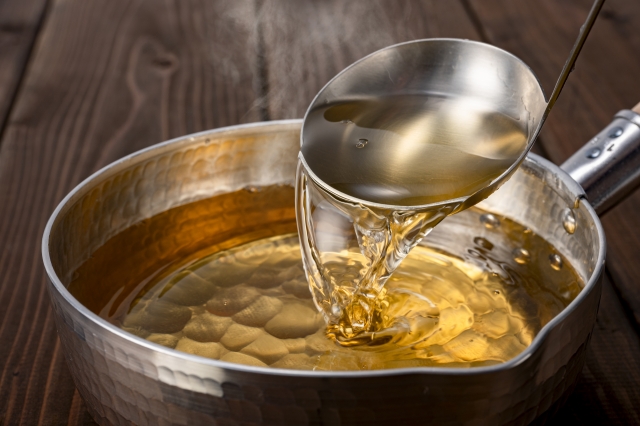
The visual lightness of dashi is intentional. Unlike many Western stocks, which often appear cloudy or oily, dashi is typically transparent and very pale.
In Japanese cuisine, this clarity carries meaning. A clear broth suggests restraint, balance, and careful treatment of ingredients. The liquid supports the dish rather than dominating it.
Because of this philosophy, dashi is extracted quickly and gently rather than simmered for hours. The goal is not to extract everything possible from the ingredient, but to capture the most desirable flavors while leaving behind anything that would cloud the broth, turn bitter, or weigh down the result.
The result is a broth that looks almost fragile but hides an invisible depth of flavor.
Where the Strong Flavor Comes From
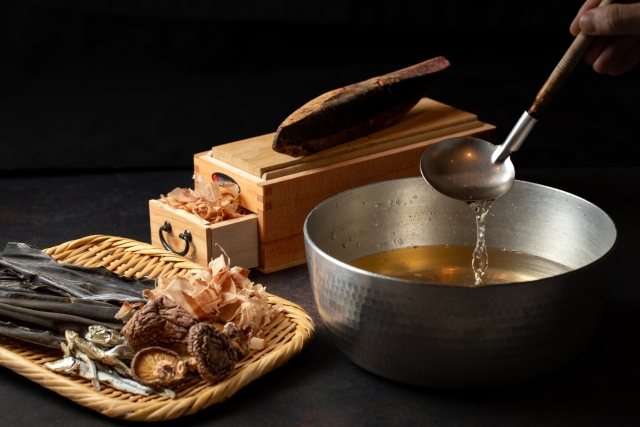
Classic ingredients used to make Japanese dashi: kombu, katsuobushi, and dried shiitake.
If dashi contains little fat and is not cooked for hours, where does its strong flavor come from?
The answer is umami.
Many Western broths build richness through fat, collagen, roasted bones, and long cooking times. These create body and lingering heaviness on the palate.
Dashi works differently. Its depth comes primarily from ingredients naturally rich in umami compounds:
- Kombu (kelp)
- Katsuobushi (dried bonito flakes)
- Dried shiitake mushrooms
These ingredients are the foundation of dashi and are naturally rich in umami.
These ingredients contribute powerful savory compounds without adding much fat or thickness. As a result, the broth remains visually light while delivering a strong savory impression.
Aroma also plays a role. Katsuobushi releases a distinctive smoky fragrance that shapes how the broth is perceived even before it reaches the tongue.
Umami Concentration
For a deeper explanation, see What Is Umami?.
The central logic of dashi is umami concentration. Rather than extracting maximum body from ingredients, dashi focuses on drawing out specific flavor compounds that create savory depth.
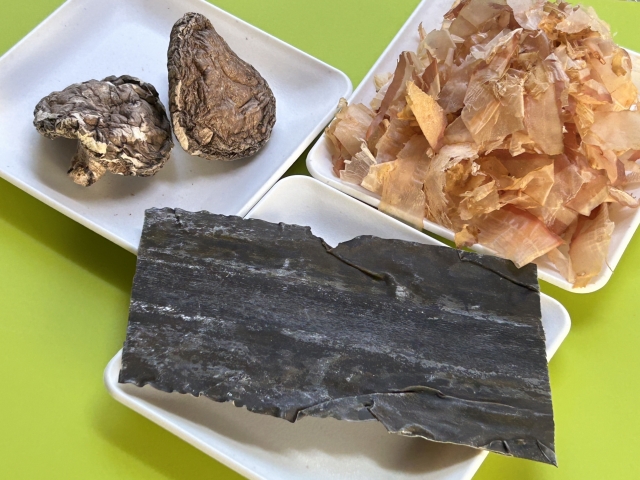
Three important umami compounds commonly associated with dashi ingredients are:
- Glutamate — found in kombu
- Inosinate — found in katsuobushi
- Guanylate — found in dried shiitake
These compounds stimulate umami receptors on the tongue. Because dashi is designed to highlight them efficiently, even a small amount can produce a surprisingly strong perception of flavor.
This is also why gentle extraction matters. Excessive boiling can damage the balance of flavor and introduce bitterness or cloudiness. Dashi technique is about precision rather than force.
Umami Synergy
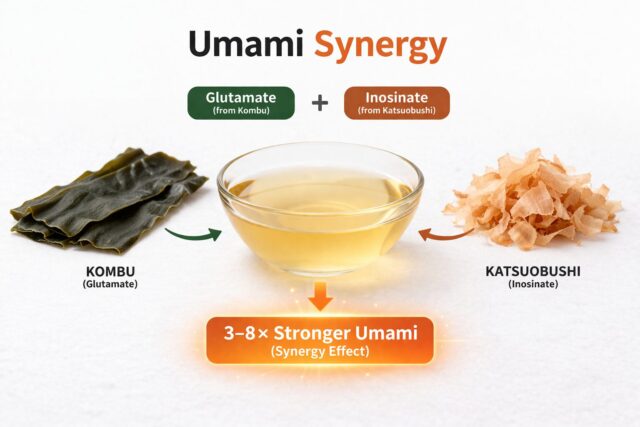
Diagram showing umami synergy between kombu glutamate and katsuobushi inosinate
This interaction is known as umami synergy, a core concept in Japanese cooking.
Dashi becomes even more powerful because of umami synergy.
Certain umami compounds dramatically strengthen each other when combined. The classic example is the interaction between glutamate from kombu and inosinate from katsuobushi.
Umami synergy is not simple addition—it behaves more like multiplication.
When these compounds interact, the perceived intensity of umami can increase several times over. This is why awase dashi, made from both kombu and katsuobushi, tastes fuller and more satisfying than either ingredient alone.
Even though the broth remains clear and light, the combined umami compounds create a much deeper sensory experience.
Try It for Yourself
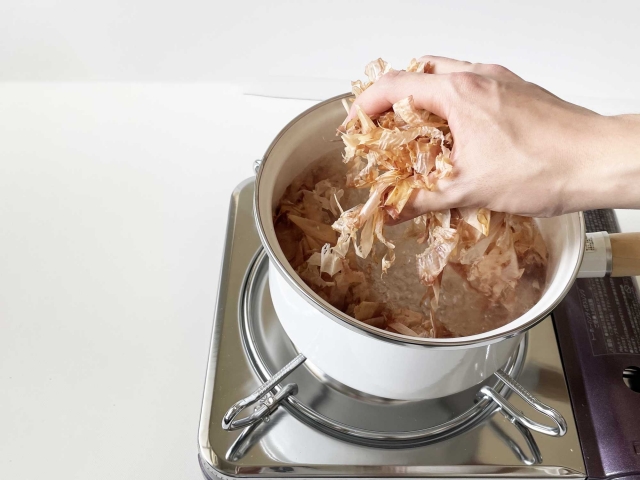
One of the easiest ways to understand dashi is to try a simple tasting comparison.
- warm water
- kombu dashi
- kombu and katsuobushi dashi
Visually, they may appear almost identical. Yet the flavor difference can be dramatic.
Kombu dashi already carries a gentle savory depth. When katsuobushi is added, the taste suddenly becomes fuller and more satisfying. This moment is when many people first experience umami synergy directly.
Flavor Without Weight
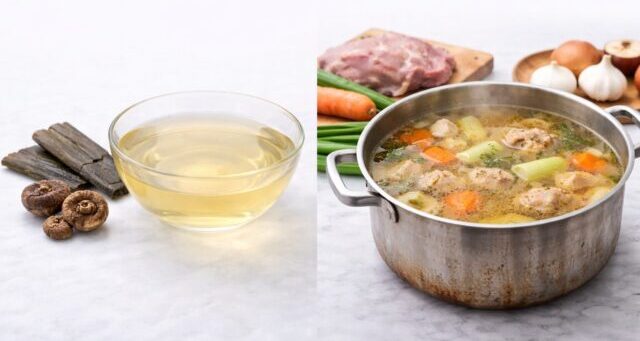
Japanese dashi focuses on clarity and umami, while many Western broths rely on fat and long simmering.
Dashi is flavor without weight.
In many Western culinary traditions, richness often comes from fat, gelatin, and the coating sensation that lingers on the tongue. Dashi demonstrates a different approach: flavor that is deep yet physically light.
Another noticeable difference is the finish. Western broths often leave a lingering heaviness because fat coats the tongue. Dashi tends to deliver a clean finish. The savory taste resonates briefly and then fades, leaving the mouth refreshed and ready for the next bite.
This is one reason dashi works so well as a foundation for everyday food. The flavor is real and satisfying, but it never becomes overwhelming.
For a broader comparison, see Dashi vs Broth.
Author’s Note
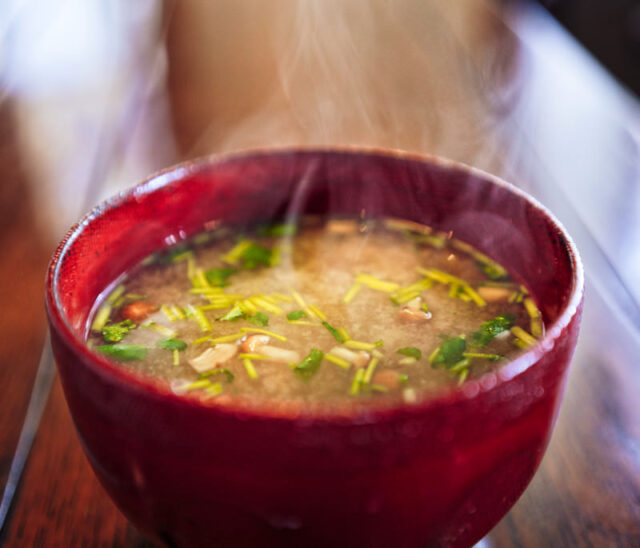
Miso soup is one of the most common dishes built on dashi in everyday Japanese cooking.
For many Japanese people, the taste of dashi is associated with everyday comfort. A bowl of miso soup may look simple and clear, yet the flavor carries a quiet depth.
It is not a dramatic richness. Instead, it is a kind of strength that never becomes tiring. This may be why dishes built on dashi can be enjoyed every day without losing their appeal.
Frequently Asked Questions

Why does dashi taste strong even though it looks light?
Dashi contains concentrated umami compounds from ingredients like kombu and katsuobushi. These compounds stimulate savory taste receptors efficiently, creating deep flavor without fat or long cooking.
What makes dashi different from Western broth?
Western broths often build flavor through fat, collagen, and long simmering. Dashi extracts umami compounds quickly and cleanly from ingredients like seaweed, dried fish, and mushrooms.
Why is awase dashi considered the most flavorful?
Awase dashi combines kombu and katsuobushi. The glutamate from kombu and inosinate from katsuobushi interact through umami synergy, significantly increasing the perceived savory intensity.
Does dashi contain fat?
Very little. Most of the flavor comes from water-soluble umami compounds rather than oils or fats.
Why does dashi have a clean finish?
Because it contains very little fat, the flavor does not coat the tongue. The umami resonates briefly and fades quickly, leaving a refreshing aftertaste.
Related Reading on YUNOMI
Start Here
Core Concept
What Is Dashi?
What Is Umami?
What Is Umami Synergy?
Related Explanations
Why Is Japanese Dashi So Clear?
Dashi vs Broth
Why Japanese Dashi Is Clear and Western Broth Is Cloudy
Ingredients
What Is Kombu?
What Is Katsuobushi?
What Are Dried Shiitake?

