
Start here:
Japanese Dashi Guide
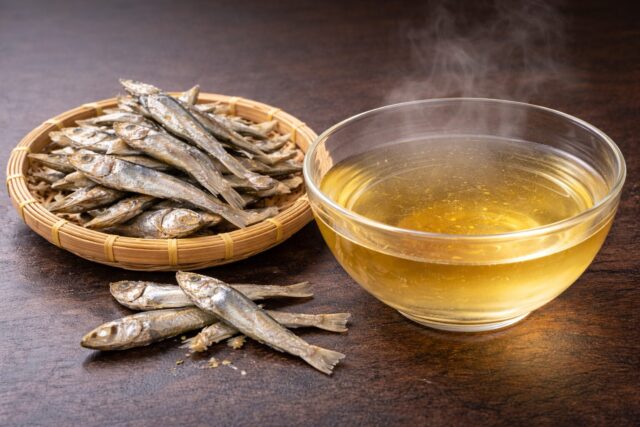
Niboshi are small fish, typically anchovies or sardines, that are boiled and dried to create a concentrated ingredient used to make Japanese dashi broth.
What Is Niboshi?
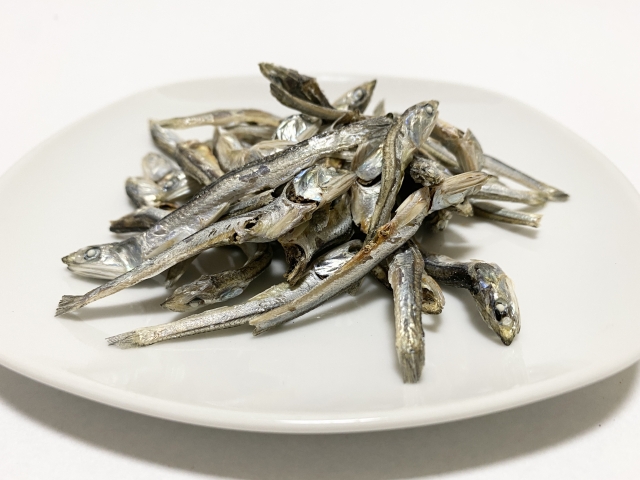
Niboshi are small fish that have been boiled and dried—the name in Japanese means almost exactly that: “boiled and dried.” In most cases, the fish used is Japanese anchovy (katakuchi iwashi, or Engraulis japonicus), though sardines and a few other small oily species are also used depending on the region and the producer.
In English they are often described as “dried sardines,” which is close enough to give a general picture. Technically, however, niboshi is a broader category. The defining characteristic is the production method rather than the specific species of fish.
What makes niboshi distinctive in the world of dried fish is their primary purpose. Many dried fish traditions value the fish itself as food—something to eat directly as a snack or ingredient.
Niboshi are used mostly as a flavor-extraction ingredient. The fish go into water, release their flavor, and are strained out. What matters is what they leave behind.
Niboshi vs Iriko: Regional Names for the Same Ingredient
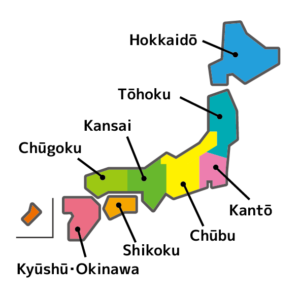
Niboshi is commonly used in eastern Japan, while iriko is the name used in western Japan.
If you read about Japanese cooking and encounter both “niboshi” and “iriko,” they refer to the same thing. The difference is regional. In eastern Japan, the word niboshi is standard. In western Japan—particularly in Kansai and Shikoku—the same ingredient is commonly called iriko.
This kind of regional naming variation is common across Japanese food culture. Ingredients, dishes, and techniques often carry different names depending on where in Japan you are, even when the food itself is identical. For readers outside Japan, the simplest approach is to treat niboshi and iriko as interchangeable.
The same logic applies to the broth itself. Niboshi dashi and iriko dashi are the same broth, named differently depending on regional preference.
How Niboshi Are Made

The production process follows a clear sequence. Each step helps stabilize the fish and prepare it to release flavor efficiently when used for dashi.
Washing

Freshly caught fish are washed to remove sand, debris, and surface impurities. Small oily fish deteriorate quickly after being caught, so speed matters at every stage. The sooner they move from the boat to the processing step, the better the quality of the finished niboshi.
Boiling in Salt Water
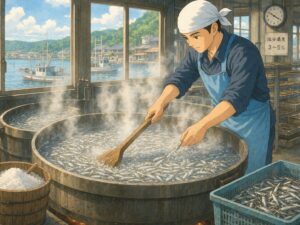
The fish are boiled in salted water. This step stops enzymatic breakdown that begins after the fish die while preserving inosinate, one of the key umami compounds responsible for niboshi’s savory depth.
The heat stabilizes the muscle structure and allows flavor compounds to dissolve more efficiently into water later during dashi extraction.
Drying
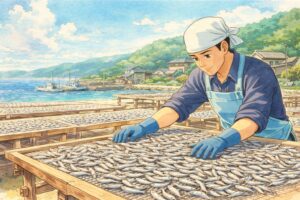
After boiling, the fish are dried—either by sun or mechanical drying. Removing moisture extends shelf life by preventing bacterial growth while also concentrating the remaining flavor compounds.
This concentration is why a small amount of niboshi can produce a surprisingly powerful broth.
Sorting by Size
After drying, niboshi are sorted by size before packaging. Size influences both flavor strength and cooking behavior, so separating the fish by size helps cooks choose the right type for different dishes.
Although niboshi are dried foods, proper storage is still important. Because they contain natural oils, the fish can slowly oxidize over time, which may affect their aroma and flavor.
For this reason, many producers package niboshi with oxygen absorbers to help preserve freshness. Reducing oxygen inside the package slows fat oxidation, helping maintain both flavor and color during storage.
How Size Affects Flavor
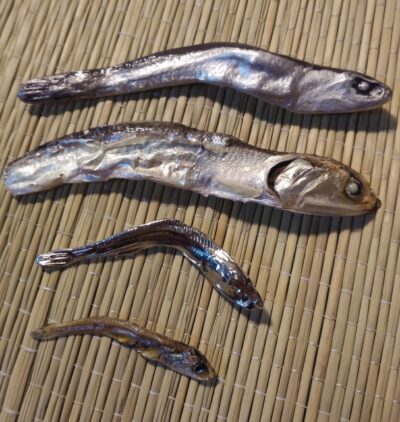
Niboshi are sorted by size, which influences the strength of the broth they produce.
The size of niboshi affects both the strength of the flavor and how the fish behave during cooking. Larger fish contain more fat and tend to produce a stronger broth, while smaller fish create a lighter and cleaner flavor.
Larger niboshi contain more fat and produce a stronger broth. They are often used in ramen where the broth must compete with rich toppings and seasoning sauces.
Medium niboshi are the most common household choice. They produce balanced broth suitable for miso soup and simmered dishes.
Smaller niboshi create a lighter flavor and are less likely to produce bitterness, even when used whole.
Why Niboshi Produce Such Strong Umami

The depth of niboshi dashi comes primarily from inosinate, one of the key umami compounds also found in katsuobushi.
When niboshi are soaked or simmered in water, inosinate dissolves into the liquid, creating a broth with a clear seafood character and strong savory intensity.
Niboshi also contain smaller amounts of glutamate. When combined with kombu, which is rich in glutamate, the two compounds interact through umami synergy, amplifying the savory depth of the broth.
Like katsuobushi, niboshi are rich in inosinate. When paired with kombu, they create umami synergy, which is one reason niboshi dashi can feel so strong even when the broth looks light.
Why Niboshi Dashi Can Turn Bitter — and How to Prevent It
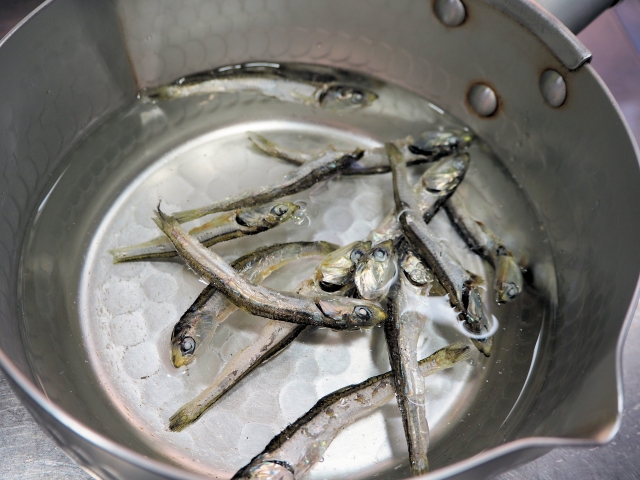
Bitterness in niboshi dashi usually comes from three main factors.
First, the heads and internal organs contain compounds that can become harsh when heated. Removing them produces a cleaner broth, especially with larger fish.
Second, oxidized fish oils can produce unpleasant aromas. Proper storage in a cool environment prevents this problem.
Third, aggressive boiling can break the fish apart and release unwanted compounds. Gentle simmering helps maintain a cleaner flavor.
How Niboshi Are Used in Japanese Cooking
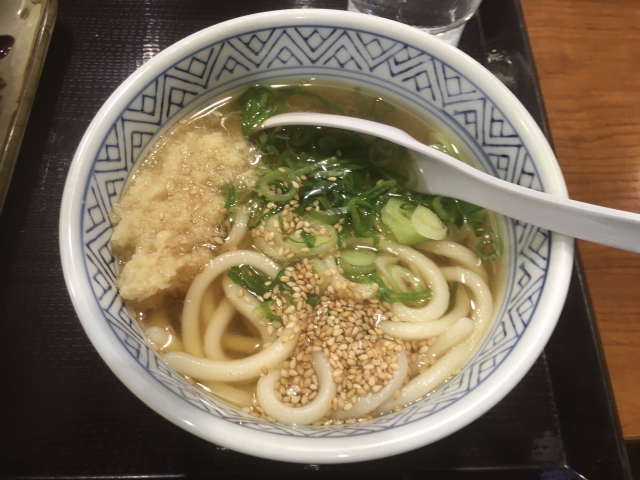
Iriko dashi is the traditional broth used in Sanuki udon from Kagawa Prefecture.
Niboshi dashi is widely used in Japanese home cooking. In eastern Japan it is a common base for everyday miso soup.
In western Japan, particularly in Kagawa Prefecture, iriko dashi forms the traditional base of sanuki udon broth.
Niboshi also appear in ramen culture, where some regional styles intentionally highlight their bold, fish-forward flavor.
Beyond broth, niboshi are sometimes eaten directly as snacks. They are rich in calcium and are often given to children as a nutritious traditional snack.
For more on the broth itself, see What Is Niboshi Dashi?.
Frequently Asked Questions

What fish are used to make niboshi?
Most niboshi are made from Japanese anchovies, though sardines and similar small fish may also be used depending on the region.
Are niboshi and iriko the same thing?
Yes. They are the same ingredient with different regional names. Niboshi is common in eastern Japan, while iriko is commonly used in western Japan.
Why are niboshi boiled before drying?
Boiling stops enzymatic breakdown while preserving umami compounds such as inosinate, ensuring the fish maintain strong flavor when used for dashi.
Do you need to remove the heads and guts?
Removing the heads and internal organs can reduce bitterness, especially when using larger niboshi.
Can niboshi be eaten directly?
Yes. They are often eaten as a snack in Japan and are valued for their high calcium content.
Does niboshi dashi taste fishy?
It has a stronger seafood character than many other dashi types, but when prepared properly it should taste savory rather than unpleasantly fishy.
Related Reading on YUNOMI
Start Here
Core Concept
What Is Dashi?
What Is Umami?
What Is Umami Synergy?
Related Ingredient
What Is Kombu?
What Is Katsuobushi?
What Are Dried Shiitake?
Related Dashi Types
What Is Niboshi Dashi?
What Is Kombu Dashi?
What Is Awase Dashi?
Understanding & Comparison
Why Does Dashi Taste So Strong Even Though It Looks Light?
Dashi vs Broth

