
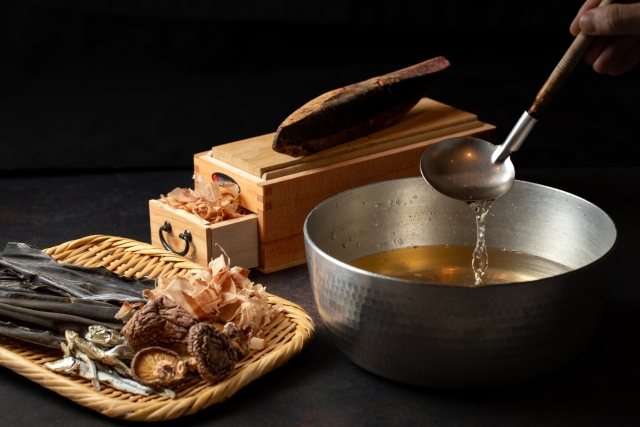
Start here:
Japanese Dashi Guide
What Dashi Is — and What Makes It Different
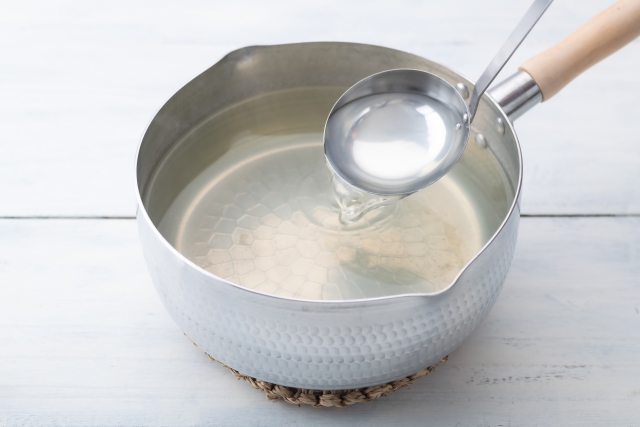
Dashi is often almost transparent, yet rich in umami — a defining characteristic of Japanese cooking.
Dashi is a Japanese cooking broth made by extracting umami from ingredients such as dried kelp, bonito flakes, dried sardines, or dried mushrooms. It forms the base of miso soup, noodle broths, simmered dishes, egg custards, and many sauces. Most Japanese dishes that have liquid in them — or that were cooked in liquid — start with dashi.
The key difference from Western broth is the approach. In many Western traditions, broth develops richness through long simmering: collagen from bones, fat from meat, and body from slow reduction. The goal is accumulation — building a liquid that carries real weight.
Dashi works through extraction. The ingredients go into water, release their flavor efficiently — often within minutes — and come out. What remains is a clear liquid that looks delicate but carries surprising savory depth. That depth comes from umami compounds dissolved in the water, not from fat or body.
This is why dashi can look almost like water and still taste distinctly, unmistakably Japanese.
For a fuller definition, see What Is Dashi? The Japanese Soup Stock That Builds Umami.
Quick Selection Guide: Which Dashi Should You Use?
If you are new to Japanese cooking, the easiest way to choose a dashi is to think about the kind of dish you want to make.
Kombu Dashi
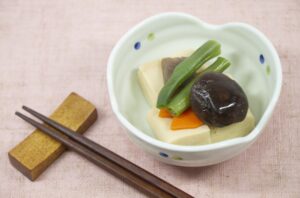
Many Japanese simmered dishes build their flavor on a base of dashi.
Delicate, clean, and fully plant-based. Best for vegetable dishes, tofu, subtle soups, and anywhere you want background flavor without any fishiness.
Awase Dashi
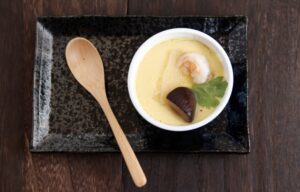
Chawanmushi relies on dashi to give depth to its delicate egg custard.
Balanced, aromatic, and all-purpose. Best for miso soup, noodle broths, chawanmushi, and most everyday Japanese dishes. It is the safest default for beginners.
Niboshi Dashi
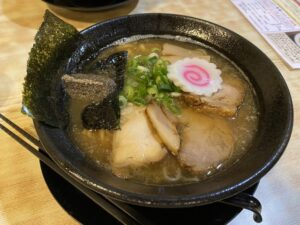
Some ramen styles use niboshi dashi for a bold seafood flavor.
Bold, rustic, and intensely savory. Best for hearty miso soup, ramen, and regional dishes where a stronger, more assertive broth is the point.
The choice does not have to be rigid. In practice, Japanese home cooks often choose based on what the dish needs, what ingredients are on hand, and how much time they have. None of the three is universally better — they simply serve different registers of cooking.
The Three Core Dashi Types
There are many kinds of dashi in Japanese cooking, but most home kitchens rely on three fundamental types. Learning these three — how they taste, how they are made, and when they are used — gives you a practical foundation for understanding Japanese cooking.
Kombu Dashi
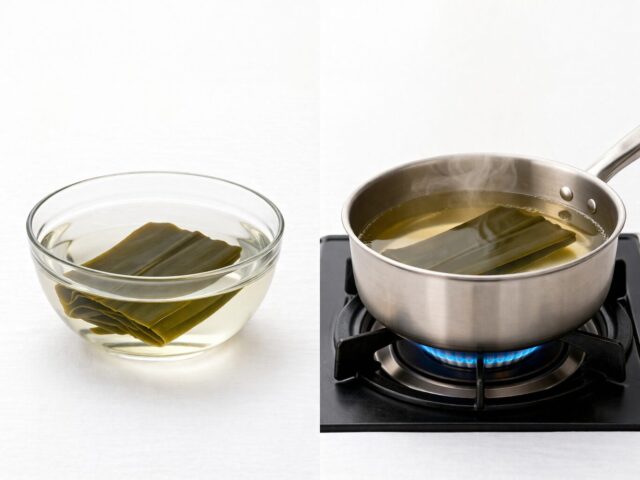
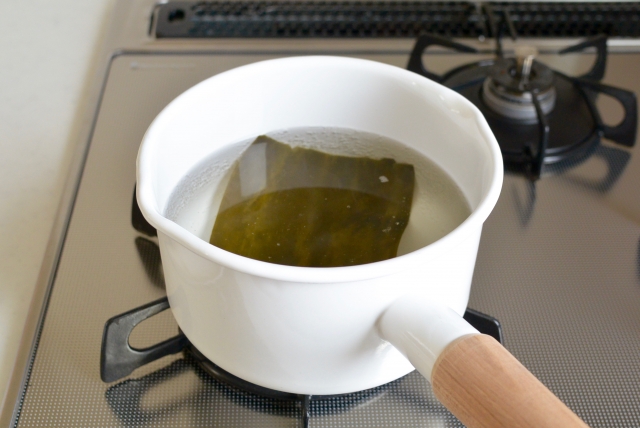
Kombu dashi is made from dried kelp soaked or gently heated in water. It is the simplest dashi and also the most delicate — a clean, mild broth with a quiet savory depth and an almost oceanic softness.
Its flavor comes mainly from glutamate, an amino acid naturally abundant in kombu. Because this compound dissolves easily into water, kombu dashi can be made with minimal heat and very little cooking time.
Kombu dashi is especially useful when you want the ingredients themselves to stand out. It works well for vegetable dishes, tofu, and delicate simmered foods where a heavier broth would overpower the dish.
Because it contains no fish products, kombu dashi is also the foundation of many vegetarian and Buddhist temple dishes.
See also: What Is Kombu? and What Is Kombu Dashi?
Awase Dashi
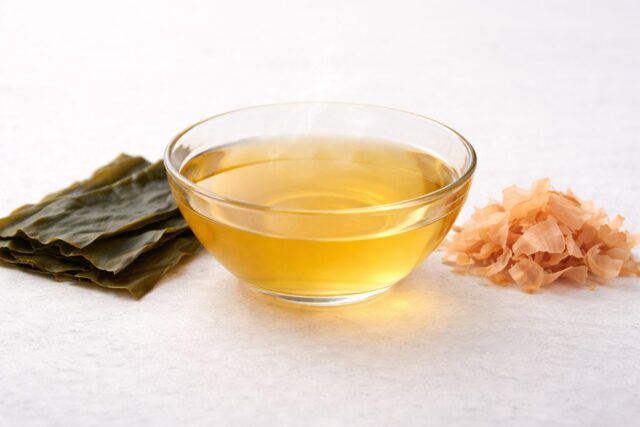
Awase dashi is the most widely used dashi in Japanese cooking and the one most people mean when they simply say “dashi.” It combines kombu with katsuobushi — smoked and fermented dried bonito flakes — producing a broth that is both aromatic and deeply savory.
The word awase means “to combine.” The combination is not random: kombu provides glutamate while katsuobushi provides inosinate. Together these compounds create umami synergy, greatly amplifying the savory depth of the broth.
Because of this balance of aroma and umami, awase dashi is used in a wide range of everyday dishes.
Typical uses include:
- Miso soup
- Udon and soba noodle broths
- Chawanmushi (savory egg custard)
- Nimono (Japanese simmered dishes)
Learn more here: What Is Awase Dashi?
Niboshi Dashi
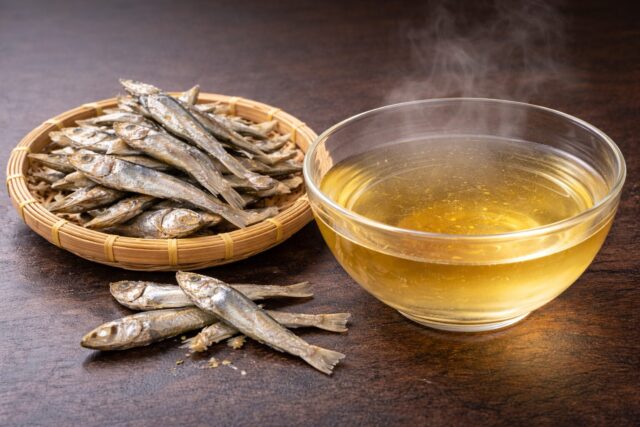
Niboshi dashi is made from small dried fish, most commonly Japanese anchovies. Compared with kombu or awase dashi, it has a stronger and more rustic character with a clear seafood flavor.
Its umami comes primarily from inosinate concentrated in the dried fish. Many cooks add a small piece of kombu when preparing niboshi dashi, allowing glutamate and inosinate to interact and deepen the flavor further.
Niboshi dashi is especially common in home cooking and regional noodle broths.
It is often used for:
- Hearty miso soup
- Ramen broths
- Robust noodle soups
Read more: What Is Niboshi? and What Is Niboshi Dashi?
ng.
The Principles Behind Good Dashi
A few ideas run through all three types and are worth keeping in mind when making dashi for the first time.
Gentle Extraction, Not Strong Boiling
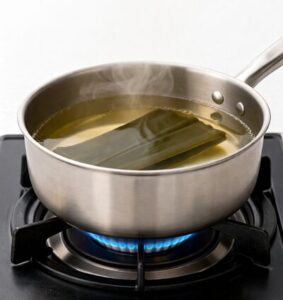
The most important principle is that more heat is not better. Dashi is built on gentle extraction. The goal is to draw out specific flavor compounds — umami and aroma — while leaving behind anything that would cloud, bitter, or weigh down the liquid. Long boiling works against that. Temperature control is the skill.
Clarity Signals Controlled Technique
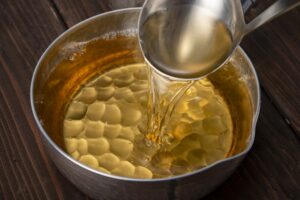
Clarity also matters, and not only aesthetically. In Japanese cooking, a clear broth signals that the extraction was controlled — that nothing unwanted made it into the liquid. A murky dashi can still taste good, but it suggests the process went too far somewhere.
Umami Synergy Creates Depth
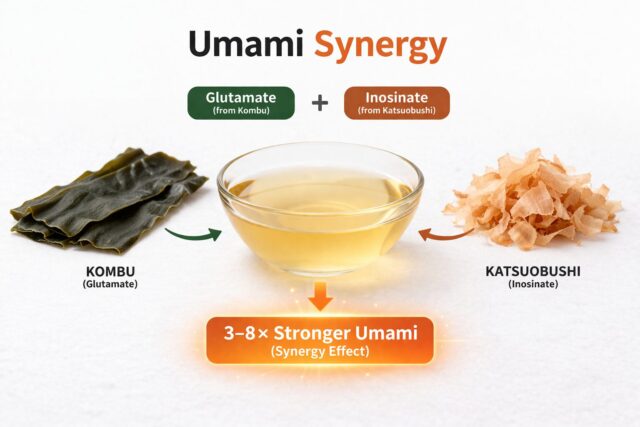
Umami synergy is worth understanding because it explains why Japanese cooking produces such depth from simple ingredients. When glutamate and inosinate are present together — as in awase dashi — they amplify each other significantly. The flavor that results is qualitatively different from either ingredient alone. That is not an accident; it is built into the structure of the broth.
To explore these ideas further, see
What Is Umami? The Savory Taste That Defines Japanese Cooking,
What Is Umami Synergy? Why Kombu and Katsuobushi Taste Better Together,
and
Why Is Japanese Dashi So Clear? The Technique Behind Japan’s Transparent Broth.
Why Dashi Is Made Quickly
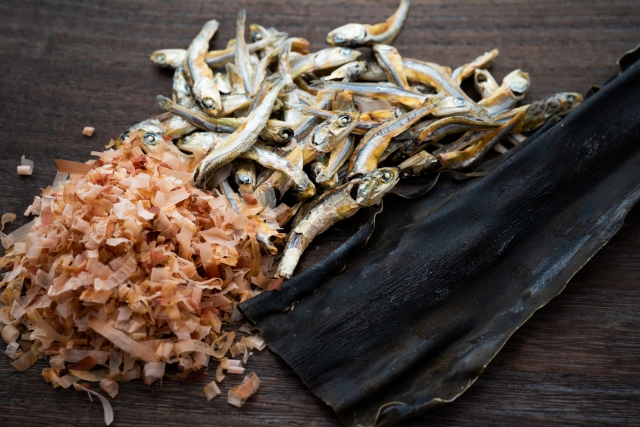
One thing that surprises many people learning Japanese cooking is how quickly dashi is made. In Western cuisine, broth and stock often simmer for hours. In contrast, most dashi is extracted in minutes.
This difference comes from the ingredients themselves. Kombu, katsuobushi, and niboshi already contain concentrated umami compounds created through drying and fermentation. Because these compounds dissolve into water very easily, long cooking is unnecessary and can even damage the flavor.
Boiling too long can release bitterness, cloud the liquid, and flatten the delicate aroma that defines good dashi. For this reason, Japanese cooking focuses on short, controlled extraction rather than long simmering.
In other words, the goal of dashi is not to build heaviness through time, but to reveal the flavor already present in the ingredients.
Why Dashi Matters in Japanese Cooking
A Foundation Rather Than a Sauce
In Japanese cooking, dashi is more than just a broth. It is one of the main ways flavor is built in the first place. Instead of relying on heavy sauces or long cooking times, many dishes begin with a light stock that quietly supports the ingredients.
This reflects a broader idea in Japanese cuisine: flavor should not overwhelm the food itself. Dashi is meant to bring out the natural character of vegetables, tofu, fish, noodles, and eggs, not cover them up. That is why it appears in so many dishes, from miso soup and noodle broths to simmered foods and savory custards.
Why Fresh Dashi Is Preferred
Dashi is also valued because it is at its best when it is fresh. Good dashi carries delicate aroma as well as umami, and that aroma fades with time. Fish-based dashi in particular can lose much of its fragrance after sitting for a while.
Some broths may also begin to taste rougher or slightly bitter as they sit, especially those made from dried fish. For that reason, traditional Japanese cooking often treats dashi as something to make when needed rather than something to prepare far in advance.
Because most dashi can be made in just a few minutes, preparing it fresh is often the easiest way to preserve both aroma and clarity.
Modern Kitchens and Practical Shortcuts
Modern home cooking, however, is practical. Many households refrigerate or freeze dashi for later use, and convenient dashi packets are widely used in everyday kitchens.
Even so, the basic idea behind dashi remains the same. It is not meant to dominate the dish but to quietly support it — allowing the natural flavor of the ingredients to come forward.
A Note on Plant-Based Dashi
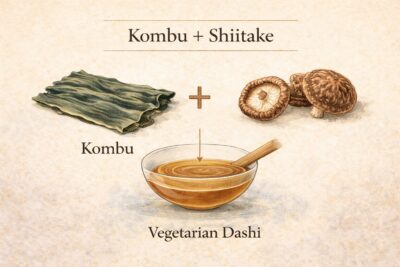
Fish-based dashi is central to most Japanese cooking, but it is not the only option. Kombu dashi is fully plant-based on its own, and kombu paired with dried shiitake mushrooms creates a vegetarian broth with real umami depth — the glutamate in kombu and the guanylate in dried shiitake interact through the same synergy principle as the kombu-katsuobushi pairing.
This combination is the foundation of Buddhist temple cooking (shōjin ryōri) in Japan, where animal products have historically been avoided. It is also a practical option for home cooks who need a vegetarian or vegan dashi that does not sacrifice flavor.
For more on the ingredient side, see What Are Dried Shiitake? The Mushroom That Brings Deep Umami to Japanese Dashi.
Dashi Packets: The Modern Shortcut
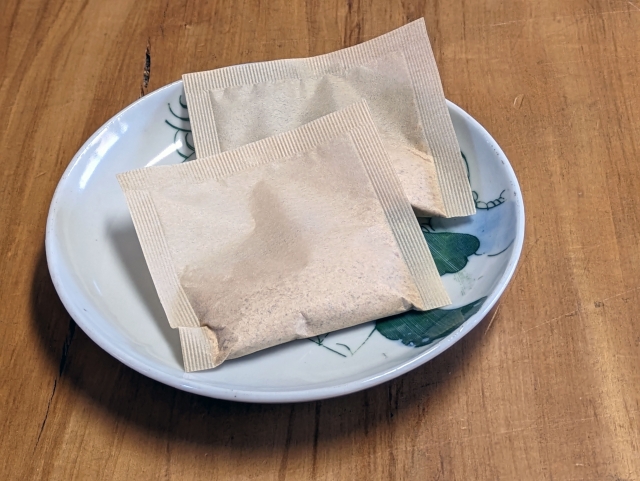
Dashi packets are widely used in modern Japanese home cooking.
Dashi packets are widely used in modern Japanese home cooking.
Making dashi from scratch is valuable — it teaches you what each ingredient contributes and builds an intuition for how Japanese flavor works. But it is not how every Japanese household prepares dashi every day.
Dashi packets — small bags filled with dried ingredients, used much like tea bags — are common in modern kitchens, especially on busy weekdays. You simmer the packet in water for a few minutes and get a clean, usable dashi without any straining or preparation. The quality is good enough for most everyday cooking.
Using a dashi packet is not a shortcut in a negative sense. It is simply a practical choice that reflects how home cooking works: balancing flavor with time, and tradition with convenience.
Many Japanese cooks do both — packets on weekday evenings, fresh dashi when a dish calls for something more careful.
How Long Dashi Keeps
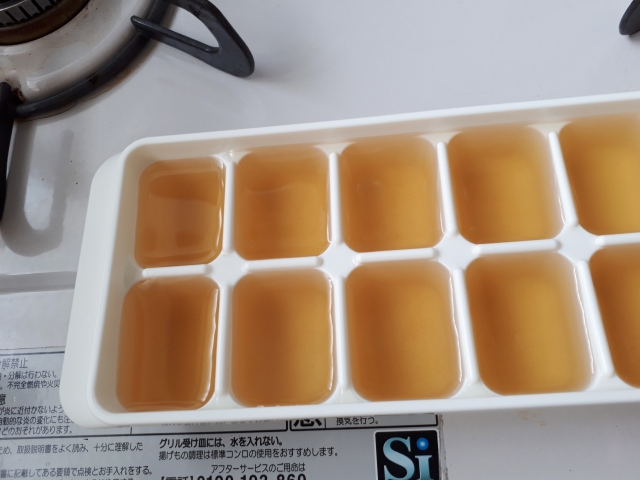
Freezing dashi in small portions makes it easy to use later.
Fresh dashi is best used the same day, but it keeps well in the refrigerator for about two to three days. For longer storage, many people freeze it in small portions — an ice cube tray works well, giving you conveniently sized amounts to drop into soups or sauces as needed.
For a dedicated storage guide later, this section can link naturally to your future article on storing dashi.
Frequently Asked Questions

Is dashi the same as broth?
They serve a similar purpose — both are cooking liquids used as a base — but they work differently. Western broths typically build flavor through long simmering of bones, meat, and vegetables. Dashi extracts umami gently from ingredients like kombu, katsuobushi, or niboshi, usually in minutes rather than hours. The result is lighter, clearer, and built on a different flavor logic.
Can you make dashi without fish?
Yes. Kombu dashi is fully plant-based, and a combination of kombu and dried shiitake mushrooms produces a rich vegetarian dashi with strong umami. This is the standard broth in Japanese Buddhist temple cooking.
Why is Japanese dashi so clear?
Because the extraction is gentle. Avoiding hard boiling, removing ingredients at the right time, and careful straining all prevent fats, proteins, and particles from clouding the liquid. Clarity in dashi reflects controlled technique — nothing unwanted made it in.
Which dashi is best for beginners?
Awase dashi is the most practical starting point — it is the most versatile and represents the flavor most people associate with Japanese cooking. Kombu dashi is a good choice if you want something simpler or fully plant-based.
How long does homemade dashi last?
Two to three days in the refrigerator. For longer storage, freeze it in small portions — an ice cube tray is a useful tool for this.
Do Japanese people always make dashi from scratch?
Not always. Dashi packets and instant dashi products are widely used in modern Japanese households, especially for everyday cooking. Making dashi from scratch remains important for understanding the cuisine, but it is not the only way people cook.

