Japanese restaurant service is a style of hospitality that prioritizes comfort through quiet attentiveness rather than frequent interaction. Instead of repeatedly checking on customers, staff typically remain nearby, observing the table carefully while avoiding unnecessary interruptions.
In Japan, good service is often defined not by how often staff speak to customers, but by maintaining a smooth atmosphere in which people can enjoy their meal without disturbance. As a result, interaction in Japanese restaurants is often customer-controlled, with customers expected to call staff when needed using “Sumimasen” or a table call button.
Related Hub: Japanese Restaurant & Hospitality Culture
Japanese Service Prioritizes Space and Comfort
Japanese restaurant service typically aims to create a calm, uninterrupted dining atmosphere. Rather than approaching the table frequently, staff give customers room to enjoy their meal, their conversation, and their time together. Many Japanese people find this more comfortable than constant interaction.
This does not mean staff are inattentive — in fact, they are often watching carefully from a distance. The goal is not to maximize interaction with customers, but to quietly support the dining experience without becoming part of it.
This style reflects a broader cultural tendency in Japan to value harmony, atmosphere, and sensitivity to personal space.
Don't Wait for Eye Contact: The Art of “Sumimasen”
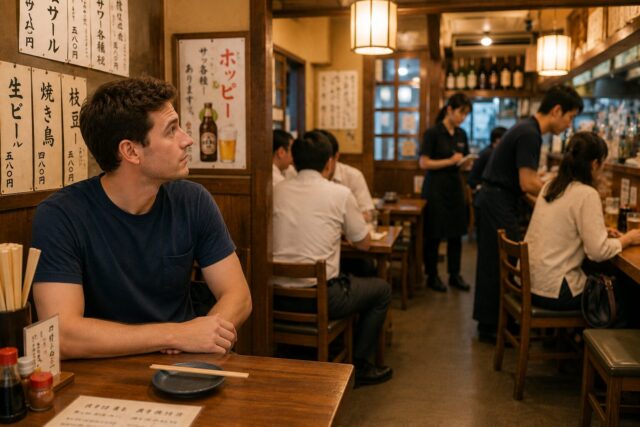
In Japan, customers are often expected to call staff when they need assistance rather than wait for eye contact.
Visitors from English-speaking countries are sometimes surprised to find that they may need to actively call staff themselves. In many Western restaurants, customers wait to catch a server's eye before speaking. In Japan, however, staff may deliberately avoid hovering near the table unless needed — so waiting for eye contact can mean waiting a long time.
Saying “Sumimasen!” clearly enough to be heard is considered completely normal and polite. Speaking too quietly can actually make things more difficult, as staff may not realize you need assistance.
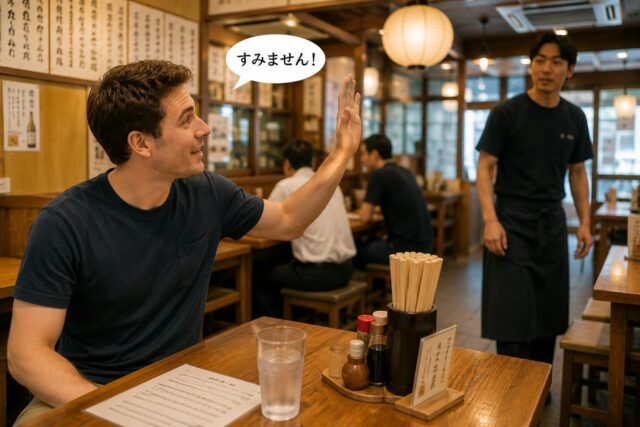
Calling out “Sumimasen” is a normal and polite way to request assistance in many Japanese restaurants.
Many Japanese people also raise a hand lightly while calling out, particularly in busy restaurants. Far from being considered rude, this is simply the standard way to initiate service.
Table Call Buttons Are Common in Japan
In many Japanese restaurants, customers are expected to signal staff when they want assistance, and many restaurants provide table call buttons for exactly this purpose.
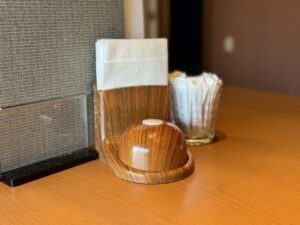
Many Japanese restaurants provide call buttons so customers can request service whenever they need it.
In casual restaurants and izakaya, pressing the button typically triggers a familiar electronic chime — the kind of “ping-pong” sound many visitors quickly associate with dining in Japan.
The existence of these buttons reflects an important assumption in Japanese dining culture: customers decide when interaction happens.
The Bill Is Often Left on the Table
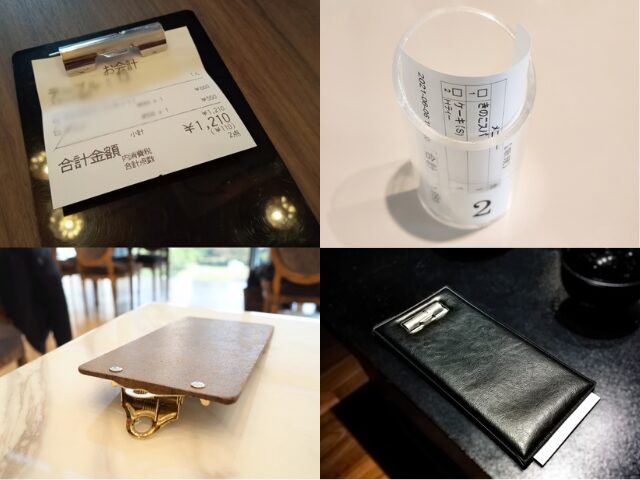
In many Japanese restaurants, the bill is placed at the table and brought to the register when paying.
This customer-controlled approach also extends to payment.
In many Japanese restaurants, the bill is placed on the table well before the meal is finished. Customers are often expected to take the bill to the register near the exit whenever they are ready to leave, rather than waiting for staff to bring the check at the end.
For many visitors, this system can feel surprisingly efficient and relaxed because it removes the need to call staff simply to pay.
In some countries, presenting the bill early can feel like a signal to hurry. In Japan, however, it usually reflects the opposite idea — respecting the customer’s pace and avoiding unnecessary interruption during the meal.
Quiet Attentiveness Instead of Constant Check-Ins
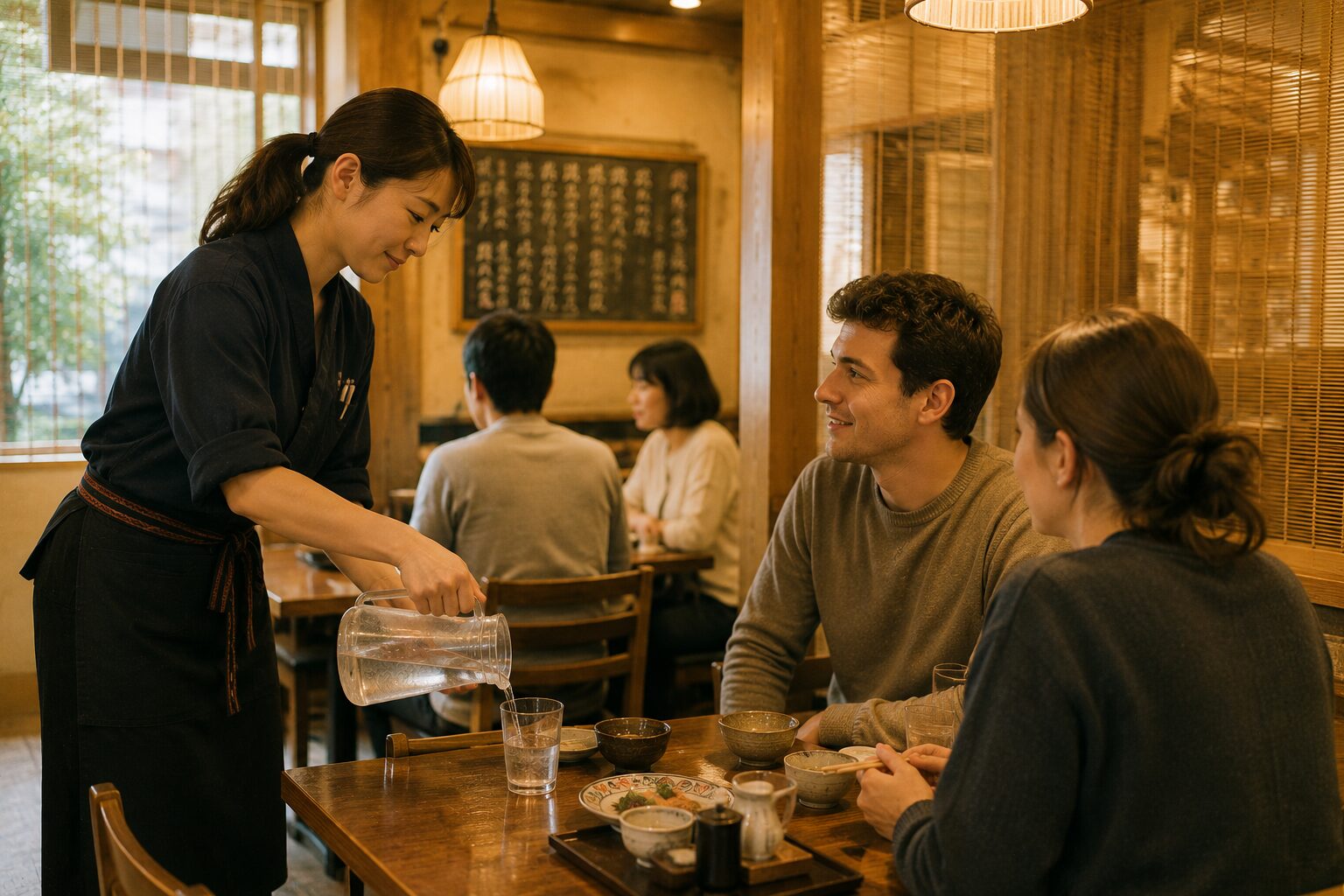
Japanese staff often provide attentive service quietly and without interrupting conversation.
Although Japanese waiters may seem less interactive, they are often paying close attention to the table. Staff may quietly refill water, remove empty plates during a natural pause in conversation, or bring additional items without breaking the flow of the meal.
Experienced staff often practice what Japanese people call kūki wo yomu — literally “reading the air.” This means observing the mood, timing, and atmosphere at the table before deciding whether to approach.
Experienced staff often notice small nonverbal signals before approaching a table. A menu placed to one side may signal that customers are ready to order. A natural lull in conversation may be the right moment to clear dishes. If someone appears to be looking around for help, staff will move immediately.
Rather than leaving customers alone, staff are quietly waiting for the right moment to step in — without intruding.
Why Frequent Interruptions Can Feel Uncomfortable in Japan
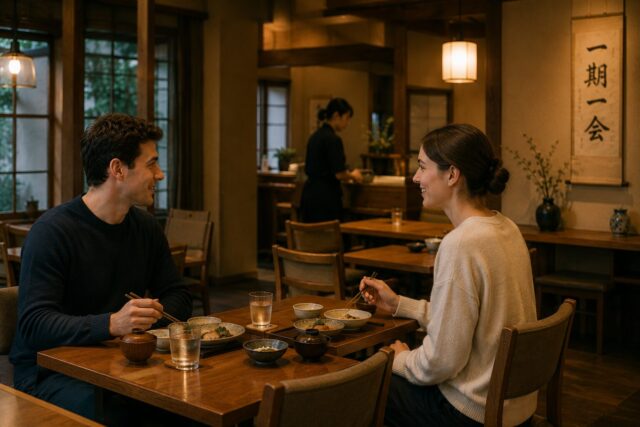
Many Japanese restaurants prioritize creating a peaceful and uninterrupted dining experience.
Many Japanese customers find that too many interruptions make a meal less relaxing. Frequent check-ins can break conversation, disrupt the rhythm of eating, or create mild pressure to respond politely each time. In quieter restaurants especially, repeated interruptions can feel distracting rather than welcoming.
Because of this, Japanese hospitality often prioritizes maintaining the atmosphere of the space itself. Good service is measured not by how often staff interact with customers, but by how smoothly and comfortably the experience flows from start to finish.
This may also help explain why Japanese restaurant culture developed differently from cultures where tipping is common — in those settings, frequent interaction can become a way of demonstrating attentiveness in a more visible way.
It Reflects a Different Idea of Hospitality
Ultimately, this style of service reflects a different understanding of what hospitality means. In some countries, friendliness and attentiveness are expressed through frequent verbal interaction.
In Japan, hospitality is more often expressed through anticipation without intrusion — noticing what customers need before they ask, while avoiding unnecessary disturbance.
This balance between attentiveness and restraint is one reason Japanese restaurant service can feel both unusually quiet and highly organized at the same time.
Author's Note
As a Japanese person, this style of restaurant service felt so normal growing up that I rarely stopped to think about it. It was simply how dining worked.
Traveling abroad made me aware of how differently restaurants can handle interaction with customers. In Japan, being left to enjoy your meal undisturbed is often considered a form of care in itself.
In local restaurants especially, there is an unspoken understanding that staff are nearby if you need them — and that otherwise, the time at the table is yours.
FAQ
Why don't Japanese waiters check on customers often?
Japanese restaurant service tends to prioritize giving customers space and avoiding interruptions during meals. Staff remain attentive, but express that attentiveness through observation and timing rather than frequent conversation.
How do you call a waiter in Japan?
Customers typically say “Sumimasen” (“Excuse me”) clearly enough to be heard, or use a table call button if the restaurant has one. Raising a hand lightly while calling out is also common and completely natural.
Is it rude to loudly say “Sumimasen” in a Japanese restaurant?
No. In busy restaurants, saying “Sumimasen” clearly is considered normal and practical. Waiting silently for eye contact is often less effective than simply calling out.
Why are call buttons common in Japanese restaurants?
Call buttons allow customers to control when interaction happens, reducing unnecessary interruptions while keeping staff easily and quickly accessible.
Why do Japanese restaurants leave the bill on the table early?
Placing the bill on the table in advance allows customers to leave whenever they are ready, without needing to request the check. It is a way of respecting the customer's time rather than a signal to hurry.
Do Japanese waiters still pay attention to customers?
Yes. Staff typically monitor tables quietly, refill water, clear dishes at natural moments, and respond quickly when customers need assistance. The attentiveness is real — it is simply expressed differently.
Related Reading on YUNOMI
- Japanese Restaurant & Hospitality Culture: Why Dining in Japan Feels So Different
- Why Do Japanese Restaurants Feel So Quiet?
- Why Is Water Free in Japan?
- Why Do Japanese Restaurants Give Wet Towels?
- Why Do Japanese Staff Say "Irasshaimase"?
- Why Don't Japanese Restaurants Expect Tips?
- Why Do Japanese Restaurants Serve Ice-Cold Water Even in Winter?

