
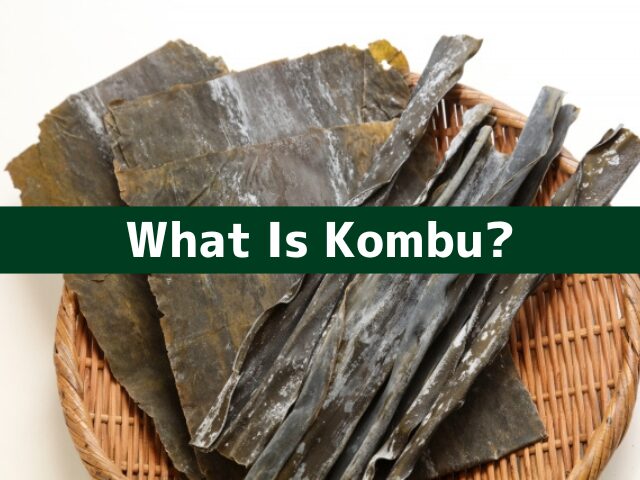
Although kombu may look like a simple dried seaweed, it reflects a deeper story involving ocean environments, regional trade routes, aging traditions, and everyday cooking practices in Japan.
Rather than dominating a dish with strong seasoning, kombu quietly releases umami into water, creating a subtle base that allows other ingredients to shine. This restrained approach to flavor is one of the defining characteristics of Japanese cuisine.
Start here:
Japanese Dashi Guide
What Is Kombu?
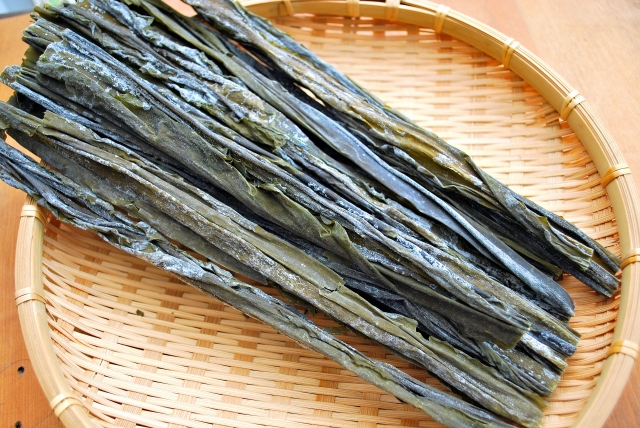
Dried kombu prepared for making Japanese dashi broth.
Kombu is a type of edible kelp harvested mainly from the cold coastal waters around Hokkaido in northern Japan. After harvesting, the seaweed is dried to preserve it and concentrate its flavor.
In Japanese cooking, kombu is most famous as a primary ingredient used to make dashi, the broth that supports soups, sauces, and simmered dishes.
Although kombu can be eaten directly in certain dishes, its most important role is releasing umami into water.
Kombu and Kelp: What Is the Difference?
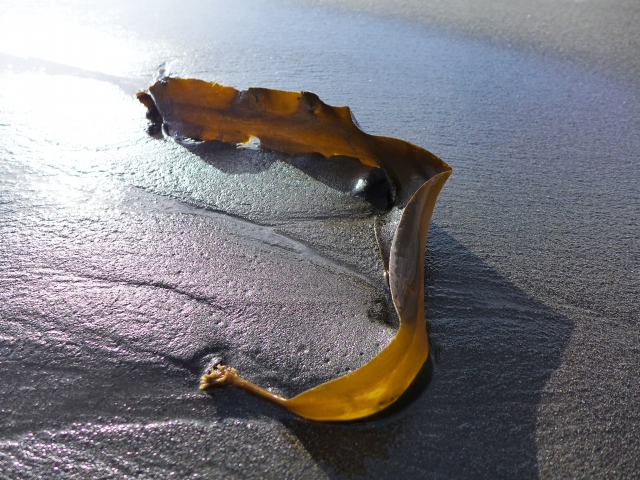
Kombu is a type of kelp that grows in cold northern seas around Japan.
In English, kombu is often described simply as “kelp.” However, the two terms are not identical.
“Kelp” is a broad category of large brown seaweeds found around the world. Kombu refers specifically to several edible kelp species traditionally harvested in Japan for cooking.
In other words, kombu is a type of kelp, but not all kelp can be called kombu.
How Kombu Creates Umami in Dashi
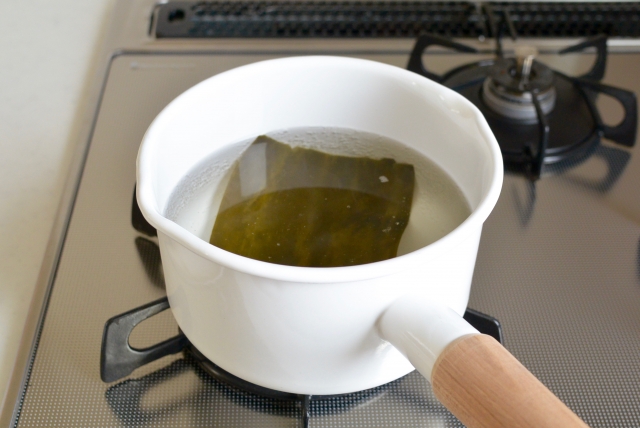
Kombu releases natural glutamate when soaked in water, forming the base of kombu dashi.
Kombu contains large amounts of glutamate, a natural compound responsible for umami. When kombu is soaked in water, this compound slowly dissolves into the liquid and creates a savory flavor.
Unlike meat-based broths, kombu produces umami without adding fat or cloudiness. This is why kombu-based dashi often appears clear while still delivering deep flavor.
To prepare kombu dashi, a piece of kombu is usually soaked in water and gently heated. The kombu is removed just before the water begins to boil.
Boiling kombu can release bitterness and reduce the clarity of the broth. By controlling the temperature carefully, cooks extract the umami while keeping the flavor smooth and balanced.
Kombu is often combined with katsuobushi. The glutamate from kombu and inosinate from katsuobushi interact to create a stronger umami effect, a phenomenon known as umami synergy.
To see how this works in practice, see
How to Make Ichiban Dashi Step by Step (And Why It Works).
The Discovery of Umami
The scientific understanding of umami began in 1908 when Japanese chemist Kikunae Ikeda studied the flavor of kombu broth. He identified glutamate as the compound responsible for the savory taste and proposed umami as a basic taste distinct from sweet, salty, sour, and bitter.
Ikeda’s discovery helped explain why ingredients such as kombu play such an important role in Japanese cooking.
Why Kombu Is Not Washed
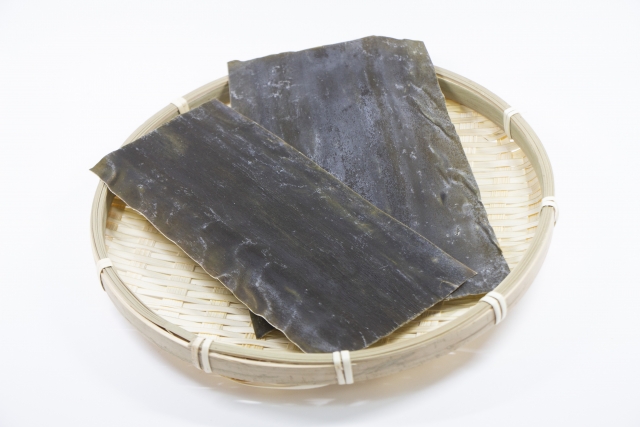
Large sheets of kombu are dried and stored before being used in cooking.
Kombu is usually not rinsed under running water before cooking. Instead, any visible dust is gently wiped away with a cloth.
Much of kombu’s flavor is concentrated on its surface, and washing it can remove important compounds responsible for umami. The white powder sometimes seen on kombu is a natural sugar alcohol called mannitol, not mold.
Different Types of Kombu
Several varieties of kombu are used in Japanese cooking, each producing slightly different flavors.
Ma-kombu is often considered the most refined variety and is valued for producing elegant broth.
Rishiri kombu creates a very clear and delicate dashi and is frequently used in Kyoto cuisine.
Rausu kombu produces a stronger and richer broth with deeper umami.
Hidaka Kombu in Everyday Cooking
While chefs often discuss premium varieties, many Japanese households commonly use Hidaka kombu.
Hidaka kombu is relatively affordable and versatile. It releases flavor quickly when making dashi and remains pleasant to eat after cooking, making it suitable for simmered dishes.
Why Most Kombu Comes from Hokkaido
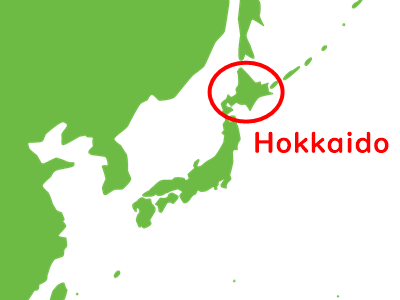
Most kombu used in Japanese cooking is harvested from the cold coastal waters around Hokkaido in northern Japan.
Most kombu used in Japanese cooking is harvested along the coast of Hokkaido. Cold ocean temperatures and nutrient-rich waters provide ideal conditions for kelp growth.
These environmental factors allow kombu to develop thick blades rich in glutamate, which contributes to its strong umami flavor.
How Kombu Grows in the Ocean

Most kombu used in Japanese cuisine is harvested from the cold coastal waters of Hokkaido.
Kombu typically takes around two years to grow before it is harvested.
During the first year, the kelp spreads across the rocky seabed. In the second year it grows thicker and larger, developing the rich flavor needed for cooking.
Once mature, the kombu is harvested, dried, and prepared for use in kitchens across Japan.
The Aging Tradition of Kombu
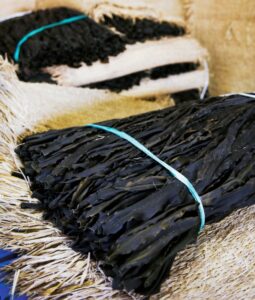
Kombu is sometimes aged in storage, a process known as “kuragakoi,” which improves flavor and aroma.
Kombu is sometimes intentionally aged before use. This process, known as kuragakoi, involves storing dried kombu for one to three years.
During this time the aroma becomes cleaner, the flavor mellows, and the broth becomes smoother and more balanced.
Historical Kombu Trade in Japan
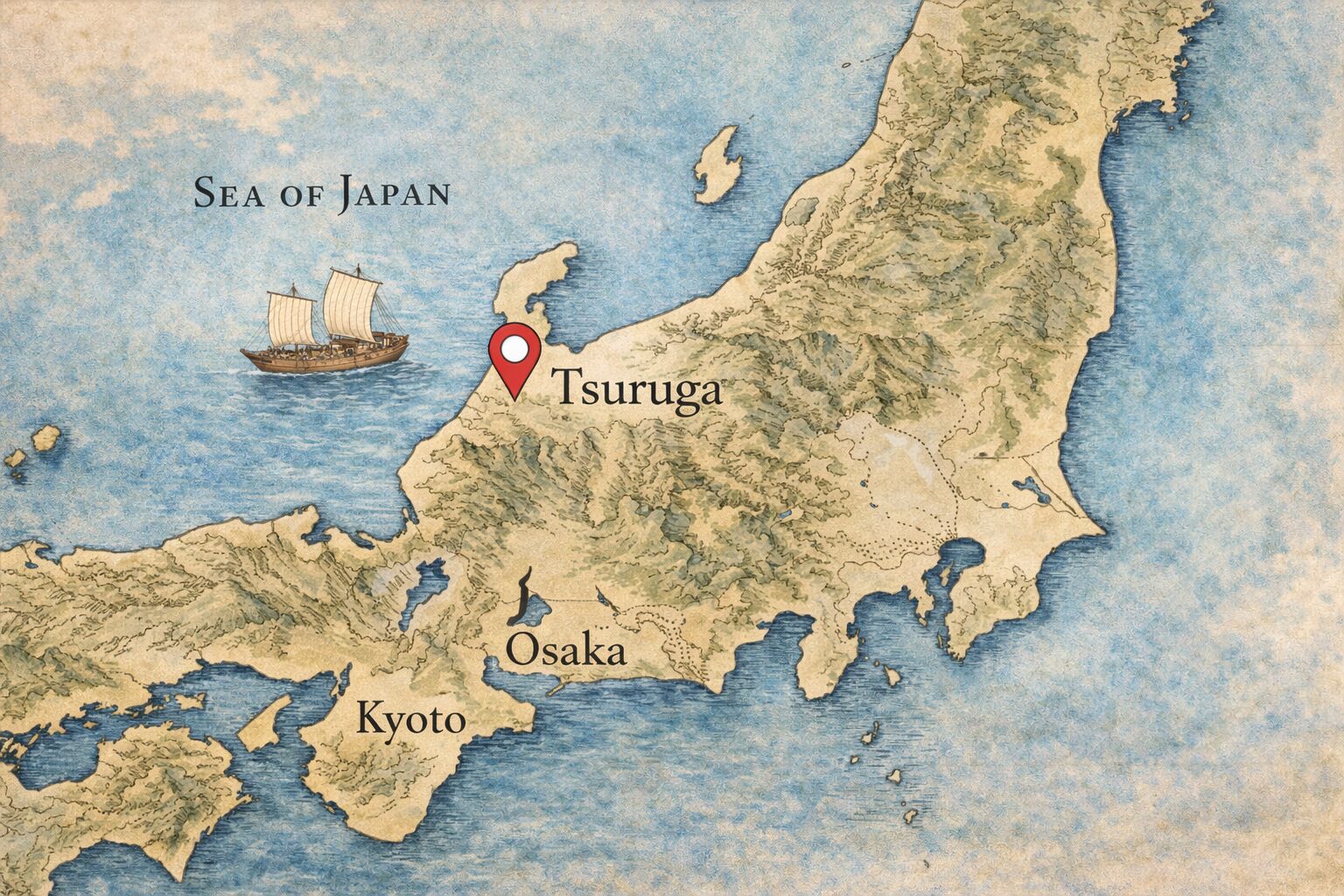
During the Edo period, kombu from Hokkaido was transported south by merchant ships and stored in ports such as Tsuruga before reaching Kyoto and Osaka.
During the Edo period, kombu harvested in Hokkaido was transported south by merchant ships along the Sea of Japan.
Ports such as Tsuruga became important storage points where kombu was kept before being transported to cities such as Osaka and Kyoto.
This trade network helped establish kombu as an essential ingredient in Japanese cuisine.
What to Do With Used Kombu
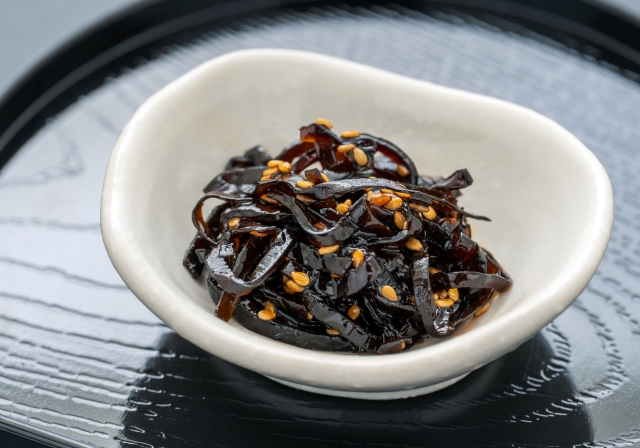
Kombu used for dashi is often reused to make tsukudani, a sweet and savory simmered seaweed dish.
In many Japanese households, kombu used for making dashi is rarely discarded.
The softened kombu is often cut into small pieces and simmered with soy sauce, sugar, and mirin to create tsukudani, a savory side dish.
Leftover kombu can also be added to rice dishes, soups, or stir-fried vegetables.
Kombu in Vinegared Dishes
Thin strips of kombu are sometimes added to vinegared dishes such as sunomono. The umami from kombu softens the sharp acidity of vinegar and helps balance the flavor.
Kombu in Rice Cooking
Some households place a small piece of kombu directly into the rice cooker. As the rice cooks, the kombu releases umami, giving the rice a slightly richer flavor.
Regional Differences in Japanese Dashi
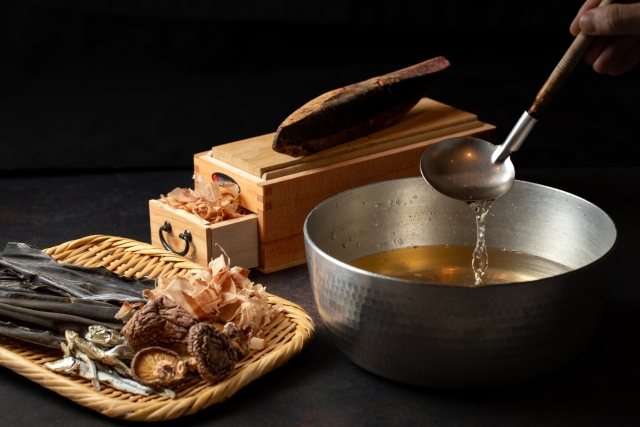
Kombu and katsuobushi together create the deep umami that defines Japanese dashi.
Japanese dashi also reflects regional culinary traditions.
Kyoto cuisine often emphasizes kombu-based dashi with delicate flavor. Osaka cooking commonly combines kombu and katsuobushi, while Edo-style cooking historically relied more heavily on katsuobushi.
These differences show how a small number of ingredients can create diverse regional food cultures.
Frequently Asked Questions

What is kombu?
Kombu is edible kelp traditionally used in Japanese cooking. It is most famous as the key ingredient for making dashi, the broth that forms the base of many Japanese dishes.
Is kombu the same as kelp?
Kombu is a type of kelp, but the word “kelp” refers to many different seaweeds. Kombu specifically refers to certain edible kelp species used in Japanese cuisine.
Why is kombu important in Japanese cooking?
Kombu contains large amounts of glutamate, a compound responsible for umami. When soaked in water, it releases this flavor and creates the base for dashi broth.
Why should kombu not be boiled?
Boiling kombu can release bitterness and cloud the broth. In most recipes the kombu is removed just before the water reaches a boil to keep the flavor clean and balanced.
Can kombu be eaten after making dashi?
Yes. The kombu used to make dashi is often reused in dishes such as tsukudani, rice dishes, or simmered foods.
Where does most kombu come from?
Most kombu used in Japanese cooking is harvested from the cold coastal waters around Hokkaido in northern Japan.
Why is kombu sometimes aged?
Kombu may be aged in storage for one to three years in a process called kuragakoi. Aging helps remove strong seaweed aromas and creates a smoother, more balanced broth.
Is kombu only used for soup?
No. While kombu is most famous for making dashi, it is also used in simmered dishes, vinegared dishes, rice cooking, and preserved foods such as tsukudani.

