
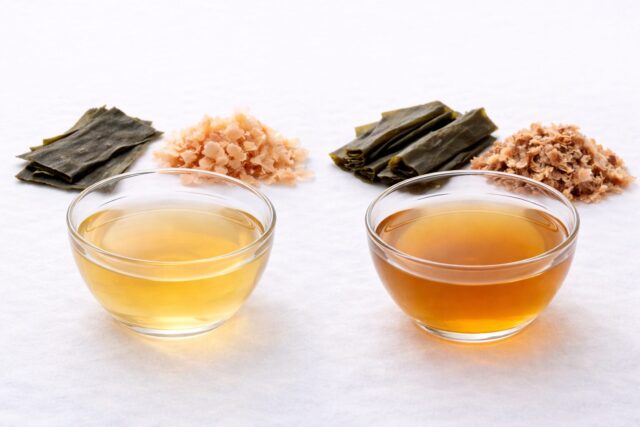
Ichiban dashi is the first extraction of Japanese broth made mainly from kombu and katsuobushi. It is valued for its clarity, delicate aroma, and refined taste, and is used in dishes where the broth itself should be appreciated.
Niban dashi is the second extraction made from those same ingredients after ichiban dashi has already been prepared. It is created by using stronger techniques such as boiling and pressing to draw out the remaining depth of flavor, then balancing that rougher character through cooking methods and seasonings.
In many Western kitchens, broth is made by simmering ingredients for a long time to extract as much flavor as possible in one process. Japanese cooking often works differently.
Dashi is frequently extracted in stages. The first extraction creates ichiban dashi, a broth known for its clean fragrance and elegance. The second extraction creates niban dashi, a broth with more body and strength that is better suited to everyday cooking.
This is not simply a matter of making one broth stronger than another. Ichiban dashi and niban dashi are built on different extraction logic. The first protects aroma through restraint, while the second deliberately uses stronger methods to pull out what remains.
Start here:
Japanese Dashi Guide
What Is Ichiban Dashi?
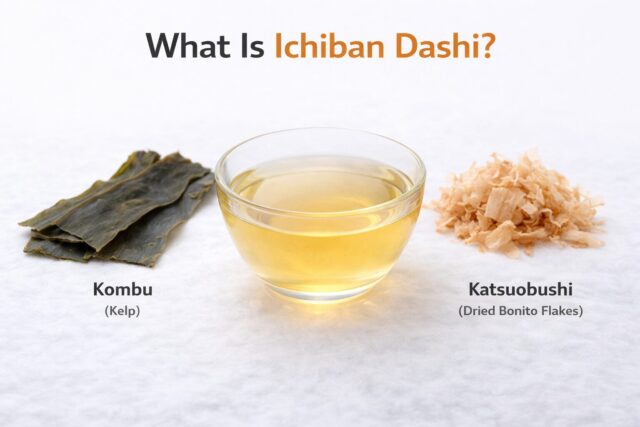
Ichiban dashi is the first extraction made from kombu and katsuobushi, known for its clear color and delicate aroma.
Ichiban dashi literally means “first dashi.” It is the first extraction made from kombu (kelp) and katsuobushi (dried bonito flakes).
Many cooks begin by soaking kombu in cold water. This allows glutamate, the main umami compound in kombu, to slowly dissolve before the heating stage begins.
The pot is then gently heated, and the kombu is removed just before the water reaches a boil. Katsuobushi is added briefly, allowed to sink, and then strained.
The key idea is gentle extraction. Ichiban dashi tries to preserve the most delicate aroma of the ingredients while avoiding bitterness and cloudiness.
For this reason, ichiban dashi is often described as a broth focused on aroma. It is used in dishes where clarity and fragrance matter.
- Suimono (clear soup)
- Chawanmushi (savory egg custard)
- Lightly seasoned broths
- Refined dishes in traditional cuisine
What Is Niban Dashi?
Niban dashi means “second dashi.” It is made from the kombu and katsuobushi that have already been used for ichiban dashi.
At this stage, the goal changes completely. Instead of protecting the most delicate aroma, niban dashi aims to extract the remaining depth that still exists inside the ingredients.
The used kombu and katsuobushi are returned to fresh water and brought to a boil. They are then simmered so that the remaining flavor can be drawn out more forcefully.
A small amount of fresh katsuobushi is also sometimes added near the end. This helps restore some aroma after the longer boiling process.
Niban dashi is therefore not just a “stronger broth.” It is a broth created by changing the rules of extraction. Ichiban dashi extracts the most delicate aroma. Niban dashi extracts the remaining depth of the ingredients.
The Role of Kombu in Niban Dashi
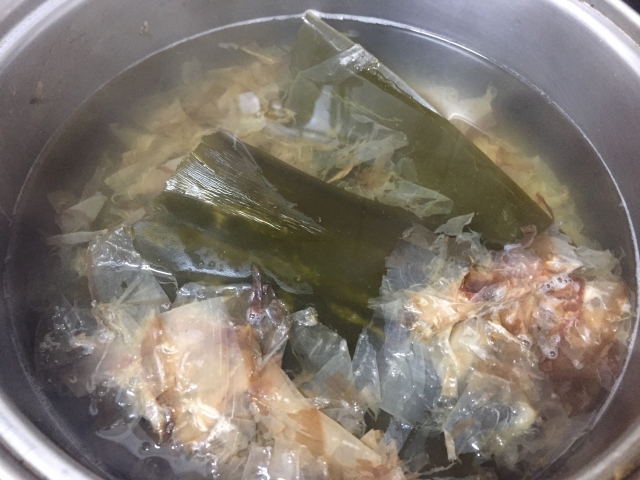
Niban dashi is made by simmering the ingredients again to extract deeper remaining flavor.
Unlike ichiban dashi, where kombu is removed before the water boils, niban dashi usually allows the kombu to simmer together with the katsuobushi.
By this point, much of the delicate surface flavor has already been extracted during the first broth. Simmering the kombu again helps release the deeper glutamate that remains inside the kelp.
This stronger extraction can also bring slight seaweed notes and a thicker body to the broth, which is one reason niban dashi works best in dishes that include seasoning or other ingredients.
Why Niban Dashi Uses Techniques Avoided in Ichiban Dashi
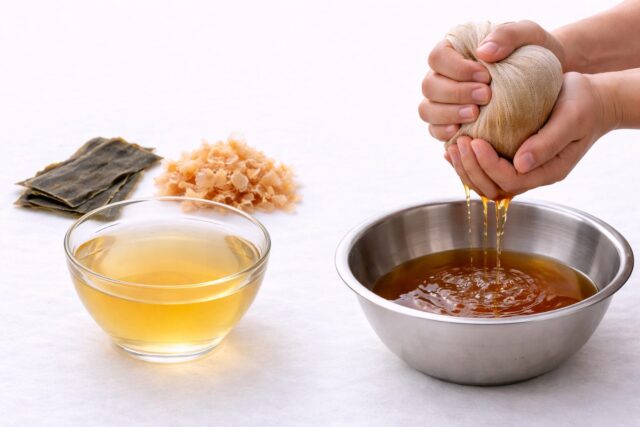
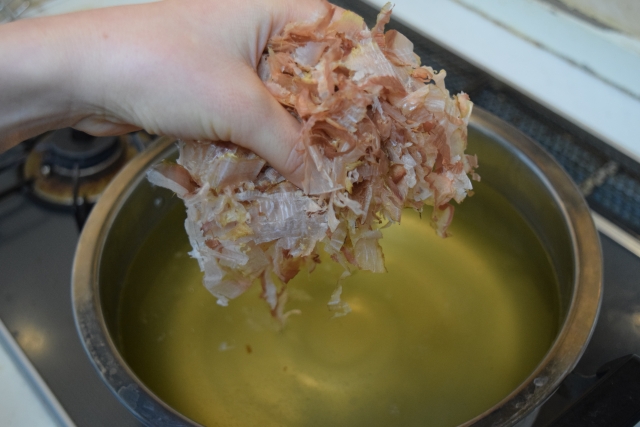
Pressing the bonito flakes releases the remaining broth, a technique avoided in ichiban dashi but used for niban dashi.
The most interesting thing about niban dashi is that it deliberately uses techniques that are avoided when making ichiban dashi.
When preparing ichiban dashi, cooks try to extract flavor as gently as possible. Boiling is avoided because it can create bitterness or roughness, and katsuobushi is usually strained without squeezing in order to keep the broth clean and elegant.
Niban dashi reverses this logic.
The ingredients are boiled and simmered again, and the katsuobushi may even be pressed to squeeze out the remaining liquid. These stronger techniques pull out deeper flavor compounds that were left behind during the first extraction.
That stronger extraction creates clear benefits: more body, more depth, and more usable broth from the same ingredients. But it also creates side effects. The broth may become less fragrant, slightly rougher, or a little more fishy than ichiban dashi.
That is why niban dashi should not be understood as a “lower-grade ichiban dashi.” It is a different kind of broth with a different purpose.
How Cooking Balances Niban Dashi
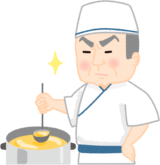
The core idea of niban dashi is not just stronger extraction. It is stronger extraction followed by cooking techniques that manage the broth’s rougher qualities.
Because niban dashi is extracted more aggressively, it is rarely served on its own. Instead, it is used in dishes where the broth becomes part of a larger cooking structure.
Miso Soup
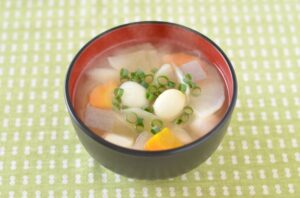
Miso soup is one of the most common dishes that uses niban dashi.
This is perhaps the most familiar use of niban dashi. Miso adds a fermented aroma, salt, and additional umami, helping the broth settle naturally into a fuller flavor rather than standing out on its own.
Because miso has a strong character, it pairs well with a broth that has more body than ichiban dashi. This is why niban dashi is often used in everyday miso soup.
Nimono (Simmered Dishes)
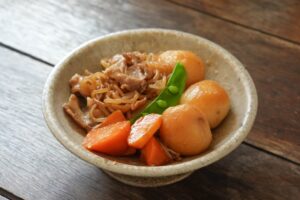
Simmered dishes like nikujaga use niban dashi as a flavorful cooking base.
In simmered dishes such as nikujaga, chikuzenni, or simmered pumpkin, vegetables release water during cooking, which softens the broth. Cooks also skim foam and impurities from the surface, gradually refining the final taste.
Seasonings such as sake are also often used in these dishes. As the alcohol evaporates during heating, it can carry some of the fishy aromas away with it, helping the broth taste cleaner.
Mirin also helps round out the stronger character of the broth with gentle sweetness.
Because these dishes cook for a longer time, the delicate aroma of ichiban dashi would not survive. Niban dashi provides a stronger base that holds up during simmering.
Noodle Broths
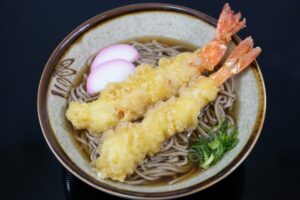
Noodle broths such as soba or udon often rely on a stronger dashi base.
Broths for dishes such as udon or soba often combine soy sauce, mirin, and dashi. The stronger body of niban dashi works well with these bold seasonings, creating a broth with enough depth to support the noodles.
Takikomi Gohan
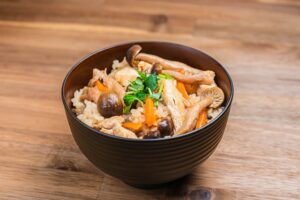
Takikomi gohan absorbs the deeper flavor of niban dashi while cooking.
When rice is cooked together with vegetables, mushrooms, or meat, the broth must soak into the grains over time. Niban dashi provides a deeper flavor that remains satisfying even after the rice cools.
In other words, the roughness of niban dashi is not simply accepted as-is. Japanese cooking uses one technique to extract that deeper flavor, then uses other techniques to shape it into a balanced dish.
How Dashi Is Often Used in Modern Home Cooking
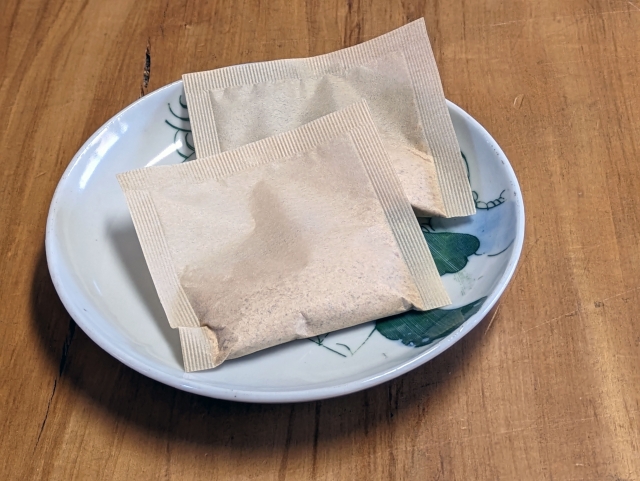
Modern Japanese home cooking often uses dashi packets for convenience.
In modern Japanese home kitchens, many people use dashi packets for convenience. These are often simmered directly in the pot together with vegetables, tofu, or other ingredients.
As a result, the broth may gradually extract both the delicate first flavors and the deeper remaining flavors in the same pot.
In practice, many home cooks end up making something between ichiban dashi and niban dashi without clearly separating the two.
Frequently Asked Questions

What is the difference between ichiban dashi and niban dashi?
Ichiban dashi is the first extraction and is prized for its delicate aroma and clarity. Niban dashi is the second extraction made from the same ingredients and is created through stronger methods such as boiling and pressing to draw out deeper flavor.
Why is boiling avoided in ichiban dashi but used in niban dashi?
Ichiban dashi tries to protect the most delicate aroma of kombu and katsuobushi, so boiling is avoided. Niban dashi changes the goal and uses boiling to force out the deeper flavor that remains in the ingredients.
Is niban dashi lower quality than ichiban dashi?
Not necessarily. It is less delicate, but that does not make it inferior. Niban dashi has a different purpose and is better suited to everyday dishes that include stronger seasoning or longer cooking.
Why does niban dashi work well in miso soup?
Miso has a strong fermented aroma and rich umami, so it pairs well with a broth that has more body. Niban dashi provides that fuller base, which is why it is commonly used in everyday miso soup.
Do Japanese home cooks always make ichiban dashi and niban dashi separately?
Not always. Many home cooks use dashi packets and simmer them directly in the pot, which often creates a broth that combines characteristics of both ichiban dashi and niban dashi.
Related Reading on YUNOMI
Start Here
Core Concept
What Is Dashi?
What Is Umami?
What Is Umami Synergy?
Related Dashi Types
What Is Ichiban Dashi?
What Is Kombu Dashi?
What Is Awase Dashi?
Ingredients
What Is Kombu?
What Is Katsuobushi?
What Are Dried Shiitake?
Understanding & Comparison
Why Does Dashi Taste So Strong Even Though It Looks Light?
Dashi vs Broth

