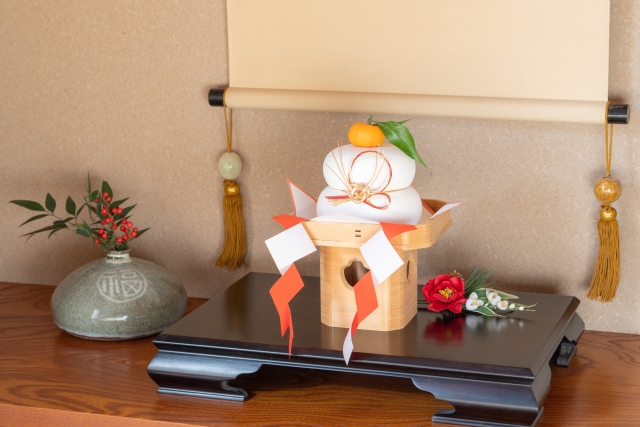
Kagami mochi is one of Japan’s most iconic New Year decorations.
Placed in the home to welcome the New Year deity, it represents purity, continuity, and good fortune.
This guide explains what kagami mochi is, the meaning behind its shape, why a “daidai” fruit sits on top, and how modern versions have changed.
What Is Kagami Mochi?
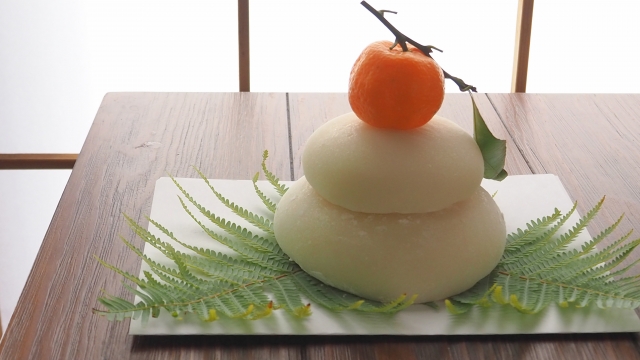
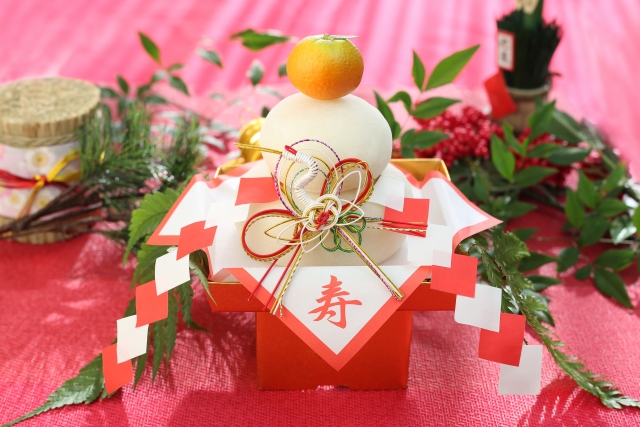
Kagami mochi is a traditional New Year offering consisting of two stacked rice cakes with a citrus fruit on top.
The decoration is displayed from late December until Kagami Biraki, a ceremonial “opening” in early January.
The two mochi symbolize harmony between the old year and the new, and the offering invites the New Year deity to bless the household.
Origins and Cultural Background

The shape of kagami mochi resembles a round bronze mirror (“kagami”) used in ancient Shinto rituals.
Mirrors were believed to hold spiritual power and reflect purity.
By offering this form of mochi, households presented a sacred “mirror” of gratitude and hope for the year ahead.
Kagami mochi also reflects the Japanese value of seasonal boundaries.
Displaying it marks the clear transition from the old year to the new, an important cultural rhythm in Japan.
The Meaning Behind the Shape
- The two mochi represent the past year and the coming year, layered to “stack blessings.”
- The round shape symbolizes completeness and harmony.
- The stack reflects the idea of “renewing life” through gratitude and offerings.
The Daidai: Not an Orange After All
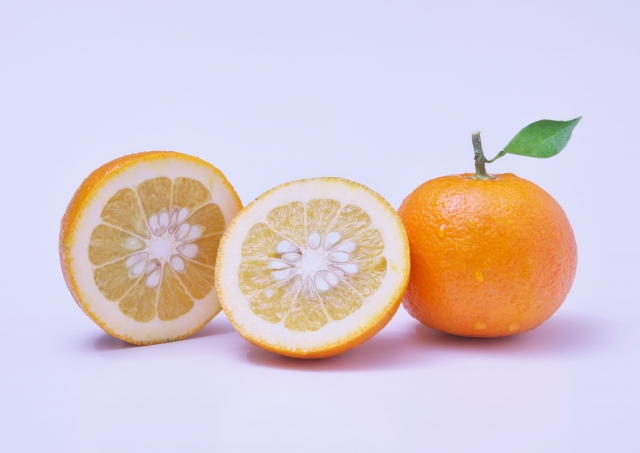
Although many people assume the fruit on top is an orange, it is traditionally a daidai, a bitter citrus fruit.
Its name means “generation to generation,” as the fruit stays on the tree for multiple years without falling.
For this reason, the daidai symbolizes:
- family continuity
- prosperity over generations
- longevity and good fortune
However, daidai is not commonly eaten fresh, and modern homes often use a mandarin orange instead.
Small store-bought kagami mochi frequently include a plastic orange for convenience and stability.
How Kagami Mochi Has Changed in Modern Japan
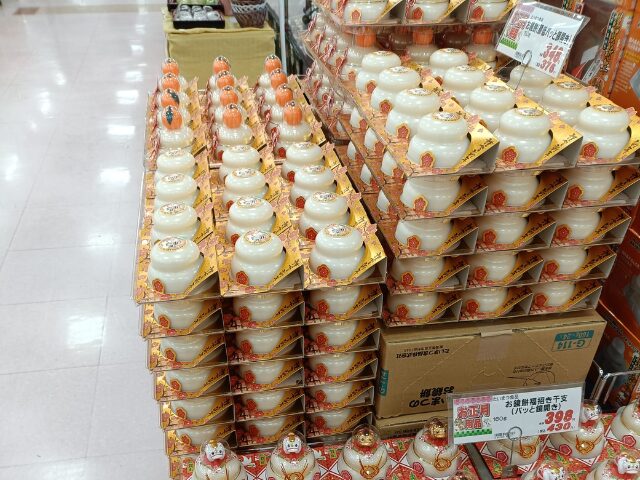
Traditional fresh mochi grows mold easily, especially in warm homes.
To prevent this, most modern kagami mochi are wrapped in plastic.
Some versions contain individually packaged cut mochi inside, allowing families to eat them conveniently after Kagami Biraki.
In many households today:
- the mochi is vacuum-packed
- the fruit on top is plastic
- the inside may include shelf-stable kirimochi
The important part is not the ingredients but the act of offering the form of kagami mochi to welcome the New Year deity.
When Do You Display Kagami Mochi?
Most households place it after Christmas, typically between December 26 and 28.
The decoration stays in place until Kagami Biraki, traditionally celebrated on January 11.
Kagami Biraki: Opening the Mochi

Kagami Biraki (“opening the mirror”) is the ritual of breaking and eating the mochi.
Although tradition prefers not to use a knife, many modern families do use one because the mochi is very hard to break by hand.
Eating the mochi symbolizes absorbing the New Year deity’s blessing for health and prosperity.
FAQ: Kagami Mochi Explained

Why is kagami mochi round?
It resembles ancient ritual mirrors and represents harmony and spiritual purity.
Why are there two mochi?
They symbolize the old year and the new year, layered together to “stack good fortune.”
Why use a daidai?
The daidai stays on the tree for years, symbolizing generational prosperity.
Why is modern kagami mochi wrapped in plastic?
Because fresh mochi molds quickly.
Plastic versions are cleaner, safer, and last the entire holiday season.
Can you eat the mochi inside?
Yes. Many modern kagami mochi contain packaged kirimochi that can be cooked safely.
Do all families display kagami mochi?
Yes, it is very common.
Kagami mochi is inexpensive, widely available, and culturally important in Japanese homes.
Summary
Kagami mochi is more than a decoration — it is a New Year offering inviting blessings, prosperity, and continuity.
From the symbolic daidai to the modern plastic-wrapped versions, kagami mochi reflects both tradition and the realities of contemporary life.

