Ingredients & Fermentation

What Is Dashi? The Japanese Soup Stock That Builds Umami

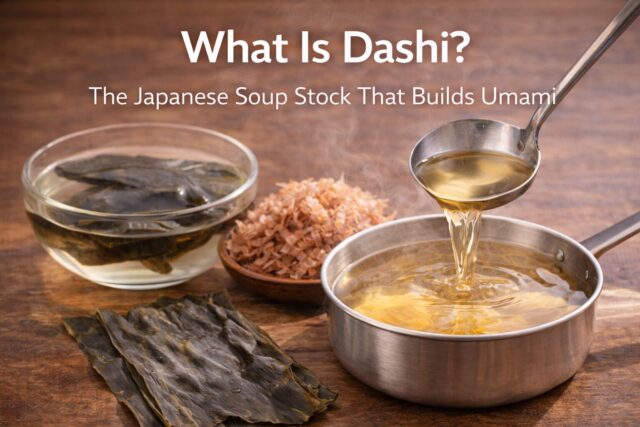
Japanese dashi soup stock made from kombu and katsuobushi, the foundation of umami in Japanese cooking
Dashi is the traditional Japanese soup stock that forms the flavor foundation of many dishes. By extracting natural umami from ingredients such as kombu seaweed, dried bonito flakes, sardines, or mushrooms, dashi creates a clean and balanced broth that supports rather than overwhelms other ingredients.Unlike many Western stocks that simmer for hours, most types of dashi are prepared quickly and rely on the natural synergy of umami compounds. This simple broth forms the base of dishes such as miso soup, noodle broths, and simmered vegetables.


Many Japanese dishes appear simple at first glance. A bowl of miso soup, a clear noodle broth, or a plate of simmered vegetables may look light and understated. Yet the flavor often feels surprisingly deep.
In many cases, that depth comes from dashi, the traditional broth that forms the backbone of Japanese cooking. Rather than relying on heavy sauces or long cooking times, Japanese cuisine often builds flavor by carefully extracting umami from a few ingredients.Understanding dashi helps explain how Japanese food can taste rich and satisfying while still appearing clean and delicate.


What Is Dashi?

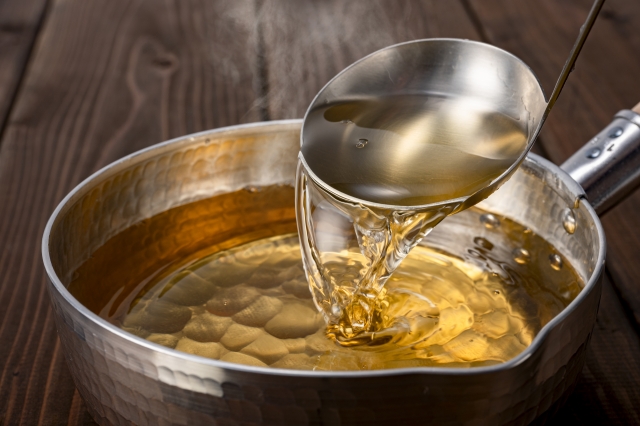
Clear golden dashi broth being poured from a ladle into a pot

Freshly prepared dashi has a clear golden color and delicate aroma.

Dashi is a traditional Japanese soup stock made by extracting flavor from ingredients rich in umami. The broth is usually light in color, clear in appearance, and subtle in aroma, yet it provides the foundation for many Japanese dishes.

Unlike Western stocks that often rely on bones and long simmering, most types of dashi are prepared quickly. The goal is not to create a heavy broth but to draw out clean umami that enhances other ingredients.


Why Dashi Is Central to Japanese Cooking
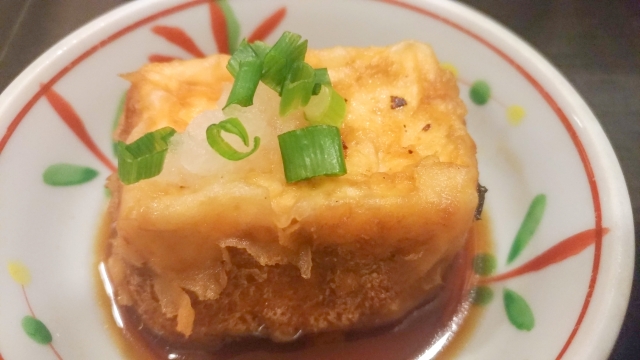
Agedashi tofu served in a light dashi-based sauce

Many Japanese dishes rely on dashi to create depth of flavor without heavy seasoning.

Japanese cuisine often emphasizes balance rather than strong seasoning. Instead of relying heavily on spices or fats, many dishes build flavor through broth.

Dashi provides this foundation. Its natural umami allows ingredients such as tofu, vegetables, noodles, or fish to express their own flavors without being overwhelmed.

Because of this approach, even dishes that appear simple can taste deeply satisfying.


The Main Ingredients of Dashi
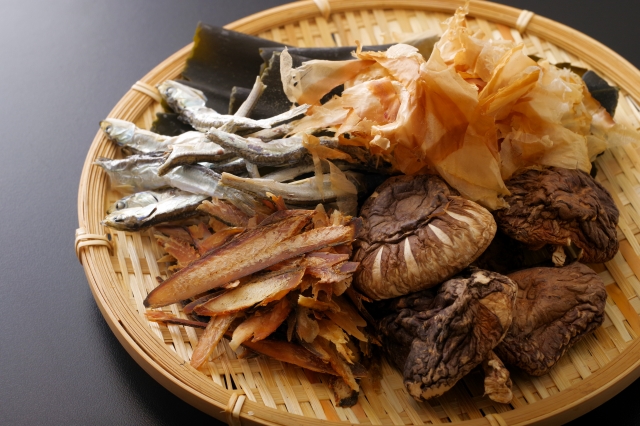
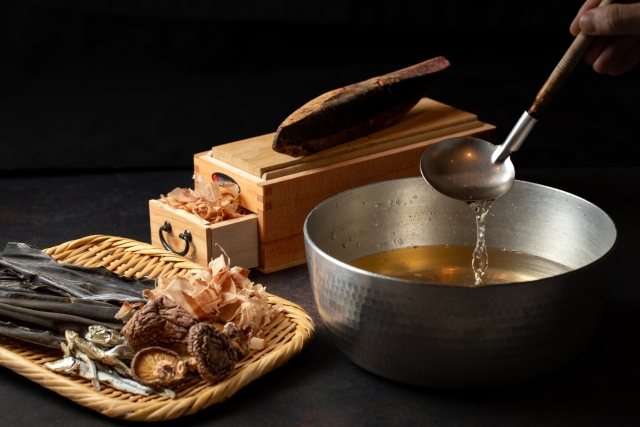
Traditional dashi ingredients including kombu, katsuobushi, niboshi, and dried shiitake mushrooms

Traditional dashi ingredients including kombu, katsuobushi, niboshi, and dried shiitake mushrooms

Several ingredients are commonly used to make dashi, each contributing a different type of umami.

  • Kombu (kelp) — provides clean, gentle umami from glutamate
  • Katsuobushi (dried bonito flakes) — adds aromatic fish-based depth
  • Niboshi (dried sardines) — produces a stronger, rustic flavor
  • Dried shiitake mushrooms — create rich vegetarian umami


How Dashi Is Made
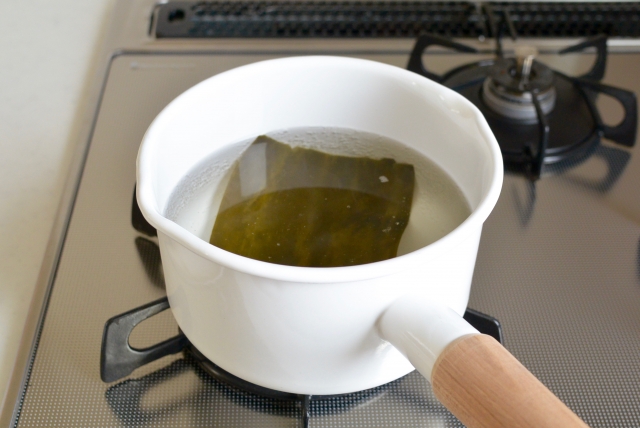
Kombu soaking in water to make kombu dashi

Kombu releases glutamate, one of the main sources of umami.

Although there are many variations, the basic process is simple. Ingredients are steeped in water to gently extract umami.

For example, kombu is heated slowly and removed just before boiling to prevent bitterness. Bonito flakes may then be added briefly before the broth is strained.

This careful extraction helps maintain the clarity and delicate aroma that define traditional dashi.


Why Japanese Broth Looks Clear

Preparing dashi using kombu and katsuobushi in a traditional Japanese kitchen

One characteristic of traditional dashi is its clarity. Unlike many Western stocks that simmer for hours and become cloudy, Japanese broth is usually light and transparent.

This comes from the way dashi is prepared. Instead of prolonged boiling, ingredients are gently steeped to extract umami while avoiding excess fats, proteins, and particles that can cloud the broth.

The result is a broth that looks simple and clear but still carries deep savory flavor.


Different Types of Dashi

Japanese cooking uses several kinds of dashi depending on the dish and the desired flavor.

  • Kombu dashi — mild vegetarian broth made from kelp
  • Katsuobushi dashi — fish-based broth using bonito flakes
  • Niboshi dashi — stronger broth made from dried sardines
  • Shiitake dashi — earthy broth made from dried mushrooms


Awase Dashi: The Power of Combined Umami
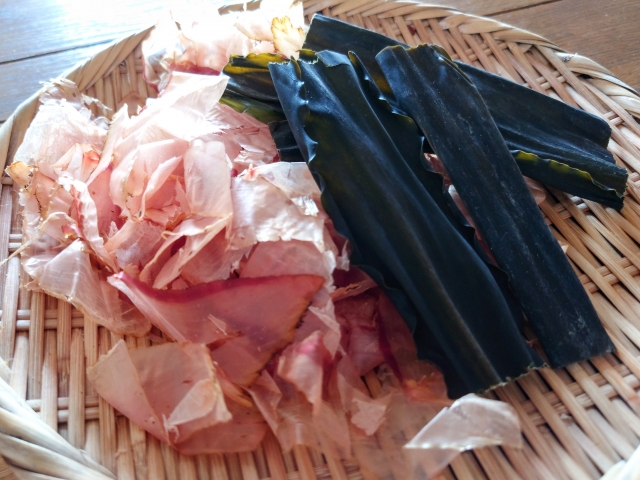
Awase dashi made by combining kombu and katsuobushi

One of the most important ideas in Japanese broth-making is awase dashi, or combined dashi. This technique blends different ingredients to create deeper flavor than any single ingredient could produce alone.

A classic example combines kombu and katsuobushi. Kombu provides glutamate, while bonito flakes contain inosinate. When these compounds are combined, the umami sensation becomes dramatically stronger.

Because of this effect, awase dashi has become the most widely used type of broth in Japanese cooking.


Ichiban Dashi and Niban Dashi

Traditional cooking sometimes extracts broth in multiple stages.

Ichiban Dashi

Ichiban dashi, or “first broth,” is the delicate stock made from the first extraction of kombu and katsuobushi. It is clear, aromatic, and often used in refined dishes such as clear soups.

Niban Dashi

After the first broth is made, the ingredients can be simmered again to produce niban dashi, or second broth. This version is stronger and more robust, making it suitable for everyday dishes such as miso soup or simmered foods.


Regional Variations of Dashi

Map of Japan showing different regional food cultures

Map of Japan showing different regional food cultures

Different regions of Japan have developed their own preferences for broth depending on local ingredients and culinary traditions. Even when dishes look similar, the balance between dashi and soy sauce can vary across the country.

Eastern Japan

Soba noodles served in a darker soy sauce–based broth typical of eastern Japan

Soba noodles served in a darker soy sauce–based broth typical of eastern Japan

In eastern Japan, especially around Tokyo, noodle soups such as soba often use darker broth with a stronger soy sauce flavor. The color appears deeper and the taste tends to be more assertive.

Western Japan

Udon noodles served in a clear dashi broth typical of western Japan

Kansai-style noodle soup often highlights the aroma of dashi.

In contrast, many parts of western Japan, including Osaka and Kyoto, prefer lighter-colored broths where the aroma of dashi itself is more prominent. This style is often associated with udon culture in the Kansai region.

Central Japan

Kishimen noodles in a soy sauce and dashi-based broth from Nagoya

Central Japan often blends eastern and western broth styles.

Between these styles, regions such as central Japan sometimes show a mixture of both approaches. For example, in Nagoya and the Tokai region, noodle dishes like kishimen may have a broth that feels slightly stronger in soy sauce than Kansai-style soups while still keeping a clear dashi flavor.

These differences illustrate that dashi is not a single fixed recipe. Across Japan, cooks adjust the balance of broth and seasoning to suit local tastes. Regional differences in broth are one reason why traveling across Japan can feel like discovering familiar dishes with subtly different personalities.


Dashi in Everyday Japanese Food

Japanese simmered vegetables cooked in a dashi-based broth

Dashi is widely used in simmered dishes.

Dashi forms the base of many familiar dishes including miso soup, udon and soba noodle broths, dipping sauces, and simmered foods.

Because the broth is light and balanced, it enhances ingredients rather than masking them. Even simple dishes such as simmered vegetables or tofu can feel complete and satisfying when supported by well-made dashi.


Modern Dashi and Instant Broth

Granulated dashi powder used for quick preparation of Japanese soup stock

Traditional dashi made from scratch produces the clearest aroma and flavor, but preparing it regularly requires ingredients, attention, and time.

For everyday cooking, many modern kitchens rely on convenient options such as granulated dashi powder or umami seasonings. These products allow cooks to quickly add familiar flavor while maintaining the taste associated with Japanese home cooking.

In this way, modern dashi products represent a practical adaptation of traditional techniques.


Author’s Note

Tempura udon noodles served in hot dashi broth

Dashi broth forms the base of many noodle soups in Japan.

For many people in Japan, the taste of dashi is closely connected to everyday meals. A bowl of miso soup, a noodle broth, or simmered vegetables often begins with the quiet flavor of dashi.

Personally, I have always enjoyed the lighter Kansai-style broths where the aroma of dashi stands out clearly. Tasting a well-balanced broth at a good udon or soba shop often reminds people how much depth can exist in something that looks almost transparent.


Frequently Asked Questions

Cat teacher illustration introducing FAQ section

What is dashi made from?

Traditional dashi is commonly made from ingredients such as kombu seaweed, dried bonito flakes, dried sardines, or dried shiitake mushrooms.

Is dashi the same as broth?

Dashi is a type of broth, but it differs from many Western broths because it is typically lighter and made through quick extraction rather than long simmering.

Is dashi vegetarian?

Some types of dashi are vegetarian. Kombu dashi and shiitake dashi contain no animal ingredients and are commonly used in Buddhist temple cuisine.

What is awase dashi?

Awase dashi is a broth made by combining ingredients such as kombu and bonito flakes. The combination of their umami compounds creates deeper flavor than either ingredient alone.

Why is dashi so clear?

Dashi is usually made through gentle extraction rather than long boiling. This helps maintain the broth’s clear appearance and delicate aroma.


Related Reading on YUNOMI

  • この記事を書いた人

YUNOMI

The name comes from the casual phrase “you know mean?” — something people say when sharing small stories. It sounds just like yunomi (a Japanese teacup), which also represents warmth and everyday life. That’s exactly what this blog is about: sharing small, warm moments of Japanese culture that make you say, “Ah, I get it now.” Written by YUNOMI A Japanese writer sharing firsthand insights into Japanese daily life, culture, and seasonal traditions.

-Ingredients & Fermentation
-, , , ,