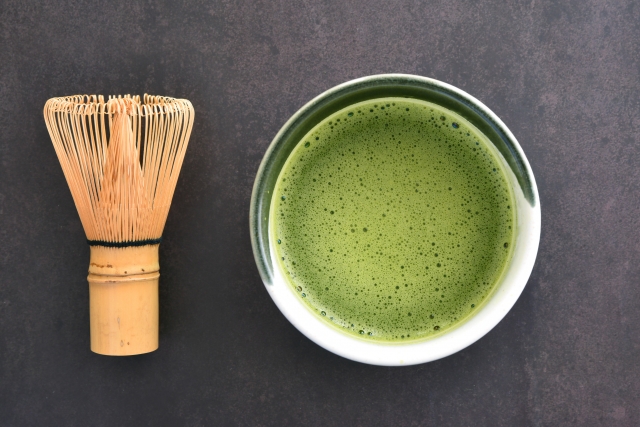
So which is matcha supposed to be—bitter or sweet?
The answer is both.
Matcha contains several different taste elements at the same time. What makes good matcha enjoyable is not the absence of bitterness, but the way bitterness, astringency, umami, and gentle sweetness balance one another.
Understanding that balance also explains why the way matcha is grown and prepared can change how it tastes.
Quick Summary
- Balanced Flavor: Matcha naturally contains bitterness, astringency, umami, and a mild sense of sweetness.
- Different Compounds: Caffeine and catechins contribute bitterness and astringency, while amino acids such as L-theanine are associated with umami and a softer taste.
- Shading Matters: Tea plants used for matcha are shaded before harvest, changing the chemical balance of the leaves.
- Preparation Matters: Water temperature, concentration, freshness, and matcha quality can all change how bitter or mellow the tea tastes.
Is Matcha Supposed to Taste Bitter?
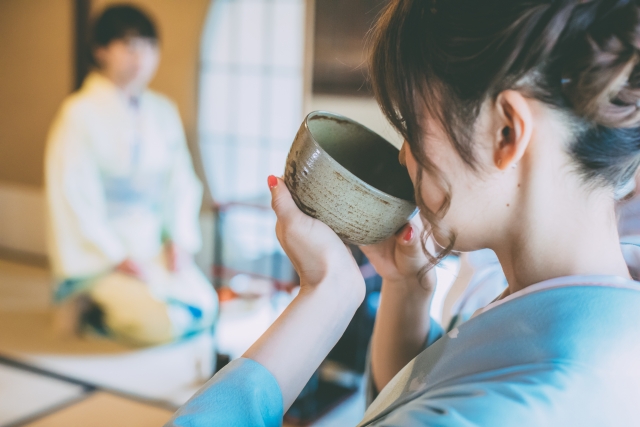
Yes. A certain amount of bitterness is a natural part of matcha.
This can sometimes be confusing because matcha is often described in English as "sweet," "smooth," or "creamy." Those descriptions do not mean that traditional matcha tastes sweet like sugar.
A good bowl of matcha can still have noticeable bitterness.
The difference is that the bitterness should not necessarily dominate everything else. Alongside it, you may notice savory umami, vegetal flavors, mild astringency, and a softer sweetness that becomes more apparent as the tea lingers in your mouth.
This is why simply saying that "good matcha is sweet and bad matcha is bitter" is too simplistic.
Some excellent matcha has a clear bitter edge. What matters more is how that bitterness fits into the overall flavor.
What Creates Matcha's Bitterness, Sweetness, and Umami?
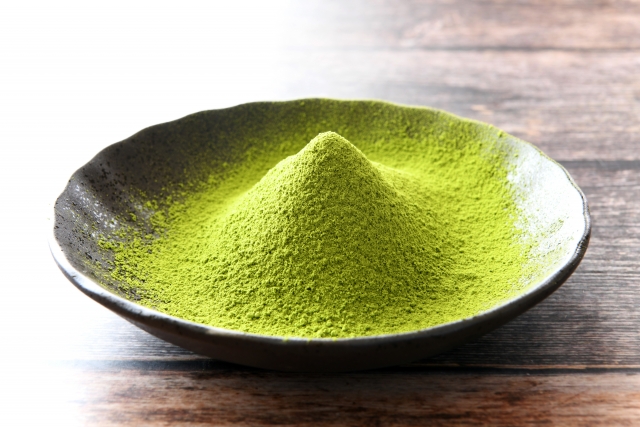
Several compounds in tea contribute to the way matcha tastes.
A simple way to think about them is:
- Bitterness: Caffeine and catechins, including EGCG, contribute to matcha's bitter character.
- Astringency: Catechins are also largely responsible for the dry, puckering sensation known as astringency.
- Umami: L-theanine, glutamate, and other amino acids contribute to matcha's savory, rounded taste.
- Gentle sweetness: Amino acids and the overall balance of the tea can create a softer, mildly sweet impression.
These categories are useful, but real tea is more complicated than this simple breakdown.
You do not taste caffeine, catechins, or L-theanine separately. You experience them together, along with aroma, texture, temperature, and many other compounds in the leaf.
That interaction is why two matcha powders can contain the same general types of compounds but still taste noticeably different.
Matcha Sweetness Is Not Sugar Sweetness
This distinction is especially important for beginners.
When tea producers or experienced drinkers describe matcha as "sweet," they usually do not mean the obvious sweetness of sugar, fruit, or dessert.
The sweetness is much more subtle.
It can feel like softness around the bitterness, a mellow finish, or a gentle sweetness that becomes noticeable after the stronger flavors fade.
Someone drinking unsweetened matcha for the first time may wonder where the supposed sweetness is.
That is perfectly understandable.
Learning to notice matcha's sweetness is often less about finding a sugary flavor and more about recognizing the balance surrounding its bitterness and umami.
How Cultivation and Preparation Affect Matcha's Flavor
The taste of matcha does not come from one ingredient or one stage of production.
How the tea is grown, processed, and prepared all influence what you eventually taste in the bowl.
How Does Shading Change Matcha's Flavor?
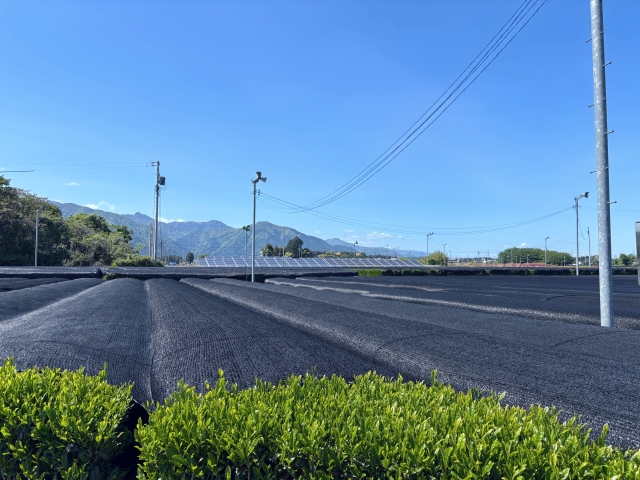
Matcha begins with tea leaves grown specifically for tencha, the tea that is later ground into matcha.
Before harvest, the tea plants are shaded from direct sunlight.
This is one of the most important reasons matcha develops its distinctive flavor.
Shading changes how the plant grows and affects the balance of compounds in the leaves. In particular, shaded cultivation helps preserve amino acids associated with umami while changing the formation of compounds related to bitterness and astringency.
The result is not a tea without bitterness.
Instead, shading helps create the unusually rich balance of umami, bitterness, and softness that people associate with good matcha.
This is also why simply grinding ordinary green tea into a fine powder does not automatically produce matcha.
Matcha begins with how the tea plant is grown and processed, long before the leaves reach a stone mill.
Why Does Matcha Taste More Intense Than Brewed Green Tea?
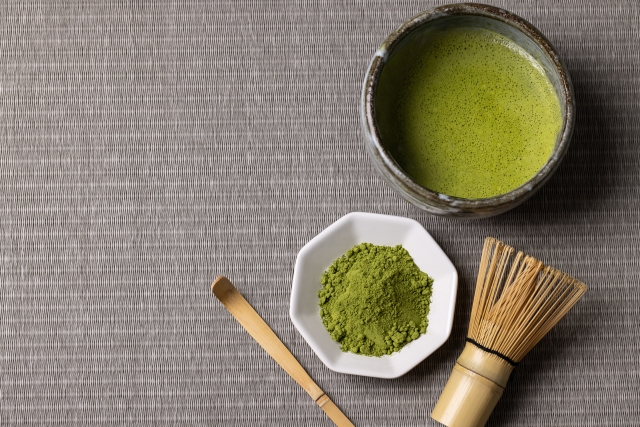
When you make sencha or another loose-leaf green tea, hot water extracts soluble compounds from the leaves. The leaves themselves normally remain in the teapot or strainer.
Matcha is different.
The tencha has been ground into extremely fine particles and whisked into water. Those particles remain suspended in the bowl and are consumed as part of the drink.
That gives matcha a dense, concentrated character that is very different from an ordinary tea infusion.
It also helps explain why bitterness, umami, aroma, and texture can all feel more immediate.
This does not mean that every flavor compound simply becomes stronger because the leaf is powdered. Rather, the drinking experience itself is fundamentally different: matcha is a suspension of finely ground tea particles, not just water that has been infused with leaves.
Does Water Temperature Change the Taste of Matcha?
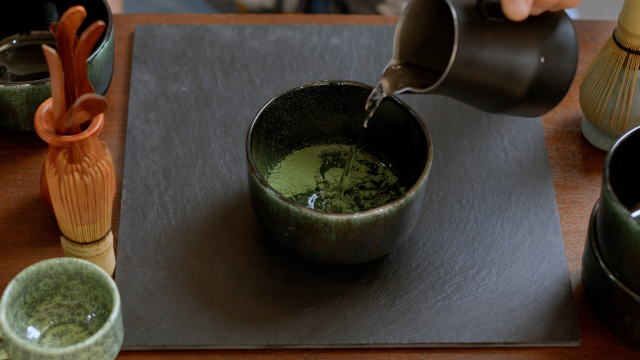
Yes.
Matcha is simple to prepare, but small changes can noticeably affect the result.
Using very hot water can make its bitter and astringent character feel more prominent. Slightly cooler water can make the same matcha seem softer and allow its umami and gentle sweetness to stand out more clearly.
This is one reason boiling water is generally unnecessary for matcha.
The amount of powder and water also matters.
More matcha with less water produces a stronger bowl. More water makes the same powder feel lighter.
So if your matcha tastes unpleasantly bitter, the powder itself may not always be the problem.
Changing the water temperature or concentration can sometimes make a surprising difference.
Why Does Matcha Quality Make Such a Difference?
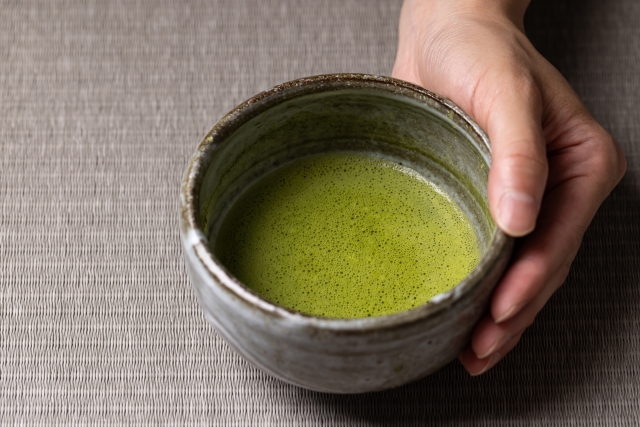
Not all matcha tastes the same.
The climate and growing conditions of the region, when the leaves are harvested, how skillfully they are processed, how fresh the matcha is, and how it has been stored can all influence the final flavor.
Matcha intended primarily for drinking often emphasizes a smoother balance of umami, aroma, bitterness, and sweetness.
Other matcha may have stronger bitterness or astringency. That does not automatically make it useless or "fake." A stronger matcha can work very well when combined with milk, sugar, chocolate, or other ingredients because its flavor remains noticeable.
This is one reason it can be misleading to judge matcha by a simple rule such as:
More bitter = lower quality.
Quality certainly affects flavor, but bitterness alone does not tell the whole story.
A better question is:
Does the bitterness feel balanced, or does it overwhelm everything else?
That distinction is much more useful when tasting matcha.
Why Is Matcha Often Served with Something Sweet?
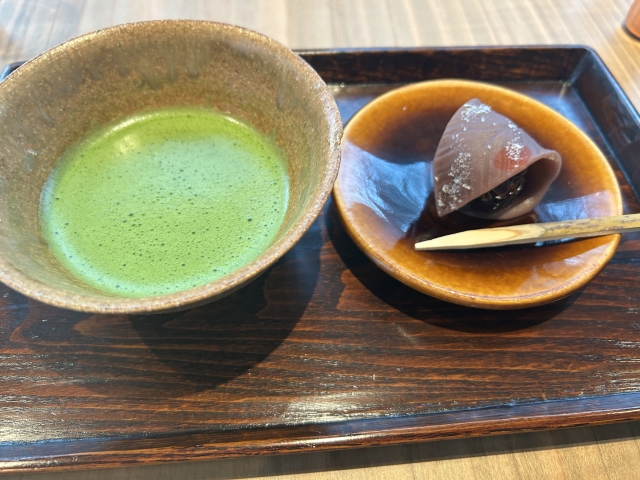
Traditional Japanese sweets and matcha make a very natural pairing.
A sweet wagashi can leave sweetness in the mouth before you drink the tea. The bitterness and umami of matcha then create contrast, preventing the sweetness from becoming overwhelming.
The matcha tastes different because of the sweet, and the sweet tastes different because of the matcha.
Neither needs to hide the other.
This is quite different from adding sugar directly to the bowl. Traditional matcha itself is normally unsweetened; the contrast comes from enjoying the tea and sweet separately.
The same basic idea helps explain why matcha works so well in modern foods such as ice cream, chocolate, cakes, and other desserts. Its natural bitterness gives sweet foods something to push against rather than simply adding another layer of sweetness.
What Matcha's Flavor Reveals About Japanese Tea
Matcha is a useful reminder that bitterness is not always something a food or drink needs to eliminate.
A good bowl of matcha can be bitter.
It can also be savory, vegetal, aromatic, slightly sweet, and deeply satisfying at the same time.
The goal is not necessarily to isolate one pleasant flavor and remove everything else.
It is the balance between them that gives matcha its character.
For someone accustomed to sweetened matcha lattes or matcha desserts, drinking plain matcha can therefore be a very different experience. The bitterness may be the first thing you notice.
But it does not have to be the last.
As you become familiar with matcha, the quieter flavors around that bitterness—especially umami and gentle sweetness—often become easier to recognize.
And that balance is a large part of what makes matcha taste like matcha.
Author's Note
In Japan, matcha is famous, but that does not mean most people drink traditional whisked matcha every day.
Many Japanese people are probably more likely to encounter matcha through sweets, ice cream, cafés, or products labeled "matcha flavor" than by preparing a bowl at home.
That can create an interesting gap between the familiar image of matcha and the taste of plain matcha itself.
If you are used to matcha desserts or lattes, your first bowl of unsweetened matcha may seem surprisingly bitter.
I think that contrast is part of what makes trying real matcha interesting. It shows that the bitterness found in matcha sweets is not an unwanted flaw—it is one of the characteristics that make matcha work so well with sweetness in the first place.
FAQ
Is matcha supposed to taste sweet?
Matcha can have a gentle natural sweetness, but it does not taste sweet like sugar. Its sweetness is subtle and is usually experienced together with umami, bitterness, and astringency.
Why is my matcha extremely bitter?
The matcha itself may naturally be strong, but preparation also matters. Very hot water, too much powder, too little water, poor freshness, or differences in the tea's quality can all make bitterness more noticeable.
Does expensive matcha taste less bitter?
Higher-quality matcha made for drinking often tastes smoother and more balanced, with bitterness supported by umami and gentle sweetness. However, price alone is not a guarantee of flavor, and even excellent matcha can still have noticeable bitterness.
Does hotter water make matcha more bitter?
Hotter water can make bitter and astringent sensations more noticeable. Using somewhat cooler water often produces a softer-tasting bowl.
Why does matcha taste different from regular green tea?
Matcha is made from shaded tencha and consumed as finely ground tea particles suspended in water. Most Japanese green teas, such as sencha, are brewed and the leaves are removed. The cultivation, processing, and the way the tea is consumed all contribute to the difference.
Why does matcha taste good with sweets?
The bitterness and umami of matcha contrast with sweetness. This can make both the tea and the sweet taste more interesting without needing to sweeten the matcha itself.
Related Reading on YUNOMI
How Matcha Is Made from Tencha
Learn how shaded tea leaves become tencha before they are ground into matcha.
Why Is Matcha Used in Sweets?
See why matcha's bitterness and aroma make it especially effective in ice cream, chocolate, cakes, and other desserts.
Japanese Tea Ceremony
Discover the cultural setting in which traditional matcha preparation developed and how matcha is experienced as more than simply a drink.

