
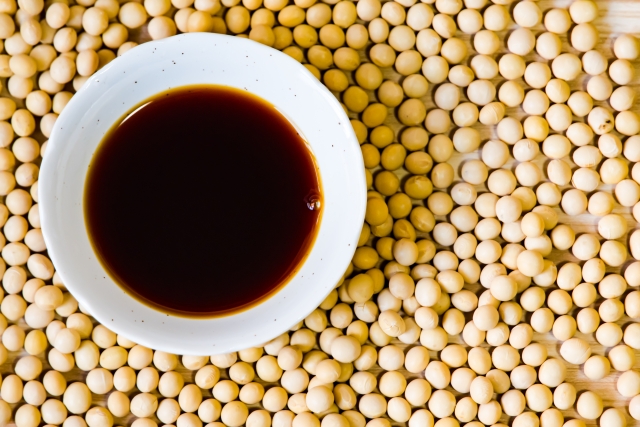
Tamari is a dark, rich Japanese soy sauce known for its concentrated umami, distinctive aroma, and strong connection to the food culture of central Japan.
Outside Japan, it is often introduced as a gluten-free alternative to ordinary soy sauce. Many tamari products do contain little or no wheat, but that description alone does not explain why someone might choose tamari even when gluten is not a concern.
Tamari has historical roots in the flavorful liquid associated with soybean-rich miso fermentation. Modern tamari, however, is generally brewed intentionally as its own type of soy sauce.
Compared with koikuchi shoyu, the soy sauce most commonly used in Japan, tamari usually contains a higher proportion of soybeans and much less wheat. This gives it a fuller body, deep color, and dense savory character.
It is especially well suited to sashimi, glazes, grilled foods, and other dishes in which the aroma and flavor of the soy sauce are meant to remain noticeable.
Quick Summary
- Tamari is a soybean-rich type of Japanese soy sauce.
- It has historical roots in the liquid associated with soybean miso fermentation.
- Modern tamari is brewed intentionally as its own soy sauce.
- Many products contain no wheat, but tamari is not automatically gluten-free.
What Is Tamari?
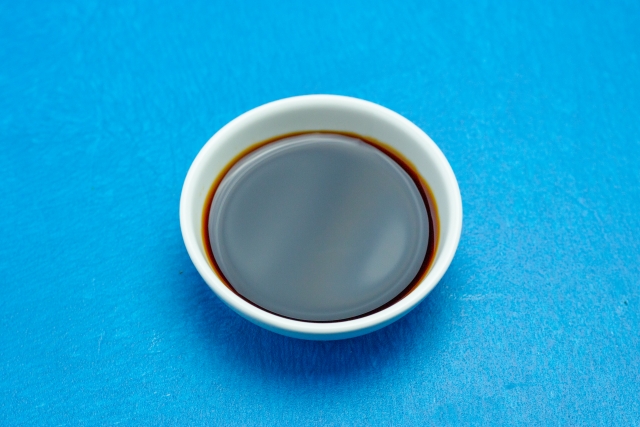
Tamari is known for its dark color, full body, and concentrated soybean-rich flavor.
Tamari is one of the five main categories of Japanese soy sauce, alongside koikuchi, usukuchi, saishikomi, and shiro shoyu.
It is made primarily from soybeans, with a small amount of wheat or sometimes none at all.
The Japanese name tamari comes from the idea of liquid that “collects” or “pools.” Historically, it was associated with the intensely flavorful liquid produced during the fermentation of soybean-rich miso.
Over time, this liquid developed into a seasoning of its own and eventually into the tamari soy sauce produced today.
Tamari is therefore related to both soy sauce and miso, but it is not simply another name for either one. It has its own flavor, regional traditions, production methods, and uses.
Many Japanese people recognize the name tamari, but outside the regions where it is traditionally produced, not everyone would be able to clearly explain how it differs from ordinary soy sauce. It may simply be understood as a darker or richer kind of shoyu.
For most Japanese households, koikuchi remains the standard bottle used for everyday cooking. Tamari is more often chosen for its particular character than used automatically in every dish.
How Is Tamari Connected to Miso?
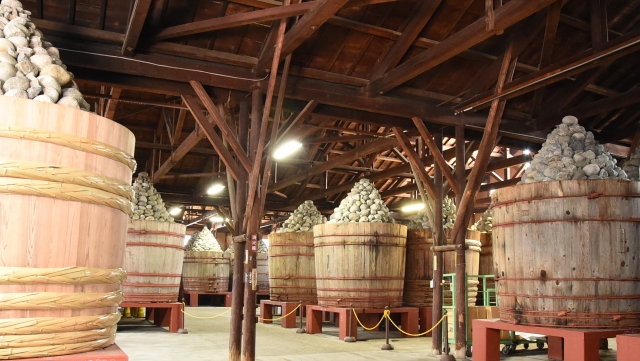
Tamari developed in the same fermentation culture as mame miso, which is traditionally matured in large wooden vats under heavy stones in the Tokai region.
The relationship between tamari and miso is historical.
Early forms of tamari are linked to the flavorful liquid that emerged as soybean-rich miso fermented and matured. This liquid carried salt, aroma, and dissolved flavors from the soybeans, making it useful as a powerful seasoning.
The connection is especially strong with mame miso, the dark soybean miso associated with the Tokai region of central Japan.
However, modern tamari is not usually liquid drained directly from finished miso.
Today, it is generally brewed intentionally as a separate product. Producers prepare the ingredients and manage fermentation specifically to create soy sauce rather than simply collecting a byproduct.
Its history remains rooted in miso fermentation, but modern tamari has developed into an independent soy sauce tradition.
How Is Modern Tamari Made?
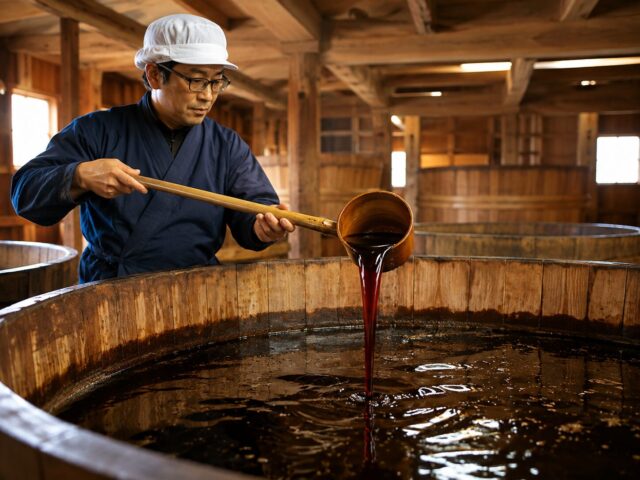
Modern tamari is brewed intentionally as its own soy sauce and carefully managed during fermentation and maturation.
Modern tamari follows the same basic fermentation principles as other Japanese soy sauces, but it uses a different balance of ingredients.
Soybeans, sometimes with a small amount of wheat or another grain, are used to prepare koji. The koji is then combined with saltwater to form a dense fermentation mash.
Tamari mash generally contains a high proportion of soybeans and less added liquid than the mash used for common koikuchi soy sauce. After fermentation and maturation, the liquid is separated from the solids and prepared for bottling.
Methods vary between producers. Some tamari is slowly matured using traditional techniques, while other products are made through more standardized processes.
The important point is that modern tamari is brewed deliberately as tamari. It is not usually just liquid taken from a batch of finished miso.
How Does Tamari Differ from Koikuchi Soy Sauce?
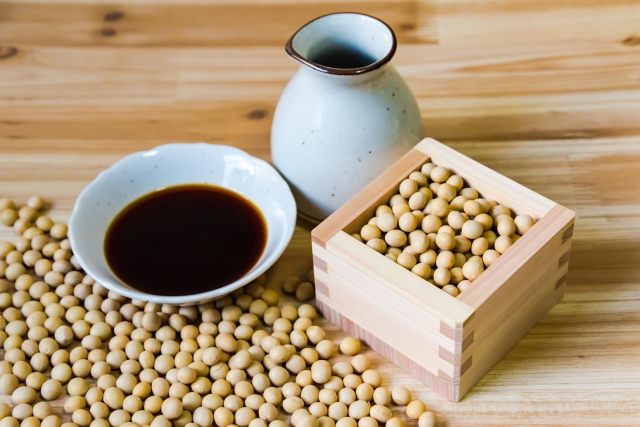
Tamari is made with a higher proportion of soybeans than common koikuchi soy sauce, giving it a darker color and fuller soybean-rich flavor.
When people in Japan refer simply to shoyu, they usually mean koikuchi shoyu.
Koikuchi is generally made with roughly similar amounts of soybeans and wheat. Tamari contains a much higher proportion of soybeans and much less wheat.
This difference changes the balance of the finished sauce.
Koikuchi has a broad aroma and a balanced mixture of saltiness, umami, sweetness, and acidity. It is versatile enough for soups, simmered dishes, marinades, dipping sauces, and most everyday cooking.
Tamari is usually darker, fuller-bodied, and more concentrated in soybean-derived umami. Its aroma can feel deeper and more fermented, while its flavor often has a dense, rounded quality.
It Is Not Simply “Stronger Soy Sauce”
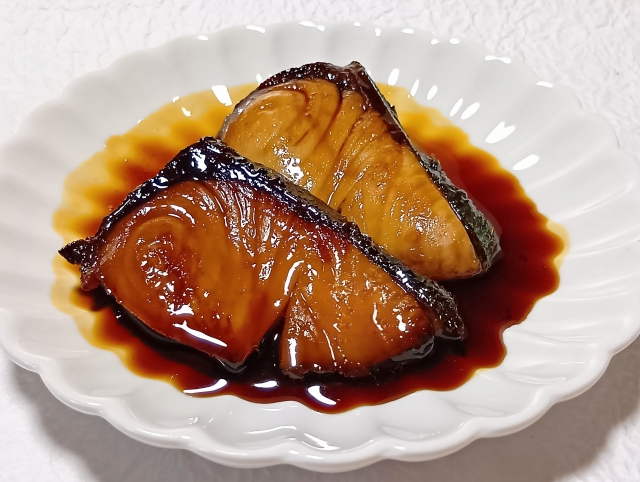
Tamari works especially well in glazes, where its dark color, rich aroma, and concentrated umami create a glossy finish.
Salt levels vary by product, and tamari does not necessarily contain less sodium. Its concentrated umami may sometimes make the flavor feel less sharply salty, but the nutrition label is the best way to compare individual products.
When heated, tamari can also create a dark reddish-brown color and glossy surface. This makes it particularly appealing in glazes and grilled foods.
The two sauces can sometimes replace each other, but the result will not be identical. Tamari may make a dish darker, richer, and more soybean-forward, while koikuchi usually blends more quietly into a wider range of foods.
Is Tamari Always Gluten-Free?

No. Tamari is not automatically gluten-free.
Many products are made without wheat, but others contain a small amount. The word tamari identifies a type of soy sauce, not a guarantee that the product contains no gluten.
Anyone who must avoid gluten should check the ingredient list and look for a clear gluten-free statement or certification.
This is especially important outside Japan, where tamari is often marketed primarily as a gluten-free substitute for ordinary soy sauce.
Wheat-free tamari is useful for many consumers, but tamari is more than just a gluten-free option.
Tamari is also a regional Japanese seasoning with a distinctive aroma, rich soybean character, and history connected to miso fermentation.
How Is Tamari Used in Japanese Cooking?
Tamari can be used in many of the same ways as other soy sauces, but it is especially effective when depth, aroma, and color are important.
With Sashimi and Rich Fish
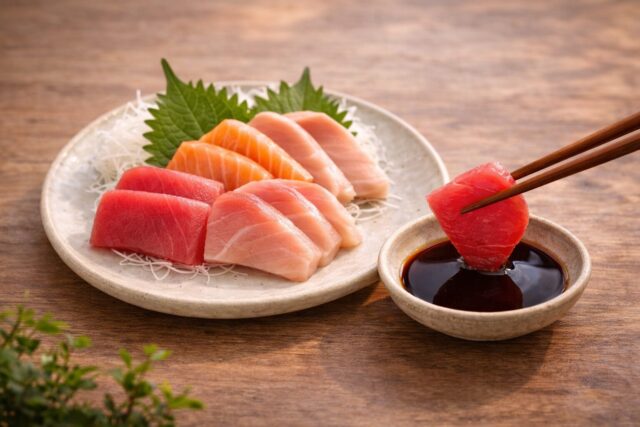
Tamari works especially well with sashimi, including tuna and rich fish, because its concentrated aroma and umami remain noticeable even in a small amount.
One of its most natural uses is as a dipping sauce for sashimi.
Its concentrated flavor works well with tuna and with rich, fatty fish such as buri, or Japanese amberjack. Tamari has enough body and aroma to remain noticeable beside the strong flavor and fat of the fish.
Because only a small amount may be needed to provide plenty of aroma and umami, the sashimi does not have to be soaked in soy sauce.
For Teriyaki, Grilled Foods, and Glazes
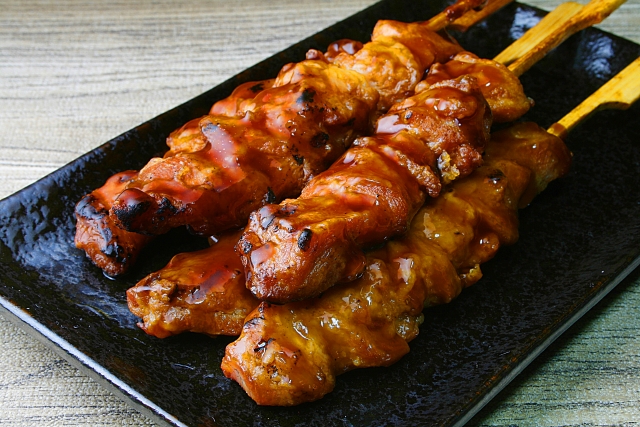
Tamari is well suited to glazes and grilled foods, where its dark color and rich aroma create a glossy finish.
Tamari is also well suited to teriyaki, marinades, grilled foods, and glazes. When heated, it can create a dark, glossy coating and a rich roasted aroma.
It has a traditional connection to senbei and arare as well, giving Japanese rice crackers a dark appearance and concentrated soy sauce flavor.
Tamari does not need to replace all the koikuchi in a dish. A small amount can be combined with other seasonings to add depth without making the entire dish too dark or heavy.
With Familiar Foods at Home
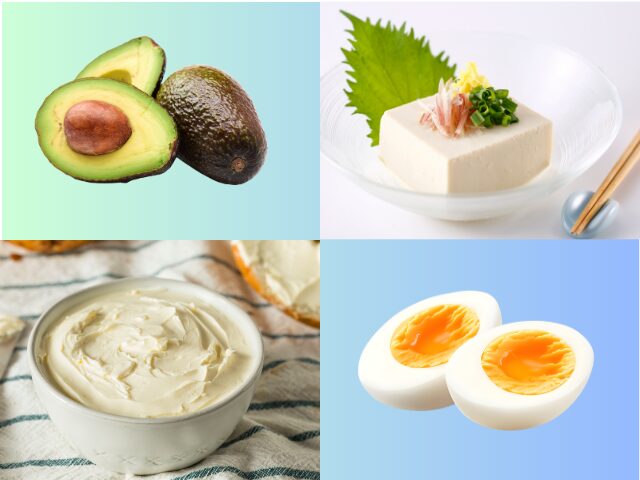
Tamari is also easy to enjoy outside traditional Japanese cooking.
A few drops can add savory depth to tofu, boiled eggs, avocado, cheese, or grilled vegetables. These mild or creamy foods provide a good background for tamari’s concentrated flavor.
This makes tamari practical for travelers as well. Someone who buys a bottle in Japan does not need to know how to prepare a complicated Japanese meal. It can be used immediately with familiar foods at home.
Tamari is not a superior version of ordinary soy sauce. It is a different tool.
Koikuchi is usually more versatile for general cooking, while tamari is valuable when its depth, aroma, dark color, and glossy finish suit the food.
Why Is Tamari Associated with Aichi and the Tokai Region?
Tamari is particularly associated with Aichi Prefecture and the wider Tokai region of central Japan.
Its Connection to Mame Miso
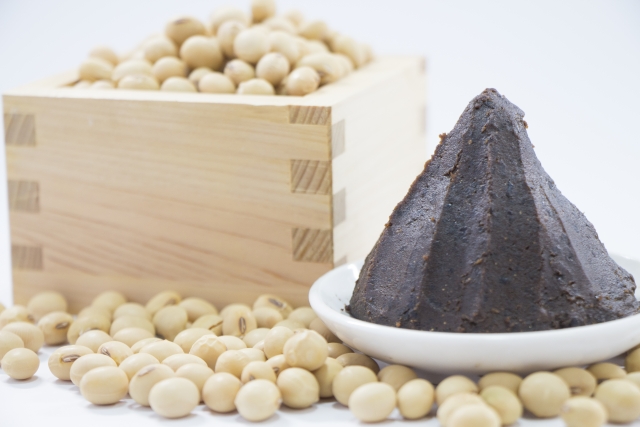
Tamari developed in close connection with mame miso, the dark soybean miso traditionally associated with the Tokai region.
This regional identity is closely connected to mame miso.
Unlike rice miso or barley miso, mame miso is made primarily from soybeans. Its dark color and deep fermented character help explain why tamari developed so strongly in the same region.
The flavorful liquid produced during mame miso fermentation helped form the early identity of tamari. As brewing methods became more controlled, producers in the Tokai region developed it into a distinct soy sauce tradition.
A Regional Fermentation Culture
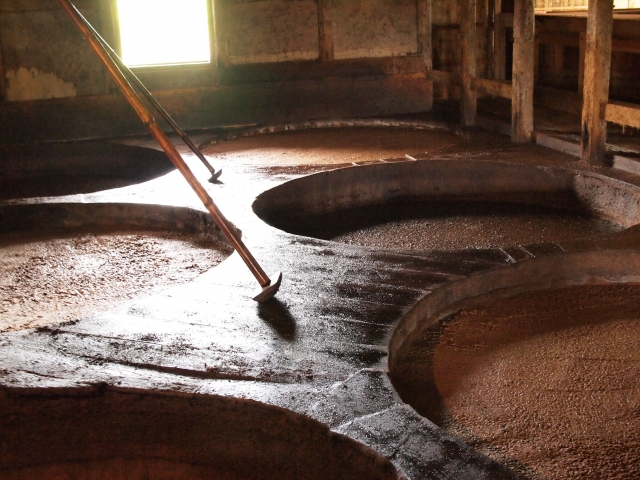
Tamari belongs to a wider fermentation culture in the Tokai region, where traditional breweries also produce foods such as mame miso, vinegar, and mirin.
Aichi also became known for other fermented seasonings, including vinegar and mirin. Tamari therefore belongs to a broader regional culture of fermentation rather than standing alone as an isolated specialty.
It also shows how Japanese fermentation culture can recognize value within an existing process and develop it into something with an identity of its own.
A flavorful liquid tied to miso fermentation was noticed, used, refined, and eventually brewed deliberately as a separate seasoning.
Modern tamari has changed considerably from its earliest form, but its name, ingredients, flavor, and regional roots still preserve that history.
A Hidden Japanese Seasoning for Travelers
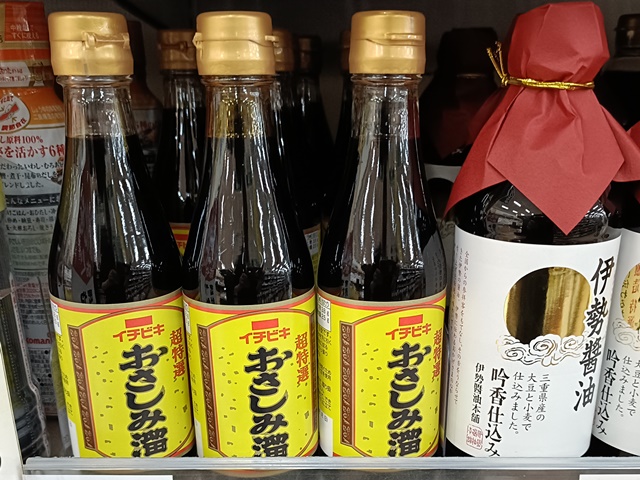
Tamari and sashimi soy sauces can be found in Japanese supermarkets, making them an accessible regional-style food souvenir for travelers.
Today, tamari can be purchased throughout Japan and overseas. However, it is not the soy sauce most Japanese households use every day.
Its presence is much stronger in the Tokai region, where tamari and mame miso remain closely connected to local food traditions.
This relative unfamiliarity is part of its appeal.
Tamari is less internationally familiar than ordinary Japanese soy sauce. Some people outside Japan know it only as a gluten-free substitute, while others may never have encountered it at all.
It offers travelers a chance to discover a regional Japanese seasoning with a long history, a distinctive flavor, and a surprisingly simple way to fit into everyday cooking.
It is unusual enough to feel like a discovery, but practical enough to use immediately after returning home.
Author’s Note
For me, tamari is especially good with sashimi.
It works naturally with tuna, but I also like it with rich, fatty fish such as buri. A lighter soy sauce can sometimes seem to disappear beside the fish, while tamari has enough depth and aroma to remain present.
I also think it is particularly well suited to teriyaki. When heated, its color, richness, and fermented aroma help create the glossy, savory character that makes the sauce appealing.
Because its flavor is concentrated, I rarely feel the need to use very much. A small amount can provide enough aroma and umami without covering the food in soy sauce.
Outside Japan, tamari is often introduced mainly as a gluten-free substitute. But even when gluten is not a concern, its depth, aroma, and ability to stand up to rich foods give it reasons to be chosen on its own merits.
If you see a small bottle of traditionally brewed tamari while traveling in Japan, it can make a practical food souvenir.
Its flavor is distinctly Japanese, but using it at home requires little explanation. Start with a few drops on sashimi, tofu, avocado, cheese, or grilled food and adjust from there.
FAQ
Is tamari made from miso?
Modern tamari is generally brewed as a separate soy sauce.
However, its historical roots are connected to the flavorful liquid produced during soybean-rich miso fermentation.
Is all tamari gluten-free?
No.
Many tamari products contain no wheat, but some contain a small amount. Check the ingredients and look for clear gluten-free labeling when necessary.
Does tamari contain less salt than ordinary soy sauce?
Not necessarily.
Sodium levels vary between products. Tamari’s strong umami may make it taste rounder, but the word tamari does not mean low-sodium.
Can tamari replace regular soy sauce?
Often, yes.
However, it may make a dish darker, richer, and more strongly flavored. It works particularly well in dipping sauces, marinades, glazes, and foods with rich flavors.
Is tamari good with sushi and sashimi?
Yes.
Its depth and aroma work particularly well with tuna and fatty fish. However, many different soy sauces and specially prepared sauces are used for sushi and sashimi in Japan.
Related Reading
- What Is Japanese Soy Sauce? A Guide to Shoyu and Its Main Types
- What Is Miso? How Fermented Soybean Paste Shapes Japanese Food
- How Soybeans Shape Japanese Food Culture
- Why Fermentation Matters in Japanese Food Culture

