Matcha appears everywhere in modern desserts, from ice cream and cakes to cookies, chocolate, parfaits, mochi, and countless other sweets in that familiar shade of green.
At first, the reason might seem simple: matcha tastes good with sugar. But that doesn't fully explain why it works so well as a dessert ingredient.
Unlike ordinary brewed tea, matcha isn't just an infusion — the powdered tea leaf itself becomes part of the food. It can bring bitterness, aroma, depth, and vivid green color all at once.
And in a good matcha dessert, the goal isn't simply to make the matcha flavor as strong as possible. The real goal is balance.
Matcha should remain recognizable, but so should the dessert itself.
Quick Summary
- Matcha works especially well in sweets because the powdered tea leaf itself can be mixed directly into food.
- Its bitterness and slight astringency add contrast to sugar and rich ingredients.
- Milk, cream, butter, and white chocolate can soften matcha, while matcha gives those ingredients more definition.
- Matcha adds flavor, aroma, and vivid green color at the same time.
- Chilled sweets, baked sweets, and Japanese wagashi bring out different sides of matcha.
- Good matcha sweets are about synergy, not simply making the tea flavor as strong as possible.
- The best matcha for a dessert depends on what kind of dessert you're making and which qualities of matcha you want to bring out.
Matcha Is More Than a Tea Flavor
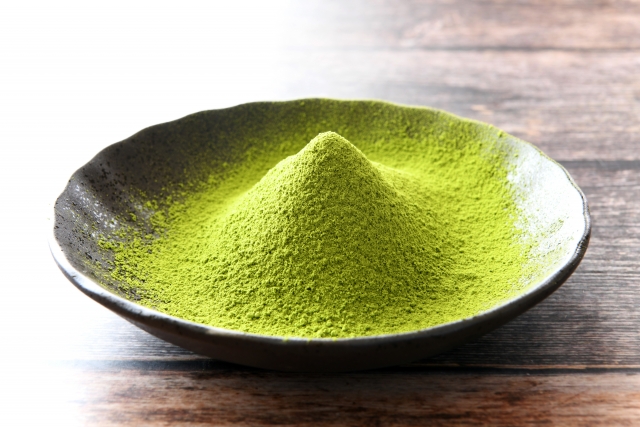
One of the biggest differences between matcha and ordinary brewed green tea is simple: the powdered tea leaf itself remains in what you eat or drink.
When sencha is brewed, water extracts part of the flavor from the leaves, and the leaves are then removed. Matcha works differently. Tencha leaves are processed and ground into an extremely fine powder that can be mixed directly into cream, chocolate, ice cream, bean paste, batter, or dough.
This makes matcha unusually useful as a dessert ingredient. You don't need to extract the flavor into water first — the tea itself becomes part of the food.
Its tiny particles act as small carriers of flavor. Because they're dispersed throughout the dessert, matcha remains present in each bite, giving it a different kind of presence from a dessert flavored only with brewed green tea.
It's also practical for baking. A concentrated tea infusion adds extra liquid to a recipe, while matcha can simply be mixed in as a dry ingredient. Heat can still soften its fresh aroma and dull its bright green color, but much of its deeper bitterness and tea character remains.
Why Does Matcha Work So Well with Sweetness and Dairy?
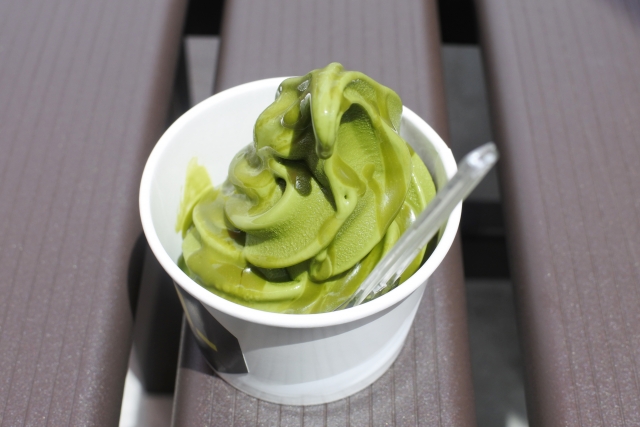
Straight matcha can be intense for beginners. Depending on the tea and how it's prepared, it may taste bitter, slightly astringent, vegetal, savory, or deeply tea-like.
Sugar changes that balance by softening some of matcha's sharper edges and making its deeper flavors easier to enjoy. But the relationship also works in the other direction: matcha gives sweetness contrast, helping rich desserts feel less heavy.
Dairy makes this relationship even clearer. Milk and cream soften the stronger side of matcha, while matcha gives creamy desserts more definition. That's why it works so naturally with ice cream, cream cheese, butter, and white chocolate.
White chocolate is especially interesting. It's rich and sweet but has little bitterness of its own, so matcha can remain clearly recognizable while the cocoa butter and sugar round out the tea.
The idea isn't always simply:
"We're making ice cream, so let's choose matcha as the flavor."
It can also work the other way around:
"How can ice cream help us express matcha in a new way?"
Sweetness, richness, temperature, and texture become tools for bringing out another side of the tea.
Different Desserts Bring Out Different Sides of Matcha
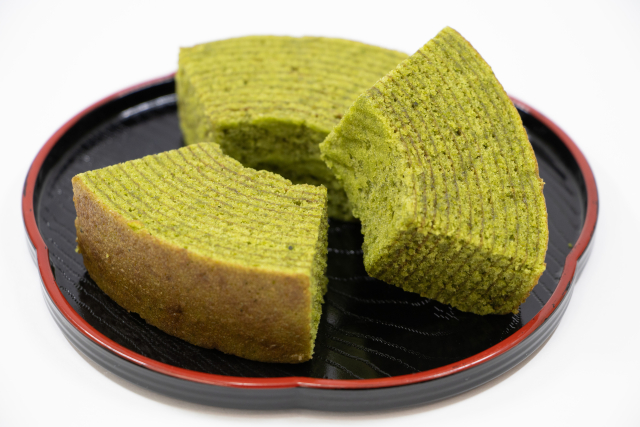
Matcha doesn't behave the same way in every dessert. In ice cream, mousse, cream, and other chilled sweets, its fresh aroma and vivid green color tend to stay especially noticeable.
Baked sweets are different. Cookies, cakes, financiers, and similar desserts expose matcha to more heat, so some of the fresh aroma may fade and the color may dull. In return, its deeper bitterness and tea character can become more noticeable.
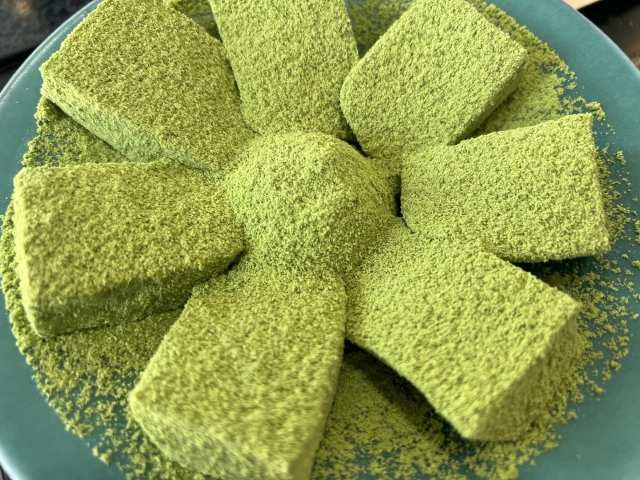
Japanese sweets show yet another side of matcha. Warabi mochi may be dusted with matcha or a matcha-based powder, letting the tea reach the nose and tongue more directly. Other sweets mix matcha into bean paste, agar-based confections, or soft doughs, where the tea becomes part of the dessert without relying on dairy or baking at all.
There is no single best way to use matcha. Different methods simply bring out different qualities.
Good Matcha Sweets Are About Synergy
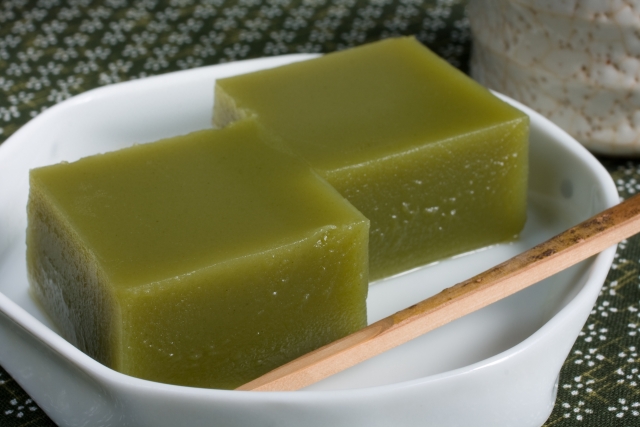
A strong matcha flavor isn't automatically a good matcha dessert. What matters is how the ingredients work together.
Matcha mizu-yokan is a good example. The sweet, earthy flavor of azuki should still be recognizable, while matcha adds its own aroma, bitterness, and depth.
If the matcha completely overwhelms the azuki, the character of the sweet is lost. If the azuki completely buries the matcha, there was little reason to add it in the first place.
The same principle applies to milk, cream, chocolate, and other ingredients.
Matcha shouldn't erase the dessert, and the dessert shouldn't bury the matcha.
The best combinations let both sides remain recognizable while creating something neither could achieve alone. That sense of synergy is more useful than simply asking whether matcha "goes well" with a particular ingredient.
Is Matcha Just a Green Food Coloring?
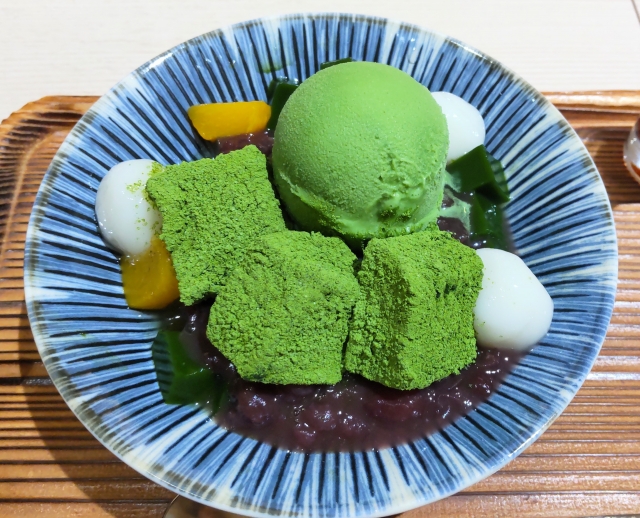
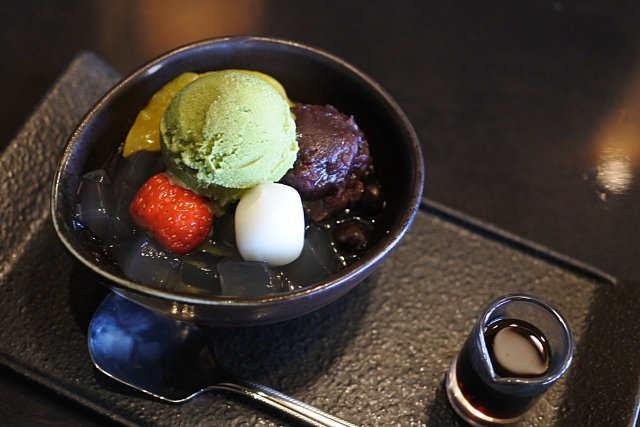
Matcha anmitsu shows that matcha adds not just green color, but also aroma, bitterness, and depth.
The color certainly matters. Matcha can give a dessert a vivid green appearance while also adding aroma, bitterness, and tea character.
That's unusual. Vanilla adds aroma with almost no color, while food coloring adds color without flavor. Matcha does both at once.
But in Japan, matcha isn't usually added simply because someone wants a natural green coloring. The starting point is usually matcha itself.
Its color is part of its appeal, but so are its aroma, bitterness, and depth. For some people overseas, matcha's natural and healthy image may add to its appeal, but that's better understood as a side benefit than the main reason matcha works so well in sweets.
How Should You Choose Matcha for Desserts?
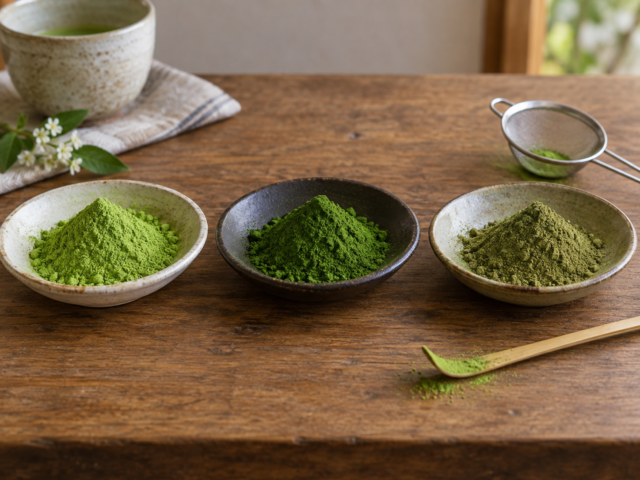
There is no single "best matcha for desserts." The right choice depends on what you're making.
A strongly baked cookie or cake has to compete with flour, butter, sugar, and heat. In that kind of dessert, a more assertive matcha may work better because its bitterness and tea character stay noticeable.
A lightly sweetened mousse, cream, chilled sweet, or dessert designed to showcase matcha may benefit from a more refined tea with a finer aroma, smoother taste, and stronger umami.
Particle size can matter too. Finely ground matcha tends to disperse more evenly through cream, chocolate, ice cream, or bean paste, which can help avoid a grainy texture.
That's why labels like "ceremonial grade" and "culinary grade" shouldn't be treated as strict rules. They're useful shorthand, but they aren't official Japanese quality standards.
A more delicate matcha may be excellent for drinking with water, while a bolder, more affordable matcha may work better in a buttery baked sweet. But in another dessert, a higher-quality matcha may be exactly what lets its aroma and umami shine.
So the better question isn't:
"Which grade is higher?"
It's:
"Which matcha suits what I'm making?"
Did Japan Always Put Matcha into Desserts?
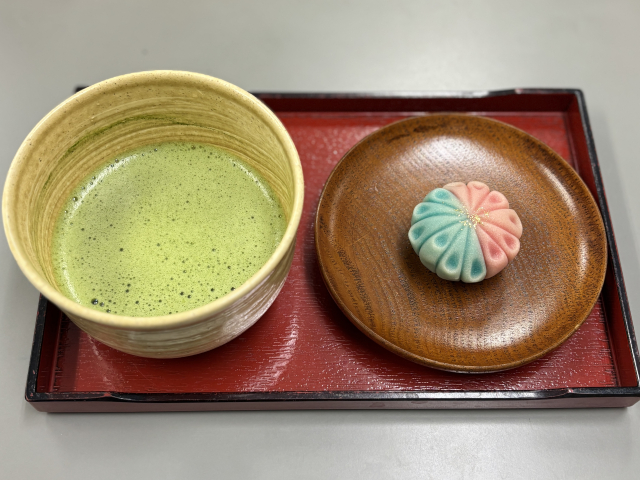
Not in the way we see today.
Traditionally, matcha and sweets were often enjoyed together but stayed separate. In Japanese tea culture, a sweet wagashi could be eaten before drinking matcha, with the sweetness preparing the palate for the bitterness and intensity of the tea.
The two complemented each other without becoming one food.
Modern ingredients created new possibilities. Milk, cream, butter, chocolate, ice cream, and Western baking techniques gave matcha new partners, allowing sweetness and tea to be combined in the same bite rather than experienced one after the other.
The basic idea of balance didn't disappear. The form simply changed.
Modern matcha desserts can be seen as another way of exploring that same relationship between sweetness and tea.
Matcha Latte Became a Gateway to Matcha
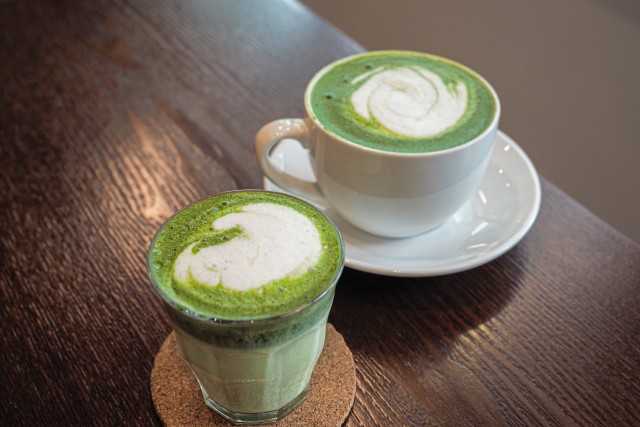
Matcha latte softens the intensity of traditional matcha and can become a first step toward discovering the tea itself.
Matcha latte shows how much the way people encounter matcha has changed.
Traditionally prepared matcha can be unfamiliar to someone tasting it for the first time because there is little to hide behind — you taste the tea itself.
A latte makes that experience easier to approach. Milk and sweetness soften the intensity while leaving enough tea character for matcha to remain recognizable.
For many people outside Japan, this has created a different path into matcha culture. Instead of beginning with a tea bowl and whisk, they may begin with a café drink.
From there, the path can move in the opposite direction:
matcha latte → matcha desserts → curiosity about traditional matcha
Someone who first enjoys matcha with milk and sugar may eventually wonder what the tea tastes like on its own. Modern matcha drinks and sweets can therefore become a gateway to the tea itself.
What Matcha Sweets Reveal About Japanese Food Culture
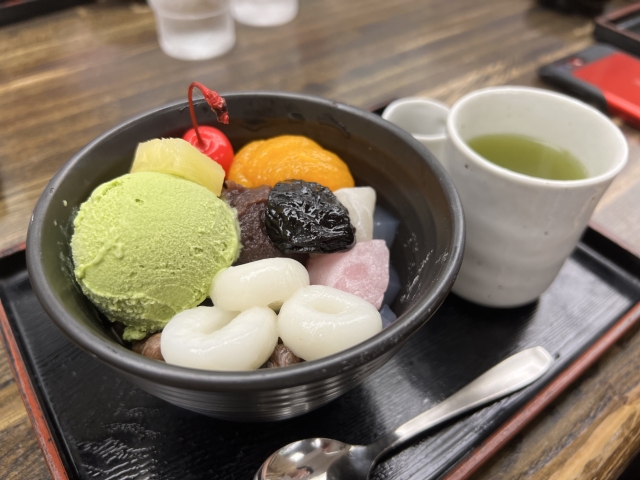
A good matcha sweet is about balance: matcha remains distinct while azuki, shiratama, fruit, and other ingredients keep their own character.
Matcha desserts are often described simply as "green tea–flavored sweets," but that description misses much of what makes them interesting.
At their best, matcha sweets are about balance between ingredients. The goal isn't to make matcha as powerful as possible, but to find a level of sweetness, richness, texture, and preparation that lets the character of matcha come through while still respecting the character of the sweet.
In matcha ice cream, dairy makes the tea gentler while matcha gives the richness definition. In matcha mizu-yokan, azuki remains azuki while matcha adds another layer of aroma and bitterness. In baked sweets, heat changes the tea, but another side of matcha still comes through.
This is why matcha is more than a convenient flavoring.
Matcha is not just a flavor added to sweets. Sweets can also be a way of expressing matcha.
And the best matcha desserts succeed when both sides become better together.
Author's Note
Because matcha is made from the whole tea leaf, it's easy to expect some nutritional or health benefit from it.
But in a dessert, the amount of matcha is usually too small to somehow cancel out the sugar, butter, cream, or other rich ingredients.
Still, there's something about matcha that makes a dessert feel just a little easier to choose.
Its fresh aroma, beautiful green color, and clean, slightly bitter taste can make the whole dessert feel a bit lighter — at least in the mind.
When I'm choosing between two desserts, that may be one small reason I end up picking the matcha one.
Maybe.
FAQ
Are matcha desserts healthy?
Matcha itself contains compounds naturally found in tea, but in a dessert it's usually just one ingredient among sugar, butter, cream, flour, or chocolate.
Any nutritional benefit is better treated as a small bonus rather than the main reason to choose a matcha dessert.
Is culinary grade matcha always better for baking?
No.
A bold, culinary-style matcha may work well in baked goods, but a more refined matcha can be better for chilled creams, mousse, or desserts designed to showcase delicate aroma and umami.
The best choice depends on the dessert.
Can you use regular drinking matcha in desserts?
Yes.
There's no rule that drinking matcha can't be used in desserts. The question is whether its flavor, aroma, color, and price make sense for what you're making.
Why does matcha pair so well with white chocolate?
White chocolate is rich and sweet but has little bitterness of its own. Matcha adds bitterness and tea aroma, while the cocoa butter and sugar soften the stronger side of the tea.
Does baking destroy matcha flavor?
Not completely.
Heat can reduce some of matcha's fresh aroma and dull its bright green color, but its deeper bitterness and tea character can still remain in baked sweets.
Related Reading on YUNOMI
Why Does Matcha Taste Bitter but Also Sweet?
Learn why matcha can taste bitter, sweet, and umami-rich at the same time, and how those flavors create its distinctive balance.
Why Is Matcha Powdered? What Makes It Different from Leaf Green Tea
See why matcha is made from tencha and consumed as finely ground tea rather than brewed and strained like sencha.
Why Is Matcha Ground with Stone Mills?
Explore how grinding method, particle size, and intended use affect the texture, aroma, and character of matcha.
Japanese Tea Ceremony: The Spirit of Hospitality in a Bowl
Discover the traditional relationship between matcha and wagashi, where sweetness and tea were enjoyed together but remained separate.

