Many people first encounter it as the dark sheet wrapped around sushi rolls. Its thin, paper-like appearance can seem unusual, and it is easy to think of it simply as an edible wrapper.
In Japan, however, nori is much more familiar and much more ordinary than that.
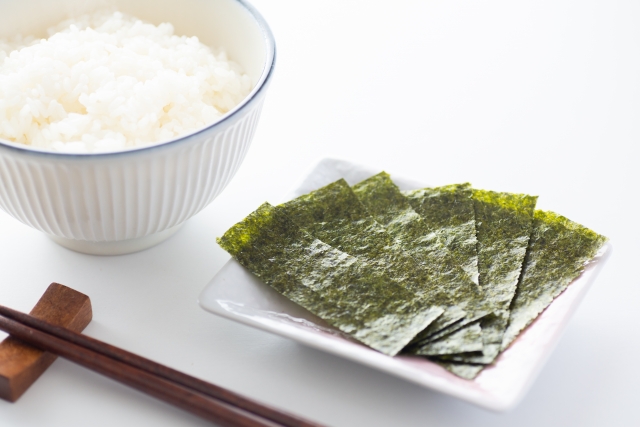
It appears around onigiri, beside rice at breakfast, inside bento boxes, over noodles, and in ochazuke. It can be crisp and freshly opened, or soft after absorbing moisture from warm rice. It may be served as a full sheet, cut into small rectangles, shredded into strips, or torn by hand.
Nori is rarely the main part of a meal. Yet it can change the aroma, texture, appearance, and practicality of the food around it.
Understanding nori means looking beyond sushi — seeing how a very thin sheet of seaweed became one of the quiet supporting ingredients of everyday Japanese food.
Quick Summary
Nori is an edible seaweed commonly processed into thin, dried sheets.
In Japan, it is used for much more than sushi. It wraps onigiri, accompanies rice at breakfast, appears in bento boxes, and is shredded over noodles, rice bowls, tofu, and other dishes.
Common forms include:
- Yaki nori — roasted nori without added seasoning
- Ajitsuke nori — seasoned nori, usually flavored with a sweet and savory sauce
- Kizami nori — nori cut into thin strips
- Momi nori — torn or crumbled nori
Nori works especially well with Japanese rice because it adds aroma, umami, color, texture, and a dry surface that makes rice easier to hold.
Although crisp nori is highly valued, soft nori is also familiar in onigiri and bento. Both textures have their own place in Japanese food.
What Is Nori?
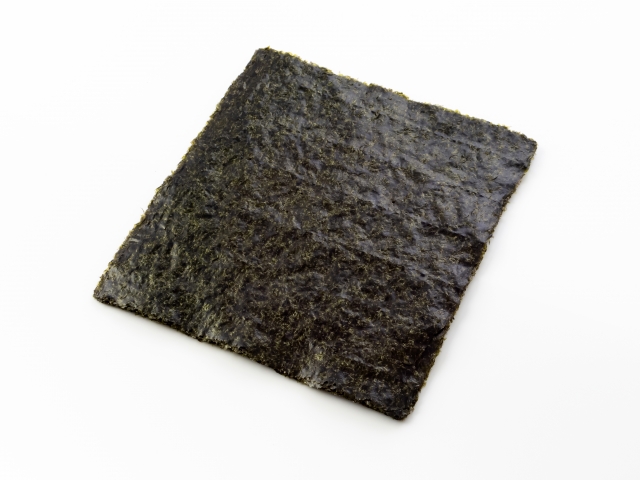
Nori is a general Japanese word used for several edible seaweed products, but the form most people recognize is the thin, dark sheet used with rice and sushi.
The seaweed commonly used for these sheets belongs mainly to a group of red algae. Despite that classification, finished nori may appear almost black, dark green, or greenish brown.
In Japan, the familiar sheet form is called ita nori, meaning sheet-shaped nori. Most nori sold for ordinary household use has already been roasted and is sold as yaki nori.
Nori is distinct from other seaweeds commonly used in Japanese food. Wakame is soft and leafy and often appears in miso soup or salads. Kombu is thick and is especially important for making dashi. Nori is thinner, drier, and more closely associated with rice, wrapping, and toppings.
English often translates all of these foods simply as "seaweed," but their roles in Japanese cooking are quite different.
Why Does Nori Look Like Paper?
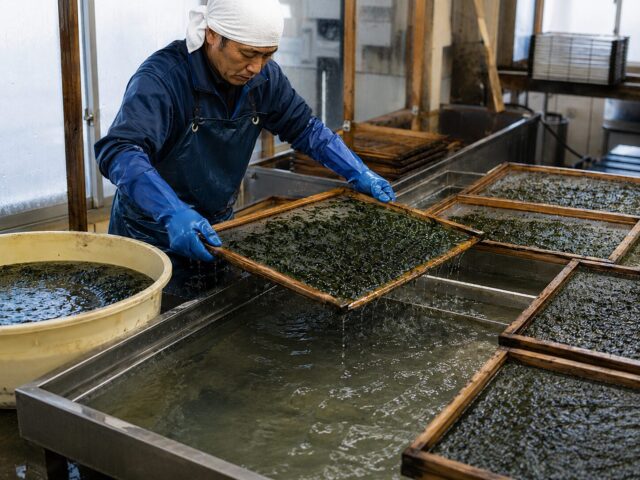
Nori does not naturally grow in neat rectangular sheets.
After the seaweed is cultivated and harvested, it is washed, cut into small pieces, mixed with water, spread into thin forms, pressed, and dried. The basic process resembles papermaking: small pieces suspended in water are spread evenly and dried into a single sheet.
Modern production is largely mechanized, but the paper-like form remains important.
Because nori is thin and flat, it can be folded around rice, cut into small portions, wrapped around rolls, or shredded over a dish — not only convenient for storage, but adaptable enough to perform many different roles.
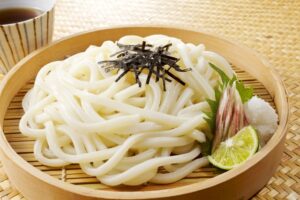
A full sheet can hold sushi together. A narrow strip can add aroma to noodles. A small rectangle can be folded around a bite of breakfast rice.
The shape helps explain why nori became so versatile in Japanese food.
Does the Quality of Nori Make a Difference?
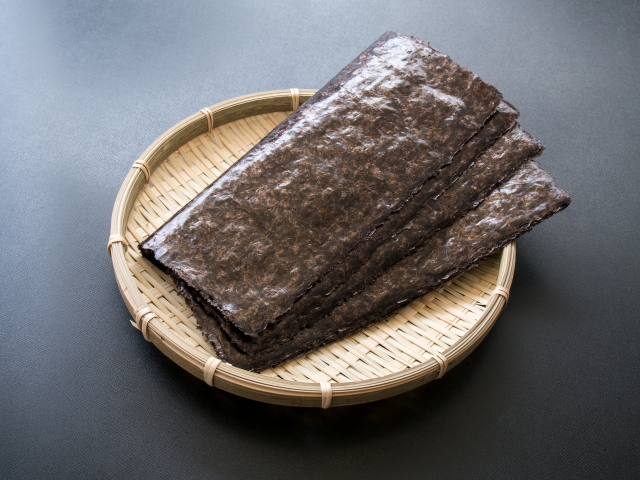
Nori may look like a simple sheet of dried seaweed, but its quality can vary considerably.
Less expensive nori may be lighter in color, uneven, tough, or weak in aroma. Some products can also have a slightly unpleasant marine smell, particularly when the nori is lower in quality or has not been stored well.
The difference comes from several factors, including the variety of seaweed, the growing environment, the timing of harvest, the condition of the seaweed when collected, and how it is processed and stored. Harvest timing can be especially significant: younger, more tender seaweed is often easier to bite through, while later harvests may produce thicker or firmer sheets.
Color alone does not determine quality, but Japanese consumers often notice differences in darkness, gloss, thickness, uniformity, and how cleanly a sheet breaks.
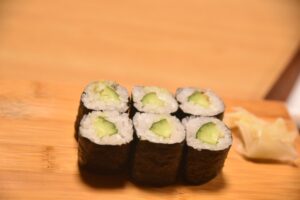
These differences are easiest to notice when nori is used prominently. In sushi and hand rolls, the sheet must hold rice and fillings together without becoming difficult to bite. A strong or unpleasant smell can distract from carefully prepared rice and fish, while good nori blends quietly into the bite.
This is one reason sushi restaurants often pay close attention to the nori they use. For many everyday dishes, ordinary nori is perfectly suitable. But when the ingredients are simple, the quality of the nori becomes much more noticeable.
Yaki Nori and Ajitsuke Nori
The two most familiar forms found in Japanese homes are yaki nori and ajitsuke nori.
Yaki Nori
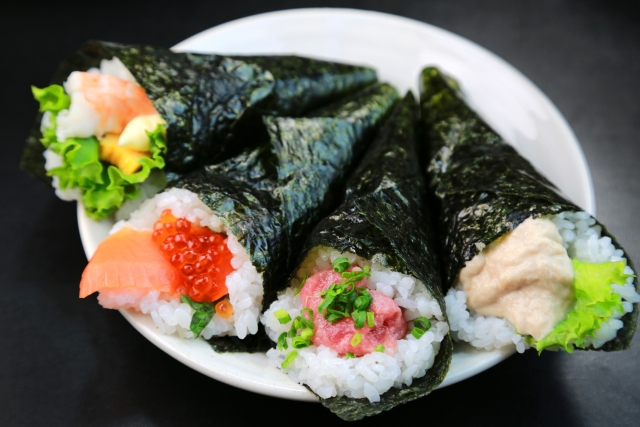
Yaki nori is dried nori that has been roasted.
It normally has no added sauce or strong seasoning. Its flavor comes from the seaweed itself: a roasted aroma, gentle umami, a light marine character, and sometimes a faint sweetness.
It is commonly used for sushi rolls, hand rolls, onigiri, and shredded toppings. Packages sold outside Japan may be labeled "sushi nori," which usually describes the intended use rather than a completely separate type of seaweed.
Ajitsuke Nori
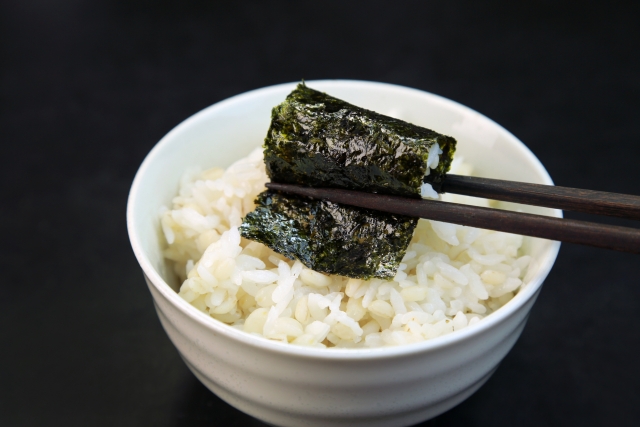
Ajitsuke nori is seasoned nori.
It is commonly flavored with a sweet and savory mixture that may contain soy sauce, sugar, salt, and other seasonings. It is often cut into small rectangles and packed in individual portions.
In Japan, ajitsuke nori is especially familiar as a breakfast accompaniment. A piece can be picked up with chopsticks, folded around a small amount of rice, and eaten in one bite. Unlike a large sushi sheet, it is not mainly used to hold food together. It gives plain rice a quick layer of aroma and flavor.
Why Nori Works So Well with Rice
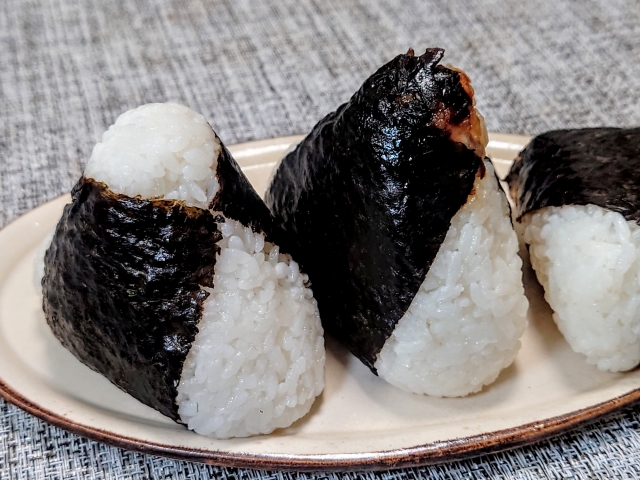
Nori and Japanese rice seem simple together, but the combination works on several levels.
Freshly cooked Japanese short-grain rice is soft, moist, mildly sweet, and gently aromatic. Nori adds contrast without hiding those qualities.
It brings:
- a roasted sea aroma
- additional umami
- a dark contrast against white rice
- a crisp or tender layer of texture
- a surface that makes rice easier to hold
This practical role is especially important with onigiri. Nori creates a dry layer between the hand and the moist rice, making a rice ball easier to carry and eat while also giving it more aroma and character.
This balance is characteristic of Japanese food. An ingredient can solve a practical problem and improve the eating experience at the same time.
Nori does not need to dominate the rice. A thin sheet is enough to change the entire bite.
Nori in Onigiri
Onigiri is one of the clearest examples of what nori does in Japanese food.
The sheet gives the rice ball visual definition, makes it easier to hold, and adds aroma and texture. But the experience changes depending on when the nori is wrapped around the rice.
Crisp Nori

When dry nori is added immediately before eating, it stays crisp.
The contrast between soft rice and brittle nori is highly appealing. Convenience-store onigiri packaging was designed around this preference: the plastic keeps the nori separate from the rice until the package is opened.
Soft Nori
When nori is wrapped around warm rice in advance, it absorbs moisture and gradually softens.
This is common with homemade onigiri, packed lunches, and food prepared ahead of time. The nori clings closely to the rice and becomes easier to bite through.
Outside Japan, softened nori may look like nori that has lost its quality. In Japan, however, it is also a familiar and accepted texture.
Some people strongly prefer crisp nori. Others enjoy the way soft nori blends with salted rice and fillings. The difference is not simply good versus bad — it reflects timing, context, and personal preference.
Nori Beyond Sushi
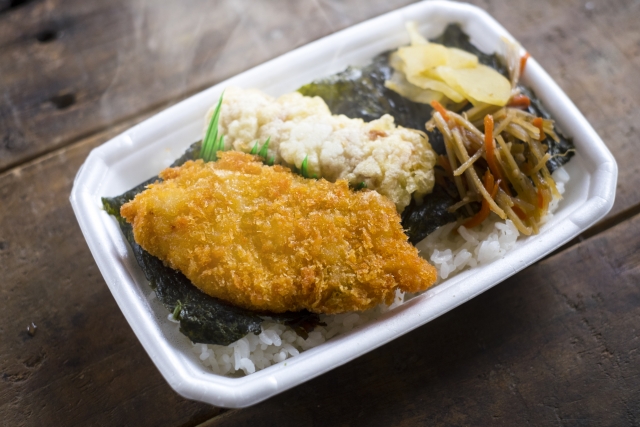
Noriben is a simple, affordable bento in which nori is laid over rice and allowed to soften.
Sushi made nori internationally famous, but it represents only one part of its role in Japan.
Small pieces of ajitsuke nori are often served with rice at breakfast. In a nori bento, or noriben, sheets of nori are laid over rice and allowed to soften into the meal.
Thin strips of kizami nori are scattered over soba, rice bowls, Japanese-style pasta, cold tofu, and other dishes. In ochazuke, nori softens quickly in the hot liquid and spreads its aroma through the bowl.
Nori also appears around grilled mochi and rice crackers, often paired with soy sauce.
These uses look different, but the underlying role is similar. Nori adds something strong enough to be noticed but light enough not to overpower the main food. It can bring aroma to plain rice, contrast to soft noodles, or a dry surface to sticky mochi.
In many cases, only a small amount is needed.
Other Seaweeds and Products Called Nori in Japan
In English, “nori” usually means the familiar dark sheet used for sushi. In Japanese, however, the word also appears in the names of seaweeds and products that can look, taste, and behave quite differently.
Iwa Nori

Iwa nori originally refers to edible nori that grows naturally on rocky coastal areas rather than on cultivation nets.
Ordinary sheet nori is usually made from cultivated seaweed grown on nets in coastal waters. After harvesting, it is washed, finely cut, spread into thin sheets, and dried. Iwa nori comes from a different growing environment and is often associated with a stronger coastal aroma, a more pronounced seaweed flavor, and a rougher or firmer texture.
Iwa nori can also be processed into rectangular sheets. This means that iwa nori and ita nori are not opposites. Ita nori describes the sheet form, while iwa nori describes where and how the seaweed originally grew.
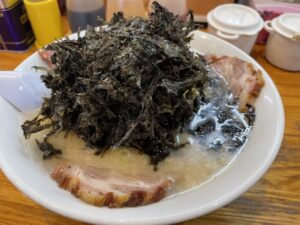
Because its aroma and texture are often stronger, iwa nori works well in dishes where the seaweed is meant to remain noticeable. Loose or roughly dried iwa nori may be used as a topping for ramen, udon, soups, and other hot dishes, where the heat releases its coastal aroma.
Iwa Nori and Nori Tsukudani
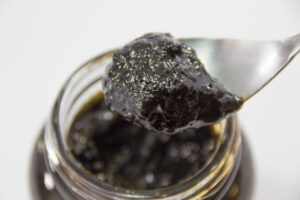
The strong aroma and noticeable texture of iwa nori can also make it suitable for tsukudani.
Nori tsukudani is a soft, dark preserve made by simmering seaweed with soy sauce, sugar, and other seasonings. Since iwa nori has enough character to remain noticeable after simmering, it is sometimes used for this type of preserve.
However, nori tsukudani is not always made from iwa nori. Many everyday products use other seaweeds, including hitoegusa. Even so, many Japanese consumers closely associate the name iwa nori with the dark, textured seaweed preserves sold in jars.
Aonori
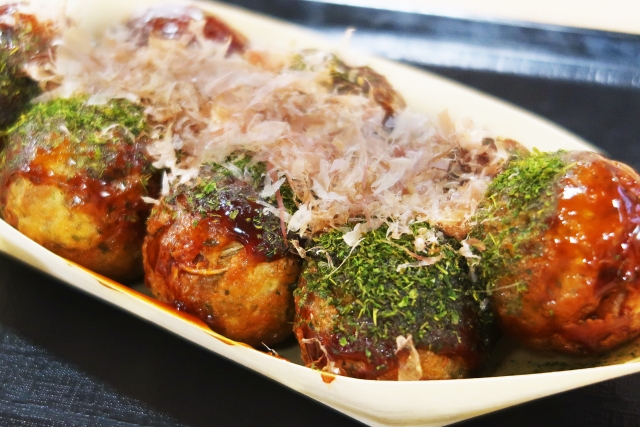
Aonori is a fragrant green seaweed most familiar as a finely crumbled or powdered topping.
It is commonly sprinkled over okonomiyaki, takoyaki, yakisoba, fried foods, and other dishes. Only a small amount is needed because its main role is to add a fresh green color and a distinctive seaweed aroma.
Products made from aromatic varieties such as suji aonori are often more expensive. Less expensive toppings sold for the same purpose may use aosa or other green seaweeds instead, so the word aonori on everyday packaging does not always describe exactly the same raw material.
Aosa
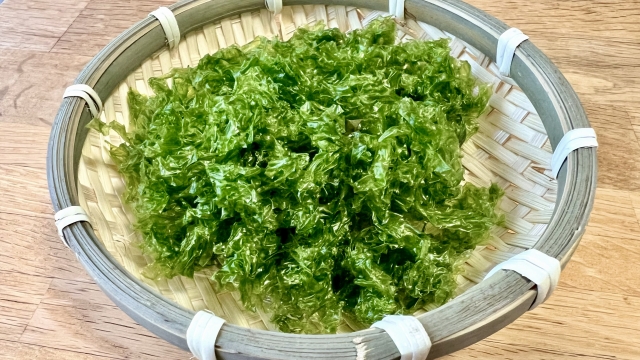
Aosa is also a green seaweed, but it is commonly used differently from powdered aonori.
It is often sold as thin, irregular flakes or leaf-like pieces that can resemble torn green paper. Rather than being used only as a seasoning, aosa is often added directly to miso soup, clear soup, noodles, and other dishes, where the softened seaweed becomes part of the food itself.
The terminology can vary by region and product labeling, but the practical difference is usually easy to recognize: aonori is commonly used as a fragrant powdered topping, while aosa is often eaten in larger pieces in soups and other dishes.
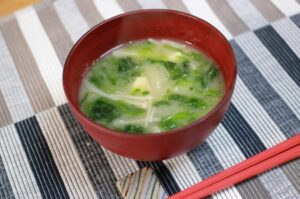
Together, these foods show that “nori” in Japanese food culture refers to more than one dark sheet. It can describe cultivated sheet nori, naturally gathered coastal nori, simmered preserves, and several green seaweeds with very different uses.
Nori Is More Than a Wrapper
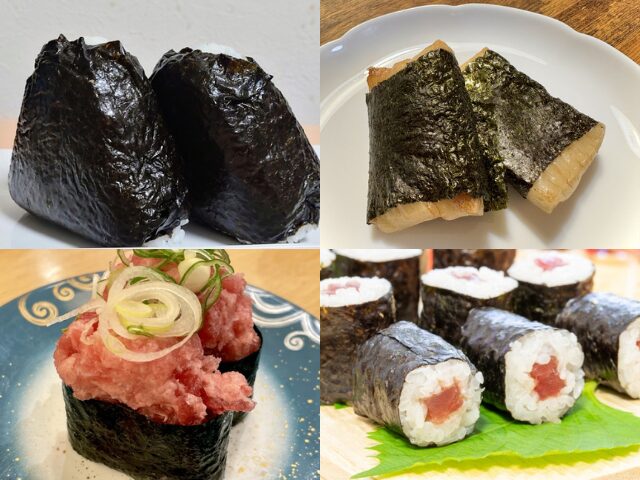
Calling nori a wrapper is not wrong, but it is incomplete.
Around an onigiri, it keeps rice off the fingers. Around a sushi roll, it holds the shape together. Around grilled mochi, it creates a dry place to hold a sticky food.
But its practical role cannot be separated from its sensory role. Without nori, the food may still hold together, but it will not smell, look, or feel the same.
Nori provides:
- roasted aroma
- marine umami
- visual contrast
- a crisp or tender texture
- a boundary between the hand and the food
- a way to make rice more portable
Few ingredients can perform all of these roles in such a thin layer.
Removing the nori from an onigiri does more than remove its outer covering. It changes the identity of the food.
What Nori Reveals About Japanese Food Culture
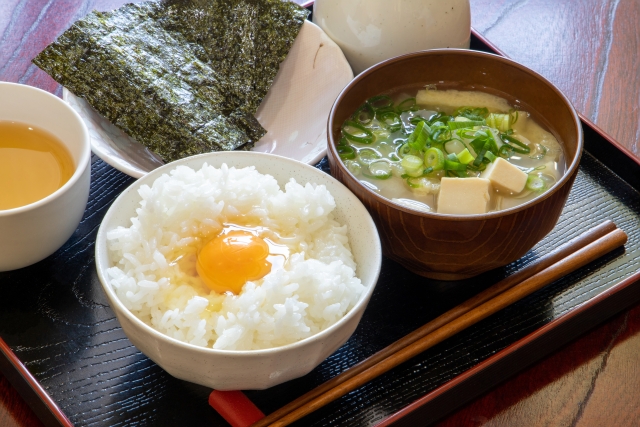
Nori reveals how Japanese food often depends on small supporting ingredients.
A sheet of nori weighs very little. It is rarely the largest or most visually dominant part of a meal. Yet it can shape the experience of eating rice, noodles, mochi, tofu, and many other foods.
It also shows how practicality and flavor can develop together. Nori makes rice easier to carry, but it also makes it more aromatic. It separates the hand from sticky rice, but it also adds color and texture. It helps hold a roll together, but it is not simply packaging.
The same ingredient can also be appreciated in opposite states. Crisp nori is valued for its snap and roasted fragrance. Soft nori is valued for the way it settles into warm rice, sauce, or broth. One texture does not always need to replace the other.
Most importantly, nori shows how an ordinary ingredient can become culturally essential without becoming the star of the meal.
It sits around rice, beneath toppings, inside bento boxes, and beside breakfast dishes.
It is thin, quiet, and easy to overlook.
But many familiar Japanese foods would not feel complete without it.
Author's Note
Growing up in Japan, I never thought of nori as an unusual food.
It was simply there — around onigiri, beside breakfast rice, inside bento boxes, and in the kitchen cupboard.
Even the difference between crisp and soft nori felt ordinary. Convenience-store onigiri gave us the crisp version, while homemade onigiri often had nori that had already softened around the rice. Both felt normal, even though they produced completely different textures.
Nori is so familiar that it is easy to treat it as nothing more than the black part around the rice.
But when it is missing, the difference becomes obvious.
An onigiri without nori can still be good, but it feels simpler. A bowl of noodles without shredded nori can lose part of its aroma. A breakfast tray without seasoned nori can feel slightly less complete.
That small absence shows how important nori actually is.
FAQ
Is nori the same as seaweed?
Nori is a type of edible seaweed, but the English word "seaweed" covers many different foods. Nori, wakame, kombu, hijiki, and aosa all have different textures and different roles in Japanese cooking.
Is nori only used for sushi?
No. In Japan, nori is used with onigiri, rice, bento, soba, rice bowls, ochazuke, mochi, tofu, rice crackers, and many other everyday foods.
What is the difference between yaki nori and ajitsuke nori?
Yaki nori is roasted seaweed without added seasoning. Ajitsuke nori is flavored — usually with a sweet and savory mixture — and is often eaten with rice at breakfast.
Is sushi nori different from ordinary nori?
"Sushi nori" usually refers to roasted sheet nori sold in a size and quality suitable for sushi. It is not necessarily a completely different type of seaweed.
Does nori have a front and back?
Usually, yes. One side tends to be smoother and shinier, while the other is rougher. For sushi rolls, the shiny side is generally placed outside. For ordinary onigiri or everyday eating, the difference is not very important.
Why does nori become soft around rice?
Cooked rice releases moisture, which the dry nori absorbs. The longer nori touches warm or moist rice, the softer it becomes.
Is soft nori bad?
Not always. Nori that becomes damp during storage may lose quality. However, nori that softens around onigiri, bento, or ochazuke is a normal part of those foods.
Can nori be eaten by itself?
Yes. Both roasted and seasoned nori can be eaten on their own. Seasoned seaweed snacks are especially easy to enjoy directly.
How should nori be stored?
Keep nori tightly sealed in a dry place, preferably with the desiccant included in the package. Protect it from humidity, heat, direct sunlight, and strong odors.
If refrigerating or freezing, keep the package sealed until it has warmed toward room temperature before opening, to prevent condensation.
Is nori the same as wakame or kombu?
No. Nori is processed into thin sheets. Wakame is a soft, leafy seaweed often used in soups and salads. Kombu is thick and is especially important for making dashi.
What is nori tsukudani?
Nori tsukudani is a soft, dark seaweed preserve simmered with soy sauce and other seasonings. It is usually sold in jars and eaten in small amounts over rice.
Are aonori and aosa the same as sheet nori?
No. They are green seaweed products commonly used as toppings or in soups. They belong to the broader group of foods called "nori" in Japanese, but they look and function differently from roasted sheet nori.
Related Reading on YUNOMI
- What Is Japanese Rice? Why Short-Grain Rice Matters in Japanese Food Culture
- What Is Onigiri? Why Japanese Rice Balls Are So Common in Japan
- Tamago Kake Gohan: Why Japanese People Eat Raw Egg on Rice
- What Is Tofu in Japan? Why It Is More Than a Meat Substitute
- What Is Dashi? The Quiet Broth Behind Japanese Flavor
- Japanese Soybean Foods: Why Soybeans Are Everywhere in Japanese Food Culture

