
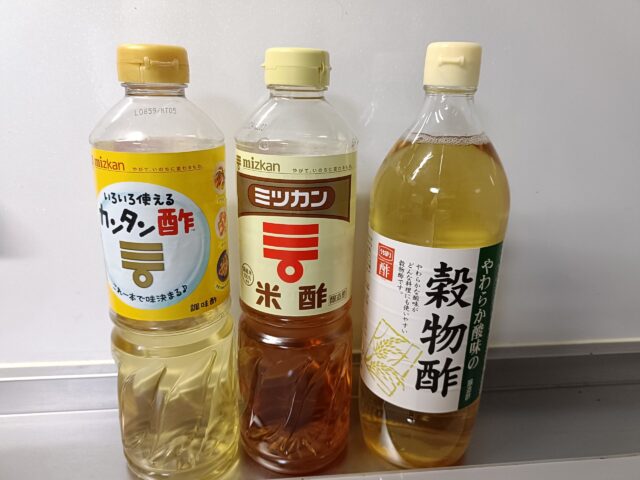
When people outside Japan think of Japanese vinegar, sushi rice may be the first thing that comes to mind.
But sushi is only the beginning.
In Japanese home cooking, vinegar has many other roles. It brings brightness to vegetables, balances the richness of fried food, adds character to dipping sauces, and even appears in slow-simmered meat dishes.
Consider Chicken Nanban, fried chicken coated in a sweet-and-sour sauce and often served with tartar sauce. Or Aji Nanbanzuke, where fried horse mackerel and vegetables are marinated in a sweet-and-sour vinegar mixture. Neither dish has much in common with sushi, yet vinegar is essential to both.
Japanese vinegar is not a special ingredient reserved for traditional dishes. It is an everyday seasoning that works alongside soy sauce, sugar, mirin, and other familiar pantry ingredients.
And you do not need a collection of expensive vinegars to explore these flavors.
A single bottle of unseasoned rice vinegar can take you surprisingly far.
Quick Summary
- Japanese vinegar is used for much more than sushi rice, including vegetable dishes, dipping sauces, fried foods, and simmered meat.
- Rice vinegar (komezu) and everyday grain vinegar (kokumotsu-su) are versatile choices for Japanese home cooking.
- Rice vinegar often tastes mellower, but that does not necessarily mean it has lower acidity.
- Black vinegar (kurozu) and red vinegar (akazu) have distinctive flavors, aromas, and colors that suit particular dishes.
- Vinegar is frequently combined with sugar, soy sauce, salt, or dashi. The timing of when you add it during cooking can also change the finished flavor.
- If you are just starting to cook Japanese food, one bottle of unseasoned rice vinegar is usually enough.
What Is Japanese Vinegar?
Vinegar is known as su (酢) in Japanese.
Most traditional Japanese cooking vinegars are made through acetic acid fermentation. Sugars are first converted into alcohol, or alcohol is supplied as an ingredient. Acetic acid bacteria then convert that alcohol into acetic acid, which gives vinegar its characteristic sourness.
In traditional rice-based production, koji helps break down rice starch into sugars that can be fermented into alcohol. This creates a connection between vinegar production and other Japanese fermented foods, including sake and miso.
The ingredients and production methods influence the finished flavor. Rice, other grains, fruits, and sake lees can all produce vinegars with different aromas and characteristics.
Although rice vinegar is strongly associated with Japanese cuisine, it is not the only vinegar used in Japan.
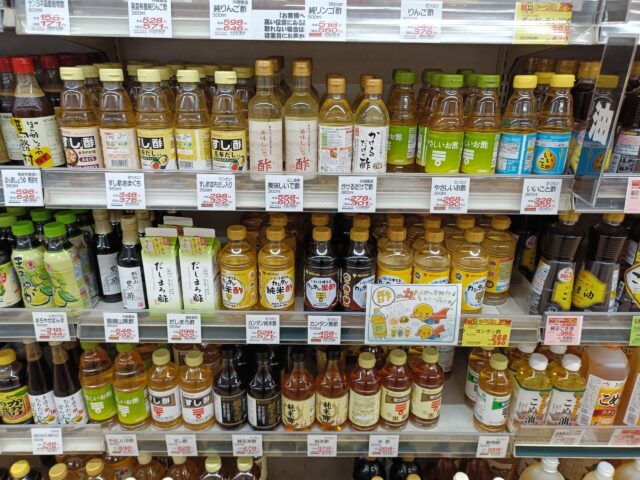
If you walk through the seasoning section of a Japanese supermarket, you may find rice vinegar, grain vinegar, black vinegar, seasoned vinegar, and various fruit vinegars.
Yet the number of products on the shelf does not mean every household needs several bottles.
For many everyday dishes, a simple, versatile vinegar is all you need.
What Types of Vinegar Are Used in Japan?
Rice Vinegar — Komezu
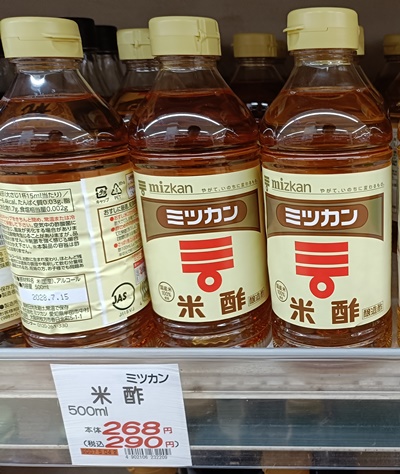
Rice vinegar, or komezu (米酢), is one of the most useful choices for Japanese home cooking.
It is often described as mellow because its overall flavor can soften the impression of acidity. This makes it particularly suitable for dishes where the vinegar remains noticeable, such as sunomono and sushi rice.
Rice vinegar also works well in sauces, marinades, and simmered dishes.
Some products are labeled junmai-su (純米酢), or pure rice vinegar. These are made with rice as the sole agricultural raw material, without added brewing alcohol, and may have a more pronounced rice character.
However, pure rice vinegar is not automatically better for every dish. The preferred flavor depends on the recipe and individual taste.
Grain Vinegar — Kokumotsu-su
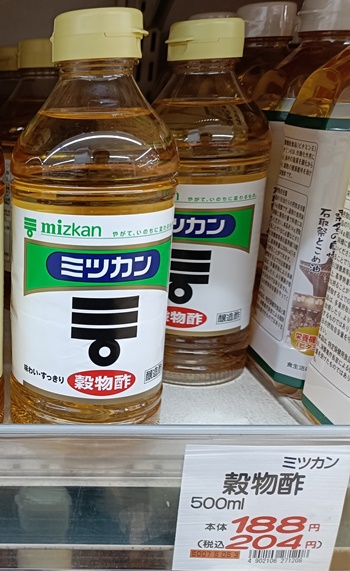
Grain vinegar, commonly sold as kokumotsu-su (穀物酢), is another familiar option in Japanese supermarkets.
Standard grain vinegar may contain ingredients such as wheat, corn, and rice. Compared with many rice vinegars, it often has a cleaner, more direct sourness.
Its versatility makes it useful for dipping sauces, marinades, simmered dishes, and many other preparations. It is also often economical, particularly when a recipe calls for a generous amount of vinegar.
One distinction is worth noting. Under Japanese food standards, rice vinegar itself belongs to the broader grain-vinegar category. However, Japanese product labels distinguish komezu from products labeled simply kokumotsu-su.
For everyday shoppers, these names identify different types of vinegar, even though their formal classifications overlap.
Black Vinegar — Kurozu
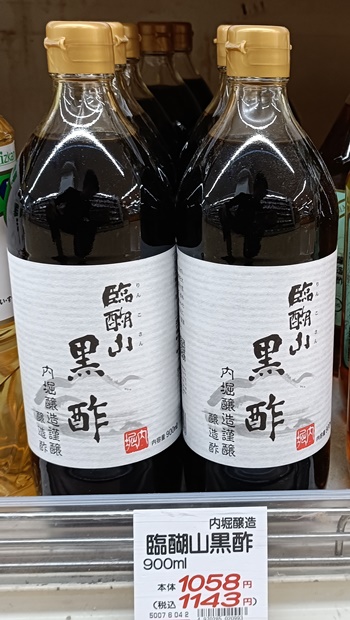
Japanese black vinegar, or kurozu (黒酢), has a more distinctive character.
Unlike ordinary rice vinegar, Japanese rice black vinegar is made from brown rice or partially polished rice that retains some of its bran layer. Through fermentation and aging, it develops a dark color and a richer, more complex flavor.
Some traditional varieties, particularly those associated with Kagoshima Prefecture, are fermented and aged in ceramic jars for over a year. However, not all black vinegar is made this way.
Japanese black vinegar also includes varieties made from barley, so ingredients and production methods can differ between products.
Its dark color and distinctive aroma make it particularly suitable for hearty dishes, such as sweet-and-sour pork, rich sauces, and simmered meat.
However, its strong personality can also limit its versatility.
Imagine preparing a delicate cucumber salad or lightly colored pickled vegetables. Dark vinegar could change their appearance and introduce aromas that compete with their natural flavors.
In another dish, those same characteristics might be exactly what you want.
Black vinegar is not a superior replacement for rice vinegar. It offers a different flavor, aroma, and appearance.
Fruit Vinegar
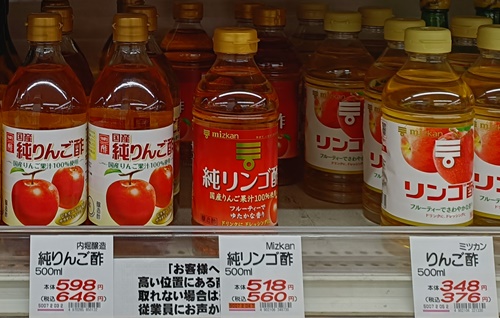
Fruit vinegars, such as apple vinegar, are also available in Japan.
Some are used for cooking, while others form the base of flavored drinks or concentrated beverages designed to be diluted with water or sparkling water.
Plain fruit vinegar and sweetened drinking-vinegar products are not the same thing. Added sugar, flavorings, and differences in acidity can make drinking-vinegar products unsuitable as direct substitutes in recipes.
Red Vinegar — Akazu
Red vinegar, or akazu (赤酢), is traditionally associated with vinegar made from sake lees.
Its amber or reddish-brown color and distinctive savory character make it particularly interesting in Japanese food culture.
Akazu is closely associated with traditional Edomae sushi, where its flavor complements vinegared rice and seafood.
Although it has an important culinary history, it is not something every Japanese household regularly keeps in the kitchen.
Why Do Rice Vinegar and Grain Vinegar Taste Different?
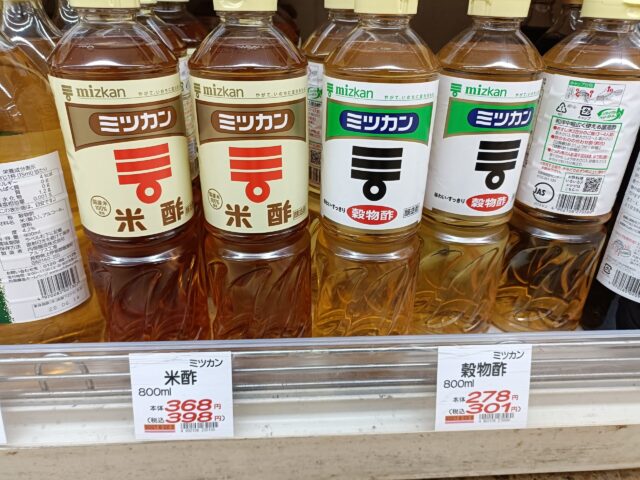
If rice vinegar tastes mellower than grain vinegar, does that mean it contains less acid?
Not necessarily.
For example, Japanese manufacturer Mizkan lists an acidity of 4.5% for its regular rice vinegar and 4.2% for its standard grain vinegar. Despite those numbers, its rice vinegar is described as having a mellow flavor.
This illustrates an important distinction: measured acidity and perceived sourness are not the same thing.
The way we experience vinegar depends on more than its acetic acid concentration. Other flavor components, aroma, sweetness, and the overall composition of the product can influence how sharp or rounded it tastes.
Rice vinegar may seem softer and more balanced, while everyday grain vinegar may produce a more immediate impression of acidity.
However, these are general tendencies rather than universal rules. Different brands and production methods can create noticeably different results.
In practice, both can be used for many of the same dishes.
If you prefer a mellow flavor, rice vinegar is a good starting point. If you want a clean, straightforward acidity, grain vinegar may be equally suitable.
The more important question is what kind of flavor you want in the finished food.
How Do Japanese People Actually Use Vinegar?
Vinegar is not limited to cold dishes, pickles, or sushi rice.
Its role changes depending on the ingredients, cooking method, and other seasonings involved.
Sunomono — Building Flavor Around Acidity
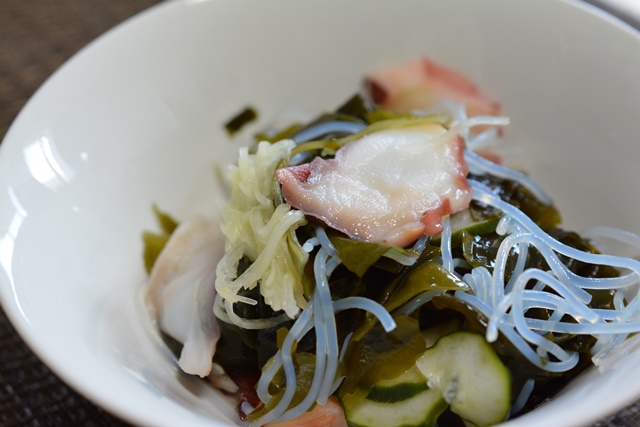
Sunomono (酢の物) is a broad category of Japanese dishes seasoned with vinegar.
Cucumber and wakame seaweed are familiar ingredients, but sunomono can also include seafood and other vegetables.
Vinegar provides the defining acidity, while sugar, salt, soy sauce, or dashi may help create the desired balance. Sesame can also contribute aroma and texture.
Rather than tasting like vegetables simply soaked in something sour, sunomono combines several flavors while allowing the ingredients to remain recognizable.
Rice vinegar is particularly pleasant in these dishes because its mellow character can be appreciated without lengthy cooking.
Chicken Nanban — Vinegar Meets Rich Fried Chicken
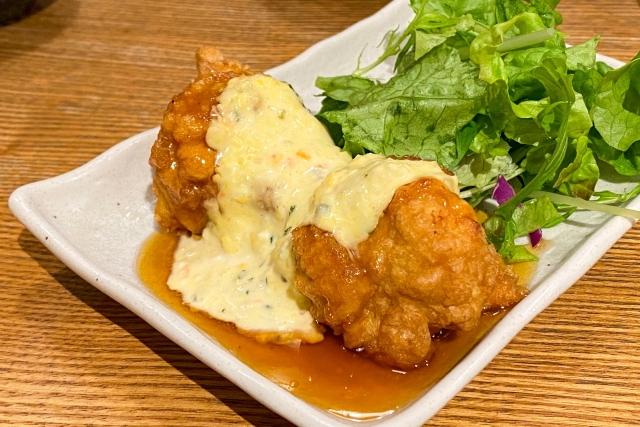
Chicken Nanban (チキン南蛮) is a popular Japanese dish associated with Miyazaki Prefecture.
Fried chicken is coated in or dipped into a sweet-and-sour sauce, commonly made with vinegar, sugar, and soy sauce. It is often served with tartar sauce.
The combination might sound unexpectedly rich, but the contrast is what makes the dish appealing.
The chicken provides richness, the sweet-and-sour sauce adds brightness, and the tartar sauce contributes another layer of flavor and texture.
Vinegar does not simply make the chicken sour. Its acidity helps balance the richness of the other ingredients.
If you have only experienced Japanese vinegar through sushi rice, Chicken Nanban is an excellent reason to explore further.
Aji Nanbanzuke — Vinegar Brings Fried Fish and Vegetables Together
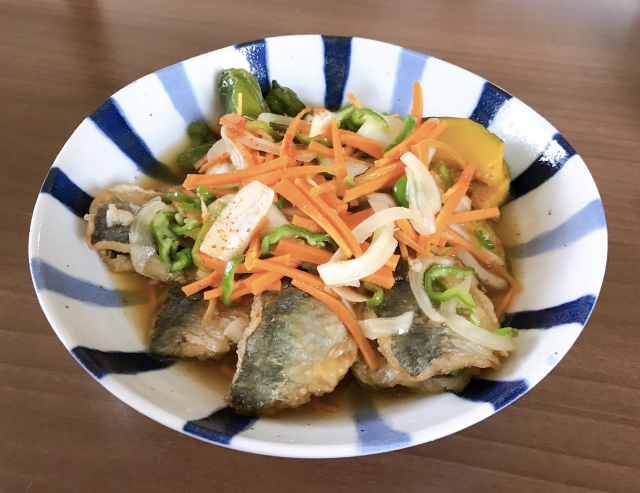
Aji Nanbanzuke (鯵の南蛮漬け) is another example of how vinegar complements rich ingredients.
Horse mackerel is fried and then marinated with vegetables, often including onions, carrots, and peppers, in a sweet-and-sour seasoning mixture.
The vinegar provides acidity that balances the fried fish, while the other seasonings help create a rounded flavor. As the dish rests, the fish and vegetables take on the flavor of the marinade.
Nanbanzuke can be enjoyed cooled and is often made ahead of time.
It demonstrates how vinegar can bring several ingredients together rather than merely adding sourness.
Vinegar-Simmered Chicken — A Surprising Use for Vinegar
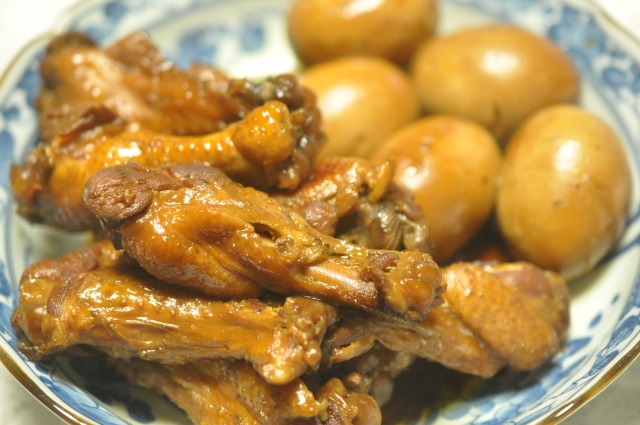
Vinegar can also be used in dishes that simmer for an extended period.
One homestyle preparation combines chicken drumettes or drumsticks with a generous amount of vinegar, soy sauce, sugar, and ginger. The result is tender chicken with a savory, slightly sweet, tangy sauce.
Despite the amount of vinegar used, the finished dish need not taste overwhelmingly sour.
The flavors develop together during cooking, creating a very different impression from pouring uncooked vinegar over meat.
This is one of the less obvious ways vinegar appears in Japanese home cooking.
Gyoza Dipping Sauce — Everyone Has Their Own Balance
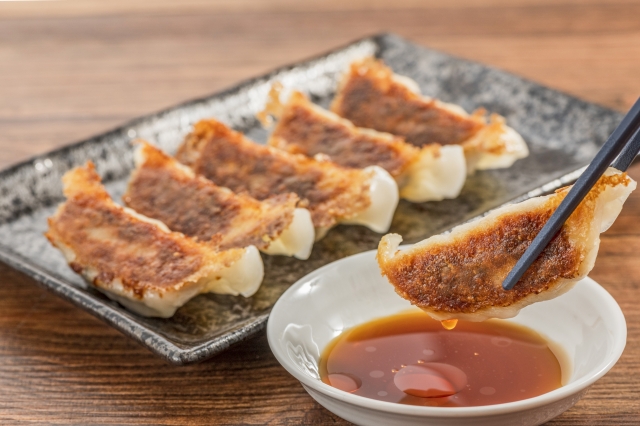
Gyoza provides a simple example of vinegar working alongside another seasoning.
A familiar dipping sauce combines soy sauce and vinegar, sometimes with chili oil added according to personal preference.
However, there is no single combination everyone follows.
Some people prefer more vinegar than soy sauce. Others enjoy gyoza with vinegar and black pepper, ponzu-based sauces, or other seasonings.
These differences are part of everyday food preferences rather than strict culinary rules.
A small dish of dipping sauce illustrates how vinegar can be adjusted to suit individual taste.
How Does Vinegar Work with Other Japanese Seasonings?
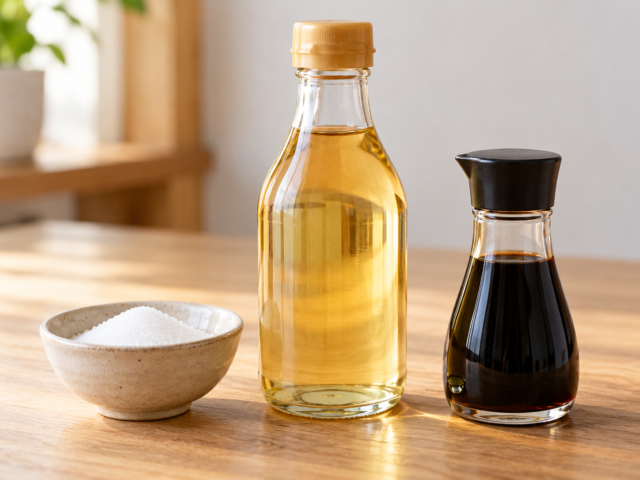
Vinegar has a strong flavor of its own, but in many Japanese dishes it is used as one part of a larger combination.
Sugar can soften the impression of acidity by introducing sweetness. Soy sauce adds saltiness, savory depth, and aroma. Dashi contributes umami, while mirin or mirin-style seasoning may provide sweetness and additional flavor.
These ingredients do not necessarily remove vinegar's acidity.
Instead, they change how that acidity is perceived within the finished dish.
As seen in sunomono, combining vinegar with sugar and small amounts of other seasonings can create a gentler, more rounded flavor. In Chicken Nanban, the same principle works alongside the richness of fried chicken. In gyoza dipping sauce, soy sauce and vinegar balance each other according to personal preference.
The proportions are not always fixed.
A recipe offers a useful starting point, but the ingredients, the strength of the vinegar, and the cook's own preferences all influence the final balance.
This is one reason plain vinegar is so useful.
Rather than starting with a mixture whose sweetness and saltiness have already been decided, you can build the flavor yourself.
Vinegar becomes one part of the seasoning rather than the entire seasoning.
When Should You Add Vinegar While Cooking?
The timing of vinegar can change the finished flavor.
Adding vinegar at the beginning of cooking is not always equivalent to adding it just before serving.
Adding Vinegar Early
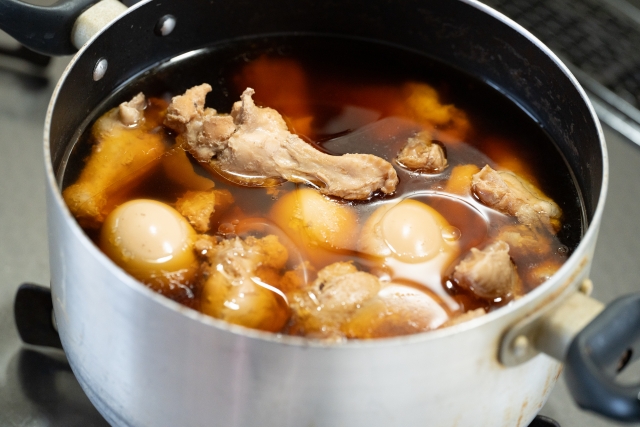
When vinegar is added to a simmered dish, it becomes part of the cooking liquid.
During heating, some volatile components, including acetic acid, can gradually escape with the steam. At the same time, the flavors of the other ingredients develop and become integrated.
This helps explain why the vinegar-simmered chicken introduced earlier can taste much mellower than the cooking liquid initially suggests.
Acidic ingredients can also affect meat proteins. However, the tenderness of slowly simmered chicken depends on several factors, including cooking time, temperature, and changes in connective tissue.
Vinegar alone does not account for the entire transformation.
Importantly, heating does not simply destroy acetic acid. How much remains depends on the cooking conditions.
Adding Vinegar at the End
Sometimes a cook wants the opposite effect.
A small splash of vinegar added near the end of cooking can provide a more noticeable acidic accent because it has less time to escape through heating.
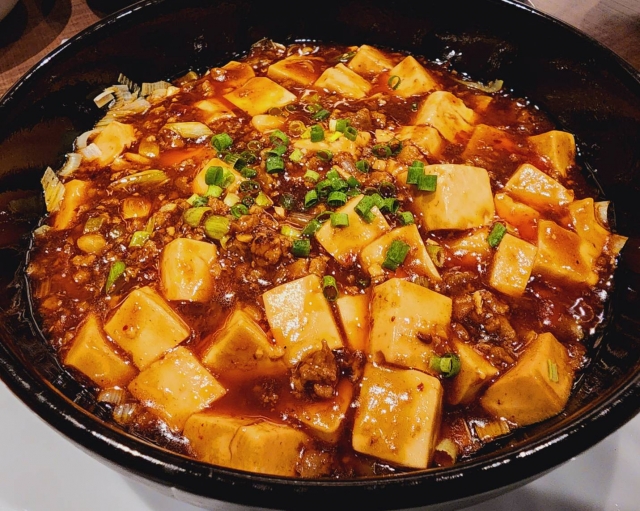
For example, some home cooks finish mapo tofu with a little vinegar to brighten its rich, spicy flavor. Mapo tofu has Chinese origins, but it is also a familiar dish in Japanese home cooking, often adapted to local tastes.
Adding vinegar at the end is not a universal requirement for the dish. It is one way to adjust the final balance.
Using Vinegar Without Heating
In sunomono, dipping sauces, and many pickled dishes, vinegar is used without prolonged cooking.
Its aroma and acidity remain more directly noticeable.
This is one reason choosing a vinegar with a flavor you enjoy can be particularly important in these preparations.
The point is not that one method is better than another, but that a cook can choose how noticeable the vinegar should be.
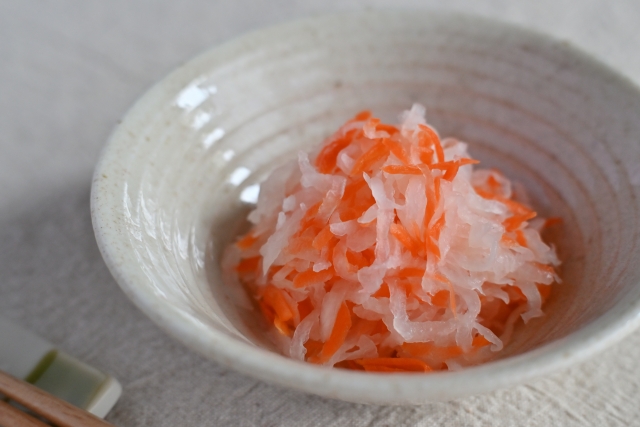
Kohaku namasu, a Japanese salad of shredded daikon and carrots dressed with sweetened vinegar, offers a simple example. It may remind some readers of French grated carrot salad, although the seasoning is different.
What Are Japanese Seasoned Vinegars?
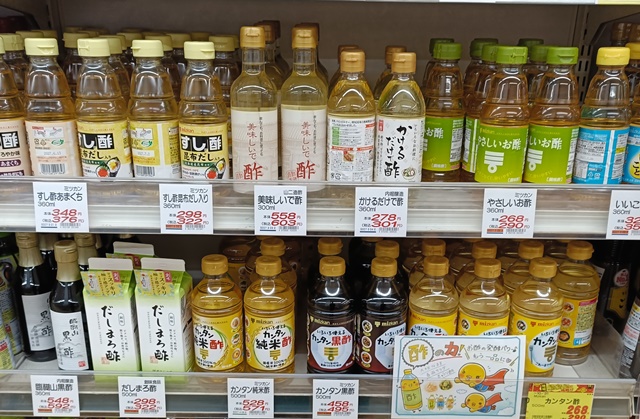
Alongside plain brewed vinegars, Japanese supermarkets sell many convenient vinegar-based seasonings.
Unlike rice vinegar or black vinegar, which are distinguished mainly by their ingredients and production methods, these products are designed around particular flavors or cooking uses. Some contain sugar and salt. Others include kombu, bonito dashi, citrus, or additional flavorings.
The following groups describe common approaches rather than strict official categories. A single product may fit more than one description.
Sushi Vinegar — Ready for Sushi Rice
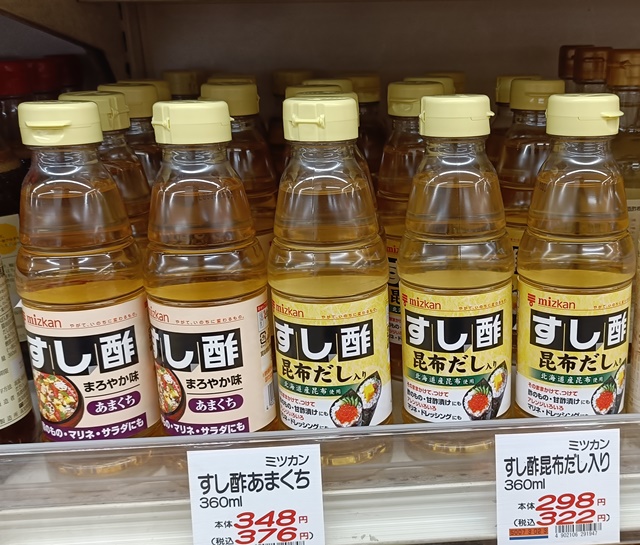
Sushi-su (すし酢) is a prepared seasoning intended for making sushi rice.
It typically combines vinegar with sugar and salt, allowing cooks to season rice without measuring each ingredient separately. Some products also include kombu or bonito-based dashi to add savory flavor.
Although these products are convenient, their sweetness and saltiness are already determined. Plain rice vinegar offers more freedom to adjust the seasoning yourself.
Sweetened Vinegar — Convenient Everyday Seasoning
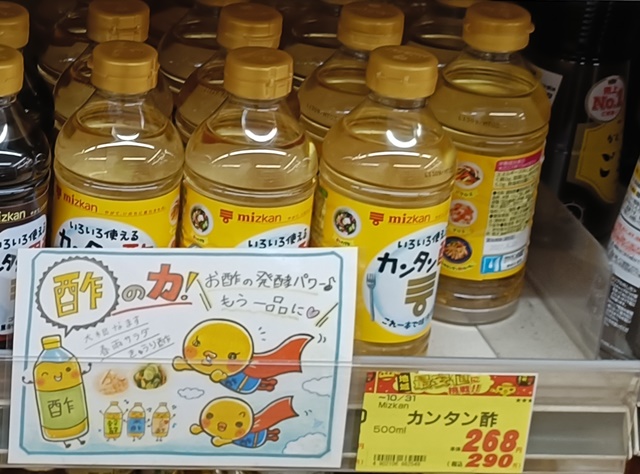
Japanese supermarkets also sell ready-to-use seasoned vinegars designed for vegetable dishes, marinades, and sweet-and-sour preparations.
Mizkan's Kantan Su is one example. It combines vinegar with other seasonings to make everyday cooking easier.
These products can save time because much of the flavor balance has already been prepared. However, a manufacturer's preferred sweetness or acidity may not match everyone's taste.
If a seasoned vinegar tastes too sweet or not sour enough, a little plain rice vinegar can help adjust the result.
Convenience and flexibility are different advantages, and neither approach is automatically better.
Dashi-Flavored Vinegar — Adding Umami
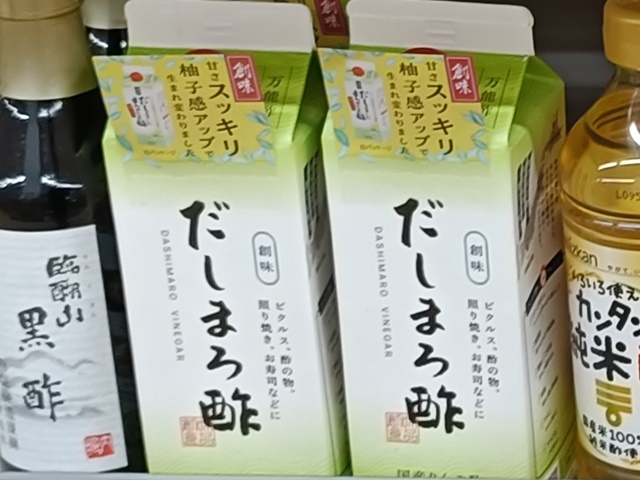
Some Japanese vinegar-based seasonings contain kombu or bonito dashi.
The purpose is not simply to create a vinegar that tastes like soup stock. Instead, dashi adds savory depth that works alongside acidity and any sweetness or saltiness already present.
For example, dashi-flavored seasoned vinegar can be used for sunomono, vegetable marinades, or nanbanzuke without preparing a separate seasoning mixture from scratch. This reflects a familiar approach to Japanese seasoning: acidity often works together with umami rather than standing alone.
Different products contain different ingredients, so their flavor balance and recommended uses vary.
Products containing bonito or other fish-derived ingredients may also be unsuitable for vegetarians. Checking the ingredient list is important.
Mild and Flavored Vinegar — Adjusting Sourness and Aroma
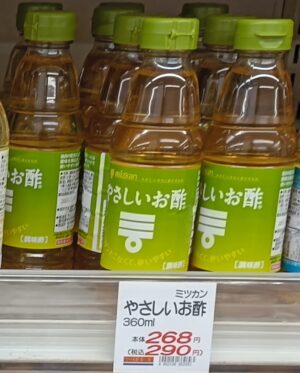
Other products are designed to provide a gentler impression of acidity or a more distinctive aroma.
Some combine brewed vinegar with sweetness, citrus juice, dashi extracts, or other ingredients. Products marketed as mild vinegar may therefore differ from plain vinegar in more ways than acidity alone.
These seasonings can be useful for people who prefer a softer, more approachable vinegar flavor.
However, a mild-tasting seasoned vinegar is not necessarily the same as a naturally mellow plain rice vinegar. The former may rely on added ingredients to produce its flavor, while the latter reflects the character of the brewed vinegar itself.
Why Product Names Can Be Confusing
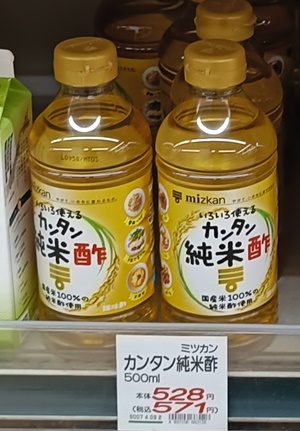
One interesting detail stands out on a Japanese supermarket shelf.
Even a product containing the words junmai-su, or pure rice vinegar, may be a prepared seasoning rather than a bottle of plain vinegar. For example, Mizkan's Kantan Junmai-su uses pure rice vinegar as its base but also contains added seasonings.
The distinction is between a vinegar used as an ingredient and a ready-seasoned product made with that vinegar.
A familiar word on the front label does not always tell the whole story.
This is why checking the ingredients is more reliable than choosing a product by name alone.
Can You Substitute Other Types of Vinegar?
For many everyday Japanese dishes, rice vinegar and standard grain vinegar can substitute for each other.
You may notice differences in aroma or perceived sharpness, especially in lightly seasoned preparations, but both offer the acidity needed for a wide range of recipes.
Black vinegar requires more consideration.
Its darker color and distinctive aroma may be desirable in a rich meat dish but distracting in lightly flavored vegetables or pale pickles.
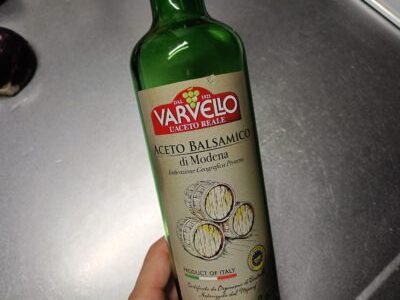
Wine vinegar and balsamic vinegar present another interesting comparison.
These products are familiar in many Western kitchens, but their flavors reflect different ingredients and culinary traditions. Red wine vinegar can bring a grape-derived character, while balsamic vinegar may contribute dark color, sweetness, and a complex aroma.
They can certainly be used creatively in Japanese-inspired dishes, but they will not always produce the flavor a Japanese recipe is intended to have.
Part of the difference comes from culinary familiarity.
Someone who grew up cooking with wine vinegar may instinctively know how it will work in a particular dish. Someone accustomed to Japanese home cooking may find rice vinegar easier to use in the same intuitive way.
Neither approach is inherently better.
The important thing is to understand how the vinegar will change the finished dish.
How Should You Choose Japanese Vinegar Outside Japan?
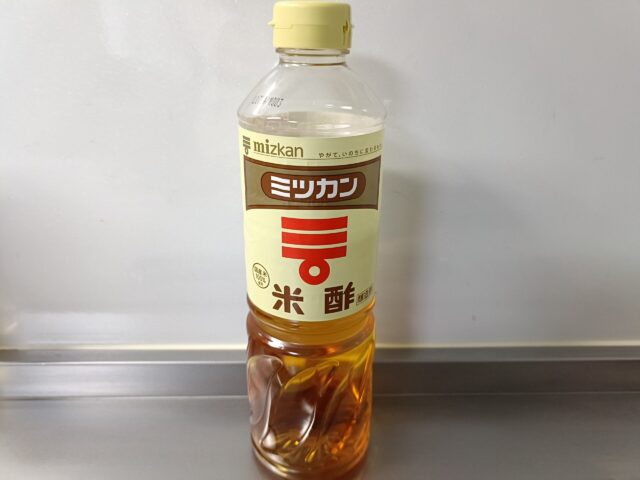
If you are just beginning to cook Japanese food, the simplest recommendation is to buy one bottle of unseasoned rice vinegar.
You can use it for cucumber sunomono, gyoza dipping sauce, sweet-and-sour chicken, vegetable marinades, and sushi rice. There is no need to purchase several varieties at once.
When shopping, pay attention to the ingredients rather than relying only on the product name.
Plain rice vinegar should be distinguished from ready-seasoned products, even when those products contain rice vinegar or pure rice vinegar as a base. A label such as Seasoned Rice Vinegar often indicates added sugar, salt, or other flavorings.
If a recipe calls for plain vinegar, using a seasoned product may unintentionally change the sweetness and saltiness of the dish.
Acidity also varies between brands and countries. When substituting a noticeably stronger or weaker vinegar, adjust gradually and taste as you cook.
If you follow a vegetarian diet, check for fish-derived ingredients in dashi-flavored seasonings.
Once you become familiar with rice vinegar, you can explore other types for their distinctive qualities.
Black vinegar may appeal to you when you want a richer aroma in a hearty dish. Red vinegar may interest you if you want to explore traditional sushi culture.
But for an ordinary Japanese pantry, one good bottle of unseasoned rice vinegar is already an excellent foundation.
What Japanese Vinegar Reveals About Home Cooking
Japanese vinegar is easy to underestimate.
It may not be as internationally recognizable as soy sauce or miso. Outside Japan, its best-known role may still be seasoning sushi rice.
But that familiar connection reveals only a small part of its place in Japanese food.
Vinegar appears in refreshing vegetable dishes, sweet-and-sour fried foods, dipping sauces, fish marinades, and comforting simmered meals.
Sometimes acidity is the defining flavor. Sometimes vinegar works quietly alongside soy sauce, sugar, and dashi. At other times, a final splash adds just enough sharpness to change how a rich dish tastes.
Choosing vinegar also involves more than sourness.
A cook may consider the colors of the ingredients, the finished aroma, the cooking method, and the flavors already present in the dish. A strong, dark vinegar might make one dish more appealing while overwhelming another.
The wide variety of seasoned vinegars in Japanese supermarkets reveals another side of this approach.
Manufacturers combine acidity with sweetness, saltiness, umami, and aroma to create convenient products for different dishes and preferences. But convenience does not eliminate the value of plain vinegar.
A basic bottle gives the cook the freedom to create those combinations according to personal taste.
This flexibility reflects a broader feature of Japanese home cooking: familiar seasonings can be combined and adjusted to create different flavors from a relatively small collection of ingredients.
You do not need to master every variety of Japanese vinegar to appreciate that approach.
Start with a bottle of rice vinegar. Make a simple sunomono, prepare a dipping sauce, or try Chicken Nanban.
Sushi may be the introduction, but there is much more to discover in an ordinary Japanese kitchen.
Author's Note
In my own cooking, I tend to choose rice vinegar for sunomono because I enjoy its mellow flavor. I combine it with sugar, a little soy sauce, salt, sesame, and sometimes other seasonings to create the balance I want.
For chicken simmered with soy sauce, sugar, and ginger, ordinary grain vinegar works well, even when I use a fairly generous amount.
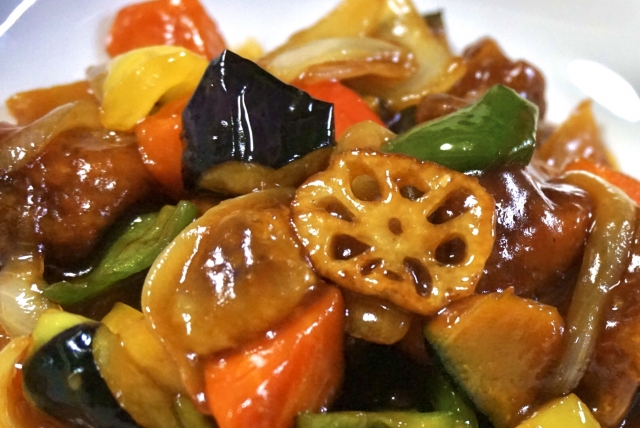
I also enjoy black vinegar in sweet-and-sour pork, where its darker color and distinctive aroma become part of the dish's appeal. But I would not automatically choose it for delicate pickled vegetables.
Convenient seasoned vinegars have their place in my kitchen, too. Sometimes, though, I find them sweeter and less sour than I want, so I add a little plain rice vinegar.
These are personal preferences, not rules that every Japanese household follows.
That is part of what makes cooking enjoyable. Over time, you begin to imagine how a dish should taste before you add the seasoning.
And when a little more vinegar makes everything come together, you know it was the right choice.
FAQ
Is Japanese rice vinegar the same as sushi vinegar?
No. Plain rice vinegar is an unseasoned vinegar, while sushi vinegar is generally a prepared mixture of vinegar, sugar, and salt. If you want to control the sweetness and saltiness yourself, choose plain rice vinegar.
Is rice vinegar less acidic than grain vinegar?
Not necessarily. Some rice vinegars have equal or even higher measured acidity than common grain vinegars. Rice vinegar may taste mellower because its overall flavor and aroma influence how the acidity is perceived.
Can I use rice vinegar instead of grain vinegar?
Yes. For many Japanese home-cooking recipes, rice vinegar and grain vinegar can substitute for each other. The finished flavor may differ slightly, but both are versatile options.
Do Japanese people use vinegar only for sushi and pickles?
No. Vinegar is also used in dipping sauces, vegetable dishes, sweet-and-sour fried foods, fish marinades, and simmered meat dishes. Its role extends well beyond sushi rice.
What is the difference between plain vinegar and seasoned vinegar?
Plain vinegar provides acidity without a ready-made balance of sweetness and saltiness. Seasoned vinegar contains additional ingredients such as sugar, salt, dashi, or citrus, which makes it convenient for particular cooking uses.
Can I use seasoned vinegar instead of plain rice vinegar?
Sometimes, but you may need to adjust the other ingredients in your recipe. Seasoned vinegar often already contains sugar and salt, so substituting it directly can change the finished flavor.
Is Japanese black vinegar better than rice vinegar?
Neither is inherently better. Black vinegar has a distinctive color, aroma, and flavor that suit some dishes particularly well, while rice vinegar is generally more versatile for everyday cooking.
Does cooking remove the sourness from vinegar?
Heating can gradually reduce some of vinegar's volatile components, including acetic acid, but it does not immediately eliminate acidity. Other ingredients and cooking conditions also influence how sour the finished dish tastes.
Do I need several kinds of Japanese vinegar?
No. A bottle of unseasoned rice vinegar is sufficient for a wide range of Japanese recipes. Other varieties are worth exploring when you want their particular flavors and characteristics.
Related Reading on YUNOMI
Japanese Pantry Guide — Explore the basic seasonings used in Japanese home cooking and how they work together.
What Is Mirin? — Learn how mirin contributes sweetness, aroma, and balance to Japanese dishes.
Japanese Cooking Sake — Discover why cooking sake is used with other seasonings in everyday home cooking.
Soy Sauce, Mirin, and Sake — Understand how three familiar seasonings create the foundation of many Japanese flavors.
Japanese Dashi Guide — Explore the role of umami-rich stocks in Japanese cooking.

