Once you start noticing soybeans in Japanese food, they seem to appear everywhere.
Tofu is made from soybeans. Miso is made by fermenting soybeans with koji. Soy sauce is brewed with soybeans and wheat. Natto is fermented soybeans. Aburaage and atsuage are fried forms of tofu. Koya-dofu is frozen and dried tofu. Kinako is roasted soybean flour. Okara is the pulp left from making soy milk and tofu. Even inari sushi, which may not look like a soybean food at first, is part of this story.
At first, these foods can seem entirely separate. Miso soup, tofu, soy sauce, natto, and inari sushi do not look like the same kind of food. But they are all part of a much larger soybean culture.
In Japanese cuisine, soybeans are not used in a single form. They are fermented, pressed, coagulated, fried, dried, roasted, seasoned, and transformed into many everyday foods.
These transformations were not random. Soybeans could be preserved, turned into seasonings, softened into tofu, fried for richness, dried for storage, roasted for sweets, or used carefully even after soy milk was made.
This article explains why soybeans are so important in Japanese food culture, how they appear in different forms, and what they reveal about the way Japanese meals are built.
Quick Summary
- Soybeans are one of the most important ingredients in Japanese food culture.
- They appear in many forms, including miso, soy sauce, tofu, natto, aburaage, atsuage, koya-dofu, kinako, okara, edamame, and inari sushi.
- Japanese cooking does not treat soybeans as a single ingredient. It transforms them through fermentation, pressing, coagulation, frying, drying, roasting, and seasoning.
- Miso and soy sauce show how soybeans can become deep, savory seasonings.
- Tofu and related foods show how soybeans can become soft, mild, flexible, fried, dried, or preserved.
- Natto, kinako, okara, and edamame show other sides of soybean culture — from fermentation to sweets to practical home cooking.
- Soybeans help explain why Japanese food often depends on small supporting ingredients rather than one large centerpiece.
Why Soybeans Matter in Japanese Food
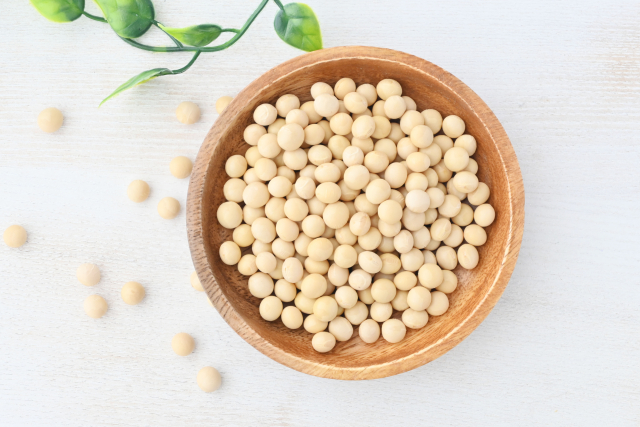
Soybeans matter in Japanese food because they are unusually flexible.
They can become a seasoning, a soup base, a side dish, a protein source, a snack, a topping, a preserved food, or part of a simple home meal.
They can be soft, sticky, salty, sweet, crisp, creamy, fermented, roasted, or dried.
This flexibility is one reason soybeans became so deeply rooted in Japanese cooking.
Many soybean foods make more sense when seen as answers to practical questions. How can soybeans be preserved and turned into deep flavor?
Ferment them into miso or soy sauce.
How can they become soft and easy to eat?
Turn them into tofu. How can tofu absorb more flavor or last longer?
Fry it, freeze it, or dry it. How can the remaining pulp be used? Cook it as okara.
Japanese meals are often built from rice, soup, side dishes, pickles, fish, vegetables, eggs, and small portions of many ingredients. In this kind of meal structure, soybeans can play many roles: miso in soup, soy sauce as seasoning, tofu as a soft side dish, natto on rice, aburaage in broth, kinako on sweets, okara in a humble home dish.
Soybeans do not appear in only one category. They move across the meal.
That is what makes Japanese soybean culture so interesting. It is not just about one famous food. It is about many small transformations that became part of daily life.
Miso: Fermented Soybean Paste
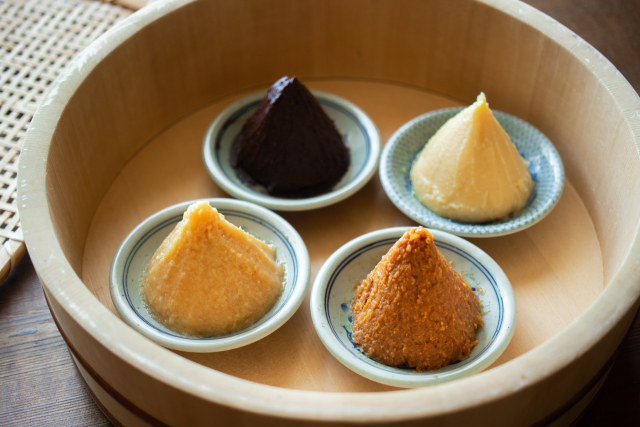
Miso is one of the most important soybean foods in Japan.
It is usually made by fermenting soybeans with koji and salt. Depending on the region, maker, and style, miso can be light or dark, sweet or salty, mild or deeply savory.
For many people, miso is most familiar as the base of miso soup. But miso is not only for soup. It can be used in marinades, sauces, simmered dishes, grilled foods, and dressings.
Miso shows one of the most important sides of soybean culture: fermentation.
Fermentation changes soybeans into something deeper, saltier, and more complex. The soybean is no longer just a bean. It becomes a seasoning with body, aroma, and umami.
This transformation also makes practical sense. Fermenting soybeans with salt created a food that could be stored, carried, and used a little at a time to season daily meals.
A spoonful of miso can give depth to a simple bowl of soup. It can turn vegetables, tofu, mushrooms, or fish into a satisfying dish.
Miso is one example of how Japanese food often builds flavor quietly — through ingredients that support the meal rather than dominate it.
Soy Sauce: Everyday Seasoning from Soybeans
Soy sauce, or shoyu, is another essential soybean-based food.
It is usually brewed from soybeans, wheat, salt, and koji. The result is a dark, salty, aromatic liquid used throughout Japanese cooking.
Soy sauce appears almost everywhere: with sushi, sashimi, tofu, grilled fish, noodles, simmered dishes, rice bowls, pickles, and dipping sauces. It can be used during cooking or added at the table.
Like miso, soy sauce depends on fermentation. But its role is different.
Miso gives body and thickness. Soy sauce gives aroma, saltiness, color, and sharpness. A small amount can define the taste of a dish.
Soy sauce is also closely connected with the history of fermented soybean pastes and the flavorful liquid that came from them. Rather than eating soybeans only as solids, Japanese food culture developed a way to turn them into a liquid seasoning that could spread flavor across many dishes.
This is one reason soybeans are so important. They do not only appear as solid foods. They also become the seasonings that shape the taste of Japanese cuisine.
Tofu: Soybeans Made Soft
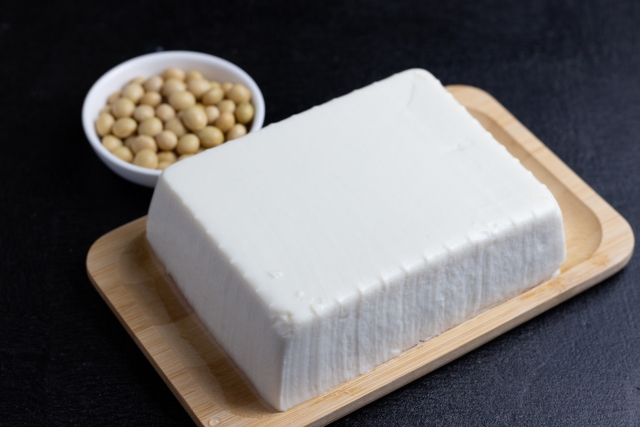
Tofu is one of the most familiar forms of soybean culture in Japan.
It is made by turning soybeans into soy milk, then adding a coagulant to help the soy milk set into soft blocks. In Japan, nigari is traditionally associated with tofu making, though modern tofu may use different coagulants depending on the maker and style.
Soy milk is also part of this story. It is the liquid made from soybeans before tofu is formed, and in modern Japan it is enjoyed as a drink as well. In the context of traditional soybean foods, however, its most important role is as the bridge between soybeans and tofu.
Tofu shows a different side of soybean culture from miso or soy sauce. Fermentation gives soybeans deep flavor. Tofu gives them softness, texture, and quiet flexibility.
Tofu is often associated with Buddhist vegetarian cooking in Japan, but it later became ordinary food far beyond temples. This matters because tofu is not mainly treated as a meat substitute in Japan. It is one everyday form of a much larger soybean culture.
Fried and Dried Tofu: Soybeans Transformed Again
Tofu itself can be transformed further.
This is where soybean culture becomes especially easy to see. Soybeans become soy milk. Soy milk becomes tofu. Tofu can then be fried, dried, seasoned, simmered, or used as part of another dish.
Aburaage: Thin Fried Tofu
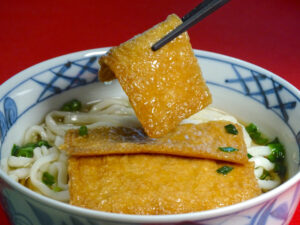
Aburaage is thin deep-fried tofu.
It is light, flexible, and absorbent, which makes it useful in miso soup and kitsune udon. It is also used for inari sushi, which shows another interesting side of soybean culture later in this article.
Frying gives tofu richness and makes it better at absorbing broth or sweet-salty seasoning.
Atsuage: Thick Fried Tofu
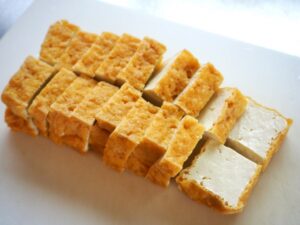
Atsuage is thick deep-fried tofu.
The outside becomes firmer and richer, while the inside remains soft. This makes it well suited to simmered or grilled dishes, where fresh tofu might be too delicate.
Atsuage shows how frying can give tofu more structure while preserving its soft center.
Koya-dofu: Frozen and Dried Tofu
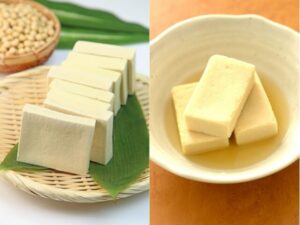
Koya-dofu is frozen and dried tofu.
Once rehydrated, it absorbs dashi and seasoning very well. It is said to be connected with mountain temple food and the need to preserve tofu through freezing and drying.
Fresh tofu is delicate and does not keep long. Koya-dofu turns tofu into a dried food that can be stored, rehydrated, and used in simmered dishes.
Together, these foods show how soybean culture often works through layered transformation. A soybean can become soy milk, tofu, fried tofu, dried tofu, or part of another dish. By the time it reaches the table, it may no longer look like a soybean at all — but it still belongs to the same chain.
Natto: Fermented Soybeans on Rice
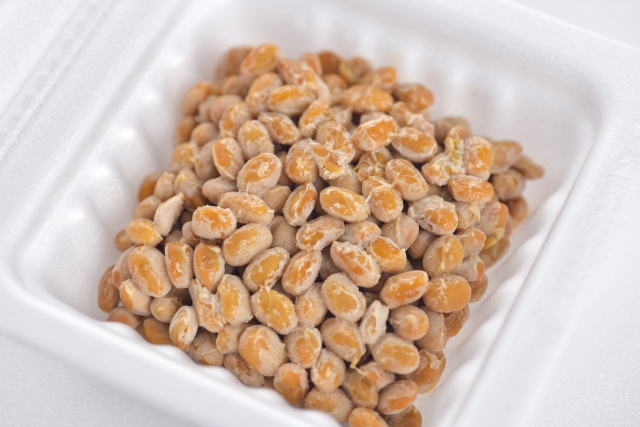
Natto is one of Japan's most distinctive soybean foods.
It is made by fermenting whole soybeans. The result is sticky, stringy, strongly aromatic, and deeply divisive among those who did not grow up with it.
In Japan, natto is often eaten with rice, mixed with soy sauce, mustard, green onion, raw egg, or other toppings. For many people, it is a familiar breakfast food or quick home meal.
Natto shows a different side of fermentation from miso and soy sauce.
Miso and soy sauce are transformed into seasonings. Natto remains visibly soybean-like — you can still see the beans. But their texture, aroma, and flavor have changed dramatically.
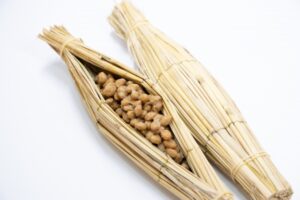
Traditional natto was historically associated with rice straw, which provided a natural environment for fermentation.
Natto is also surrounded by origin stories of accidental fermentation. One common story says that boiled soybeans wrapped in straw fermented while being carried, perhaps during travel or military movement. Whether or not the story is literally accurate, it fits natto well: soybeans, straw, warmth, and time turning an ordinary bean into something completely different.
Fermentation in Japanese food is not only quiet and subtle. Sometimes it is bold, sticky, and unmistakable.
Natto is not loved by everyone, even in Japan. But it is one of the clearest examples of how deeply soybeans are embedded in everyday food culture.
Kinako: Roasted Soybean Flour
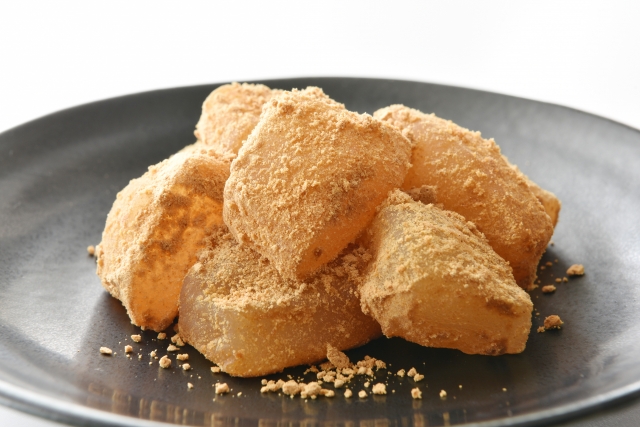
Kinako is often used as a fragrant topping for traditional Japanese sweets such as warabi mochi.
Soybeans also appear in Japanese sweets.
Kinako is roasted soybean flour. It has a nutty aroma and is often used with mochi, dango, warabi mochi, and other traditional sweets.
When roasted and ground, soybeans become fragrant and faintly sweet. They can be dusted over soft rice cakes or mixed with sugar to create a simple topping.
This is a different kind of soybean transformation — not fermented like miso or soy sauce, not coagulated like tofu, but roasted and powdered. It answers a different practical question: how can soybeans become a fragrant topping for sweets?
Kinako is a reminder that soybeans in Japan are not limited to savory main dishes. They also appear in the small pleasures around tea, sweets, and childhood snacks.
Okara: The Humble Byproduct
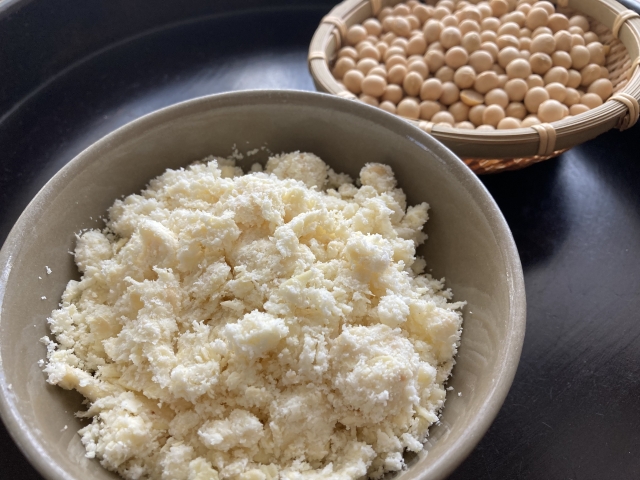
Okara is the pulp left after soy milk is made.
Because tofu is made from soy milk, okara is closely connected to tofu production. It is pale, soft, and mild, and it can be used in everyday home cooking — simmered with vegetables, used in croquettes, added to baked goods, or mixed into various dishes.
Okara is humble and easy to overlook, but it reflects something important about Japanese food culture: using what remains.
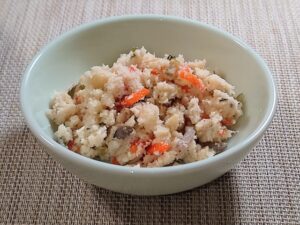
This is not only about avoiding waste. It also reflects a practical way of thinking about ingredients. One process can yield more than one usable product. Soybeans become soy milk. Soy milk becomes tofu. What is left can still become a dish.
Not every soybean food is celebrated. Some are quiet, modest, and practical. Okara fits that world — and its presence in Japanese cooking says something real about how ingredients are valued here.
Edamame: Young Soybeans
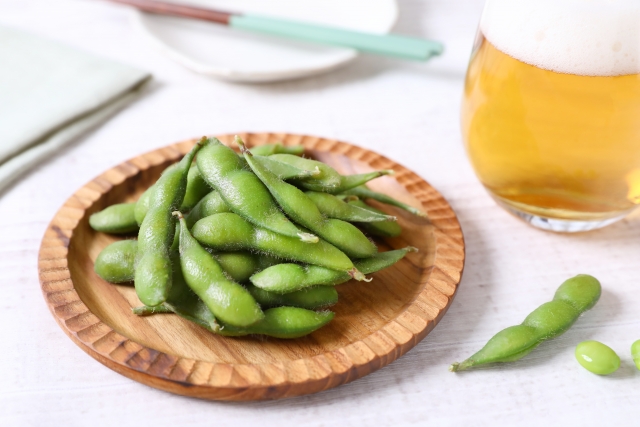
Edamame are young soybeans, harvested before they fully mature.
They are often boiled or steamed in their pods and lightly salted. Many people know edamame as a snack — especially alongside drinks — but they are also part of the larger soybean story.
Edamame is different from most other soybean foods because it requires no major processing. It is not fermented, pressed, coagulated, fried, or dried. It is simply the young soybean, enjoyed for its fresh flavor and texture.
In this sense, edamame shows the starting point. Before soybeans become miso, soy sauce, tofu, natto, or kinako, they are beans. Edamame lets people experience that directly.
It also shows how the same plant can appear in both fresh and deeply transformed forms — sometimes in the same meal.
Inari Sushi: A Soybean Food in Disguise
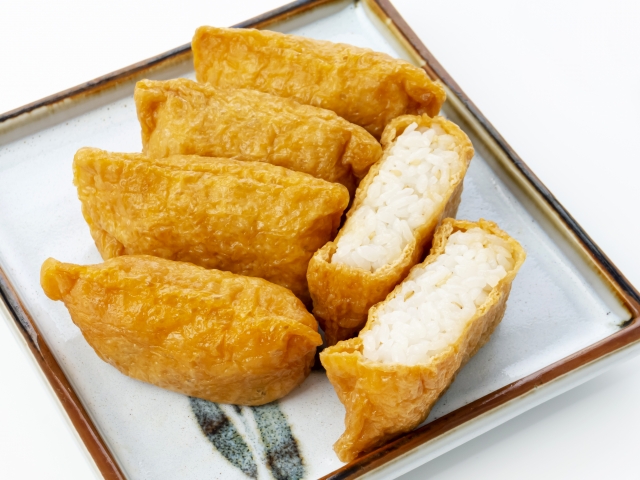
Inari sushi may not look like a soybean food at first.
It is made by filling seasoned aburaage with sushi rice. Since aburaage is thin deep-fried tofu, and tofu is made from soybeans, inari sushi belongs to the soybean story too.
This is a good example of how soybeans can disappear into familiar dishes. Someone eating inari sushi may think first of sushi rice, sweetness, and the soft pouch-like shape. But the pouch itself comes from tofu — fried, seasoned, and filled.
Inari sushi also carries a cultural dimension beyond the ingredient. It is associated with Inari shrines and with foxes, which are linked to Inari in Japanese belief and folklore.
A soybean becomes soy milk. Soy milk becomes tofu. Tofu becomes aburaage. Aburaage is simmered in sweet-salty seasoning. Then it becomes the wrapper for sushi rice.
By the time it reaches the table, it no longer looks like a soybean at all.
That is exactly what makes inari sushi such an interesting part of Japanese soybean culture — a food built through layers of transformation: agricultural, culinary, and cultural.
Soybeans and the Structure of Japanese Meals
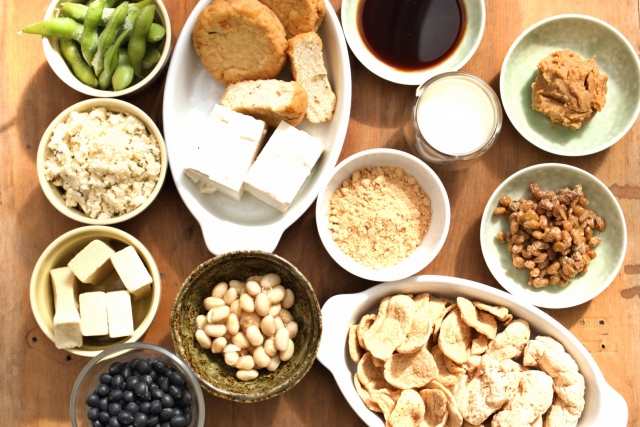
Soybean foods often appear around rice, which is usually the center of the Japanese meal.
Miso may become soup. Soy sauce may season fish, vegetables, tofu, pickles, or rice toppings. Tofu may appear in miso soup or as a small side dish. Natto may be placed directly on rice. Aburaage may absorb broth in noodles or soup. Kinako may appear in a sweet snack.
In one day, a person might eat miso soup in the morning, soy sauce with lunch, tofu at dinner, and kinako in a snack — without thinking of any of them as "soybean foods."
That ordinary repetition matters.
Soybean foods do not always stand out as a category. They are woven into the meal from many directions — soup, seasoning, side dish, noodles, snacks, and sweets.
This is why soybeans feel so natural in Japanese food. They are not only one ingredient. They are part of the structure that surrounds rice throughout the day.
What Soybeans Reveal About Japanese Food Culture
Soybeans reveal how Japanese food culture often transforms simple ingredients into many roles.
One plant can become a seasoning, a soup base, a side dish, a preserved food, a snack, a sweet topping, or part of sushi. It can be fermented, pressed, coagulated, fried, dried, roasted, or seasoned.
Soybeans also show the value of supporting ingredients. Miso and soy sauce shape the flavors around them. Tofu, aburaage, and koya-dofu absorb other flavors. Kinako adds aroma to sweets. Natto brings a bold fermented presence to rice. Okara reflects a practical habit of using what remains.
This is not only a story about variety. It is also a story about careful use.
Soybeans are rarely the star of the meal. But they help build the structure behind many Japanese meals.
Once you notice them, Japanese food begins to look different.
Author's Note
Before thinking carefully about Japanese food culture, I did not always notice how many soybean foods were around me.
Tofu felt like tofu. Miso soup felt like miso soup. Soy sauce was just something on the table. Natto was natto. Inari sushi was simply inari sushi.
But when you look at them together, the pattern becomes hard to miss.
Japanese food has transformed soybeans in so many directions that it almost feels surprising. One bean becomes miso, soy sauce, tofu, aburaage, atsuage, koya-dofu, natto, kinako, okara, edamame, and even part of inari sushi.
What interests me is that most of these foods do not feel special in daily life. They feel ordinary — the kind of things that appear in soup, rice bowls, small side dishes, snacks, or simple home meals.
That ordinariness is exactly what makes them important.
I also find okara interesting because it shows another side of this culture. Even what remains after soy milk is made can still become food. It is not glamorous, but it says something real about practical home cooking and the careful use of ingredients.
Inari sushi is interesting in a different way. It looks like a small sushi pouch, but behind it is a long chain: soybean, soy milk, tofu, fried tofu, seasoned aburaage, and finally sushi. It also carries the imagery of Inari shrines and foxes, which gives it a cultural layer beyond the ingredient itself.
On YUNOMI, I often write about foods that seem simple until you see the structure behind them. Soybean foods are a perfect example — everywhere in Japanese food, but not always in a way that draws attention to itself.
Once you notice them, you begin to see Japanese meals differently.
FAQ
Why are soybeans important in Japanese food culture?
Soybeans appear in many forms — miso, soy sauce, tofu, natto, aburaage, atsuage, koya-dofu, kinako, okara, and edamame — and support Japanese meals through flavor, texture, fermentation, preservation, and everyday practicality.
What Japanese foods are made from soybeans?
Many are. Examples include miso, soy sauce, tofu, natto, aburaage, atsuage, koya-dofu, kinako, okara, edamame, and inari sushi.
Are miso and soy sauce made from soybeans?
Yes. Miso is usually made by fermenting soybeans with koji and salt. Soy sauce is usually brewed from soybeans, wheat, salt, and koji.
Is tofu a soybean food?
Yes. Tofu is made by processing soybeans into soy milk, then coagulating and forming the soy milk into blocks.
Is soy milk part of Japanese soybean culture?
Yes. Soy milk is made from soybeans and serves as the bridge between soybeans and tofu. In modern Japan, it is also enjoyed as a drink.
What is natto?
Natto is fermented whole soybeans — sticky, stringy, strongly aromatic, and often eaten with rice.
What is aburaage?
Aburaage is thin deep-fried tofu, used in dishes such as miso soup, kitsune udon, and inari sushi.
What is kinako?
Kinako is roasted soybean flour, often used with Japanese sweets such as mochi, dango, and warabi mochi.
What is okara?
Okara is the pulp left after making soy milk. It is connected to tofu production and can be used in simmered dishes, croquettes, baked goods, and other home-cooked foods.
Is edamame the same as soybeans?
Edamame are young soybeans harvested before they fully mature, usually boiled or steamed in their pods and lightly salted.
Why does soy appear in so many Japanese foods?
Because soybeans can be transformed in many ways — fermented, pressed, coagulated, fried, dried, roasted, seasoned, or eaten young. Each transformation produces a different food with a different role.
Is inari sushi made from soybeans?
Indirectly, yes. Inari sushi uses seasoned aburaage, which is thin deep-fried tofu. Since tofu is made from soybeans, inari sushi belongs to the larger soybean story.
Related Reading on YUNOMI
- What Is Tofu in Japan? Why It Is More Than a Meat Substitute
- What Is Miso? The Fermented Paste at the Heart of Japanese Food Culture
- Why Is Miso Soup So Common in Japan?
- What Is Dashi? The Quiet Broth Behind Japanese Flavor
- What Is Japanese Rice? Why Short-Grain Rice Matters in Japanese Food Culture

