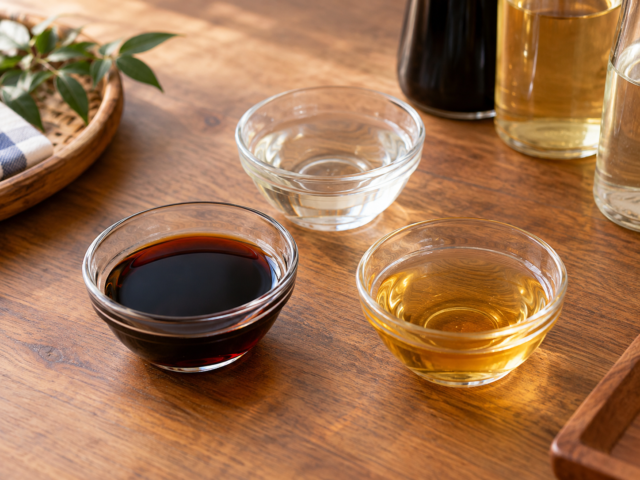
If you have ever followed a Japanese recipe, you may have noticed the same three ingredients appearing again and again: soy sauce, mirin, and sake.
They are common in dishes such as teriyaki chicken, simmered fish, and nikujaga, a Japanese meat and potato stew. Sometimes a recipe uses equal amounts of all three. Other times, the proportions are completely different.
Why do Japanese cooks combine these particular seasonings? What does each one contribute, and do you really need all three?
The answer is not simply that they taste good together. Each seasoning brings different flavors and cooking properties, and understanding those differences makes it easier to use them effectively.
Quick Summary
- Soy sauce provides saltiness, umami, and a distinctive fermented aroma.
- Mirin contributes sweetness, depth, and gloss. Hon mirin also contains alcohol.
- Sake adds flavor and aroma, and can help reduce certain unwanted odors during cooking.
- Their properties overlap, so different combinations produce different results.
- The type of mirin or cooking sake matters, particularly when a product contains added salt.
- A 1:1:1 ratio can be a useful starting point, but it is not a universal rule.
- Understanding each seasoning helps you adjust recipes to suit the ingredients and the flavor you want.
What Does Each Seasoning Bring to the Dish?
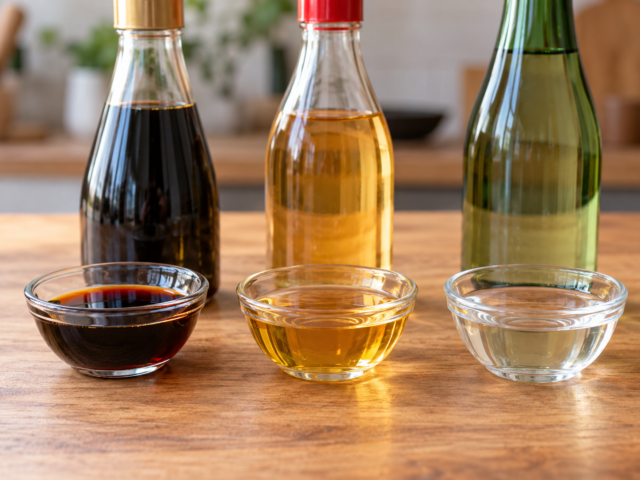
Soy sauce, mirin, and sake are often treated as a set of three basic Japanese seasonings. However, they are not interchangeable, and each does a different job.
Each contains a different mix of salt, sugars, alcohol, amino acids, and aromatic compounds. These differences influence both flavor and what happens during cooking.
Soy Sauce: Saltiness, Umami, and Aroma
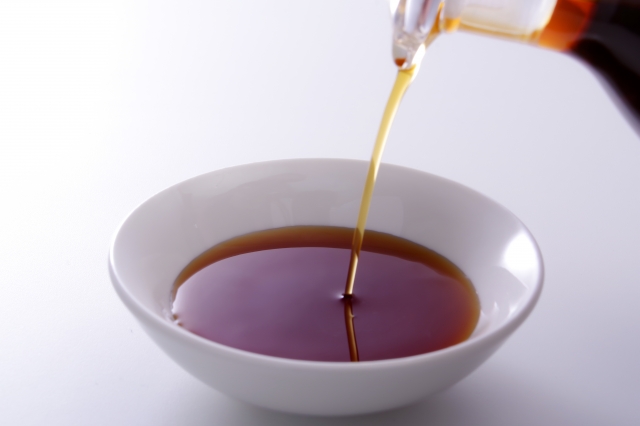
Soy sauce provides the salty, savory foundation of many Japanese dishes, along with a distinctive fermented aroma.
Its most obvious contribution is saltiness, but soy sauce is much more than liquid salt. Fermentation produces amino acids, including glutamate, that contribute umami and give soy sauce its characteristic savory depth.
Fermentation also creates a complex mixture of aromatic compounds. When heated, these aromas can change, sometimes producing appealing roasted notes.
Adding more soy sauce therefore affects several things at once: saltiness, savory flavor, aroma, and color.
This is why increasing soy sauce is not always the right solution when a dish seems to lack flavor.
Mirin: Sweetness, Flavor, and Gloss
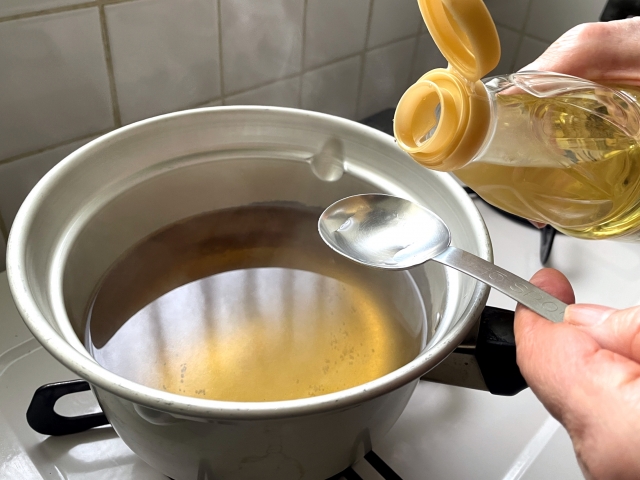
Mirin contributes sweetness and flavor while helping create the glossy finish associated with many Japanese dishes.
Traditional hon mirin is made from glutinous rice, rice koji, and shochu or another permitted alcohol source. It contains a mixture of sugars, alcohol, and other compounds that give it a characteristic flavor distinct from ordinary table sugar.
Its sugars contribute sweetness and help create an attractive glaze when a sauce is reduced. This is especially noticeable in dishes such as teriyaki, where the sauce becomes concentrated as water evaporates.
Hon mirin can also influence cooking in less obvious ways. Its alcohol may help reduce certain unwanted odors, and the combination of alcohol and sugars can help some ingredients hold their shape during simmering.
These effects depend on the ingredients and cooking conditions rather than occurring automatically.
For everyday cooking, mirin's most noticeable contributions are usually sweetness, flavor, and appearance.
Sake: Aroma, Flavor, and Cooking Effects
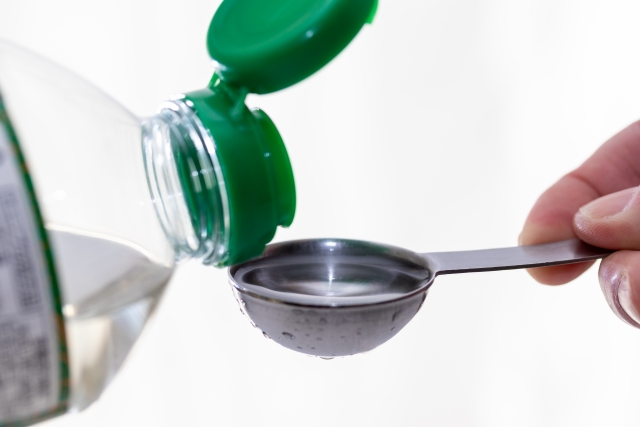
Sake adds more than liquid to a dish. Its alcohol and flavor compounds can influence aroma, taste, and certain cooking processes.
Sake is often associated with reducing the unwanted odors of meat and fish. Alcohol can contribute to this effect during cooking, although the result depends on the ingredients and method used.
Sake also contains amino acids, organic acids, and aromatic compounds that contribute to its characteristic flavor. Some of these components can enhance the overall taste of a dish.
Depending on the ingredients and cooking method, alcohol may also influence how flavors are absorbed and how the food's texture changes.
This is why sake is not simply a substitute for water. It brings its own flavor and cooking properties to the dish.
Why Do These Three Seasonings Work Together?
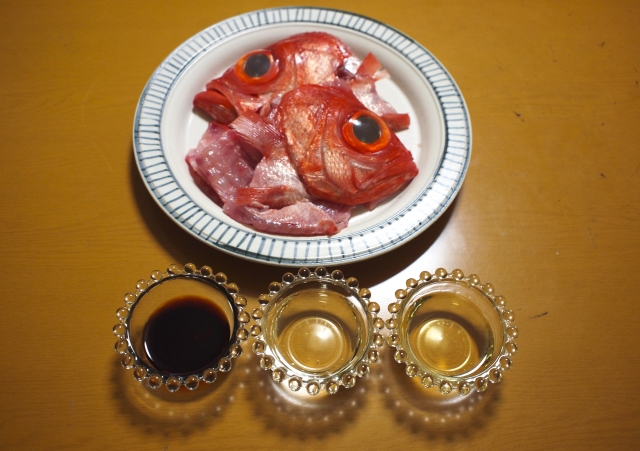
Understanding the individual ingredients is the first step. The next is recognizing how their contributions interact.
Balancing Different Flavors
Soy sauce, mirin, and sake can create a balance of salty, sweet, savory, and aromatic elements.
Saltiness can make sweetness more noticeable, while sweetness can soften the perception of strong saltiness. Umami and aroma add further depth to the finished flavor.
This balance does not come from a single fixed proportion. It depends on the ingredients being cooked and the kind of dish the cook wants to make.
A concentrated glaze needs a different balance from a lightly seasoned simmered dish.
Overlapping Cooking Effects
The three seasonings do not have completely separate functions.
Soy sauce and sake both contribute savory flavor. Hon mirin and sake both contain alcohol, which may help with unwanted odors during cooking.
However, sharing one trait does not make two seasonings interchangeable.
Hon mirin is noticeably sweet and has a flavor of its own. Sake contains much less sugar and has a different aroma.
Their overlap gives you flexibility, while their differences explain why combining them can produce results that none of them would create alone.
Does the Type of Mirin or Sake Change the Result?
Yes. Two cooks can follow the same recipe and still produce different results if the seasonings they use have different compositions.
This is particularly important with mirin and cooking sake, which are available in several forms.
Different Types of Mirin
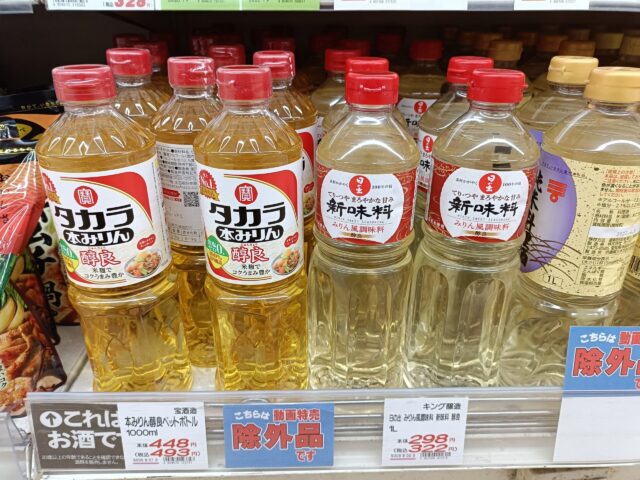
Hon mirin contains sugars and alcohol, along with compounds derived from rice and koji.
Mirin-style seasoning, known as mirin-fu chomiryo, contains very little or virtually no alcohol. It is designed to provide sweetness and other seasoning effects, including gloss.
Mirin-type fermented seasoning is another category. It contains alcohol but also added salt.
These products can all be useful in Japanese cooking, but they do not behave identically.
For example, combining mirin-style seasoning with sake can provide both sweetness and alcohol. However, this does not reproduce the exact flavor or composition of hon mirin.
The practical lesson is to check what a product actually contains rather than assuming that everything labeled mirin has the same properties.
Salted and Unsalted Cooking Sake
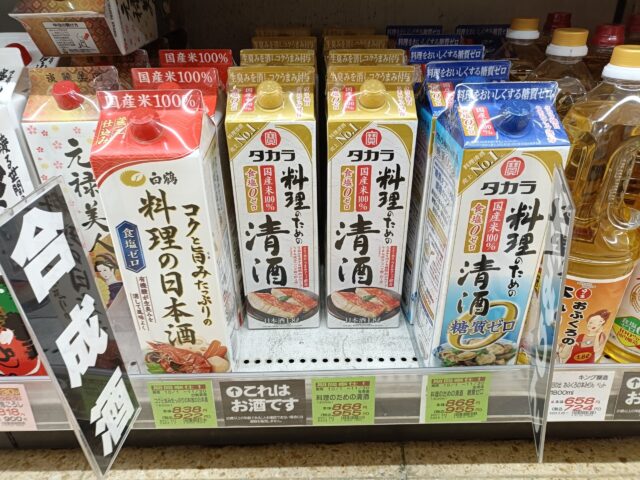
Some cooking sake products contain added salt, while others do not. Regular drinking sake is generally unsalted, but a product labeled cooking sake should not automatically be assumed to be salt-free.
This difference becomes important when sake is combined with soy sauce or mirin-type fermented seasoning.
If several ingredients already contain salt, the finished dish may be saltier than expected even when you follow the recipe's measurements exactly.
Checking ingredient lists and nutrition labels can help prevent this problem.
Do You Need All Three? Is 1:1:1 the Right Ratio?
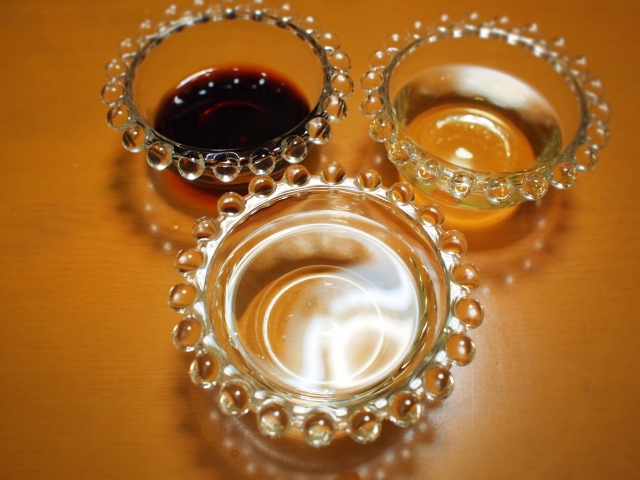
Not every Japanese dish needs all three seasonings.
Soy sauce and mirin alone can create a satisfying sweet-savory glaze. Some dishes use sake without either of the others, while certain preparations need little or no added sweetness.
What matters is the result you want, rather than including all three ingredients simply because they frequently appear together.
Equal parts soy sauce, mirin, and sake, often expressed as a 1:1:1 ratio, can be a convenient starting point for certain sauces.

For example, one tablespoon of each makes a small batch of sweet-savory sauce that is easy to taste and adjust.
However, this ratio does not guarantee a balanced result in every dish.
Cooking methods affect the final balance. A glaze is reduced, while a simmered dish may contain dashi and moisture released by its ingredients.
The products used also make a difference. Equal amounts of salted and unsalted cooking sake do not contribute the same amount of salt.
A ratio is therefore a guide, not a guarantee.
Measurements tell you how much to add. Understanding the ingredients helps you decide whether those measurements make sense.
How Are These Seasonings Used in Everyday Cooking?
The roles of soy sauce, mirin, and sake become clearer when you look at what different dishes are trying to achieve.
The same seasonings may appear in several recipes, but the cooking method changes how they are used.
Teriyaki: Creating a Glaze
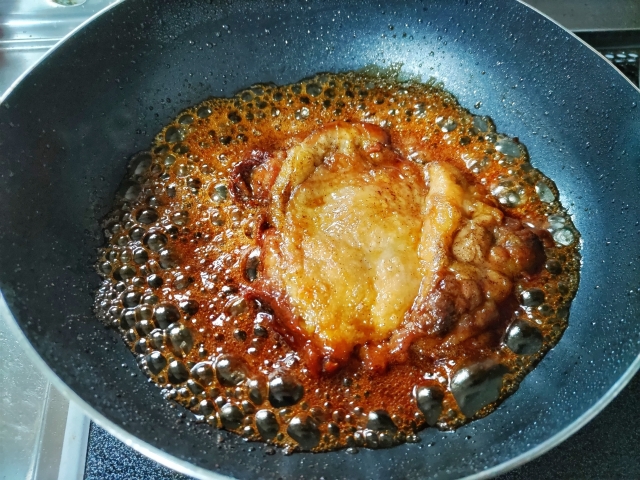
Teriyaki is a good example of combining flavor and appearance.
The sauce needs a sweet-savory balance and enough concentration to coat the surface of meat or fish. Mirin's sugars contribute to the glossy finish, while soy sauce creates the recognizable savory character.
Sake can add flavor and help manage unwanted odors during cooking.
Because the sauce is reduced, both sweetness and saltiness become more concentrated, so the final result depends on how far it is reduced as well as on the initial proportions.
Nikujaga: Balancing a Simmered Dish
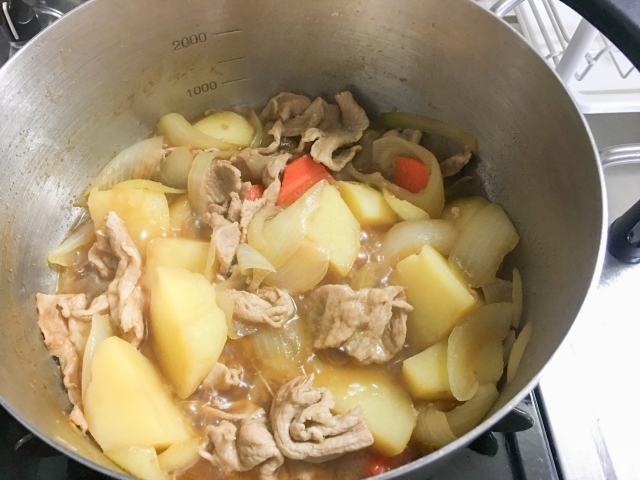
Nikujaga, a Japanese meat and potato stew, uses seasonings in a different environment.
Potatoes, onions, meat, and other ingredients simmer in liquid that may include dashi. During cooking, the ingredients release moisture and flavor into the surrounding liquid.
Onions contribute their own sweetness, while meat and dashi can add savory depth.
The aim is usually not to create a thick coating but to develop a balanced simmering liquid and well-seasoned ingredients.
This changes how the proportions of soy sauce, mirin, and sake should be considered.
Simmered Fish: Managing Aroma
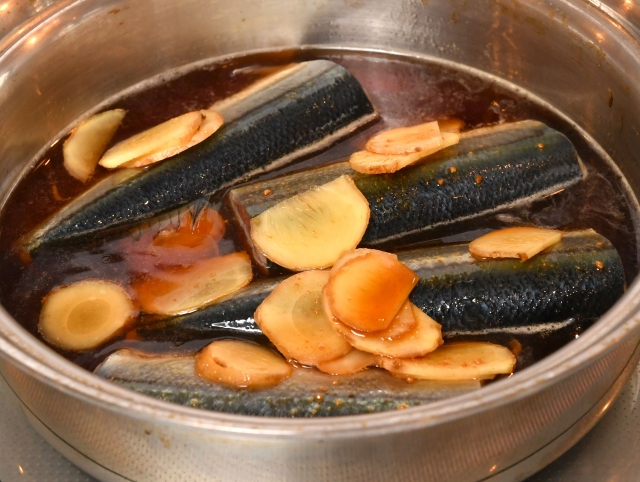
In simmered fish dishes, the natural aroma of the fish becomes an additional consideration.
Sake may help reduce certain unwanted odors while contributing flavor. Soy sauce and mirin help create the sweet-savory character of the simmering liquid.
Ginger, sugar, and other ingredients may also be used, depending on the preparation.
Here, seasoning is not only about balancing saltiness and sweetness. It also involves deciding how the fish's natural aroma should be expressed in the finished dish.
Does the Order of Adding Seasonings Matter?
The timing of seasoning can influence how ingredients absorb flavor, how their texture changes, and which aromas remain in the finished dish.
However, no single sequence is appropriate for every preparation.
The Traditional Sa-Shi-Su-Se-So Rule
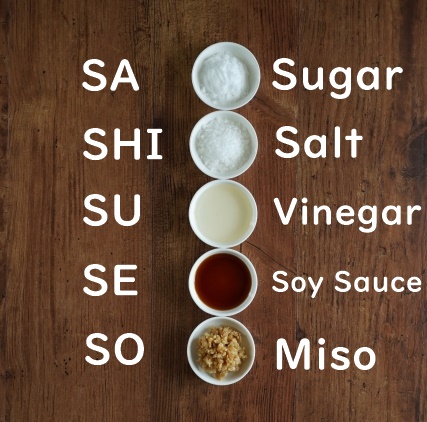
A well-known guideline in Japanese cooking is sa-shi-su-se-so, a mnemonic based on the Japanese names of the seasonings. It lists the order in which they are traditionally added: sugar, salt, vinegar, soy sauce, and miso.
This reflects practical knowledge developed through experience. In simmered dishes, sugar is often added before salt. Salt can draw moisture from ingredients through osmosis and change their texture, while sugar and salt are absorbed differently during cooking.
Soy sauce and miso are added later because long cooking can dull their aromas.
Treat this as a rule of thumb rather than an absolute rule.
When Should Mirin and Sake Be Added?
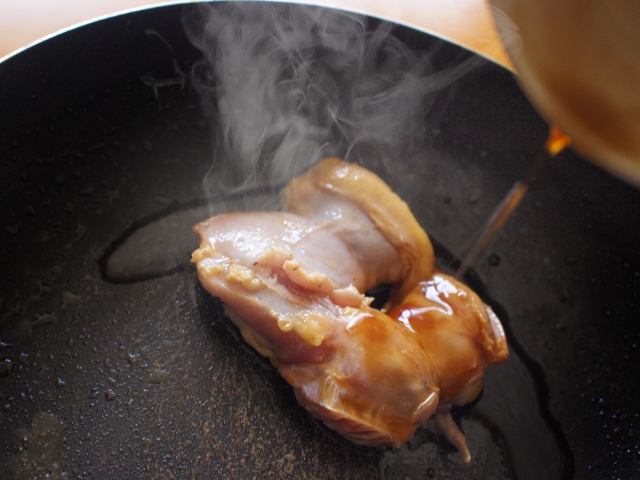
Sake and hon mirin are often added early in simmered dishes when the cook wants to make use of their alcohol-related cooking effects.
Mirin may also be added later when the goal is to emphasize sweetness or gloss without prolonged cooking.
For a quick teriyaki sauce, however, soy sauce, mirin, and sake can be mixed together and added at the same time.
The timing depends on whether the aim is to season ingredients during cooking, manage aroma, or produce a particular finish.
How Do You Adjust the Flavor as You Cook?
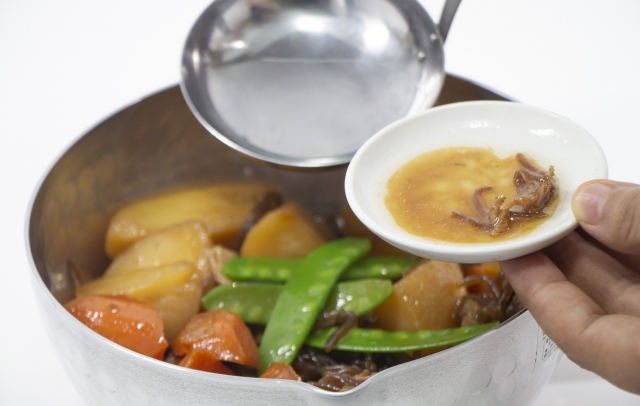
Recipes provide useful measurements, but the finished flavor depends on more than the amount of seasoning added.
Ingredients vary in sweetness, fat content, umami, and moisture. Heating changes the concentration of the cooking liquid, sometimes making the final result stronger or weaker than expected.
Understanding the seasonings helps you respond to these differences.
Adjusting a Teriyaki Sauce
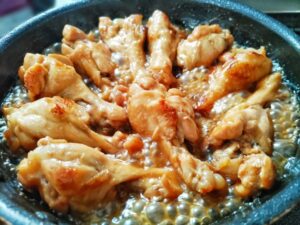
Imagine making teriyaki sauce and finding that the saltiness is already sufficient, but the flavor lacks sweetness.
Adding more soy sauce would only increase the saltiness. A little mirin may be more appropriate, followed by careful reduction if the sauce also needs a thicker, glossier consistency.
Now imagine the opposite situation: the sauce becomes too salty after reducing.
Adding sugar or mirin may change how salty it tastes, but it does not remove the salt. Diluting the sauce with a small amount of water or unsalted dashi, then adjusting it carefully, may be a better option.
The important skill is identifying what actually needs to change before adding another seasoning.
Finding What a Simmered Dish Needs
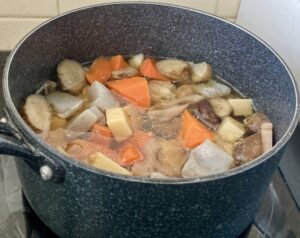
A simmered dish presents a different challenge because its ingredients release varying amounts of flavor and moisture.
If the cooking liquid seems weak, it may need more seasoning. But the problem could also be excessive liquid, insufficient savory depth, or simply a lack of concentration.
Sometimes the dish needs additional cooking time. Sometimes a small amount of sugar or salt is enough. In other cases, the natural flavor of the ingredients may already be sufficient.
What This Combination Reveals About Japanese Home Cooking
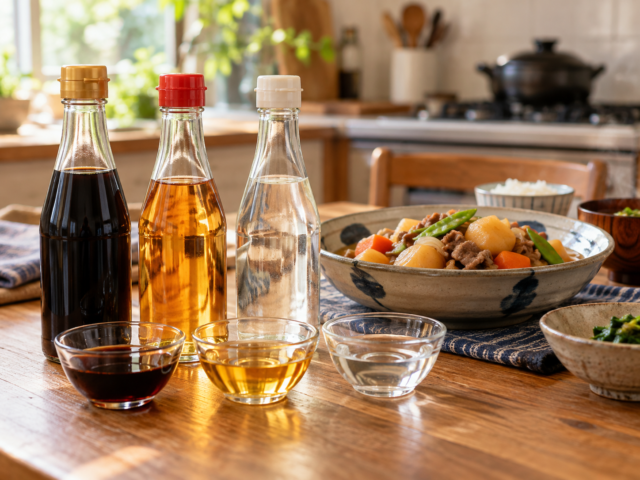
Soy sauce, mirin, and sake demonstrate how a relatively small group of seasonings can produce a wide variety of flavors.
A glossy teriyaki sauce, a gently seasoned stew, and a richly flavored fish dish may use the same bottles, but the proportions and methods differ because the desired results are different.
There is no single perfect formula. Familiar seasonings are combined according to the ingredients, cooking method, and personal preferences.
Understanding their roles helps explain why recipes use different proportions—and how to adapt when the ingredients or products at hand are different.
Author's Note
When I cook at home, I usually have a familiar taste in mind before I begin. I know roughly how soy sauce, mirin, and sake will affect the dish, so I can imagine how their flavors might come together.
But ingredients are never exactly the same. The sweetness of onions, the richness of meat, and the amount of moisture released during cooking can all vary. Even when I make the same dish, I may need to adjust the seasoning differently.
I am not simply guessing, and I am not trying to reproduce a recipe exactly from fixed measurements. I start with a flavor I remember, consider the ingredients in front of me, and adjust as I cook.
I think this is something experienced home cooks around the world will recognize. Understanding what each ingredient contributes makes it easier to cook toward a flavor you have in mind while allowing for the natural differences in the food itself.
FAQ
Why are soy sauce, mirin, and sake often used together?
They contribute complementary flavors and cooking properties. Soy sauce provides saltiness and umami, mirin adds sweetness and gloss, and sake contributes flavor and alcohol-related effects. Their overlapping properties also make the combination flexible.
Can I use mirin-style seasoning with cooking sake?
Yes. Mirin-style seasoning can provide sweetness while cooking sake supplies alcohol and additional flavor. However, the result will not be identical to using hon mirin, and products containing added salt may require adjustments.
Do Japanese recipes always need all three seasonings?
No. Different dishes require different combinations. Some use soy sauce and mirin without sake, while others use sake without added sweetness.
Is a 1:1:1 ratio of soy sauce, mirin, and sake always correct?
No. Equal parts can be a useful starting point for certain sauces, but the appropriate proportions depend on the dish, cooking method, and specific products used.
Should I add sake and mirin before soy sauce?
Not necessarily. Sake and hon mirin may be added early for certain cooking effects, but some dishes combine all three seasonings at once. The ideal timing depends on the preparation.
Can I replace mirin with sugar?
Sugar can replace some of mirin's sweetness, but it does not reproduce its characteristic flavor or alcohol-related properties. You may need to adjust other ingredients and liquids depending on the recipe.
Related Reading
Japanese Pantry Guide: Essential Seasonings for Japanese Home Cooking: Learn how a small collection of seasonings forms the foundation of everyday Japanese cooking.
What Is Mirin?: Explore the differences between hon mirin, mirin-style seasoning, and mirin-type fermented seasoning.
What Is Cooking Sake?: Understand sake's role in Japanese cooking and how salted and unsalted products differ.
Japanese Soy Sauce: Discover how soy sauce develops its distinctive saltiness, umami, and aroma.
Japanese Dashi Guide: Learn how dashi contributes another layer of flavor to Japanese simmered dishes and other foods.

