
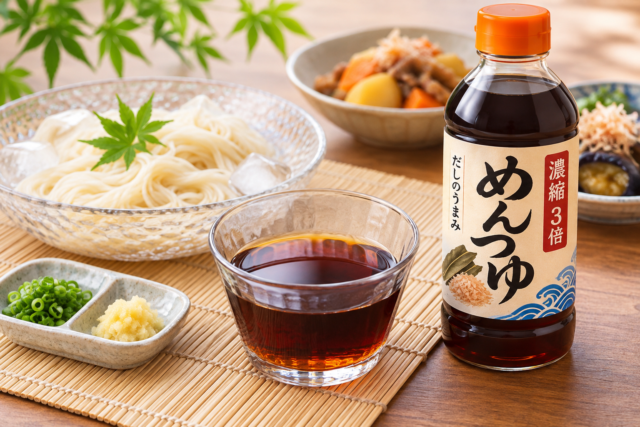
Walk through the seasoning aisle of a Japanese supermarket and you may find a surprising number of bottles of similar-looking brown liquid. Some labels emphasize bonito dashi, while others highlight kombu, carefully selected soy sauce, or a blend designed for soba.
Even the concentration levels vary from bottle to bottle. Many of these products are called mentsuyu (めんつゆ), a Japanese noodle sauce made with dashi, soy sauce, and sweet seasonings.
But mentsuyu is much more than a convenient mixture of familiar ingredients. Manufacturers develop their own balance of dashi, soy sauce, aroma, and sweetness.
The result is a sauce that may be easy to use but surprisingly difficult to reproduce exactly at home. And although it was developed for noodles, mentsuyu has become a useful foundation for many other Japanese dishes.
Quick Summary
- Mentsuyu (めんつゆ) is a seasoned Japanese sauce made with dashi, soy sauce, and sweet ingredients such as mirin or sugar.
- Its flavor depends on the dashi ingredients, soy sauce, sweetness, and the manufacturer's blending choices.
- Many products are concentrated and can be diluted with water for cold or hot noodle dishes.
- Different brands offer different flavors. The best choice depends on personal taste and how you plan to use it.
- Mentsuyu can be a finished sauce for noodles or a seasoning base for dishes such as oyakodon and nikujaga.
- Most conventional bottled products require refrigeration after opening. Always follow the label.
What Is Mentsuyu?
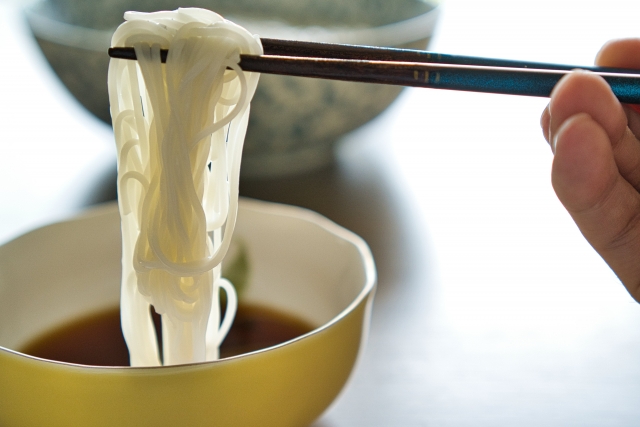
Mentsuyu is commonly served as a dipping sauce for chilled Japanese noodles such as somen and soba.
Mentsuyu literally means "noodle sauce" or "noodle broth." It is commonly used for Japanese noodles such as soba, udon, and somen.
Most products contain a combination of dashi-derived ingredients, soy sauce, and sweet seasonings. Some use dried bonito, other dried fish, or kombu, while others combine different extracts and flavoring ingredients.
The concept seems simple, but the finished product involves more than mixing these ingredients together.
Each manufacturer decides how much emphasis to place on dashi aroma, soy sauce richness, sweetness, and overall balance. As a result, two bottles with similar ingredient lists can taste noticeably different.
Some products are designed for particular noodle dishes, while others are marketed as versatile seasonings for everyday cooking.
Why Is Commercial Mentsuyu More Than a Simple Mixture?
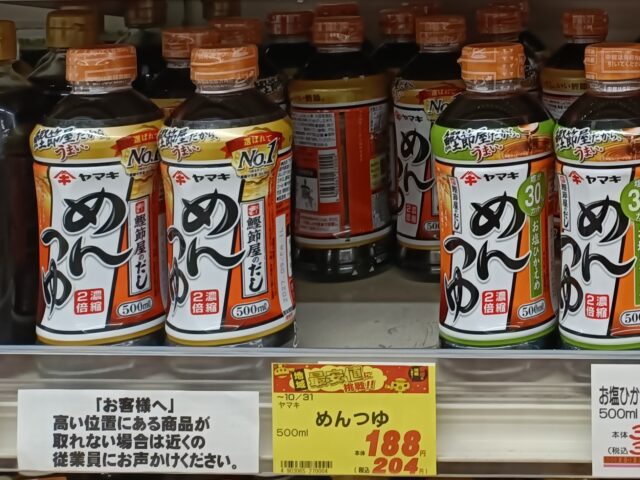
One example comes from Yamaki, a Japanese company known for bonito flakes and dashi products. Yamaki explains that it selects bonito flakes and soda-bushi specifically for its mentsuyu. It also incorporates other dried fish ingredients and uses a specialized circulation method to extract the dashi.
The company combines this dashi with a specially prepared soy sauce-based seasoning blend called kaeshi. This helps explain why commercial mentsuyu is more than a simple mixture of familiar ingredients.
What Is Kaeshi?
Kaeshi is a soy sauce-based seasoning mixture, often made with sugar and mirin, that forms the seasoning base of traditional Japanese noodle sauces, particularly soba tsuyu.
In traditional soba preparation, kaeshi and dashi are often prepared separately before being combined. Some types of kaeshi are rested to mellow the sharpness of the soy sauce, while freshly prepared dashi contributes its distinctive aroma and umami.
This shows why making a flavorful noodle sauce involves more than simply combining the right ingredients. How the ingredients are prepared and how their flavors are balanced also matter.
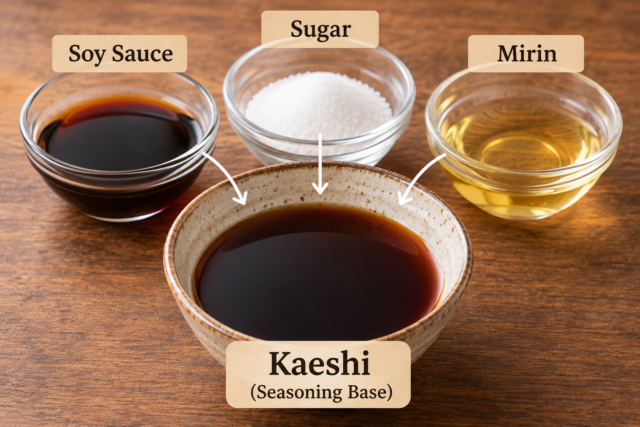 Kaeshi is a soy sauce-based seasoning made with sugar and mirin. It is combined with dashi to prepare traditional Japanese noodle sauce.
Yamaki’s example shows how manufacturers can make deliberate choices about ingredients, extraction, and seasoning. Not every bottled mentsuyu follows traditional methods; some products rely on prepared extracts and other flavoring ingredients.
Nevertheless, commercial mentsuyu is a carefully formulated product with its own flavor profile, not simply a generic mixture of soy sauce and stock.
Why Is Dashi So Important in Mentsuyu?
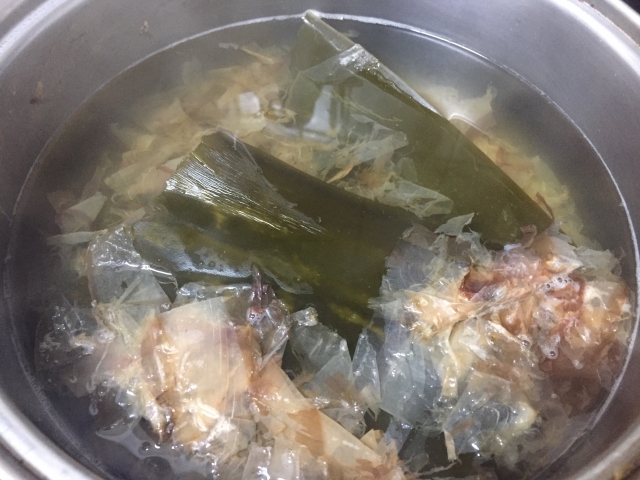
Dashi gives mentsuyu much of its savory depth and characteristic aroma. Soy sauce adds saltiness, color, and its own distinctive flavor. Mirin, sugar, and other sweet ingredients help create balance.
But the dashi is often what makes one mentsuyu especially appealing to someone who enjoys Japanese noodle broth.
Common dashi ingredients include:
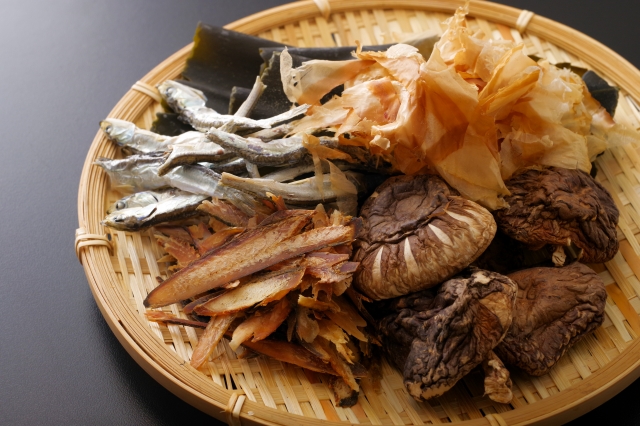
- Katsuobushi: Dried, smoked bonito flakes with a distinctive aroma and savory flavor.
- Kombu: Dried kelp that contributes glutamate-rich umami.
- Soda-bushi: Dried flakes made from frigate mackerel, often used to create a stronger, richer fish-based dashi.
- Niboshi: Dried small fish, often Japanese anchovies, used to give dashi a pronounced savory character.
Manufacturers can combine these ingredients in different ways, creating variations in aroma, richness, and aftertaste. A sauce that emphasizes bonito may taste quite different from one designed around kombu, even when both contain soy sauce and sugar.
Why Buy Mentsuyu Instead of Making It at Home?
Making a basic noodle sauce at home is relatively straightforward. You can prepare dashi, add soy sauce and mirin, and adjust the sweetness. Granulated dashi makes the process much faster.
However, there is a difference between making a usable noodle sauce and reproducing the flavor of a particular commercial product. Preparing richly flavored dashi from dried ingredients takes materials, time, and care. Recreating a manufacturer's specific combination of ingredients and aromatic qualities can be even more difficult.
This helps explain the value of bottled mentsuyu. For cold noodles, especially, a concentrated product can be diluted with cold water and served almost immediately. You do not have to prepare hot stock, season it, and wait for it to cool before eating.
The convenience is not simply that someone has already mixed the seasonings. Much of the work involved in developing and preparing a flavorful dashi-based sauce has already been done.
Why Do Different Brands of Mentsuyu Taste So Different?
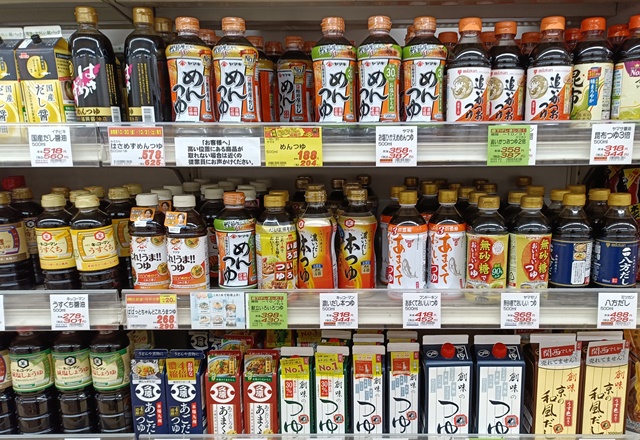
Mentsuyu is not a single standardized flavor. Some products have a prominent bonito aroma, while others emphasize kombu, soy sauce richness, or a particular balance of sweetness and saltiness.
These differences help explain why Japanese supermarkets stock so many varieties.
Dashi, Soy Sauce, and Sweetness
The three main influences on its flavor are the dashi, the soy sauce, and the sweet seasonings. Dashi determines much of the sauce's savory character and aroma. Soy sauce contributes more than saltiness; its fermentation-derived flavors also influence the finished product.
Sweetness changes how the other flavors are perceived. A slightly sweeter sauce may feel rounder, while a less sweet one may allow the salty or savory elements to stand out. The final result depends on how these elements work together.
That balance, rather than any single ingredient, gives each product its character.
What Do Japanese Supermarket Shelves Reveal?
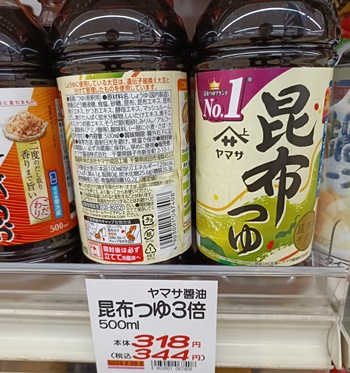
A supermarket shelf in Mie Prefecture provides a useful real-world example. Among the products displayed were Yamasa Kombu Tsuyu, Mizkan Oigatsuo Tsuyu, and Hasamezu Mentsuyu from Fukuoka Shoyu, a soy sauce maker in Mie Prefecture.
Their names highlight different aspects of the product: kombu, bonito flavor, or a particular manufacturer's established seasoning range. Other bottles emphasized concentration levels, specific noodle dishes, or different approaches to sweetness.
The variety makes one thing clear: Japanese consumers are offered more than a single generic noodle sauce. However, the wording on a label is only a clue. It does not establish exactly how strong a product's dashi aroma will be, or whether one bottle is better than another.
Finding a favorite often comes down to trying different products.
How Do You Choose Mentsuyu in Japan?
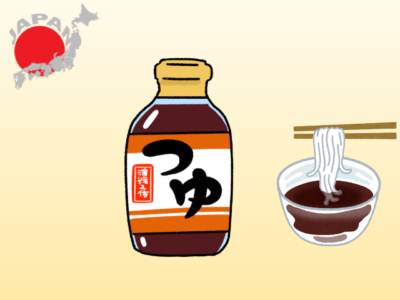
For someone unfamiliar with Japanese seasonings, the number of bottles can be confusing. A practical starting point is to decide what kind of flavor you want and which dish you plan to make.
Someone who prefers a prominent soy sauce character may enjoy a different mentsuyu from someone who wants a broth where the dashi stands out. A sauce that tastes excellent with cold soba may not necessarily be your favorite for hot udon.
Useful Japanese Label Words
| Japanese | Meaning |
|---|---|
| かつおだし | Bonito dashi |
| 昆布だし | Kombu dashi |
| 追いがつお | Additional bonito flavor or aroma |
| 濃縮 | Concentrated |
| ストレート | Ready to use as is, without dilution |
| そばつゆ | Soba sauce |
| そうめんつゆ | Somen sauce |
Labels can help narrow the options, but the manufacturer's recommended uses and ingredient list provide additional context. For international shoppers, a smaller bottle may be a sensible first purchase when trying an unfamiliar brand.
Does Regional Food Culture Influence Taste?
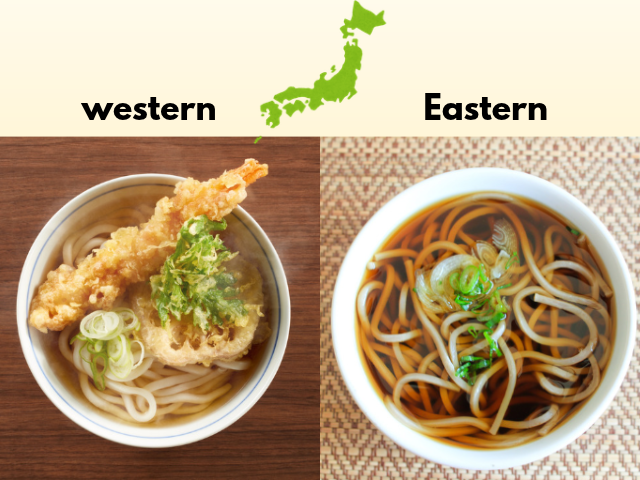
Examples of regional noodle traditions: lighter udon broth in western Japan and darker soba broth in eastern Japan. Actual flavors vary by dish and location.
Regional traditions can shape what people consider a familiar or satisfying noodle broth. Noodle dishes in eastern Japan are often associated with darker, more soy sauce-forward broths. In many western Japanese udon traditions, the broth has a lighter appearance, with dashi taking a prominent role.
These are broad tendencies rather than strict regional rules. Soba and udon have different traditions, and individual restaurants, households, and manufacturers develop their own styles.
Personal experience matters too. Someone accustomed to a dashi-forward Kansai-style udon broth might prefer a lighter soy sauce character and a stronger dashi impression.
Another person may enjoy the richness of a darker, sweeter sauce, particularly with soba. Neither preference is inherently better.
There is no single best mentsuyu. The right choice depends on your taste, the noodles you enjoy, and the dishes you want to make.
Price is another consideration, but a premium bottle is not automatically the best match for everyone's taste.
What Do 2x, 3x, and 4x Concentrated Mean?
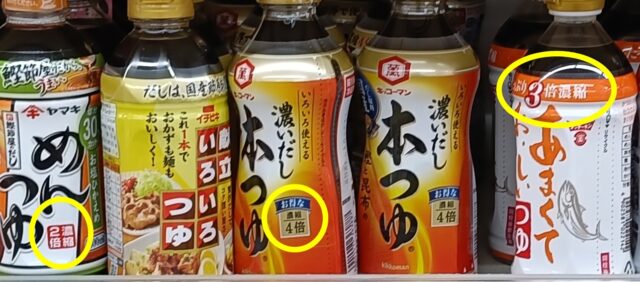
Many mentsuyu products are sold in concentrated form. Japanese labels commonly display terms such as 2倍濃縮 (2x concentrated), 3倍濃縮 (3x concentrated), and 4倍濃縮 (4x concentrated).
These numbers tell you how to dilute the sauce for its intended use. For a typical noodle dipping sauce, the basic ratios are:
| Type | Mentsuyu : Water |
|---|---|
| 2x concentrated | 1 : 1 |
| 3x concentrated | 1 : 2 |
| 4x concentrated | 1 : 3 |
For example, 30 ml of 3x concentrated mentsuyu plus 60 ml of water makes approximately 90 ml of dipping sauce.
However, this is only a general guide. The correct amount of water may differ depending on the product and whether you are making a dipping sauce, a noodle soup, or another dish.
The dilution instructions printed on the bottle should always take priority.
Does Higher Concentration Mean Better Dashi?
No. A 4x concentrated product is designed to be diluted more than a 2x product. That does not automatically mean it contains better dashi or has a richer aroma after dilution. The flavor depends on the ingredients and the manufacturer's formulation, not just the concentration number.
Concentrated products can be economical and space-efficient because a smaller amount produces a larger volume of prepared sauce. But when comparing prices, remember that two bottles of the same size may produce different amounts of ready-to-use sauce.
How Is Mentsuyu Used for Soba, Udon, and Somen?
Mentsuyu can be used for both cold and hot noodles. However, the appropriate strength depends on how the noodles are served.
Tsuke-Tsuyu: Sauce for Dipping Noodles
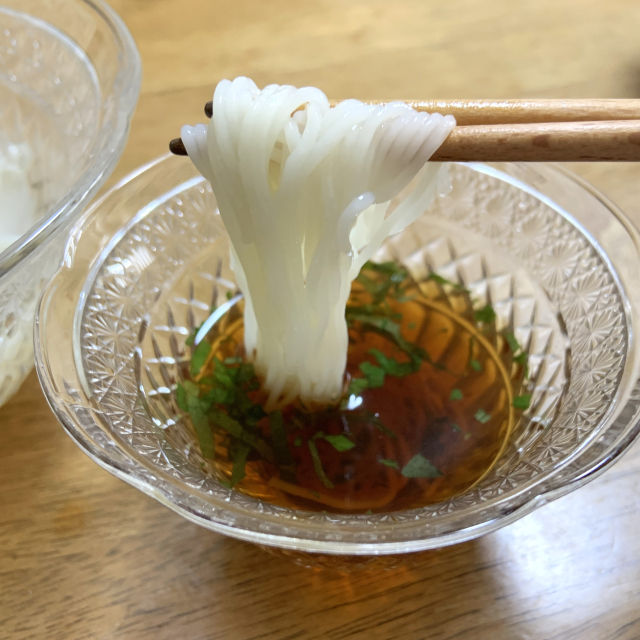
Tsuke-tsuyu is a dipping sauce served separately from the noodles. It is commonly used with cold soba and somen. The noodles are picked up with chopsticks and dipped into a small bowl of sauce.
Because the sauce coats only part of the noodles, it is generally more concentrated than the broth used for noodle soup. This is where bottled mentsuyu becomes particularly convenient.
When making cold somen at home, the noodles can be boiled, rinsed, and chilled while the dipping sauce is prepared simply by mixing concentrated mentsuyu with cold water. There is no need to make a hot sauce in advance and cool it down. For a quick summer meal, that simplicity is a major advantage.
Kake-Tsuyu: Broth for Noodle Soup
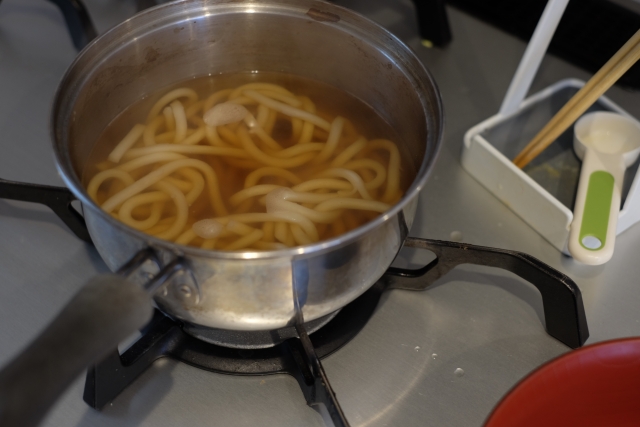
Kake-tsuyu is the broth served with noodles in a bowl, as in hot udon or soba. Since the broth is eaten along with the noodles, it is normally more diluted than a dipping sauce.
Concentrated mentsuyu can be diluted to the manufacturer's recommended strength and heated for this purpose. However, someone who enjoys a particularly dashi-forward udon broth may want to supplement the sauce with additional dashi. Others may prefer the original flavor exactly as the manufacturer intended.
Do People Adjust Mentsuyu for Different Noodles?
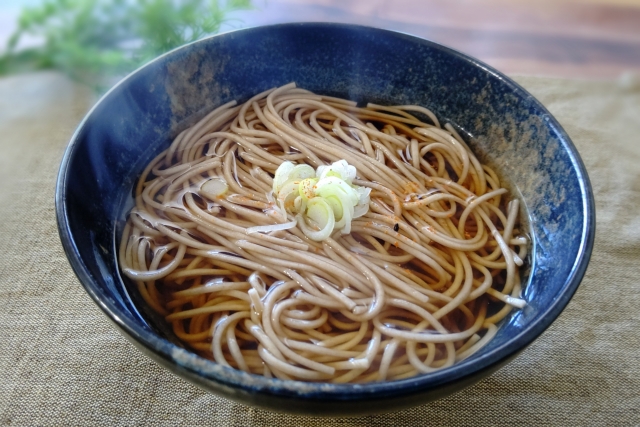
Some households do, while others use the recommended dilution without changing anything. For example, a person might prefer a slightly sweeter dipping sauce for soba but a lighter, more dashi-forward broth for udon.
Adding a little sugar, soy sauce, or dashi allows the same bottle to serve different preferences. This is not necessarily a matter of correcting a poorly made product. It is simply part of adapting a prepared seasoning to the food being served and the taste of the person eating it.
Why Does Mentsuyu Work in Other Japanese Dishes?

Although mentsuyu was developed for noodles, its ingredients overlap with the seasoning foundations of many Japanese home-cooked dishes. Dashi, soy sauce, mirin, and sugar appear in different combinations throughout Japanese cooking.
The proportions vary, and not every dish uses all of them. Nevertheless, the shared ingredients make mentsuyu a useful starting point for a wide range of meals. This versatility is also reflected in consumer research.
In a September 2026 online survey of 10,908 respondents by MyVoice Communications, approximately 84% reported using commercially prepared mentsuyu or dashi-tsuyu. Among users, just under 60% said they actively used these products for purposes other than noodle sauce.
The MyVoice Communications survey figures describe the survey respondents and include both mentsuyu and related dashi-tsuyu products. They should not be treated as a precise measure of mentsuyu use in every Japanese household. Still, they help illustrate that these seasonings are not limited to noodles.
Oyakodon: Chicken and Egg Rice Bowl
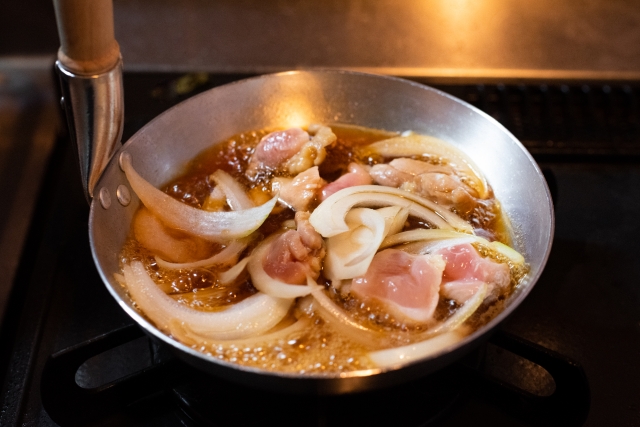
Oyakodon is made by simmering chicken and onion in a sweet-savory broth before adding beaten egg. The seasoning commonly involves dashi, soy sauce, mirin, and sugar, so mentsuyu can provide a convenient starting point.
Depending on the brand and personal preference, additional mirin or sugar may be used to adjust the sweetness.
Nikujaga: Meat and Potato Stew
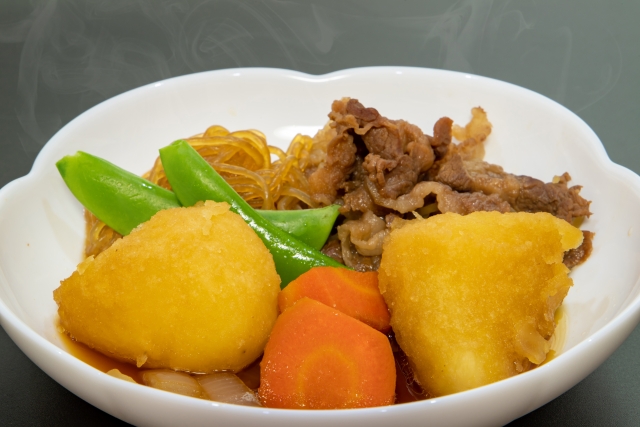
Nikujaga is a home-style simmered dish featuring meat, potatoes, and vegetables. Its seasoning often includes dashi, soy sauce, mirin, sake, and sugar.
Mentsuyu can supply several of these flavor elements at once, although the final balance may need adjustment.
Ajitsuke Tamago: Seasoned Eggs
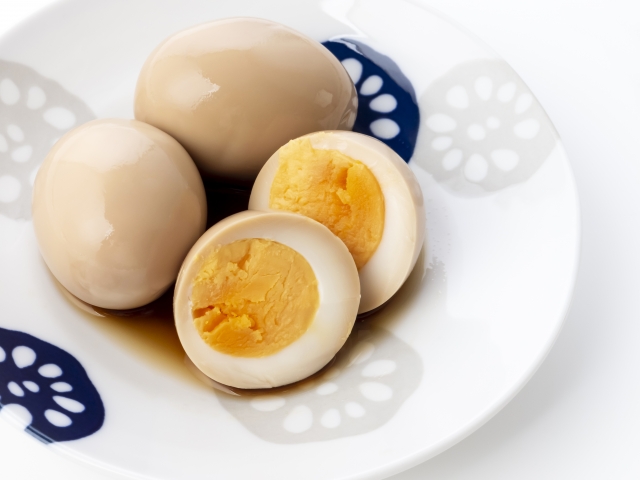
Boiled eggs can be marinated in appropriately diluted mentsuyu. The sauce provides saltiness and savory flavor without requiring several separately measured seasonings. This is a simple example of mentsuyu moving beyond its original role as a noodle sauce.
Keep the eggs refrigerated and follow safe preparation and storage practices, especially when using soft-boiled eggs.
Japanese-Style Pasta and Vegetables
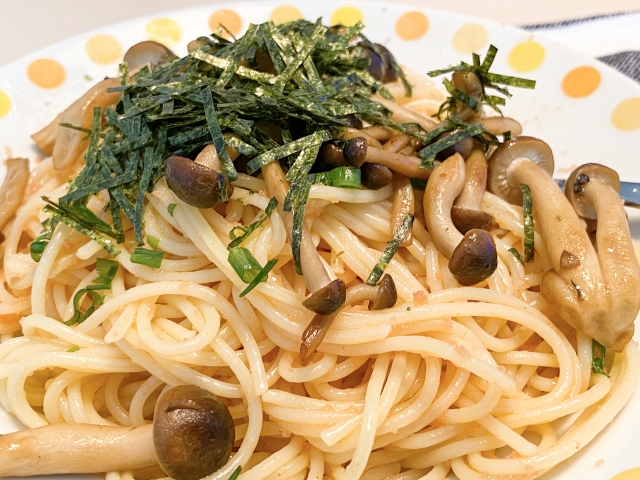
Mentsuyu can also be combined with butter for mushroom pasta or used to season sautéed vegetables. These applications introduce dashi-based umami into dishes that are not traditionally served with noodle broth.
The result depends on how much sauce is used and what other ingredients are added.
Is Mentsuyu a Finished Sauce or a Cooking Base?
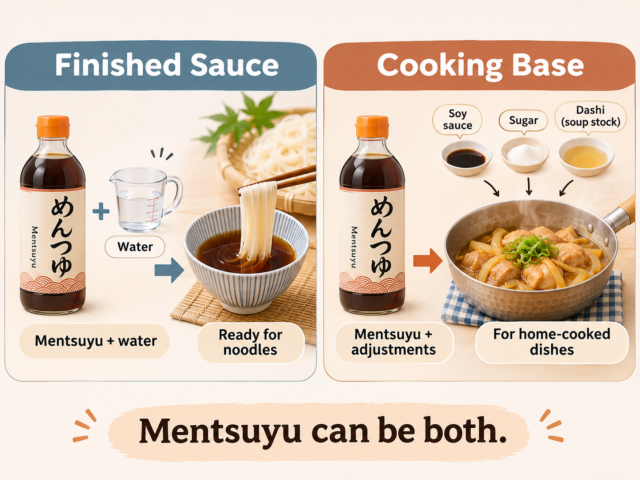
The answer is both. For noodles, mentsuyu can be a finished sauce. Dilute it as directed, and it may need nothing else.
For other dishes, it is often better understood as a prepared seasoning base. A bottle of mentsuyu already has a specific balance of dashi, soy sauce, and sweetness. If you use that balance unchanged in every dish, the results may begin to share a recognizable mentsuyu flavor.
That is not necessarily unpleasant, but it may not be the flavor you want.
For nikujaga, you might add soy sauce or sugar to create a more suitable simmering liquid. For oyakodon, you might adjust the sweetness with mirin. For udon, you might want to add extra dashi while keeping the saltiness under control.
The exact adjustments depend on the product, so tasting before adding additional seasonings is important.
Mentsuyu is a finished sauce for noodles, but a starting point for many other dishes.
Its versatility does not mean that one bottle is perfectly balanced for every recipe. It means that a flavorful foundation is already available, making it easier to build the taste you want.
How Is Mentsuyu Different from Dashi and Shirodashi?
These products are related, but they are not interchangeable in every situation.
Mentsuyu vs. Dashi
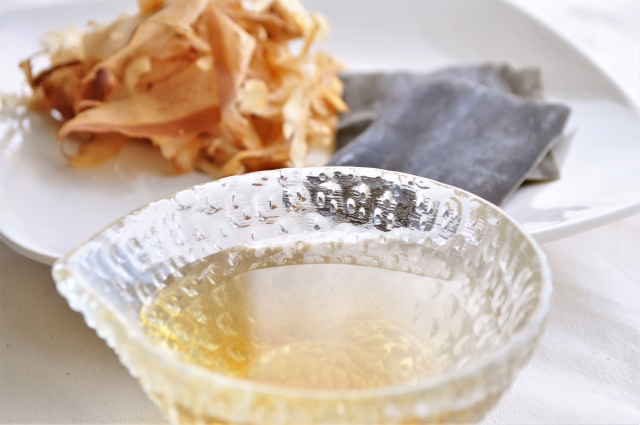
Unlike seasoned mentsuyu, plain dashi provides umami and aroma without added soy sauce or sweet seasonings.
Dashi is the stock or flavor base used in many Japanese dishes. It can be prepared from kombu, bonito flakes, dried mushrooms, dried fish, or other ingredients.
Mentsuyu is already seasoned, usually with soy sauce and sweet ingredients. Plain dashi gives you greater control over the final seasoning, while mentsuyu provides a prepared flavor balance that can be used directly or adjusted.
Mentsuyu vs. Shirodashi
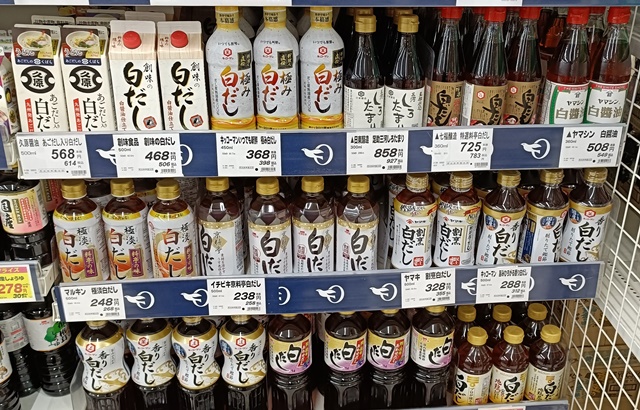
Shirodashi is generally lighter in color than typical dark mentsuyu, although its salt content can still be high.
Shirodashi is another concentrated Japanese seasoning that uses dashi flavor as a foundation. It is generally made to have a lighter appearance than typical dark mentsuyu, often using light-colored soy sauce and other seasonings.
Shirodashi is useful for dishes where a pale appearance is desirable, such as chawanmushi, clear soups, and dashimaki tamago. Typical mentsuyu, on the other hand, often has a darker color and a noticeable sweet-savory balance suited to noodle sauces.
These are broad differences rather than absolute rules. Both products vary by manufacturer.
Light color also does not mean low sodium. Shirodashi can be very salty and usually needs dilution. The best choice depends on the dish and the flavor you want.
Can You Make Mentsuyu at Home?

Yes. A simple homemade mentsuyu can be prepared by combining dashi, soy sauce, mirin, and sugar in proportions suited to the intended dish. The mixture should be heated appropriately, especially when using mirin, and cooled before serving with cold noodles.
You can use freshly prepared dashi or a convenient prepared dashi product. Homemade mentsuyu offers flexibility because you can control the saltiness, sweetness, and strength of the dashi.
However, it may not taste the same as a favorite bottled product. Commercial manufacturers may use distinctive dashi blends, extracts, or seasoning methods that are difficult to reproduce exactly in an ordinary kitchen. That is one reason bottled mentsuyu remains useful even for people who can make their own sauce.
What If You Cannot Find Mentsuyu Outside Japan?
You can make a similar seasoning base using dashi, soy sauce, mirin, and sugar. Start with a small amount of soy sauce and sweetness, then adjust according to whether you are preparing a dipping sauce, a soup, or a cooked dish. Plain soy sauce alone is not an equivalent substitute because it lacks the dashi flavor and seasoning balance of mentsuyu.
How Should You Store Mentsuyu?
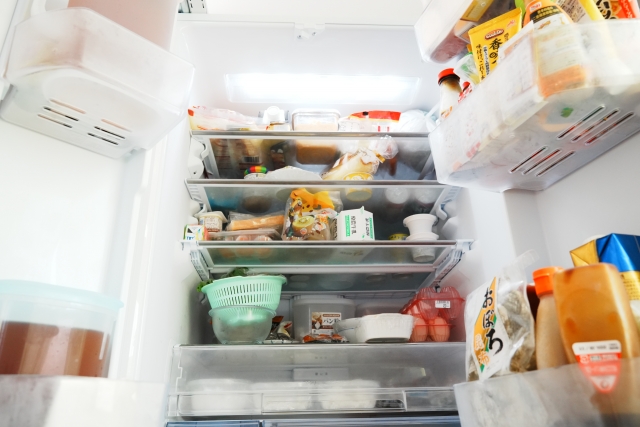
Most conventional bottled mentsuyu products require refrigeration after opening. This is worth considering when choosing a bottle, particularly if you use the sauce infrequently.
A large bottle may offer better value, but it also occupies refrigerator space and needs to be used within the manufacturer's recommended period. As a specific example, Kikkoman advises refrigerating its conventional PET-bottled noodle sauces after opening.
For its straight-type products, the recommendation is to use them within three days. For its concentrated types, the general recommendation is about one month. However, other packaging designs and manufacturers may have different instructions.
Some specially sealed products have different storage requirements as well. Always follow the instructions on the actual package rather than applying one rule to every brand.
FAQ
Is Mentsuyu the Same as Soy Sauce?
No. Soy sauce is usually one ingredient in mentsuyu, but mentsuyu also includes dashi-derived flavor and, typically, sweet seasonings.
This gives it a different taste and makes it suitable for noodle sauces and other cooking applications.
Can You Use Mentsuyu Without Diluting It?
Straight-type products are generally intended to be used as directed without dilution.
Concentrated products normally need water when used for noodle dipping sauces or soup. Small amounts may be used undiluted as a seasoning in certain recipes. Check the product instructions before use.
Is Mentsuyu Always Sweet?
No. Sweetness varies considerably between products.
Some brands emphasize a sweet, rounded flavor, while others focus more on dashi or soy sauce. Products marketed without added sugar are also available.
Can You Use the Same Mentsuyu for Soba and Udon?
Yes. Many general-purpose products work for both.
However, you may prefer different dilution strengths or additional seasoning depending on the dish. Some manufacturers also offer sauces developed specifically for certain noodles.
Is Mentsuyu the Same as Teriyaki Sauce?
No. Both may contain soy sauce and sweet seasonings, but mentsuyu is generally built around dashi flavor and is commonly diluted for noodle dishes.
Teriyaki sauce or seasoning is used for a different style of cooking, often emphasizing a sweet-savory glaze. They are not direct substitutes in every recipe.
What Mentsuyu Reveals About Japanese Home Cooking
The name mentsuyu still points to its original purpose: men means noodles, and tsuyu refers to the seasoned sauce or broth served with them. Yet the same bottle can now find its way into simmered dishes, rice bowls, and even Japanese-style pasta.
This versatility makes sense when we consider how many Japanese dishes share a familiar foundation of dashi, soy sauce, and sweet seasonings. Mentsuyu brings those elements together in a form that is convenient to use, while leaving room for further adjustments.
Manufacturers develop their own flavors, choosing different ingredients and balances of dashi, soy sauce, and sweetness. At home, people choose the products they enjoy and adapt them to the dish they are preparing.
A sauce that is ready to serve with noodles can become the starting point for a family-style simmered dish. The same bottle can produce different results depending on what the cook adds.
That is what makes mentsuyu such an interesting part of everyday Japanese cooking. It is neither a universal seasoning that tastes perfect in everything nor merely a shortcut for avoiding work.
Mentsuyu combines a carefully prepared flavor with the freedom to make it your own.
Related Reading
- Japanese Pantry Guide — Explore the seasonings that form the foundation of Japanese home cooking.
- What Is Dashi? — Learn how dashi creates aroma, depth, and umami.
- What Is Mirin? — Understand how mirin contributes sweetness and balance to Japanese dishes.
- Soy Sauce, Mirin, and Sake — Discover how familiar Japanese seasonings work together.

