In Japanese cooking, soy sauce does more than add flavor. It also changes the color of food.
That darker color is welcome in dishes such as teriyaki or gyudon (Japanese beef bowls). But what if you want to season a yellow omelet, a clear soup, or pale vegetables without turning everything brown?
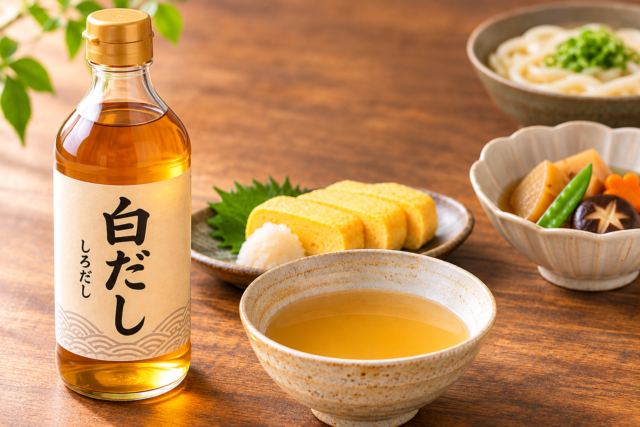
One answer is shiro dashi (白だし), a Japanese liquid seasoning that combines the savory flavor of dashi with salt, soy sauce, and other ingredients. It lets you season food without introducing as much dark color or pronounced soy sauce flavor. Because the ingredients are already blended, it also makes everyday cooking easier.
But why does Japan have both shiro dashi and mentsuyu? And what makes shiro dashi different from simply combining dashi, salt, and soy sauce yourself? The answers reveal how Japanese cooking balances appearance, flavor, and convenience.
Quick Summary
- What it is: A Japanese liquid seasoning combining dashi with salt, soy sauce, and other seasonings.
- What it tastes like: Savory and salty, with noticeable dashi flavor and varying amounts of sweetness.
- Why it exists: To season food without making it unnecessarily dark or strongly soy-sauce-flavored.
- How it differs from mentsuyu: Shiro dashi is generally lighter in color and less sweet, with a more restrained soy sauce character.
- Common uses: Dashimaki tamago, chawanmushi, clear soups, udon, and simmered vegetables.
- Important caution: Most bottled products are concentrated. Light color does not mean mild flavor or low sodium.
What Is Shiro Dashi?
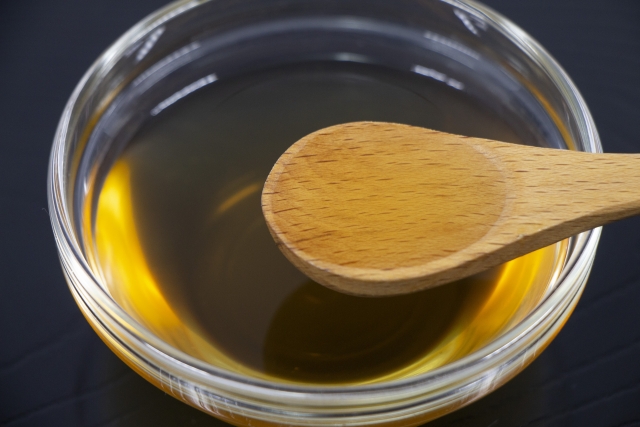
Shiro dashi literally means "white dashi," although the liquid is usually pale yellow, golden, or light amber rather than white. It is a ready-blended Japanese seasoning built around dashi, the savory stock that forms the foundation of many Japanese dishes.
Traditional dashi may be made from kombu (kelp), katsuobushi (dried bonito flakes), dried shiitake mushrooms, or other ingredients. Shiro dashi combines dashi flavors with additional ingredients that help season a finished dish. Depending on the manufacturer, a bottle may contain:
- Dashi extracts or ingredients from bonito, kelp, or other sources
- Soy sauce, sometimes including white soy sauce (shiro shoyu) or light-colored soy sauce (usukuchi shoyu)
- Salt
- Sugar, mirin, or other sweet or fermented seasonings
- Additional savory extracts or flavor enhancers
Not every product contains the same ingredients, and not all shiro dashi is made with white soy sauce. The defining idea is a convenient dashi-based seasoning with a relatively light color.
Is Shiro Dashi the Same as Regular Dashi?
No. Regular dashi and shiro dashi serve different purposes. Dashi is primarily a savory stock. It contributes umami and aroma, but cooks often add salt, soy sauce, or other ingredients when preparing a finished soup or dish.
Shiro dashi already contains additional seasonings. For example, making a Japanese clear soup with regular dashi may involve adjusting the salt and soy sauce separately. With shiro dashi, much of that seasoning has already been combined. You can dilute the concentrate with water, following the bottle instructions, and adjust the result if needed.
In simple terms, dashi provides a flavor foundation, while shiro dashi provides a convenient way to season food using that foundation.
What Does Shiro Dashi Taste Like?
Shiro dashi generally tastes savory and salty, with a noticeable dashi flavor. The aroma depends on the ingredients. A bonito-based product may have a pronounced dried-fish fragrance, while other formulations may emphasize different savory ingredients.
Some varieties also contain sugar, mirin, or other sweet seasonings. However, shiro dashi is often less sweet than commercial mentsuyu.
The flavor is not necessarily delicate simply because the liquid looks pale. In fact, concentrated shiro dashi can taste surprisingly strong when sampled directly from the bottle. It is generally intended to be diluted or added to food in measured quantities rather than consumed on its own.
Why Light Color Doesn't Mean Mild Flavor
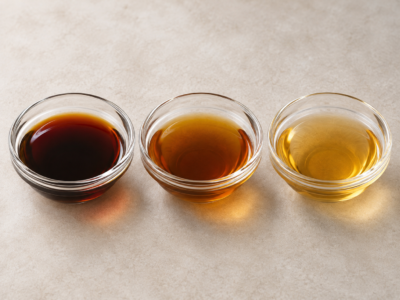
From left to right: koikuchi soy sauce, usukuchi soy sauce, and shiro dashi. Lighter color does not necessarily mean less salt.
Japanese soy sauce offers a useful way to understand the relationship between color and seasoning strength. The most familiar type, koikuchi shoyu, has a characteristic dark brown color. Japan also has usukuchi shoyu, a lighter-colored soy sauce often used when cooks want to preserve the appearance of ingredients.
Despite its lighter color, usukuchi soy sauce generally contains more salt than koikuchi soy sauce. Shiro dashi goes a step further. Many products are paler than usukuchi soy sauce, but their concentrated form can contain substantial amounts of salt.
For example, Yamaki's Kappo Shiro Dashi contains 10.2 grams of salt equivalent per 100 milliliters of concentrate. That figure describes the product in the bottle, not a prepared bowl of soup. The amount of salt in a finished dish depends on the quantity of shiro dashi used, how much it is diluted, and any other ingredients added.
The important distinction is that color, salt concentration, and perceived flavor strength are not the same thing. A pale broth can still be strongly seasoned, while a darker sauce is not automatically saltier. This is especially useful to remember when encountering unfamiliar Japanese seasonings.
Why Does Shiro Dashi Exist?
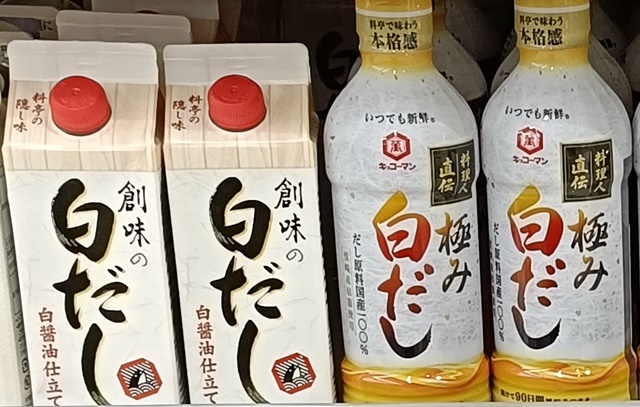
To understand the purpose of shiro dashi, consider what happens when regular soy sauce is added to food. Soy sauce contributes saltiness, umami, aroma, and a characteristic brown color. These qualities are desirable in many Japanese dishes, but not every dish needs them in the same proportions.
Some foods are meant to retain their natural colors, while others benefit from dashi flavor without a pronounced dark soy sauce character. Shiro dashi helps achieve that result while simplifying the seasoning process.
Keeping the Natural Colors of Ingredients
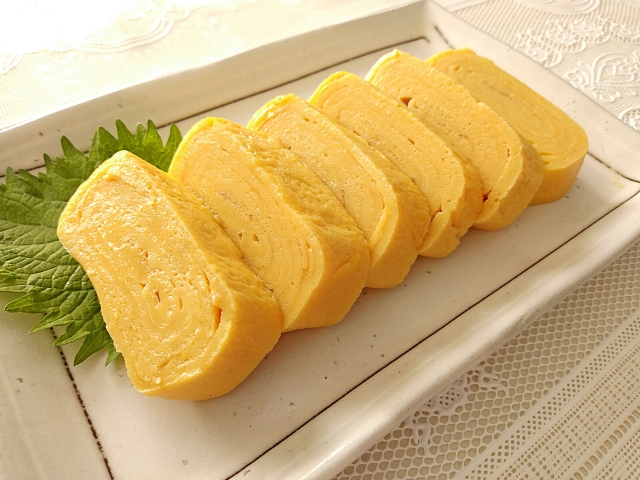
Consider dashimaki tamago, a Japanese rolled omelet seasoned with dashi. Its soft yellow appearance is part of the dish's character. Adding dark soy sauce or a generous amount of mentsuyu can make the eggs noticeably browner.
Shiro dashi provides another way to add saltiness and savory flavor while preserving more of the eggs' natural color. The same principle applies to chawanmushi (savory steamed egg custard), osuimono (Japanese clear soup), and lightly simmered vegetables.
The objective is not to make food completely colorless. It is to season the dish without adding more dark soy sauce color than necessary.
Making Seasoning More Convenient
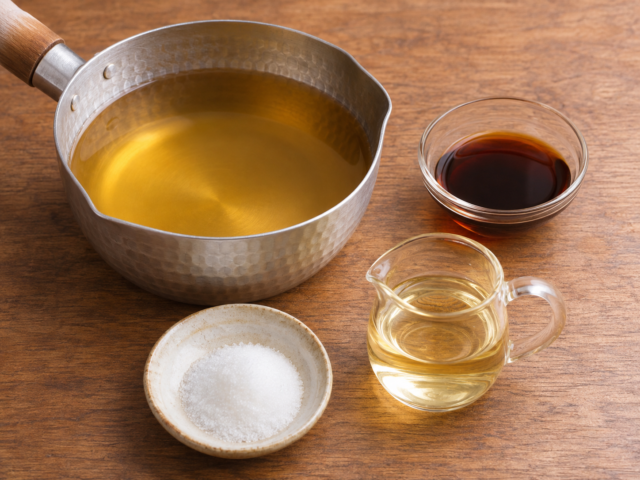
The second purpose of shiro dashi is practical. Without a blended seasoning, a cook may prepare dashi and then add salt, soy sauce, mirin, or other ingredients separately. Each addition changes the flavor balance, requiring small adjustments to achieve the desired result.
Shiro dashi combines several of these functions in one bottle. The manufacturer has already established a particular balance of savory flavor, saltiness, and sometimes sweetness.
This does not eliminate the need to taste and adjust food, but it reduces the number of ingredients that must be measured and combined.
That makes shiro dashi useful for everyday cooking, especially when preparing familiar dishes repeatedly.
Shiro Dashi vs. Mentsuyu: What's the Difference?
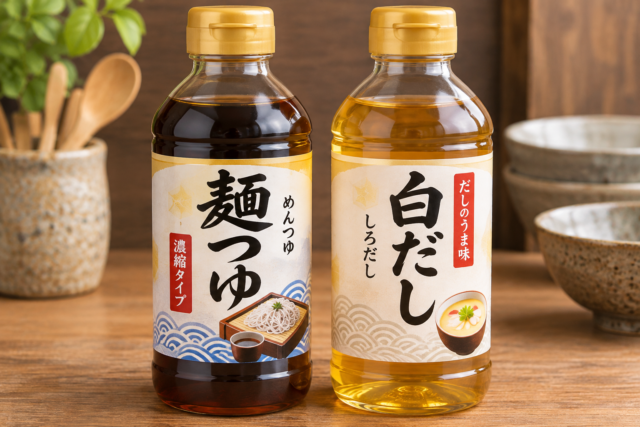
Shiro dashi and mentsuyu are closely related in function. Both are Japanese liquid seasonings that combine dashi flavors with other ingredients. Both can be used for soups, noodles, eggs, vegetables, and many other dishes.
The main difference is the flavor and appearance they tend to produce.
Shiro Dashi
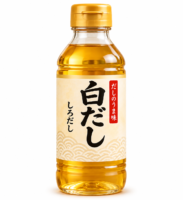
Shiro dashi is usually pale golden or amber, with a savory, salty, dashi-forward flavor. It generally has a more restrained soy sauce character and less sweetness than mentsuyu.
It is especially useful for egg dishes, clear soups, and lightly simmered vegetables where a pale appearance is desirable.
Mentsuyu
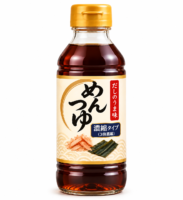
Mentsuyu is generally darker brown, with a more noticeable soy sauce flavor and often greater sweetness. It provides a ready-balanced seasoning for noodle sauces, dipping sauces, and simmered dishes.
Its darker color and sweetness can also influence the appearance and flavor of other dishes.
These are general characteristics rather than strict rules. Both categories include products with different ingredients and flavor profiles.
Can You Substitute One for the Other?
Often, yes. But the finished dish may look and taste different.
For example, mentsuyu can season a Japanese rolled omelet. However, its darker color, sweetness, and soy sauce flavor may become more noticeable in the eggs. Shiro dashi is useful when you want the egg's natural yellow color to remain more prominent.
The distinction also applies to noodle broths. Both can be used to make udon, but shiro dashi generally produces a paler broth with a different balance of saltiness and sweetness. On the other hand, a dipping sauce for soba may benefit from the darker soy sauce flavor and sweetness associated with many mentsuyu products.
If you substitute one for the other, start with the manufacturer's recommended amounts and adjust the seasoning to suit the dish. Neither seasoning is automatically better.
Mentsuyu is useful when its soy sauce character and sweetness suit the food. Shiro dashi is another option when those qualities would be too prominent.
That is why the two products can have similar uses without being identical.
How Is Shiro Dashi Used in Japanese Cooking?
Shiro dashi is versatile because it provides several seasoning elements at once. It can be diluted to prepare broth, added in small amounts to cooked food, or used as a seasoning for vegetables, rice, and meat. Its advantages are especially apparent in dishes where a strong dark soy sauce color is not desired.
Egg Dishes: Dashimaki Tamago and Chawanmushi
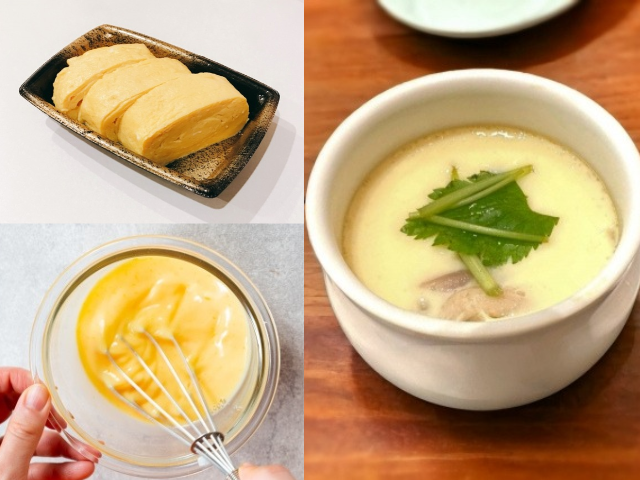
Egg dishes offer one of the easiest ways to understand shiro dashi. For dashimaki tamago, a cook can combine beaten eggs with water and a measured amount of shiro dashi. The seasoning provides dashi flavor and saltiness while allowing the cooked eggs to remain relatively yellow.
Shiro dashi can also be used in chawanmushi, the smooth steamed egg custard traditionally served in a small cup. Because the concentration varies by product, follow the manufacturer's recommended amounts rather than assuming one fixed ratio will work for every bottle.
Clear Soups and Udon
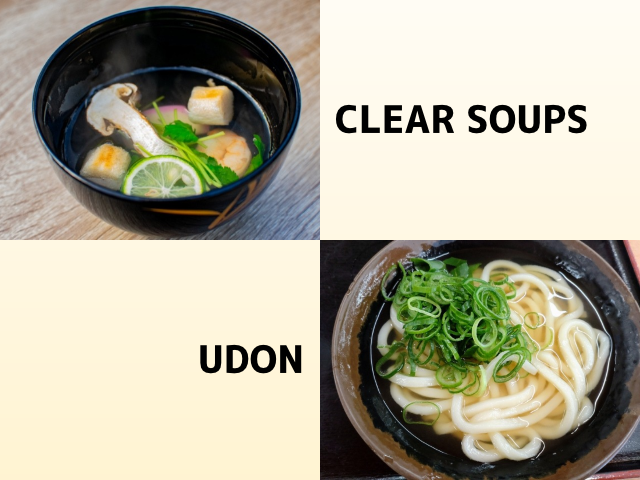
Shiro dashi is commonly used for light-colored soups. For osuimono, it can provide a seasoned dashi broth without the pronounced brown appearance of regular soy sauce. It is also useful for udon, particularly when a pale broth is preferred.
In both cases, the convenience comes from having dashi flavor and other seasonings combined in advance. The cook controls the final strength through dilution.
Simmered Vegetables and Seasoned Rice
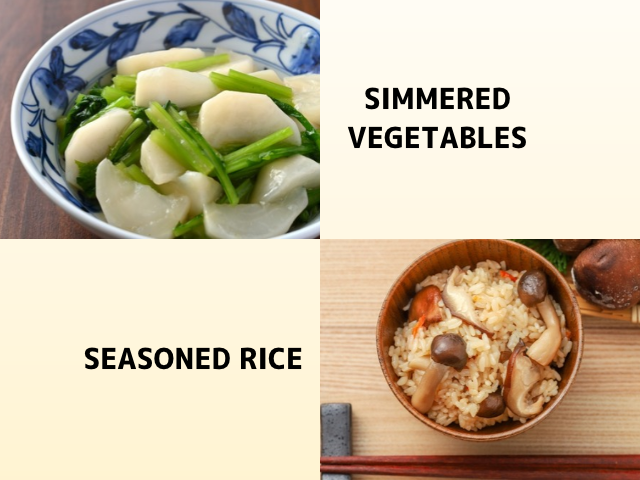
Light-colored vegetables can also benefit from shiro dashi. For instance, daikon radish, turnips, and napa cabbage can be simmered in diluted shiro dashi to absorb savory flavor while retaining much of their natural appearance.
Another application is takikomi gohan, Japanese rice cooked with ingredients such as mushrooms, vegetables, and chicken. Shiro dashi can provide a convenient seasoning base without making the rice as dark as some soy sauce-based preparations. These dishes can also be prepared with ordinary dashi and separate seasonings. Shiro dashi simply offers another method.
Can Shiro Dashi Be Used in Western Cooking?
Yes. Shiro dashi is not limited to traditional Japanese recipes. Its combination of saltiness, dashi flavor, and relatively light color can be useful in dishes familiar to American home cooks. These examples also make its purpose easier to understand.
Mashed Potatoes
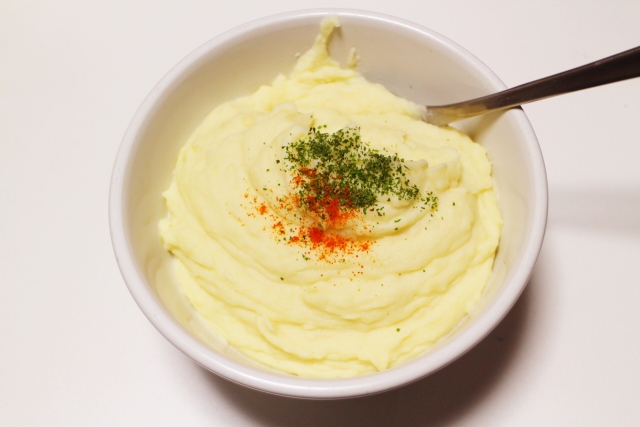
Imagine seasoning mashed potatoes with regular dark soy sauce. The flavor may be interesting, but the sauce can also change the potatoes' pale color.
A small amount of shiro dashi offers a way to add savory depth with less visible change. Because it already contains salt, reduce the other salt at first and adjust after tasting.
Seafood Pasta: Spaghetti alle Vongole
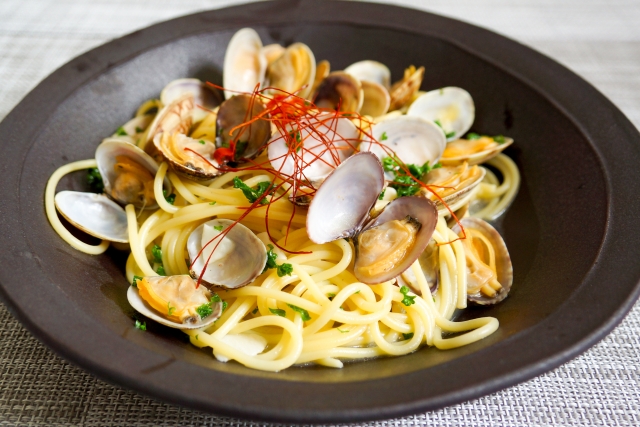
Spaghetti alle vongole, an Italian pasta dish made with clams, garlic, olive oil, and often white wine, is another possible use for shiro dashi.
Clams already provide plenty of savory flavor, but a small amount of shiro dashi can add another layer of dashi-based umami without noticeably darkening the light-colored sauce.
Because both clams and shiro dashi contribute saltiness, add the seasoning cautiously and taste before adding more. A bonito-forward product may also introduce a subtle seafood aroma that complements the dish.
Other Everyday Uses
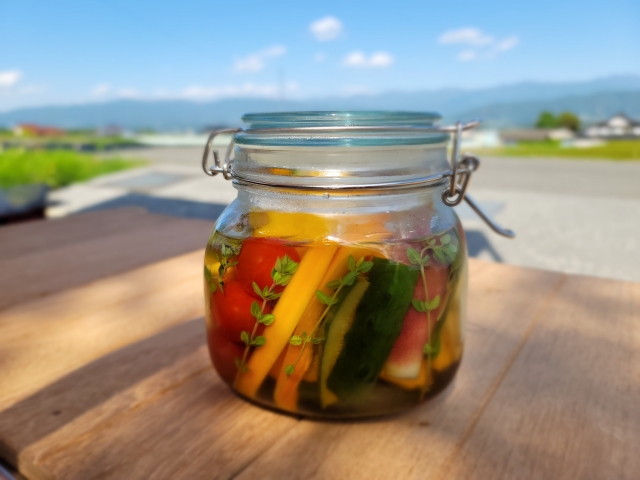
Manufacturers also suggest using shiro dashi in dishes such as chicken seasoning, stir-fries, pickles, and dressings. These examples show that the product is not limited to pale soups and egg dishes.
Still, not every recipe benefits from shiro dashi. When a dish specifically needs strong soy sauce flavor, sweetness, or another seasoning profile, a different ingredient may be more appropriate.
How Do You Dilute Shiro Dashi?
Most bottled shiro dashi products are concentrated. This means they should generally be diluted for soups and noodle broths or used in measured amounts when seasoning other dishes.
There is no universal dilution ratio. The correct amount depends on the manufacturer, the concentration of the product, and what you are preparing.
For example, the quantity needed for a bowl of clear soup differs from the amount added to an omelet or a pot of rice.
Start with the instructions on the bottle rather than copying a ratio intended for another brand.
How to Read a Japanese Shiro Dashi Label
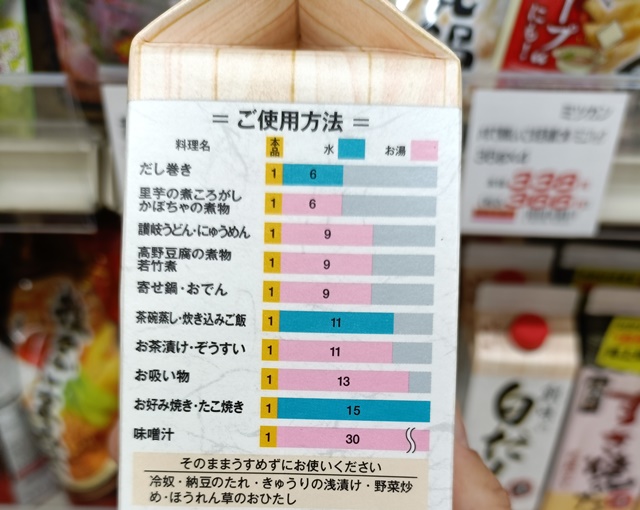
Some Japanese shiro dashi products include color-coded dilution guides for different dishes.
Japanese bottles often provide recommended dilution ratios and suggested uses.
The following terms can help when reading a product intended for the Japanese market.
| Japanese | English |
|---|---|
| 白だし | Shiro dashi |
| うすめ方 | How to dilute |
| 希釈 | Dilution |
| 本品 | This product |
| 水 | Water |
| お湯 | Hot water |
| 大さじ | Tablespoon (15 ml) |
| 小さじ | Teaspoon (5 ml) |
| お吸い物 | Clear soup |
| うどん | Udon |
| だし巻き卵 | Dashi rolled omelet |
| 煮物 | Simmered dishes |
If the label shows a ratio of 1:9 for shiro dashi and water, it means one part concentrate to nine parts water. That produces ten parts of finished liquid. This is different from adding ten parts water to one part concentrate, so read the ratio carefully.
Where Did Shiro Dashi Come From?
Although shiro dashi uses ingredients and flavors familiar from longstanding Japanese cooking traditions, commercially bottled shiro dashi is relatively modern.
Shichifuku Jozo, a seasoning manufacturer in Aichi Prefecture, identifies its 1978 launch of Ryotei Shiro Dashi as Japan's first commercial shiro dashi product. It was developed by combining white soy sauce with dashi ingredients, making it possible to add seasoning while maintaining a relatively pale color.
Similar light-colored dashi seasonings were also associated with regional markets, including the Chukyo area around Nagoya and parts of Kyushu. In 1994, Yamaki introduced Kappo Shiro Dashi nationwide, helping expand the product beyond regional markets.
Rather than representing a single ancient cooking tradition, bottled shiro dashi illustrates how established Japanese ingredients were combined into a convenient modern seasoning.
How Should You Store Shiro Dashi?

Many unopened commercial shiro dashi products can be stored at room temperature, away from heat and direct sunlight, until their printed best-before date. Always follow the storage instructions on the specific bottle.
After opening, shiro dashi generally needs refrigeration. The recommended period for using an opened bottle depends on the manufacturer. For example, Yamaki advises using its opened Kappo Shiro Dashi within approximately two to three weeks when refrigerated. Do not assume that this recommendation applies to every brand.
If you use shiro dashi only occasionally, a smaller bottle may be more convenient than a large one.
FAQ
Is shiro dashi the same as white soy sauce?
No. White soy sauce (shiro shoyu) is a light-colored fermented soy sauce. Shiro dashi is a blended seasoning containing dashi and other ingredients, sometimes including white soy sauce.
Is shiro dashi vegetarian or vegan?
Not necessarily. Many commercial products contain bonito or other fish-derived ingredients. If you need a vegetarian or vegan option, check the ingredient list for a product made without animal ingredients.
Is shiro dashi gluten-free?
Not necessarily. Some products contain soy sauce made with wheat or other wheat-derived ingredients. Check the specific product's allergen information rather than assuming all shiro dashi is gluten-free.
Can I use shiro dashi instead of soy sauce?
Sometimes, but the result will be different. Shiro dashi adds dashi flavor and other seasonings, so it is not a direct equal-volume substitute for regular soy sauce.
Is shiro dashi supposed to be diluted?
Many bottled products are concentrated and should be diluted for soups and noodle broths. Smaller amounts may be added directly to other dishes, depending on the recipe and product instructions.
Is shiro dashi a traditional Japanese seasoning?
Its ingredients and flavor principles come from longstanding Japanese food traditions, but commercially bottled shiro dashi is relatively modern. Shichifuku Jozo identifies its first commercial shiro dashi product as dating to 1978.
What Can I Use Instead of Shiro Dashi?
You can make a similar seasoning by combining regular dashi with salt, a little soy sauce, and mirin if needed. Instant dashi powder also works, but check the label first, as some products already contain salt.
The result won't be identical to bottled shiro dashi, but you can adjust the flavor while keeping the dish relatively light in color.
What Shiro Dashi Reveals About Japanese Home Cooking
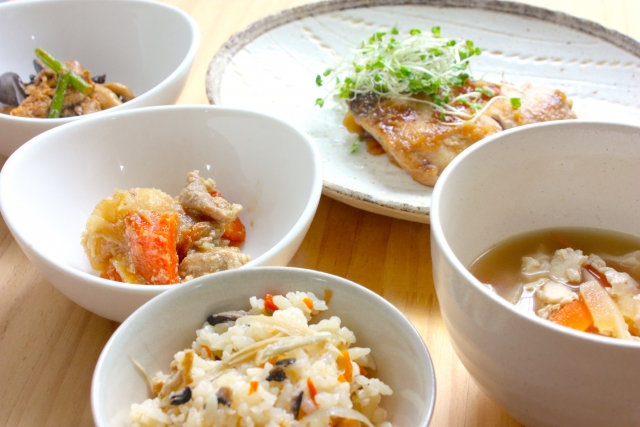
Shiro dashi illustrates an interesting relationship between Japanese food traditions and modern convenience. On one hand, its purpose is connected to established cooking preferences, including the use of dashi and the desire to preserve the natural appearance of certain ingredients.
On the other, it is a modern commercial seasoning designed to simplify an everyday task.
Rather than preparing dashi and measuring several ingredients individually, a cook can use a ready-balanced liquid.
This is particularly convenient when making dishes that benefit from a light color and relatively restrained soy sauce flavor.
Yet shiro dashi is not essential to every Japanese kitchen.
A household that already uses instant dashi, salt, soy sauce, and mirin may prefer to adjust those ingredients separately.
Another household may appreciate the speed and consistency of using a single bottle. Both approaches belong to ordinary Japanese home cooking.
The reason shiro dashi exists is not that Japanese dishes cannot be made without it. It is that certain dishes benefit from a particular balance of dashi flavor, saltiness, and appearance, and a prepared seasoning makes that balance easier to achieve.
Understanding that purpose also explains why shiro dashi and mentsuyu can sit side by side on a Japanese supermarket shelf.
They are two convenient solutions to different seasoning preferences, rather than two names for the same ingredient.
Author's Note
I don't keep shiro dashi in my own kitchen.
I already have instant dashi, salt, soy sauce, and other seasonings, so I can usually achieve a similar result without buying another bottle. For everyday home cooking, I don't always feel the need to preserve the exact color of a dish.
But I understand why shiro dashi is useful. Having the dashi flavor and seasonings already balanced makes cooking easier, especially when you want a lighter-colored result without much adjustment.
To me, that's the real value of shiro dashi. It isn't something every Japanese kitchen needs, but it offers a convenient solution for those who want it.
Related Reading
Japanese Pantry Guide: Essential Seasonings for Japanese Home Cooking
Explore the seasonings and ingredients that support everyday Japanese meals.
What Is Mentsuyu?
Learn how Japan's convenient noodle sauce differs from shiro dashi in color, sweetness, and everyday uses.
Dashi Guide: Understanding Japanese Soup Stock
Discover the savory stock that forms the foundation of shiro dashi and many other Japanese dishes.
What Is Umami?
Understand the savory taste behind many of Japan's most familiar seasonings.

