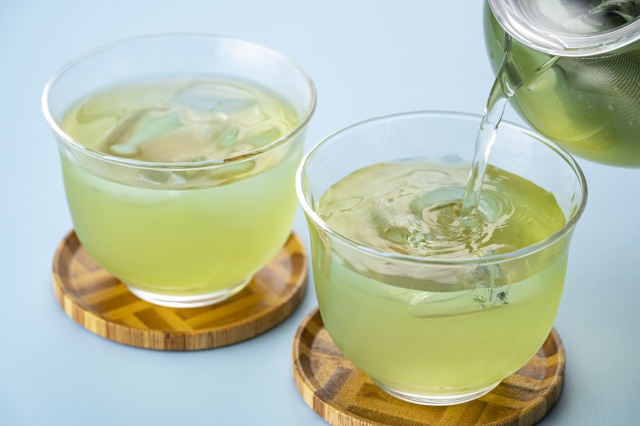
On a hot day in Japan, green tea does not always arrive steaming from a teapot. It may come from a bottle, a pitcher in the refrigerator, a tea bag steeped in cold water, or a pot of freshly brewed tea poured over ice.
All of these can fall under the broad idea of reicha (冷茶) — tea served cold. Reicha is not one specific type of Japanese tea, and it is not one fixed brewing method. Instead, it describes a way of enjoying tea at a cooler temperature.
That simple distinction is useful because cold Japanese green tea can be made in several different ways, and each method changes the taste.
Quick Summary
- Reicha means cold tea and is not a specific tea variety.
- Mizudashi is one method of making reicha by steeping tea in cold water.
- Japanese green tea can also be brewed hot and poured over ice.
- Koridashi, or ice extraction, is a slower and more specialized method.
- Cold brewing usually reduces bitterness and astringency compared with hot brewing.
- Sencha, fukamushi-cha, gyokuro, hojicha, and other teas can all be enjoyed cold.
- In modern Japan, cold tea may be homemade, bottled, or prepared with convenient tea bags.
What Does Reicha Mean?
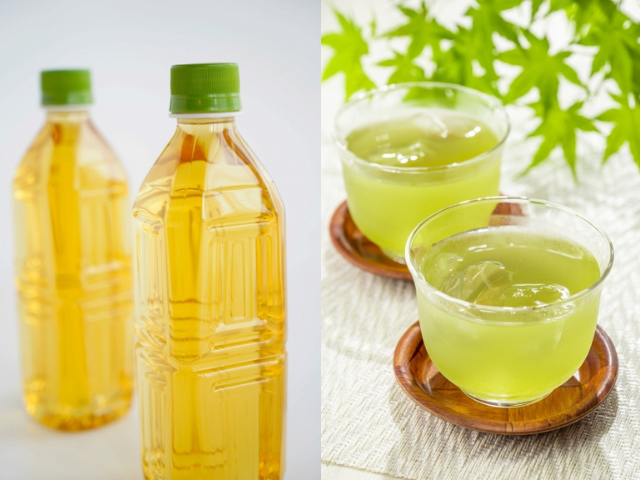
Reicha is a broad term for cold tea, whether it comes from a bottle or is served freshly chilled.
The Japanese word reicha (冷茶) literally means "cold tea." It is a broad term rather than the name of a particular tea.
A bottle of chilled green tea can be reicha, and so can a pitcher of sencha steeped overnight in the refrigerator. Hot-brewed tea that has been quickly cooled with ice also falls into the same broad category.
This is different from terms such as sencha, gyokuro, or hojicha, which describe particular styles of tea. Reicha describes how the tea is served rather than what type of tea it is.
Is Reicha the Same as Mizudashi?
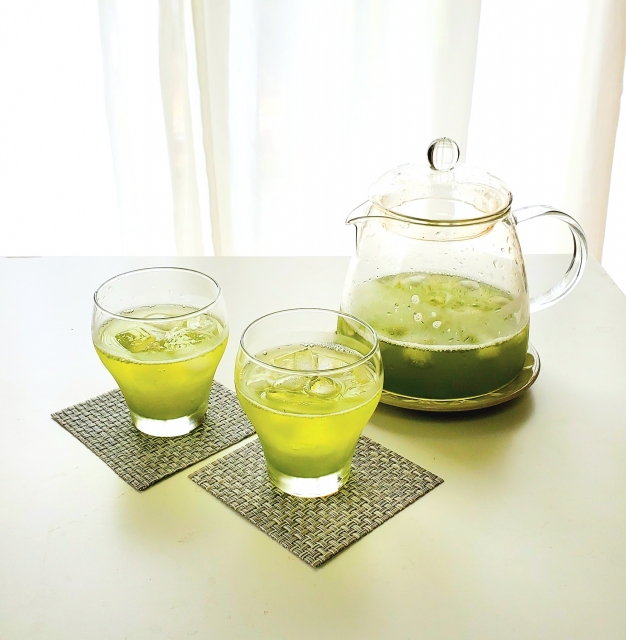
Mizudashi is one way to make reicha, using cold water to steep the tea slowly.
Not exactly. Mizudashi (水出し) means extracting tea with cold water, and it is one of the most common ways to make cold tea, especially at home. Reicha is the broader category.
In simple terms:
Reicha = cold tea
Mizudashi = cold-water brewing
A mizudashi tea is usually reicha, but not every reicha is mizudashi. Japanese cold tea can also be made by brewing with hot water first and then cooling it rapidly with ice.
Why Does Cold Green Tea Taste Different?
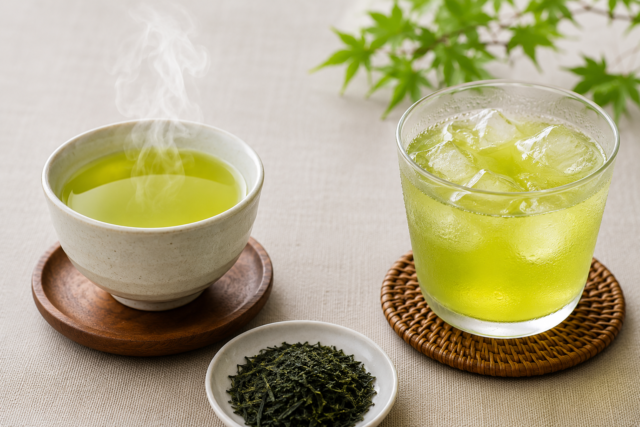
The same green tea can taste different depending on brewing temperature.
Temperature changes the way tea compounds are extracted. Hot water brings out flavor quickly, including bitterness and astringency, while cold water works more slowly.
Because of this, cold-brewed green tea often tastes softer, smoother, and less bitter than the same tea brewed hot. Sweetness and umami may also become easier to notice.
This does not mean that cold-brewed tea is always sweet or mild. The final flavor still depends on the tea itself, the amount of leaves used, the water, and the brewing time. A deep-steamed green tea, for example, can still produce a strong and vivid cup even when brewed cold. The difference is usually in the balance.
If you want to understand how temperature affects Japanese tea more generally, see How to Brew Japanese Green Tea.
Three Ways to Make Japanese Cold Green Tea
There is no single correct way to make reicha. The three main approaches are cold brewing, rapid chilling, and ice extraction.
Mizudashi — Cold Brew
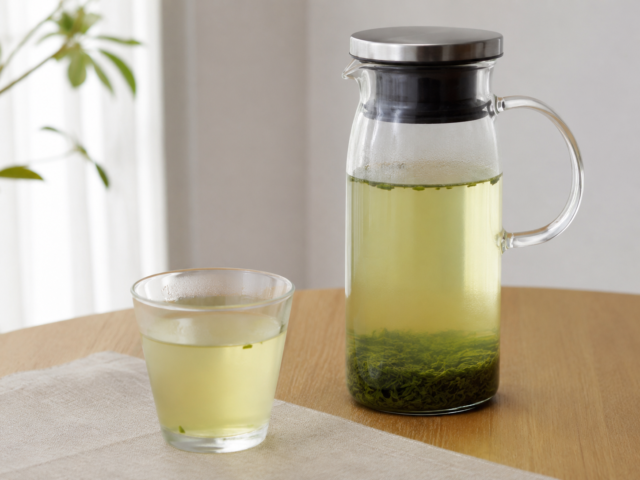
Mizudashi is probably the easiest method for everyday use. Tea leaves or a tea bag are placed in cold water and left to steep slowly, and many people prepare it in a bottle or pitcher and keep it in the refrigerator.
It is simple, forgiving, and convenient when you want to prepare several servings in advance.
Rapid Chill — Brew Hot, Then Pour Over Ice
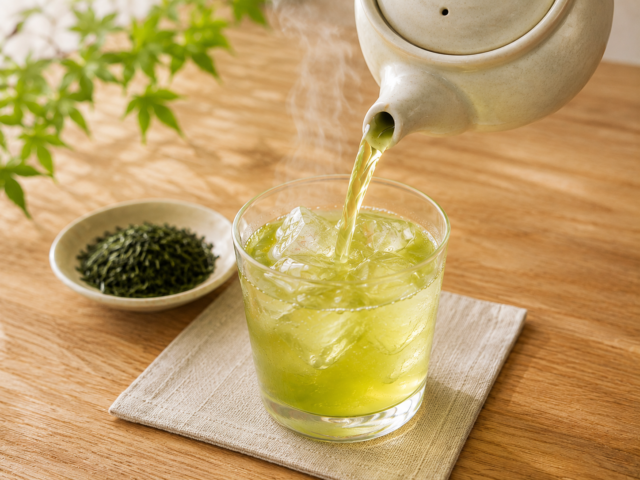
Rapid chilling cools freshly brewed hot green tea immediately by pouring it over ice.
Another method is to brew tea with hot water and cool it immediately with ice. This gives a different character from mizudashi because hot water extracts aroma and flavor quickly, while the ice cools the tea almost immediately.
The result can taste brighter and more aromatic than cold-brewed tea. This method is useful when you want cold tea right away rather than waiting several hours, and it also works especially well with teas whose fresh aroma is part of their appeal.
Koridashi — Slow Extraction with Ice
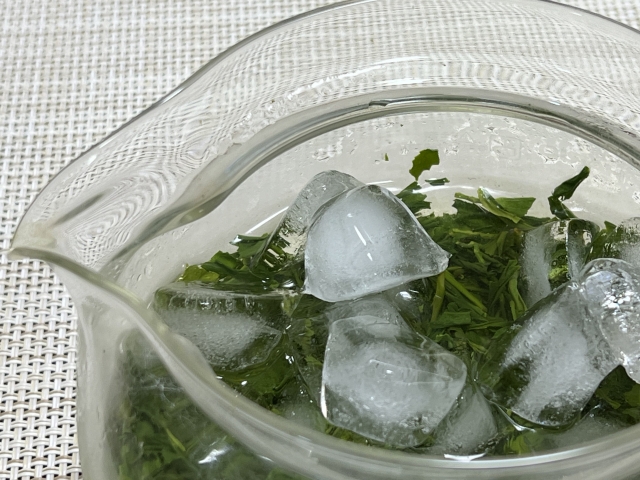
Koridashi uses melting ice to extract a small, concentrated amount of tea slowly.
Koridashi is the slowest and most specialized method. Tea leaves are covered with ice and allowed to extract gradually as the ice melts, producing a small amount of very concentrated tea.
It is often associated with high-grade teas such as gyokuro, in which sweetness and umami are especially important. Koridashi is not the everyday way most people in Japan make cold tea; it is better understood as a slow, deliberate way to explore what a high-quality tea can taste like.
Which Japanese Green Teas Work Well Cold?
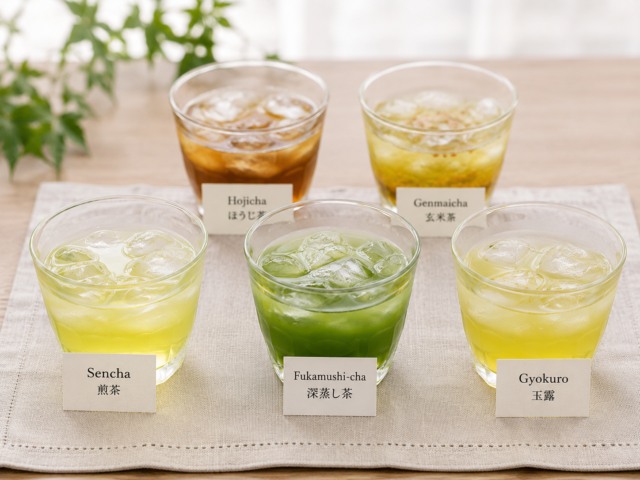
Sencha, fukamushi-cha, gyokuro, hojicha, and genmaicha can all be enjoyed cold, each with its own color and character.
Many Japanese teas can be enjoyed cold, but they do not all behave in the same way.
Sencha
Sencha works well with both mizudashi and rapid chilling. Cold brewing often softens its bitterness, while rapid chilling preserves more of its fresh aroma. For many beginners, sencha is an easy place to start.
Fukamushi-cha
Fukamushi-cha can become especially vivid when brewed cold. Because the leaves are more broken down during processing, the tea can release color and flavor quickly.
The result is often deep green and full-bodied, but still smoother than a hot brew. This is a good example of how cold tea does not necessarily mean weak tea.
Gyokuro
Gyokuro is naturally rich in umami and sweetness, and low-temperature brewing can highlight those qualities.
Mizudashi works, but gyokuro is also one of the teas most strongly associated with koridashi. Because gyokuro is relatively expensive, these slow methods are usually treated as a way to appreciate the tea rather than an everyday summer drink.
Hojicha
Hojicha also works well cold. Its roasted aroma remains recognizable even when chilled, and the flavor can feel lighter and more refreshing than hot hojicha. Cold hojicha is common enough that bottled versions can also be found in Japan.
Genmaicha
Genmaicha can be enjoyed cold as well. Its roasted rice aroma gives it a familiar, easygoing character, and it can be a good option for people who want something gentler than straight green tea.
How Do People Actually Drink Cold Tea in Japan?
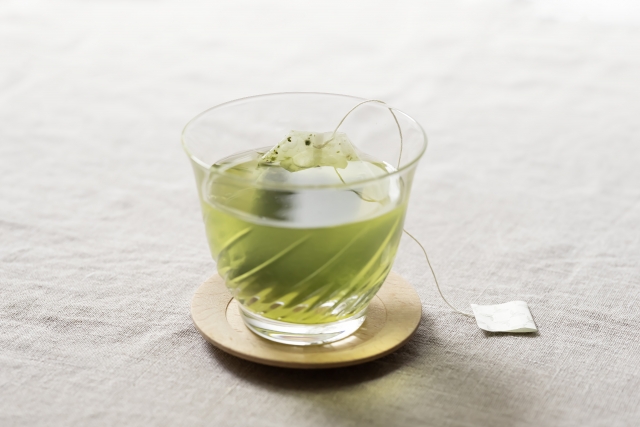
Cold tea in Japan is not limited to carefully prepared loose-leaf green tea. Everyday life is much more varied.
In summer, a household refrigerator may contain bottled green tea, homemade mizudashi, cold hojicha, or mugicha. Some people use loose leaves, others use large tea bags designed for pitchers, and many simply buy ready-to-drink tea from a convenience store or vending machine.
This is worth emphasizing because Japanese tea culture is often presented overseas through formal images of teapots, tea rooms, and carefully measured water temperatures. Those traditions are real, but they are only part of the picture.
Modern Japanese tea habits are also shaped by convenience, weather, work schedules, and personal taste. A bottle of green tea bought on the way to work is just as much a part of contemporary Japanese tea life as a carefully brewed pot of sencha at home.
Is Cold Green Tea More Common Than Mugicha in Summer?
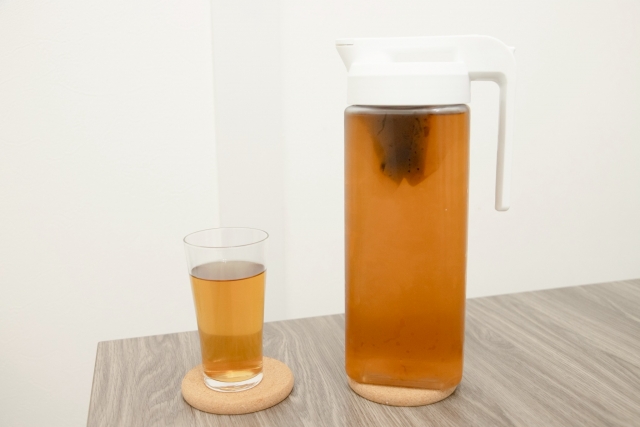
Mugicha is one of the most familiar cold drinks in Japanese homes during summer.
Not necessarily. For many Japanese households, mugicha, or barley tea, is one of the most familiar summer drinks. It is caffeine-free, inexpensive, and easy to make in large pitchers.
Cold green tea is common too, but it is better understood as one part of Japan's wider summer drinking culture rather than the single standard summer tea.
How Can Travelers Try Cold Green Tea in Japan?
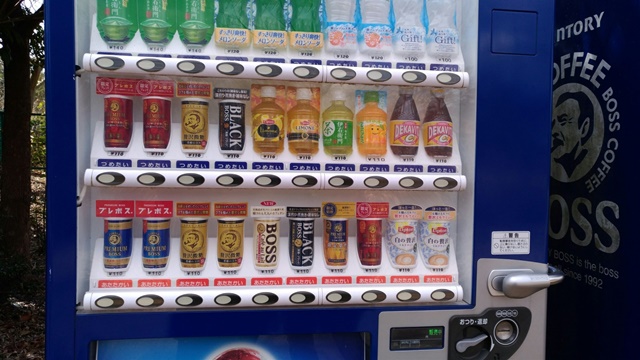
Cold green tea is easy to find in vending machines, convenience stores, and supermarkets across Japan.
Cold green tea is very easy to find. Convenience stores and vending machines sell bottled green tea throughout the country, while supermarkets often carry both bottled tea and tea bags designed for cold brewing.
Tea shops may offer mizudashi sencha, cold hojicha, or seasonal chilled teas during warmer months. Japanese-style cafés may also serve cold sencha or higher-grade teas prepared specifically for summer.
One thing to keep in mind is that the word reicha may not always appear on the label. You may instead see terms such as:
- 水出し — mizudashi
- 水出し煎茶 — cold-brew sencha
- 冷茶 — reicha
- 冷たい緑茶 — cold green tea
The exact wording depends on the product and the shop.
Does Cold Brewing Reduce Caffeine?
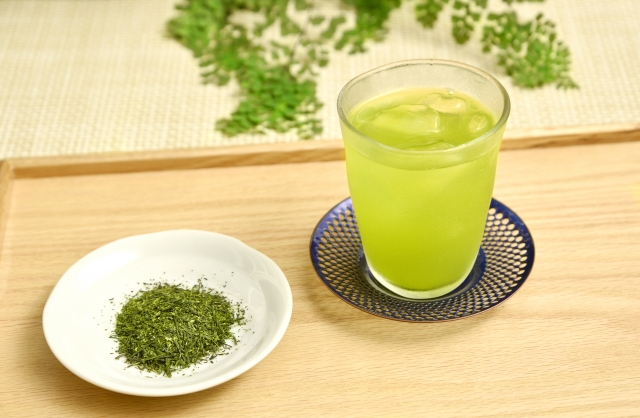
It can reduce how quickly caffeine is extracted, but cold-brewed tea should not automatically be treated as caffeine-free or very low in caffeine. Caffeine still dissolves in cold water.
The final amount depends on the tea, leaf quantity, brewing time, and temperature. This is especially relevant for teas such as gyokuro, which naturally contain more caffeine than many other Japanese teas.
So the main advantage of cold brewing is better understood as a change in flavor balance, not as a guarantee of low caffeine.
What Reicha Reveals About Japanese Tea Culture
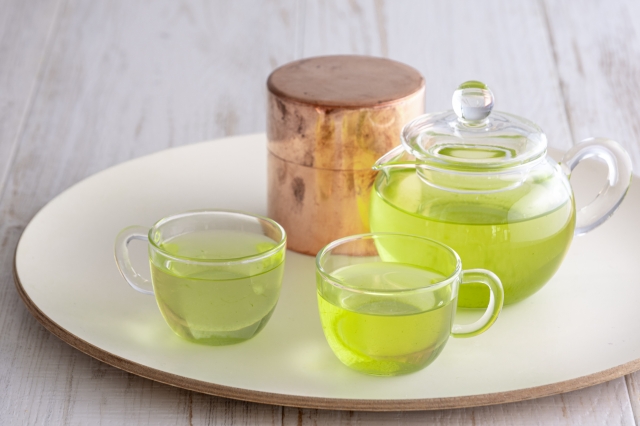
Japanese tea culture includes both careful brewing and simple everyday ways of enjoying tea.
Reicha shows how flexible Japanese tea culture can be. Tea does not always need to be prepared in one traditional way.
Sometimes it is carefully brewed in a kyusu, sometimes it is left in the refrigerator overnight, and sometimes it comes from a convenience-store bottle. A high-grade tea may even be slowly extracted over melting ice.
These ways of drinking tea may look very different, but they all reflect the same basic idea: tea is adjusted to the season, the situation, and the person drinking it.
Cold tea is not a separate world from traditional Japanese tea. It is simply another way that Japanese tea fits into everyday life.
Author's Note
When I hear the word reicha, I do not imagine one particular kind of tea. To me, it simply suggests cold tea on a hot day.
It might be something prepared carefully, but it could just as easily be tea taken from the refrigerator. That may be why the word feels so ordinary in Japanese. The interesting part is not the name itself, but how many different ways there are to make cold tea taste good.
FAQ
What is reicha?
Reicha means cold tea. It is a broad term for tea served chilled rather than one specific tea variety or brewing method.
Is reicha the same as cold-brew tea?
Not exactly. Cold-brew tea, or mizudashi, is one way to make reicha. Reicha can also include hot-brewed tea that is cooled with ice.
What is the best Japanese green tea for cold brewing?
Sencha is one of the easiest choices. Fukamushi-cha, gyokuro, hojicha, and genmaicha can also work well depending on the flavor you want.
Is cold green tea less bitter?
Usually, yes. Lower temperatures tend to extract bitterness and astringency more slowly, which often produces a smoother taste.
Do Japanese people drink cold green tea in summer?
Yes, but it is only one of several common summer drinks. Mugicha, bottled tea, cold hojicha, and other beverages are also widely consumed.
Can I make reicha without a kyusu?
Yes. A bottle, pitcher, tea bag, strainer, or ordinary teapot can all be used depending on the brewing method.
Related Reading on YUNOMI
- What Is Sencha? — Learn why Japan's most familiar green tea works so well both hot and cold.
- What Is Fukamushi-cha? — See why deep-steamed tea becomes especially rich in color and flavor when brewed cold.
- What Is Gyokuro? — Explore the Japanese green tea most closely associated with low-temperature and ice brewing.
- How to Brew Japanese Green Tea — A broader guide to water temperature, steeping time, and different brewing styles.

