

Many people outside Japan encounter miso mainly through miso soup. That is a good place to start, but it is only part of the story. Miso is also used in marinades, sauces, glazes, dressings, and regional dishes across Japan.
This article explains what miso is, what it tastes like, how fermentation creates its flavor, why miso soup matters in Japanese daily life, and what miso reveals about Japanese food culture.
Quick Summary
- Miso is a traditional Japanese fermented paste made from soybeans, koji, and salt.
- Koji fermentation breaks down proteins and starches, creating deep umami, aroma, and complexity.
- Miso is best known as the base of miso soup, one of Japan's most familiar everyday dishes.
- Different regions of Japan produce different miso styles, from mild white miso to robust red miso.
- In Japanese food culture, miso represents fermentation, regional identity, home cooking, and everyday nourishment.
What Is Miso?

Miso is a traditional Japanese fermented paste made by combining soybeans with salt and koji — a fermentation culture used in many Japanese foods.
The result is thick, salty, savory, and deeply aromatic. Depending on the type, miso can taste mild and sweet, strong and salty, earthy, rich, or almost nutty.
Miso is often described as a source of umami. But its flavor is not a single savory note. Because it is fermented over time, miso develops layers of aroma and depth that plain salt cannot produce.
This is why miso is one of the core seasonings of Japanese cuisine. It does not simply make food salty. It gives food body, warmth, and a rounded flavor that supports everything around it.
What Does Miso Taste Like?
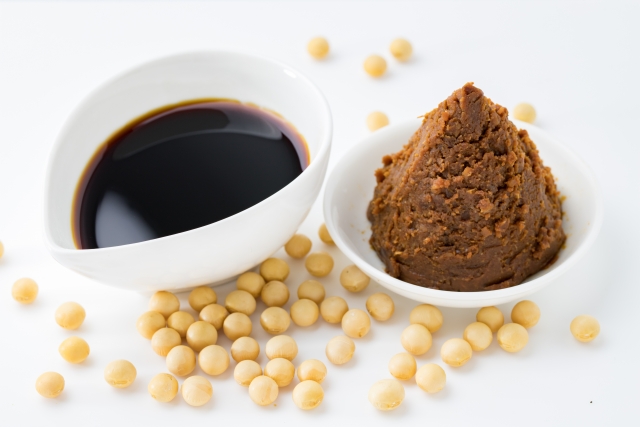
Miso develops deep umami and aroma through fermentation.
Miso is often salty, but saltiness is only part of its character.
A mild white miso can taste slightly sweet, soft, and gentle. A darker red miso tends to be deeper, saltier, and more intense. Some miso tastes earthy and rustic, while other types feel smooth and refined.
This range exists because miso changes depending on the ingredients, the amount of koji, the salt level, the region, and the length of fermentation.
That variety matters. In Japan, miso is not one single flavor. It is a family of fermented pastes, each with its own character.
This is also why miso works across so many kinds of cooking. It can support delicate vegetables, deepen a broth, balance the richness of meat or fish, or form the base of a sweet-savory glaze.
How Miso Is Made

Miso begins with simple ingredients: soybeans, koji, and salt. Fermentation transforms them into a deeply savory paste.
The basic ingredients of miso are simple: soybeans, koji, and salt.
Koji is made by cultivating a mold culture — usually Aspergillus oryzae — on grains such as rice or barley. This koji produces enzymes that break down proteins and starches during fermentation.
When soybeans, koji, and salt are combined and left to age, the mixture slowly transforms. Proteins break down into amino acids. Starches become sugars. Aromatic compounds develop over time.
This transformation is what makes miso more than mashed soybeans. Fermentation turns simple ingredients into a seasoning with depth, aroma, and umami.
Miso also keeps well, which made it invaluable long before modern refrigeration. Its salt content and fermentation helped preserve flavor over time, allowing households to have a deeply savory seasoning always on hand for daily cooking.
The length of fermentation depends on the type. Some lighter miso may age for a relatively short time, while darker and stronger varieties can mature for a year or more.
Red, White, and Regional Miso
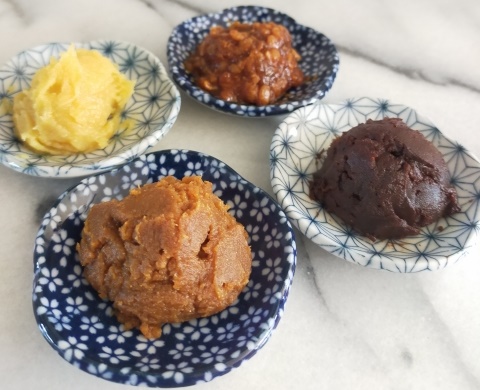
One of the most interesting things about miso is how regional it can be.
Different parts of Japan developed different miso styles depending on climate, local ingredients, food traditions, and fermentation methods.
White miso, often associated with Kyoto and western Japan, tends to be lighter, milder, and sweeter. It is frequently used in refined dishes where a gentle sweetness is important.
Red miso is usually darker and stronger, fermented longer to develop a deeper, saltier flavor.
Regional miso styles show how local taste can become part of food identity. In the Nagoya region, for example, hatcho miso is especially well known — a dark, powerful soybean miso used in local dishes such as miso katsu.
There are also rice miso, barley miso, and soybean miso, depending on what kind of koji is used. Each creates a different balance of sweetness, aroma, and depth.
In this sense, miso can be loosely compared to cheese or bread cultures in other parts of the world. The same basic process can produce many different local expressions.
Why Miso Soup Matters in Japan

Miso soup is one of the most familiar ways miso appears in everyday Japanese meals.
For many people, the most familiar form of miso is miso soup.
Miso soup is not usually treated as a special dish. It is simply part of everyday life — appearing at breakfast, lunch, or dinner, often alongside rice and small side dishes.
That everyday quality matters. Miso soup is warm, simple, and flexible. It can contain tofu, wakame seaweed, mushrooms, vegetables, clams, potatoes, or whatever fits the meal.
The way miso is added also makes a difference. In many homes, miso is dissolved into hot dashi near the end of cooking rather than brought to a full boil. This helps preserve its aroma and keeps the soup from tasting harsh or flat.
The soup also changes from household to household. The type of miso, the strength of the broth, and the choice of ingredients can all reflect family habits and regional tastes.
For this reason, miso soup often feels personal. It is not just a dish from Japanese cuisine in general. It can be the taste of a particular home.
This helps explain why miso carries emotional weight in Japan. Its flavor is tied to routine, family, and the quiet comfort of daily meals.
How Miso Is Used Beyond Soup
Although miso soup is the most widely known use of miso, miso is far more versatile.
It can serve as a marinade, a glaze, a sauce, a dressing, or a seasoning for simmered dishes. Because miso brings together salt, umami, and aroma, it can season food while also adding depth.
Saikyo-yaki: Kyoto’s Miso-Marinated Fish
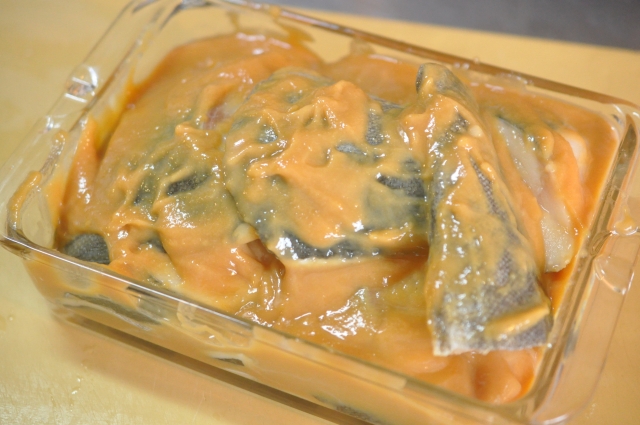
In Kyoto cuisine, fish is often marinated in sweet white miso to make dishes such as saikyo-yaki. The miso helps soften strong odors, adds umami, and creates a gentle sweetness when the fish is grilled.
Miso Katsu: Nagoya’s Rich Miso Sauce Dish

In Nagoya, strong red miso is used in dishes such as miso katsu, where a thick miso-based sauce is served over crispy pork cutlets — a reflection of the bold miso culture of central Japan.
Tofu Dengaku: Grilled Tofu with Sweet Miso Glaze

Miso also appears in tofu dengaku, where grilled tofu is topped with a sweet miso glaze. The neutrality of tofu gives miso space to stand out without becoming overpowering.
Sumiso: A Light Miso Vinegar Sauce
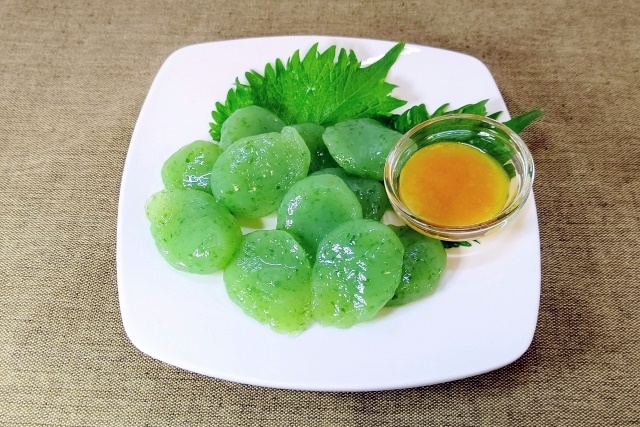
A lighter example is sumiso — a sauce made from miso, vinegar, and sugar. Often served with konnyaku, octopus, wakame seaweed, or blanched vegetables, it uses acidity to brighten and balance miso's natural richness.
These examples show that miso is far more than a soup base. It is one of the tools Japanese cooking uses to add depth, maintain balance, and connect simple ingredients to richer flavor.
Why Miso Feels Nourishing in Japanese Meals
Miso is often described as healthy, but in Japan its importance is not only nutritional.
A bowl of miso soup feels nourishing because of where it sits in the meal. It is warm, familiar, and easy to place beside rice, vegetables, fish, pickles, and small side dishes.
Miso rarely stands alone. It supports the meal around it, adding depth without needing to dominate the table.
That everyday role is one reason miso has remained so central to Japanese home cooking. It is practical, flavorful, flexible, and deeply connected to ordinary meals.
What Miso Reveals About Japanese Food Culture
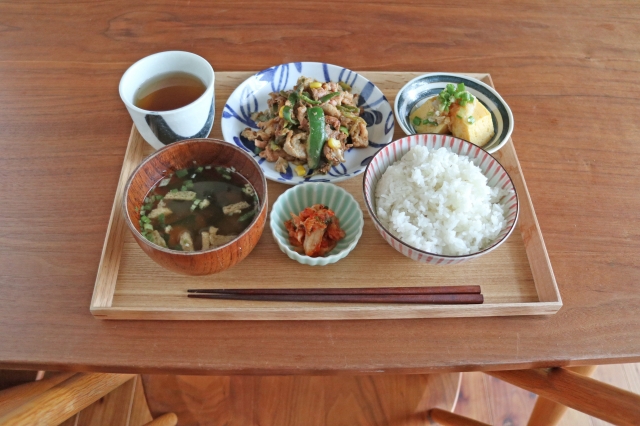
Miso often appears as part of a balanced everyday meal, supporting rice, side dishes, and home cooking with quiet fermented depth.
Miso points to one of the central ideas of Japanese food culture: deep flavor does not have to come from heaviness.
Through fermentation, miso creates richness without relying on large amounts of fat, cream, or heavy sauce. It gives food depth while still allowing the main ingredient to come through clearly.
This is similar to the role of dashi in Japanese cooking. Dashi provides quiet depth. Miso adds fermented warmth and body. Together, they help create food that feels both light and genuinely satisfying.
Miso also reflects Japanese food culture's appreciation for preservation and everyday practicality. It keeps well, seasons food deeply, and adapts to many different forms — from soup to marinades to glazes.

And it carries regional identity. The miso used in one household may taste quite different from the miso common in another part of Japan. These differences are not inconsistencies. They are part of the culture.
At the same time, miso is deeply ordinary. It is not reserved for special restaurants or traditional cuisine. It sits in refrigerators, appears in weekday soups, and becomes part of the rhythm of daily life.
That combination is what makes miso so important. It is both a product of long fermentation knowledge and one of the most familiar ingredients in everyday Japanese cooking.
Author's Note
For many Japanese people, miso is not something we first encounter as a "traditional ingredient." It is simply there.
It is in the soup served with rice. It is in the smell of breakfast. It is in the small differences between one household's miso soup and another's.
That is why miso is difficult to explain only as a fermented soybean paste. That definition is accurate, but it feels too small.
Miso is practical. It keeps well, seasons food deeply, and works across many dishes. But it also carries memory, region, and home.
On YUNOMI, I try to explain Japanese food not as something mysterious, but as something shaped by everyday use. Miso is a perfect example: a simple paste that quietly supports Japanese meals in ways that are both practical and personal.
FAQ
Is miso the same as soybean paste?
Miso is a type of fermented soybean paste, but it is specifically made with koji and salt. The fermentation process gives miso its distinctive umami, aroma, and depth.
What is koji in miso?
Koji is a fermentation culture used in Japanese foods such as miso, soy sauce, sake, and mirin. In miso making, koji produces enzymes that break down soybeans and develop flavor during fermentation.
What is the difference between red miso and white miso?
White miso is usually lighter, milder, and slightly sweet. Red miso is typically fermented longer, resulting in a darker color, stronger flavor, and higher saltiness.
Is miso only used for miso soup?
No. Miso is best known for miso soup, but it is also widely used in marinades, sauces, glazes, dressings, and simmered dishes.
Why is miso soup so common in Japan?
Miso soup is warm, simple, and flexible. It pairs naturally with rice and small side dishes and has long been part of everyday Japanese meals. Its flavor often reflects household habits and regional taste.
Is miso considered healthy?
Miso is a fermented soybean food that contains compounds produced during fermentation. In Japan, however, it is generally seen less as a special health food and more as part of a balanced, everyday diet.
Is miso vegan?
Traditional miso itself is usually vegan, as it is made from soybeans, koji, and salt. However, dishes that use miso — especially miso soup — often include fish-based dashi.
How long does miso fermentation take?
Fermentation time varies by type. Some lighter miso may be ready in a few months, while darker and stronger varieties can age for a year or longer.

