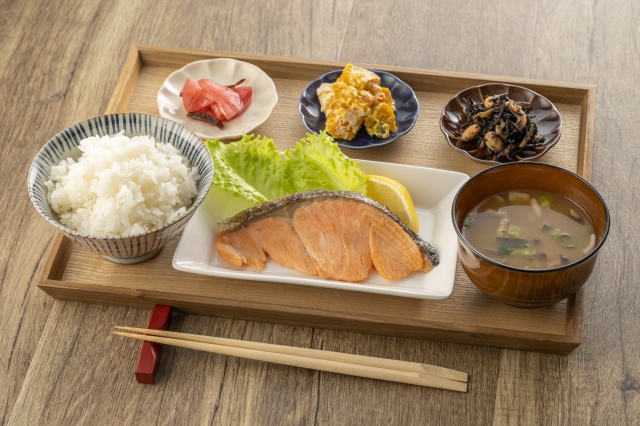
They are also rarely the main dish.
Tsukemono usually appear in small portions beside rice, soup, fish, or other foods. Their role is not to dominate the meal. They add saltiness, acidity, aroma, color, and crisp texture where the rest of the meal may be soft or mild.
This makes them an important example of how Japanese meals are often built.
A small supporting food can change the balance of the entire table.
Quick Summary
Japanese pickles are called tsukemono.
They can be made from vegetables such as:
- daikon
- cucumber
- eggplant
- cabbage
- turnip
- ginger
- leafy greens
- ume
- melon or gourd
They may be seasoned or preserved with:
- salt
- rice bran
- vinegar
- miso
- soy sauce
- sake lees
- koji
Not all Japanese pickles are strongly sour, and not all are fermented.
They are usually served in small portions alongside rice and other dishes. Their main role is to add contrast and help the rest of the meal feel more complete.
What Are Tsukemono?
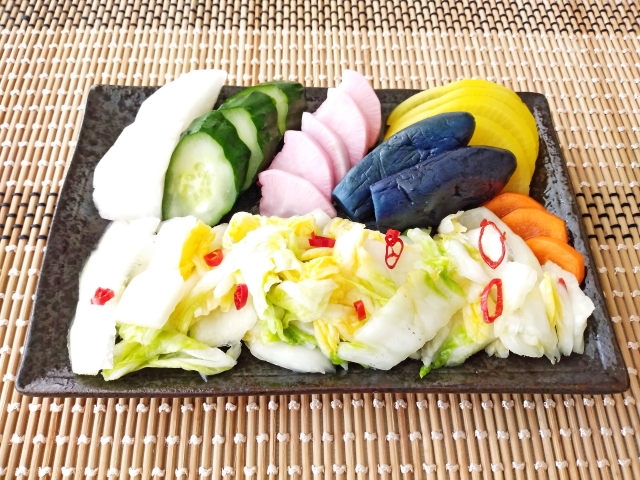
The word tsukemono refers broadly to foods that have been pickled, soaked, or preserved in a seasoning medium.
The category is much wider than vinegar pickles.
A vegetable may be lightly salted for a few hours, buried in fermented rice bran, soaked in soy sauce, packed in miso, or aged in sake lees.
The result may be crisp and fresh, soft and deeply seasoned, salty, sweet, sour, smoky, earthy, or strongly aromatic.
Some tsukemono developed mainly as a way to preserve vegetables. Others are made for flavor, texture, convenience, or seasonal enjoyment.
Japanese pickles are not one single food.
They are a broad family of preserved and seasoned foods shaped by region, climate, household habits, and locally available ingredients.
How Japanese Pickles Differ from Other Pickles
Japan is not the only country with a strong pickle culture.
Korea has kimchi. Germany has sauerkraut. India has spiced pickles. China, Southeast Asia, Europe, and the Middle East all have traditions of salting, fermenting, or preserving vegetables.
The basic methods are not uniquely Japanese.
What makes tsukemono distinctive is often the way they fit into a Japanese meal.
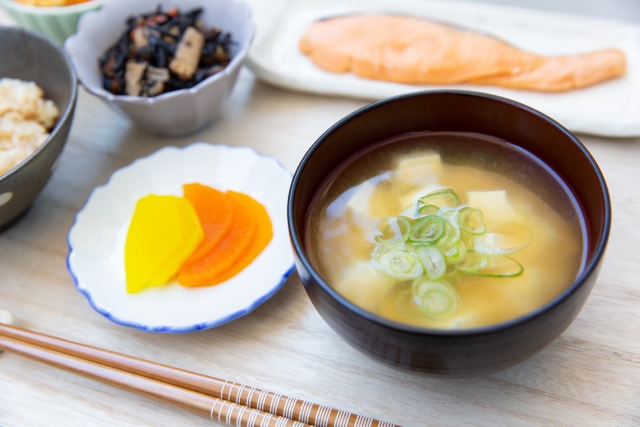
They are commonly served in small amounts beside plain rice, soup, and mild side dishes. Their purpose is usually to support the meal rather than become its center.
Japanese pickles are also not always strongly acidic. Some use vinegar, but others depend more on salt, rice bran, miso, soy sauce, or sake lees.
The key difference is not one special technique.
It is the wide range of methods and the small but important role tsukemono play at the table.
Common Types of Japanese Pickles
There are many kinds of tsukemono. A few examples show how varied the category can be.
Asazuke
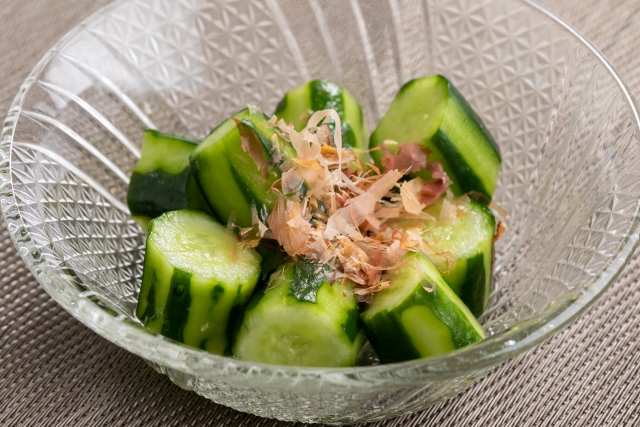
Asazuke means lightly pickled food.
Vegetables such as cucumber, cabbage, daikon, or eggplant are salted or briefly seasoned. They stay crisp and fresh, and can be prepared quickly at home.
Unlike pickles made with rice bran, miso, or sake lees, asazuke adds very little aroma of its own. Its appeal comes from improving the texture and seasoning of the vegetable without hiding its natural flavor.
This shows that Japanese pickling is not always about long preservation or deep transformation. Sometimes it is simply a way to make a fresh vegetable more enjoyable at the next meal.
Nukazuke
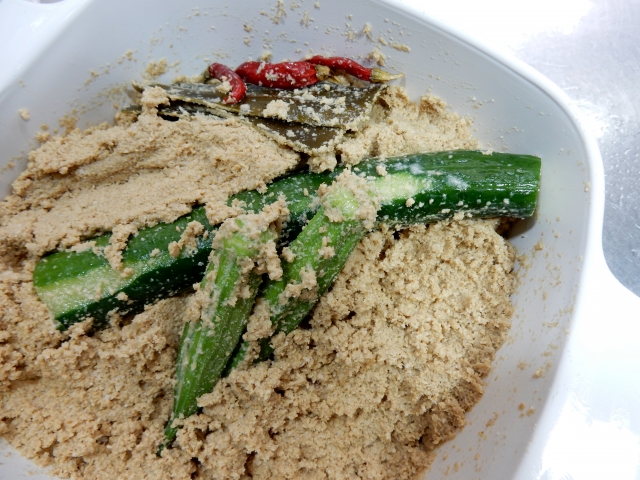
Nukazuke is made by placing vegetables in a fermented rice bran bed called a nukadoko.
Cucumber, daikon, eggplant, and carrot are common choices.
Lactic acid fermentation gives the vegetables a mild sourness, deeper flavor, and a distinctive aroma. The finished pickles can be crisp, salty, earthy, and pleasantly complex.
The rice bran bed must be mixed and maintained regularly. It can develop a strong smell, and caring for it takes time — but the same nukadoko can be kept and reused for years.
This makes nukazuke more than a preservation method. It is a household practice built through daily care. Interest in nukazuke has also grown in recent years alongside broader attention to fermented foods and traditional food preparation.
Takuan
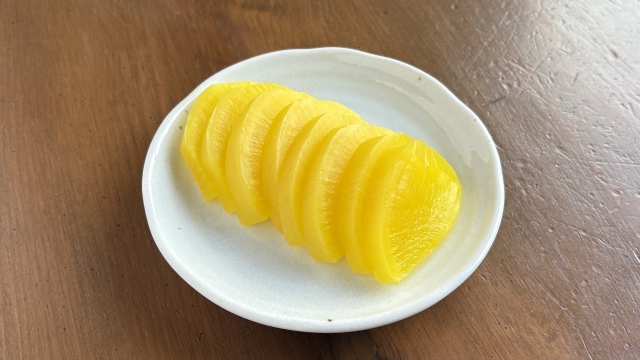
Takuan is pickled daikon radish.
It usually has a firm texture and a salty or mildly sweet flavor. Color, texture, and production method vary considerably between traditional and modern versions.
Takuan is widely associated with rice, bento, and everyday meals. Its crunch provides a clear contrast to soft rice — which is the most important thing to understand about its role at the table.
Umeboshi
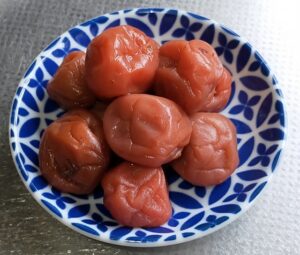
Umeboshi is often translated as pickled plum, although ume is botanically closer to an apricot.
It is usually very salty and sharply sour. One piece may be served with rice, placed in a bento, or tucked inside an onigiri. Its flavor is so concentrated that a small amount can season a large portion of plain rice.
Umeboshi shows how one small preserved ingredient can influence an entire meal.
Narazuke
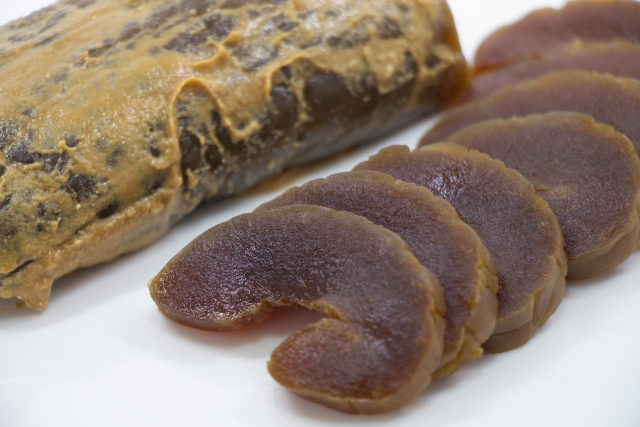
Narazuke is a deeply flavored pickle associated with Nara.
Vegetables such as melon, cucumber, ginger, or watermelon rind are preserved in sake lees. The finished pickles are often dark, sweet, salty, and strongly aromatic.
Narazuke shows how Japanese pickles can transform an ingredient completely. A mild vegetable becomes memorable through long contact with sake lees.
Why Tsukemono Work So Well with Rice
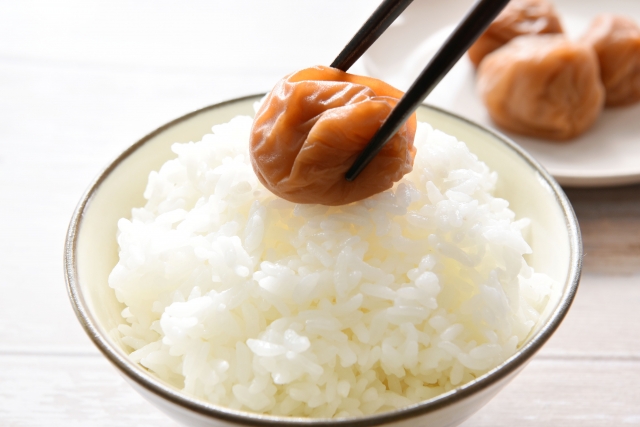
Plain Japanese rice is mild, soft, and slightly sweet.
Tsukemono provide the opposite qualities. They may be salty, sour, crisp, aromatic, or strongly seasoned.
This contrast makes them especially effective in small amounts.
A bite of pickle can make the next bite of rice taste softer and sweeter. Rice, in turn, reduces the intensity of the pickle.
Neither food needs to be complicated. Their relationship creates the balance.
This is why tsukemono are often cut into small pieces rather than served in large portions. They are designed to be eaten with rice, not necessarily on their own.
Even a simple meal of rice, miso soup, and a small serving of pickles has a clear structure: the rice is soft and mild, the soup is warm and fluid, and the pickles add sharpness and texture.
Why Are Japanese Pickles Served in Small Portions?
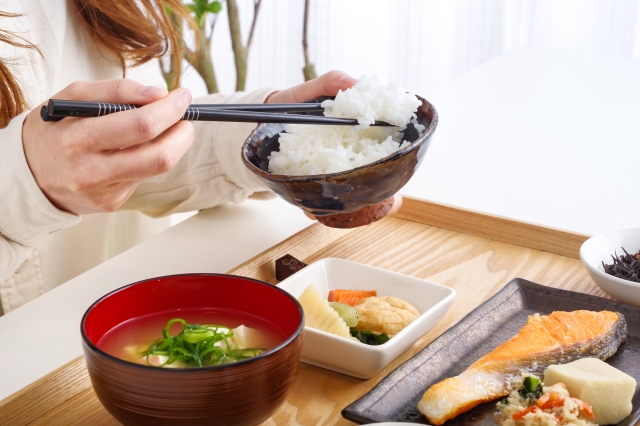
Tsukemono are often strongly flavored. A large serving could overpower the meal or add too much salt. A few slices are usually enough.
Their role may be to:
- sharpen the taste of plain rice
- add crunch to soft foods
- provide acidity between richer bites
- bring color to the table
- give the diner a change of pace
This small-portion role matters. Japanese meals often depend on several supporting foods rather than one large central dish. Pickles fit naturally into that structure.
They do not need to be eaten with every bite. A diner may take one piece after fish, another with rice, and another between sips of soup.
Their effect comes from timing and contrast. In this sense, tsukemono help shape the rhythm of the meal.
Pickles at Home, in Restaurants, and at Ryokan
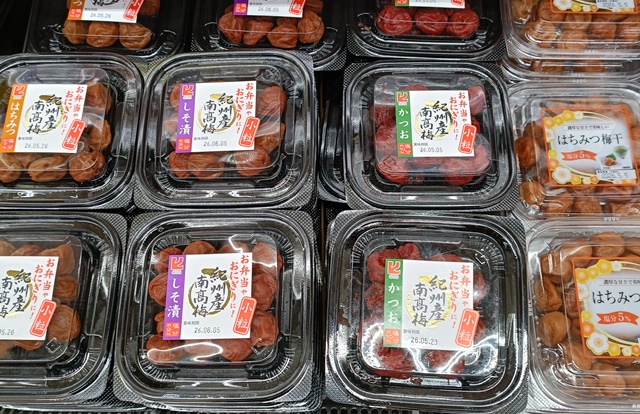
At home, tsukemono may be homemade, bought from a supermarket, or served straight from a package.
Some households maintain a rice bran bed and make nukazuke regularly. Others buy small packs of takuan, asazuke, kimchi, or regional pickles. There is no requirement that pickles be handmade. Ready-made tsukemono are a normal part of modern Japanese food culture.
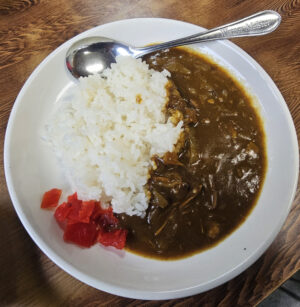
In restaurants, a few slices may appear beside curry, donburi, a set meal, or a bowl of rice. The portion may be small, but it helps complete the meal and adds contrast.
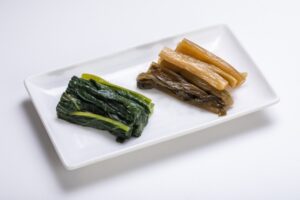
At a ryokan, several kinds of seasonal or regional pickles may be served as part of breakfast or dinner. There, tsukemono can also communicate place — a local vegetable or regional preservation method becomes part of the travel experience.
The same food can therefore serve quite different purposes:
- a practical side dish at home
- a supporting element in a restaurant meal
- an expression of region and hospitality at a ryokan
Regional and Seasonal Variety
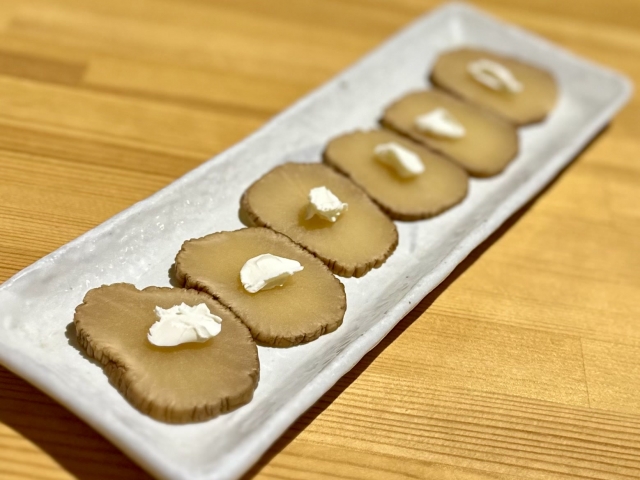
Iburigakko, a smoked daikon pickle from Akita, is often paired with cream cheese as a modern appetizer.
Pickles developed partly because people needed ways to preserve local vegetables. Different climates, crops, and household techniques created different regional traditions.
Kyoto is known for pickles such as shibazuke and senmaizuke. Nagano is associated with nozawana-zuke. Akita is known for iburigakko, a smoked daikon pickle.
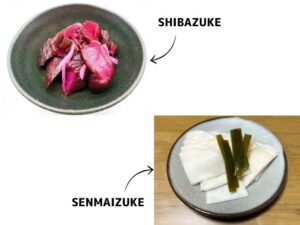
Shibazuke and senmaizuke are two well-known Kyoto pickles with very different colors, textures, and ingredients.
Season also matters. Cucumber and eggplant often appear in lighter summer pickles. Daikon, turnips, and leafy vegetables are common in colder months. Some pickles are made when a vegetable is abundant and eaten later in the year.
This gives tsukemono a connection to both time and place. A small serving can carry information about local agriculture, climate, preservation traditions, and household habits.
What Tsukemono Reveal About Japanese Food Culture
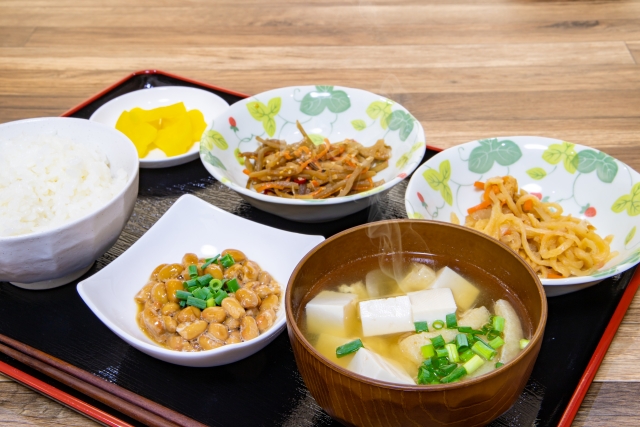
Tsukemono show how Japanese food culture often gives importance to small supporting foods.
They are rarely the largest or most visually dominant part of the table. Yet they change how the rest of the meal feels — making rice more interesting, adding texture to soft foods, and providing saltiness, acidity, or aroma in a small space.
They help connect one bite to the next.
Tsukemono also show that preservation is not only about making food last longer. A practical technique can create new flavor, texture, regional identity, and cultural meaning.
The ingredient may be simple, but the method changes its role.
Japanese pickles are both practical and expressive — modest foods that become important through repetition, contrast, and careful use.
Author's Note
I especially like narazuke.
Its flavor is much stronger and deeper than the kind of light pickle people might first imagine. The sake lees give it sweetness, saltiness, and a distinctive aroma that can catch you off guard if you are not used to it.
I also find the ingredient itself interesting. Narazuke is often made with uri, a type of melon or gourd — not something I eat often in other dishes.
In that sense, narazuke gives the vegetable a role it might not otherwise have.
That is one of the things I like about Japanese pickles. They do not simply preserve familiar vegetables. Sometimes they make an ingredient memorable.
A few slices are enough, especially with rice. That small amount can carry a surprising amount of flavor.
FAQ
What are Japanese pickles called?
Japanese pickles are generally called tsukemono. The category includes vegetables preserved or seasoned with salt, rice bran, vinegar, miso, soy sauce, sake lees, and other ingredients.
Are Japanese pickles always sour?
No. Some are sour, but others may be salty, sweet, smoky, earthy, or only lightly seasoned. Vinegar is just one of many methods used to make tsukemono.
Are all Japanese pickles fermented?
No. Some, such as nukazuke, involve fermentation. Others, including many quick pickles and vinegar pickles, involve little or no fermentation.
What vegetables are used for tsukemono?
Common ingredients include daikon, cucumber, eggplant, cabbage, turnip, ginger, leafy greens, ume, melon, and watermelon rind.
Why are Japanese pickles served with rice?
Their saltiness, acidity, aroma, and crisp texture contrast with the mild flavor and soft texture of rice. A small amount can make plain rice feel more complete.
What is the most common Japanese pickle?
There is no single answer, but takuan, asazuke, umeboshi, cucumber pickles, and various packaged pickles are all widely familiar.
What is narazuke?
Narazuke is a pickle associated with Nara. Vegetables such as melon, cucumber, or ginger are preserved in sake lees, producing a dark, sweet, salty, and strongly aromatic pickle.
What are some well-known regional Japanese pickles?
Examples include shibazuke and senmaizuke from Kyoto, nozawana-zuke from Nagano, iburigakko from Akita, and narazuke from Nara.
Is kimchi considered tsukemono in Japan?
Kimchi is recognized as a Korean food with its own tradition. In Japanese supermarkets, however, it is often sold alongside other pickled foods in the same general section.
Do Japanese families make pickles at home?
Some do, especially asazuke or nukazuke. Many households also buy ready-made pickles from supermarkets or specialty shops.
Are Japanese pickles healthy?
They can add vegetables and fermented foods to a meal, but many are high in salt. Their nutritional value depends on the type, portion, and the rest of the diet.
Related Reading on YUNOMI
- What Is Japanese Rice? Why Short-Grain Rice Matters in Japanese Food Culture
- What Is Miso Soup? Why It Is So Common in Japan
- What Is Nori? The Seaweed That Shapes Everyday Japanese Food
- What Is Miso? The Fermented Paste at the Heart of Japanese Food Culture
- What Is a Japanese Breakfast? How Rice, Miso Soup, and Small Dishes Work Together
- Japanese Food Culture: How Everyday Ingredients Shape the Japanese Table

