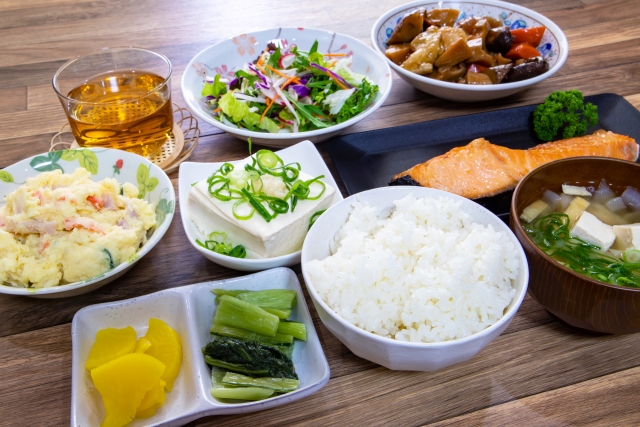
These foods are important, but they do not fully explain how people eat in Japan.
Everyday Japanese meals are often built from quieter elements: rice, soup, fermented seasonings, tofu, seaweed, vegetables, pickles, and small side dishes. Many of these ingredients are not dramatic on their own. Their importance comes from how they work together.
A bowl of rice may be supported by miso soup, nori, tofu, pickles, or a small piece of fish. Dashi may be almost invisible, yet it shapes the flavor of soup, simmered dishes, and noodles. Soybeans can become miso, soy sauce, tofu, natto, fried tofu, kinako, and many other foods.
Japanese food culture is not only a collection of recipes.
It is a system of relationships between ingredients, seasons, regions, household habits, and the structure of the meal.
This guide introduces the everyday foods and ideas that help shape the Japanese table.
Quick Summary
Japanese food culture is built around more than famous restaurant dishes.
Some of its most important features include:
- rice as the center of many meals
- soup and side dishes served together rather than in separate courses
- dashi as a light foundation of umami
- fermented foods such as miso and soy sauce
- soybeans transformed into many different ingredients
- seaweed used for flavor, texture, wrapping, and broth
- seasonal and regional variation
- small supporting foods that help the whole meal feel balanced
The articles in this guide explore these foods individually while also showing how they connect.
Where to Begin
For a clear introduction to this part of Japanese food culture, start with these three articles:
- What Is Japanese Rice? Why Short-Grain Rice Matters in Japanese Food Culture
- What Is Miso Soup? Why It Is So Common in Japan
- Japanese Soybean Foods: Why Soybeans Are Everywhere in Japanese Food Culture
Together, they explain the central role of rice, the structure of an everyday meal, and the way a single simple ingredient can be transformed into many different foods.
Rice at the Center of the Japanese Meal
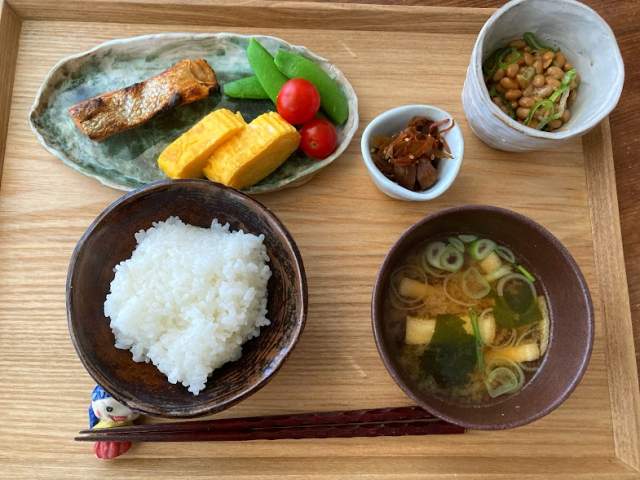
Japanese rice is often served as the quiet center of a meal, alongside miso soup, grilled fish, natto, and small side dishes.
Rice has long provided the basic structure of many Japanese meals.
It is not always the most strongly flavored food on the table. Instead, it acts as a quiet center around which soup, fish, vegetables, pickles, eggs, tofu, and other side dishes are arranged.
Japanese short-grain rice is soft, moist, and slightly sticky. These qualities make it suitable not only for eating from a bowl, but also for shaping into onigiri, combining with raw egg, and using in sushi.
Understanding Japanese rice helps explain why so many other foods are salty, fermented, aromatic, or served in small portions. They are often designed to be eaten alongside rice rather than on their own.
Explore Rice and Everyday Rice Foods
What Is Japanese Rice? Why Short-Grain Rice Matters in Japanese Food Culture
Learn why Japanese rice is soft and sticky, how it differs from long-grain rice, and why it plays such a central role in Japanese meals.
Tamago Kake Gohan: Why Japanese People Eat Raw Egg on Rice
Explore one of Japan's simplest home meals and why raw egg, hot rice, and soy sauce work so naturally together.
What Is Onigiri? Why Japanese Rice Balls Are So Common in Japan
See how rice becomes portable, practical, and easy to eat through one of Japan's most familiar everyday foods.
Miso, Dashi, and the Foundations of Flavor
Many Japanese dishes are not built around heavy sauces or long-cooked stocks.
Instead, flavor is often created through lighter foundations and fermented seasonings.
Dashi provides a clear, savory base. Miso adds saltiness, aroma, fermentation, and depth. Soy sauce seasons food without necessarily masking its natural character.
These ingredients often work in the background — supporting vegetables, tofu, fish, rice, and noodles rather than replacing their flavor.
Miso soup is one of the clearest examples. Dashi forms the base, miso adds fermented depth, and ingredients such as tofu, wakame, mushrooms, clams, or seasonal vegetables complete the bowl.
Fermentation and drying are also central to this foundation. Miso and soy sauce gain depth through fermentation, while kombu, katsuobushi, niboshi, and dried shiitake become powerful sources of flavor through drying.
These methods do more than preserve food. They create ingredients with new aromas, textures, and uses.
Explore Miso and Dashi
What Is Miso? The Fermented Paste at the Heart of Japanese Food Culture
Learn how soybeans, koji, salt, time, and regional traditions produce many different kinds of miso.
What Is Miso Soup? Why It Is So Common in Japan
Explore why miso soup is served alongside rice and side dishes, why every household's version tastes different, and why it fits Japanese meals so naturally.
What Is Dashi? The Quiet Broth Behind Japanese Flavor
Understand the light broth that supports miso soup, noodles, simmered dishes, and many other Japanese foods.
Japanese Dashi Guide: Types, Ingredients, and How to Use Them
Explore kombu, katsuobushi, niboshi, dried shiitake, combined dashi, and other parts of Japan's broth culture in more detail.
Soybeans in Everyday Japanese Food
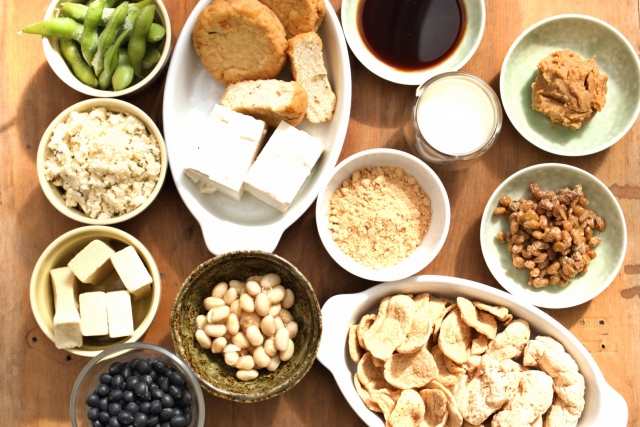
Few ingredients demonstrate the flexibility of Japanese food culture as clearly as soybeans.
The same bean can be fermented, pressed, coagulated, fried, dried, roasted, or eaten young.
It can become:
- tofu
- natto
- aburaage
- atsuage
- koya-dofu
- soy milk
- kinako
- okara
- edamame
These foods do not all taste or look alike. Some absorb flavor, some add texture, some support rice, and some provide a practical way to use what remains after another food is made.
Frying changes tofu into aburaage or atsuage. Freezing and drying create koya-dofu. Roasting soybeans produces kinako. The pulp left after soy milk is made becomes okara.
This transformation of a single ingredient into many different forms is one of the recurring patterns of Japanese food culture.
Soybeans are rarely the star of the Japanese table. But they help build its underlying structure.
Explore Japanese Soybean Foods
What Is Tofu in Japan? Why It Is More Than a Meat Substitute
Learn why tofu is treated as an ordinary everyday ingredient in Japan rather than mainly as vegan protein or a substitute for meat.
Japanese Soybean Foods: Why Soybeans Are Everywhere in Japanese Food Culture
See how one ingredient becomes tofu, natto, fried tofu, kinako, okara, edamame, and many other foods.
What Is Tamari? The Rich Japanese Soy Sauce Made from Miso Fermentation
Learn about a darker, richer seasoning closely connected to the production of miso.
Seaweed and the Supporting Ingredients of the Meal
Japan's relationship with the sea appears in many forms of seaweed.
Nori, wakame, kombu, aonori, and aosa may all be translated as "seaweed" in English, but they have different textures and different functions.
Kombu is especially important for dashi. Wakame often appears in soups and salads. Nori can wrap rice, sit beside breakfast, soften inside a bento, or be shredded over noodles and rice bowls.
Seaweed often plays a supporting role, but that does not make it unimportant.
A small amount can add aroma, umami, texture, or color — and sometimes create a practical surface between the hand and the food. Nori around an onigiri makes the rice easier to hold while also changing the entire eating experience.
Explore Nori and Seaweed
What Is Nori? The Seaweed That Shapes Everyday Japanese Food
Learn how sheet nori is made, why its quality varies, and how it is used far beyond sushi.
What Is Kombu Dashi?
Explore how dried kelp creates one of Japan's most important plant-based sources of umami.
Everyday Meals Are Built from Relationships
A Japanese meal is not always organized around one large central dish.
Rice, soup, a main dish, pickles, and small side dishes may all appear together. The diner moves between them rather than finishing one course before beginning another.
A bite of rice may be followed by fish, vegetables, tofu, or pickles. Miso soup adds warmth and moisture. Nori adds aroma and texture. Fermented seasonings give depth to ingredients that might otherwise taste mild.
The traditional idea of ichiju sansai — one soup and three dishes — is one way of describing this structure. Everyday meals do not always follow it strictly, but the underlying idea remains influential: several modest foods working together to create balance.
This helps explain why small supporting foods matter so much. Miso soup is not usually the main dish. Nori may weigh almost nothing. Pickles may appear in only a small portion. Yet their absence can make the meal feel incomplete.
Supporting Ingredients That Change the Meal
Some Japanese ingredients are used in very small amounts but have a strong effect on the food around them.
Wasabi adds sharpness and aroma. Nori brings roasted fragrance and texture. Pickles add saltiness, acidity, and contrast. Green onion, ginger, sesame, and grated daikon can all change a dish without becoming its main ingredient.
These foods are not simply decorations.
They help balance richer ingredients, refresh the palate, emphasize aroma, or make a simple bowl of rice or noodles feel more complete.
The importance of these supporting ingredients reflects a wider pattern in Japanese food culture: a small addition can shape the character of the whole meal.
Explore Supporting Ingredients
What Is Wasabi? Real vs Fake, Taste, and How It Is Used in Japan
Learn what real wasabi is, why most green wasabi paste is made from other ingredients, and how wasabi is actually used in Japanese food.
What Is Katsuobushi?
Explore the dried bonito flakes used for dashi, toppings, and one of the most recognizable aromas in Japanese cooking.
Japanese Food Is Not One Fixed Tradition
There is no single version of Japanese food shared identically by every region and every household.
Miso can be dark, light, salty, mild, or sweet. Dashi may be based on kombu, bonito flakes, dried sardines, or mushrooms. Miso soup ingredients change with the season and whatever happens to be in the kitchen.
Rice varieties differ by region. Soybean foods may carry local traditions. Even familiar dishes such as onigiri vary in shape, filling, seasoning, and the way nori is used.
Household taste matters just as much.
For many people, the most emotionally familiar version of a dish is not the one served in a restaurant. It is the one prepared at home.
This is why Japanese food culture cannot be understood only through standardized recipes. It also lives in regional habits, family preferences, convenience foods, and ordinary repetition.
Japanese Food Is Not Only About Famous Dishes
Sushi, ramen, tempura, and other famous foods are real parts of Japanese cuisine.
But everyday food often tells a different story.
It shows how rice is supported by soup and side dishes. It shows how fermentation, drying, frying, and roasting create new flavors and textures. It shows how mild ingredients such as tofu can become meaningful through dashi, soy sauce, miso, ginger, green onion, and seasonal vegetables.
It also shows the importance of foods that rarely become the center of attention.
Nori, miso soup, tofu, dashi, pickles, and small side dishes may appear quiet or ordinary. Yet they help determine how the meal smells, tastes, feels, and comes together.
Japanese food culture is not defined only by spectacle.
It is also defined by structure.
What Japanese Food Culture Reveals
Japanese food culture reveals how a meal can be shaped by relationships rather than by a single dominant dish.
Rice provides a center. Soup adds warmth and moisture. Fermented seasonings create depth. Seaweed contributes aroma and texture. Tofu and vegetables absorb the flavors around them. Small side dishes offer contrast.
Practicality and pleasure often develop together.
Nori makes rice easier to hold while making it more aromatic. Fermentation preserves ingredients while creating deeper flavor. Miso soup provides warmth while offering a place for seasonal vegetables and small amounts of food already in the kitchen.
Regional traditions and household preferences prevent these patterns from becoming rigid. The structure may be familiar, but the ingredients and flavors continue to change.
These ideas are easy to overlook because they feel ordinary.
But once they become visible, Japanese food begins to look different.
It is not only a collection of famous dishes.
It is a way of building meals from quiet ingredients, careful transformations, and many small parts working together.