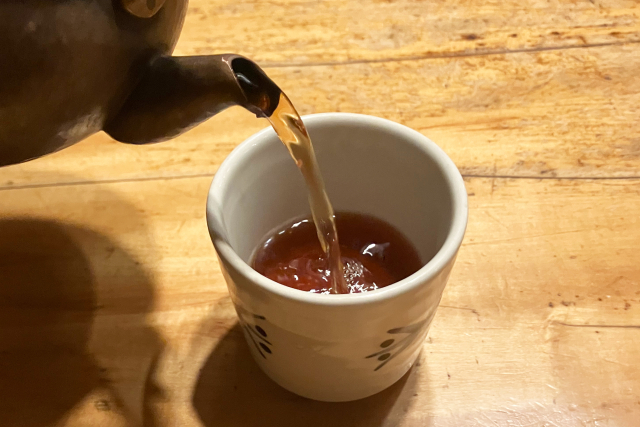
Hojicha does not look like the green tea many people expect from Japan.
Its leaves are brown. The brewed tea can range from amber to reddish-brown. Its aroma is roasted rather than grassy, and its flavor may remind you more of toasted nuts, warm grain, or caramel than fresh green leaves.
Yet hojicha is still Japanese green tea.
The key is simple:
Hojicha is not one specific type of tea leaf.
It is roasted tea.
Different Japanese green teas and different parts of the tea plant can be roasted to make hojicha. That is why hojicha can vary in flavor, aroma, and even caffeine content more than its name might suggest.
Outside Japan, hojicha is increasingly appearing in cafés as a latte or an alternative to matcha.
In Japan, however, it has long had a much quieter role.
It is familiar, easy to drink, and easy to fit into everyday life.
Quick Summary
- Hojicha is roasted Japanese green tea.
- It is not the name of one specific leaf, cultivar, or grade.
- Bancha, sencha, mature leaves, stems, and other green tea materials can all be used to make hojicha.
- Its brown color comes from roasting, not from the oxidation process used to make black tea.
- Hojicha is usually less grassy and less sharply bitter than matcha or sencha.
- Common flavor descriptions include roasted, nutty, toasty, warm, and sometimes caramel-like.
- It pairs easily with both sweets and savory food.
- Hojicha is often assumed to be low in caffeine, but roasting alone does not remove most of the caffeine.
- Caffeine content depends heavily on the leaves and stems used to make the tea.
- In Japan, hojicha is generally seen as an everyday tea rather than a luxury drink.
What Is Hojicha?
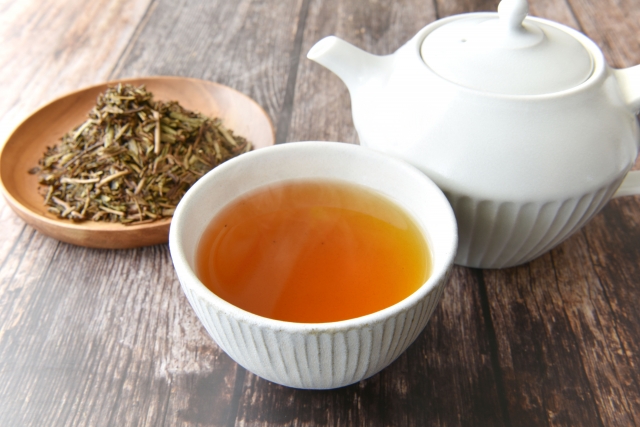
Hojicha is Japanese green tea that has been roasted, giving both the leaves and the brewed tea their distinctive brown color.
Hojicha is roasted Japanese green tea.
The important thing to understand is that hojicha is not the name of one specific tea leaf or cultivar.
It is a style of tea created through roasting.
Different Japanese green teas can be used as the starting material.
Hojicha may be made from bancha, sencha, mature leaves, stems, or a mixture of different parts of the tea plant.
Once these materials are roasted, their green color fades and the aroma changes dramatically.
Fresh, grassy notes become weaker, while warm roasted aromas come forward.
This is why hojicha can vary more than its name might suggest.
One hojicha may be light and delicate.
Another may be deeply roasted and smoky.
A stem-heavy hojicha can taste quite different from one made mainly from leaves.
So the simplest way to understand it is this:
Hojicha is roasted tea, not one single type of tea leaf.
That point matters later, because the starting material affects not only the taste, but also the caffeine content.
Why Is Hojicha Brown If It's Green Tea?
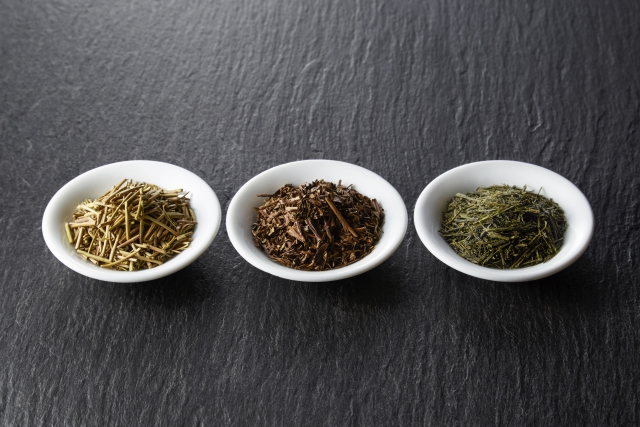
Hojicha turns brown through roasting, even though it begins as Japanese green tea.
The brown color comes from roasting.
It does not mean that hojicha has become black tea.
Black tea changes mainly through oxidation before drying.
Hojicha begins as green tea, where oxidation has already been largely stopped through heating, and is then roasted afterward.
So although both black tea and hojicha may look brown, they arrive there through very different processes.
Black tea develops its character mainly through oxidation.
Hojicha develops its character through roasting.
That is why hojicha can lose much of the grassy character associated with green tea while still remaining part of the Japanese green tea family.
What Does Hojicha Taste Like?
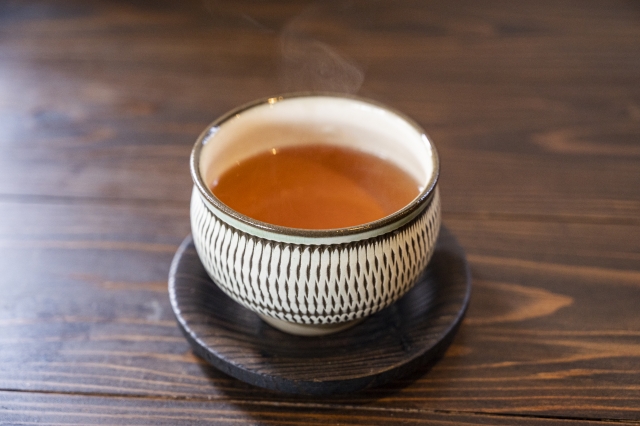
Hojicha is known for its warm roasted aroma and mild, toasty flavor.
Hojicha is often described as roasted, nutty, toasty, warm, or slightly caramel-like.
Compared with many Japanese green teas, the flavor is usually less grassy and less sharply bitter.
Roasting softens much of the fresh green character and brings forward deeper, warmer aromas.
This can make hojicha surprisingly approachable for people who don't normally enjoy Japanese green tea.
Coffee drinkers may recognize something familiar in the roasted aroma.
Black tea drinkers may appreciate its warmth.
And people who find strongly vegetal teas difficult may find hojicha much easier to enjoy.
The exact flavor still depends on what was roasted and how deeply it was roasted.
A light roast can retain more of the original tea character.
A deeper roast can become smokier, darker, and more intense.
Hojicha vs. Matcha: Why Do They Taste So Different?
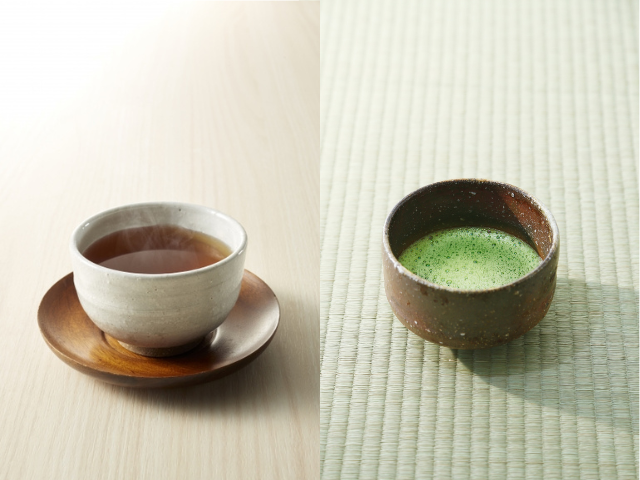
Hojicha and matcha are both Japanese green teas, but they show very different sides of the category.
Matcha is vivid green and concentrated.
Its flavor can be grassy, bitter, creamy, and rich in umami.
Hojicha is brown, roasted, lighter, nutty, and generally milder.
Matcha tends to make a strong first impression.
Hojicha is quieter.
That can make hojicha easier for people who are curious about Japanese tea but don't immediately take to matcha.
If you already like roasted coffee, nuts, baked goods, toasted grain, or caramelized flavors, hojicha may feel surprisingly familiar.
That doesn't make hojicha better than matcha.
They simply represent different possibilities within Japanese tea.
Matcha shows how intense and concentrated green tea can become.
Hojicha shows how warm and relaxed it can be.
What Foods Go Well with Hojicha?
One of hojicha's strongest qualities is how easily it pairs with food.
Its roasted aroma connects naturally with baked, grilled, toasted, and caramelized flavors, while its bitterness is usually mild enough not to dominate what you're eating.
It works especially well with Japanese sweets made from smooth red bean paste.
Yokan and mizuyokan are good examples.
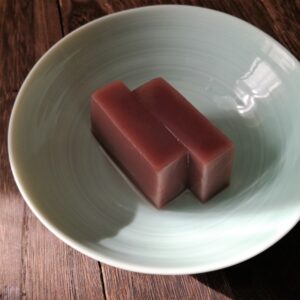
Chestnut sweets and baked sweet potato also pair naturally with hojicha, since their soft sweetness and earthy flavor match the tea's roasted character.
Western-style baked goods work just as well.
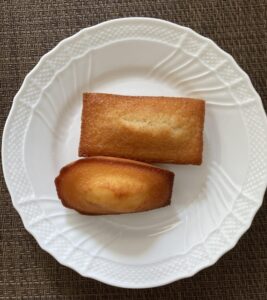
Pound cake, muffins, cookies, financiers, and other butter-rich sweets can feel lighter with hojicha, since the tea freshens the finish without overpowering the food.
This same quality helps explain why hojicha works so well in ice cream, soft serve, and milk-based desserts.
Savory food is also easy to pair.
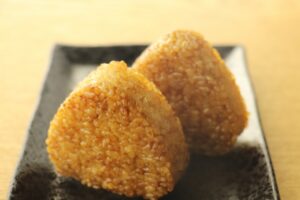
Rice crackers, grilled rice balls, grilled fish, simmered dishes, and simple Japanese meals all go naturally with hojicha.
In that sense, hojicha is something of an all-rounder.
It rarely demands a carefully chosen pairing.
Its flavor tends to fit around the food.
Hojicha is enjoyed year-round, but these pairings also help explain why it often feels especially autumnal in Japan.
Chestnuts, sweet potatoes, bean-paste sweets, baked foods, and roasted flavors all become more visible as the weather cools.
For that reason, hojicha-flavored bottled drinks, café items, and seasonal sweets often become more noticeable around autumn.
The tea itself isn't seasonal.
Its flavor simply fits the season well.
Is Hojicha Really Low in Caffeine?
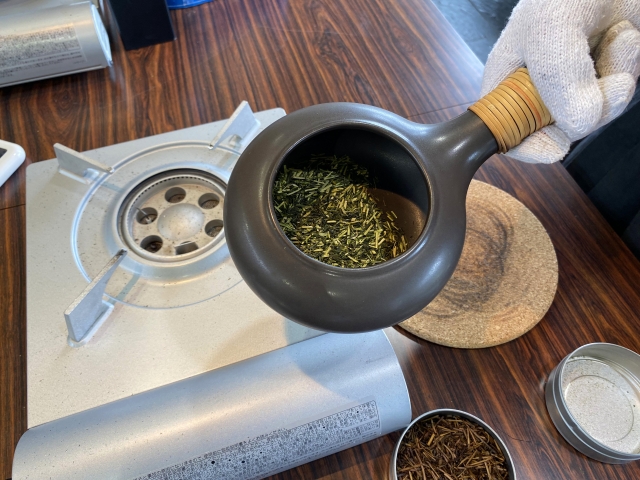
Hojicha is often described as a low-caffeine tea.
That isn't always wrong, but the reason is often misunderstood.
Because hojicha is roasted at high temperatures, it's easy to imagine that much of the caffeine simply disappears during roasting.
In reality, roasting alone does not remove most of the caffeine already present in the tea.
Some caffeine can be lost through heat, but the roasting process is relatively short.
The bigger difference usually comes from the material used to make the hojicha.
What Actually Determines the Caffeine Level?
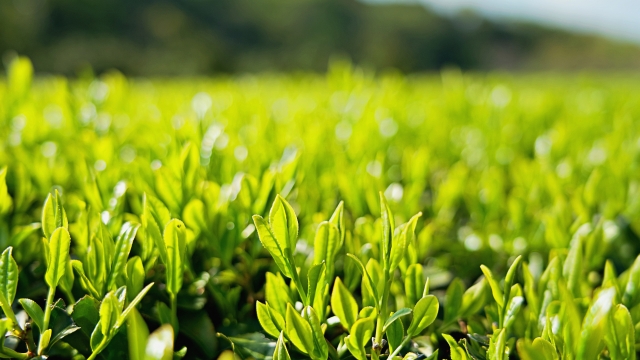
Young tea leaves tend to contain more caffeine, while older, more mature leaves and stems generally contain less.
This means a hojicha made from mature bancha leaves or a high proportion of stems may naturally contain less caffeine than one made from younger leaves.
So the word "hojicha" by itself doesn't tell you exactly how much caffeine is in the cup.
What matters is not only that the tea was roasted, but also what was roasted in the first place.
Brewing matters too.
Hojicha is commonly prepared with very hot water, which extracts caffeine efficiently.
So it's best not to assume that hojicha is automatically a low-caffeine drink simply because it has been roasted.
Some Hojicha Can Still Be Relatively Low in Caffeine
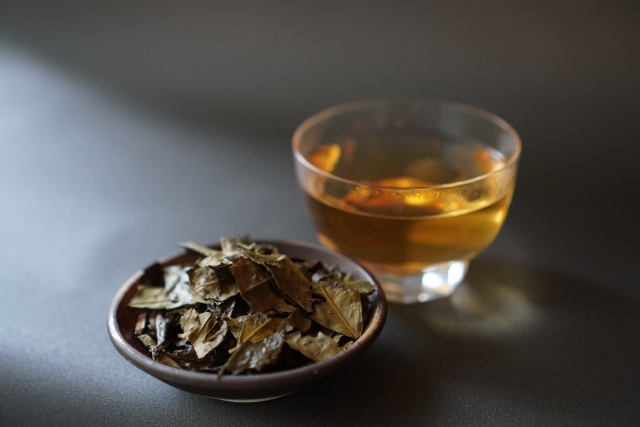
Kyobancha is made from large mature leaves and stems, making it a useful example of how roasted Japanese teas can differ in both appearance and caffeine content.
This doesn't mean all hojicha contains the same amount of caffeine.
Some traditional roasted teas are made from materials that are naturally quite low in caffeine.
Kyobancha is a good example.
It's typically made from large mature leaves and thicker stems and is roasted deeply.
Because the starting material itself is relatively low in caffeine, this type of tea can be among the lower-caffeine choices within Japanese tea.
Stem-heavy hojicha and hojicha made from autumn or winter bancha can follow a similar pattern.
The important point is that their lower caffeine level doesn't come simply from being roasted.
It comes largely from what was roasted in the first place.
For most drinkers, there's no need to worry about the exact number in every cup.
But if reducing caffeine matters to you, it makes more sense to look for hojicha made from mature leaves, bancha, or stems than to assume that all hojicha is naturally low in caffeine.
And if avoiding caffeine altogether is the priority, naturally caffeine-free drinks such as mugicha or rooibos are a more reliable choice.
Why Is Hojicha So Easy to Brew?
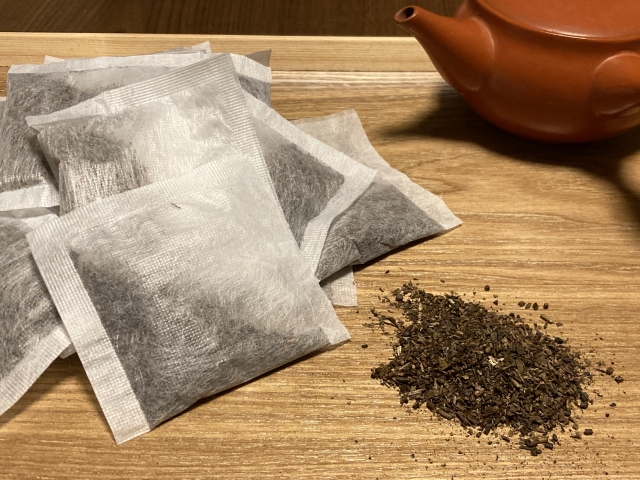
Hojicha is one of the more forgiving Japanese teas.
Sencha can turn harsh if the water is too hot or the leaves steep too long.
Gyokuro usually benefits from much more careful temperature control.
Hojicha asks for less attention.
Very hot water works well, and a short steep is usually enough.
You also don't need special teaware.
A kyusu is nice to have, but a mug with a basket infuser, a tea strainer, a small teapot, or even a tea bag can work perfectly well.
That simplicity suits the tea.
Hojicha isn't usually about carefully extracting maximum sweetness or umami from delicate leaves.
It's about releasing roasted aroma quickly and easily.
For beginners who want to try Japanese tea without worrying too much about water temperature or equipment, hojicha is one of the easiest places to start.
Why Does Hojicha Work So Well in Lattes and Desserts?
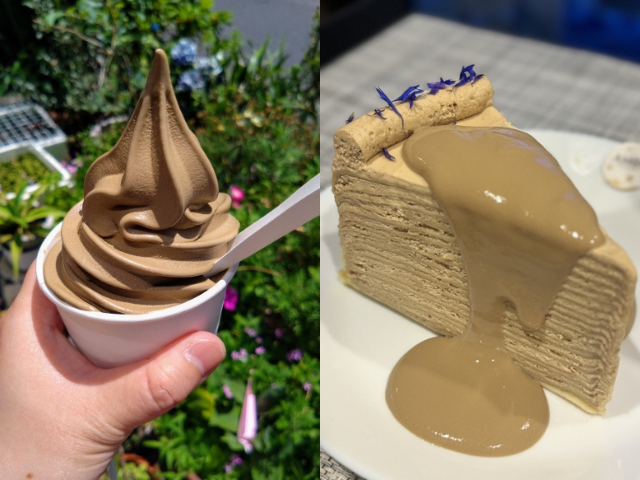
Hojicha pairs beautifully with milk.
Its roasted aroma remains recognizable even when combined with dairy or plant milk, while its bitterness is usually milder than matcha's.
That makes hojicha easy to use in lattes, ice cream, soft serve, pudding, cakes, and other sweets.
Matcha brings vivid color and a strong green-tea character.
Hojicha brings warmth and roast.
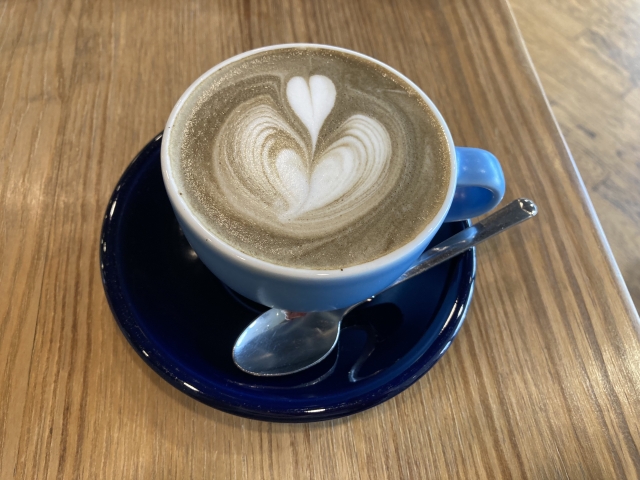
Powdered hojicha has also made it easy for cafés to prepare milk-based drinks in a style similar to matcha.
For some people outside Japan, a hojicha latte may now be their first introduction to the tea.
But hojicha doesn't need milk or sugar to be enjoyable.
A simple cup of roasted tea still shows its character most clearly.
Is Hojicha a Cheap or Leftover Tea?
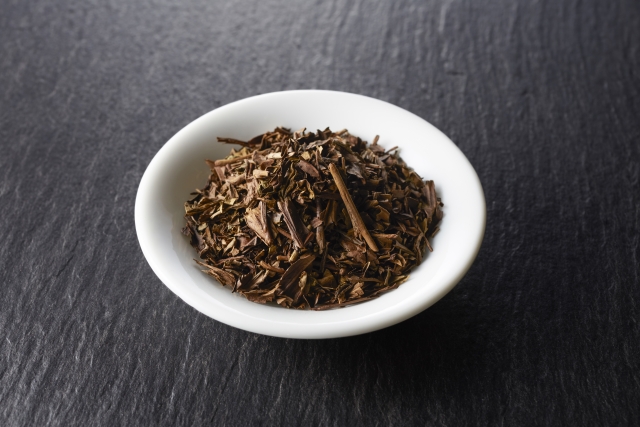
Hojicha may be made from mature leaves, stems, and other everyday tea materials, but careful roasting can create a distinctive quality of its own.
Historically, hojicha has often been associated with ordinary tea materials such as mature leaves, bancha, and stems.
There are also widely told stories connecting its development with finding useful ways to roast tea that had less commercial value.
That practical background fits hojicha's everyday image.
But it would be misleading to describe modern hojicha simply as leftover tea.
Today, producers may select specific leaves or stems specifically for roasting.
Roast levels can be carefully controlled, and different materials create different aromas.
Some hojicha is inexpensive and casual.
Some is much more refined.
Roasting doesn't simply hide low-quality tea.
Done well, it creates a different kind of quality.
How Is Hojicha Enjoyed in Everyday Japan?
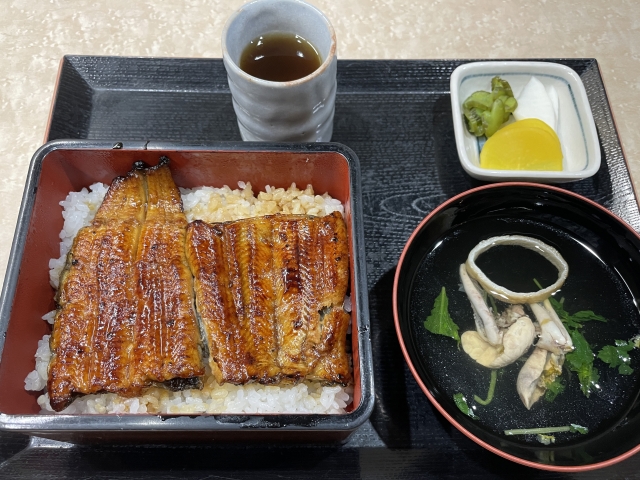
Hojicha doesn't have one fixed role in Japanese life.
It may be served with meals, with sweets, after eating, or simply as a casual drink.
It appears in homes, restaurants, cafés, supermarkets, convenience stores, bottled drinks, and tea shops.
That makes it quite different from teas such as gyokuro, which many Japanese people know by name but may rarely prepare at home.
Hojicha is much less intimidating.
You may encounter it without ever deliberately looking for a special tea experience.
For travelers, that also makes it easy to try.
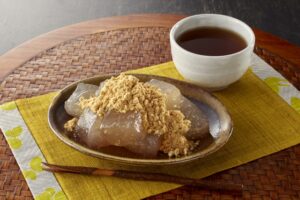
A bottled hojicha from a convenience store, a tea bag in a hotel room, a cup served with a meal, or hojicha soft serve at a café can all be part of the experience.
Outside Japan, hojicha may look fashionable and new.
In Japan, it often feels ordinary, even unremarkable.
That contrast is one of the most interesting things about the tea.
What Hojicha Reveals About Japanese Green Tea
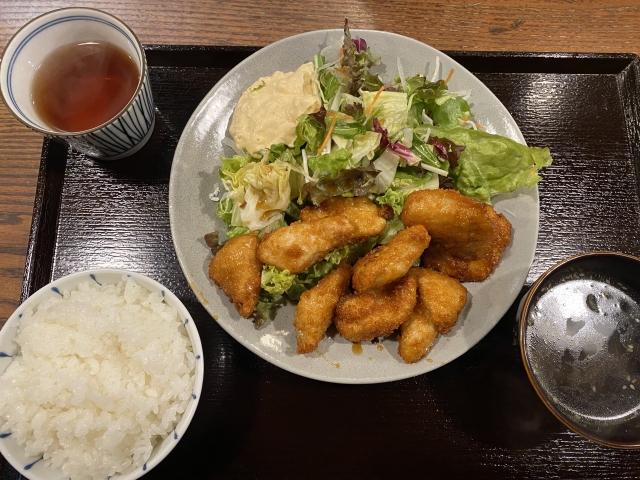
Hojicha reveals something important about Japanese tea.
Japanese green tea is not always green, grassy, delicate, or difficult to prepare.
It can also be brown, roasted, forgiving, and casual.
Hojicha doesn't have the visual drama of matcha.
It doesn't have the prestige of gyokuro.
It may not even look like what many people imagine when they hear the words "Japanese green tea."
But that lack of glamour is part of its charm.
It's easy to brew.
Easy to drink.
Easy to pair with food.
Easy to fit into everyday life.
Hojicha may not be the most glamorous Japanese tea.
It may simply be one of the easiest to live with.
Author's Note
Hojicha is one of those teas that can seem almost too ordinary in Japan.
It isn't usually treated as something especially luxurious or difficult.
You drink it because it tastes good and because it works with almost anything.
I especially like it with smooth red bean sweets, chestnut sweets, yokan, baked sweet potato, and butter-rich cakes such as pound cake.
It also works easily with ordinary meals.
That flexibility may be why hojicha sometimes looks less impressive than matcha or gyokuro when people first learn about Japanese tea.
But once you start drinking it, the opposite can happen.
You realize how useful it is.
Hojicha may be quiet, but it's hard not to find a place for it.
FAQ
Is hojicha really green tea?
Yes. Hojicha is Japanese green tea that has been roasted. It may be made from leaves, stems, bancha, sencha, or other green tea materials.
Why is hojicha brown?
The leaves turn brown during roasting. The color does not come from the oxidation process used to make black tea.
Is hojicha one specific type of tea leaf?
No. Hojicha is a roasting style rather than one specific cultivar or leaf type. Different green teas and different parts of the tea plant can be used.
What does hojicha taste like?
Hojicha is usually roasted, nutty, toasty, warm, and relatively mild. Some versions can also have caramel-like or smoky notes.
Is hojicha less bitter than matcha?
Usually, yes. Matcha tends to have a stronger grassy, bitter, and umami-rich flavor, while hojicha is generally milder and more roasted.
Is hojicha low in caffeine?
Not automatically. Roasting alone does not remove most of the caffeine. The final amount depends heavily on the leaves or stems used and how the tea is brewed.
Which hojicha is lower in caffeine?
Hojicha made from mature leaves, bancha, or a high proportion of stems may be relatively low in caffeine. Kyobancha is one example of a roasted tea made from large mature leaves and thicker stems.
Can I drink hojicha at night?
Some people do, but hojicha still contains caffeine. If you're very sensitive to caffeine or trying to avoid it completely, a naturally caffeine-free drink such as mugicha may be a better choice.
What foods go well with hojicha?
Hojicha pairs easily with both sweets and savory foods. Good matches include yokan, smooth red bean sweets, chestnut sweets, baked sweet potato, pound cake, muffins, rice crackers, grilled rice balls, and simple Japanese meals.
Is hojicha only for autumn?
No. Hojicha is enjoyed year-round in Japan. Its roasted aroma and warm brown color simply make it especially easy to associate with autumn.
Related Reading on YUNOMI
What Is Japanese Green Tea?
A broader introduction to the main types of Japanese green tea and how they differ.
What Is Sencha?
Learn about the fresh, grassy tea that provides a useful contrast to hojicha's roasted flavor.
What Is Fukamushi-cha?
See how changing the steaming process can transform the color, texture, and taste of Japanese green tea.
How to Brew Japanese Green Tea
A practical guide to water temperature, steeping time, and easy brewing methods for different Japanese teas.

