
Miso is one of the most familiar flavors in Japanese home cooking. For many people in Japan, its aroma is associated not with restaurants or special occasions, but with ordinary meals prepared at home.
At its simplest, miso is a fermented paste made from soybeans, koji, and salt. Yet this definition only begins to explain what miso is. Depending on how it is made, the same basic ingredients can produce remarkably different colors, aromas, and flavors.
Outside Japan, many people first encounter miso through miso soup. But in Japanese kitchens, miso is also used to season vegetables, meat, fish, simmered dishes, and sauces.
Understanding miso means looking beyond the soup bowl to the ingredients, fermentation methods, regional traditions, and everyday cooking habits that make it such a familiar part of Japanese food culture.
Quick Summary
- Miso is a Japanese fermented seasoning made primarily from soybeans, koji, and salt.
- Koji produces enzymes that help break down proteins and starches, creating umami, sweetness, and complex aromas.
- Rice miso, barley miso, soybean miso, and blended miso are the four main ingredient-based categories.
- White and red miso describe color, not separate ingredient categories.
- Japanese households use miso in soups, stir-fries, simmered dishes, marinades, and sauces.
- Modern supermarkets also sell convenient products such as dashi-added, additive-free, and reduced-sodium miso.
- Miso can continue changing in color and flavor during storage, even when refrigerated.
What Is Miso?

Miso is a fermented seasoning paste traditionally made by combining soybeans, koji, and salt, then allowing the mixture to mature.
Koji is a grain or bean on which a beneficial mold, usually Aspergillus oryzae, has been cultivated. Depending on the type of miso, the koji may be made from rice, barley, or soybeans.
Together, these ingredients produce a seasoning that is usually salty and rich in umami, but can also be sweet, mild, earthy, or intensely aromatic. Unlike plain salt, miso adds several elements of flavor at once: saltiness, fermented aroma, and savory depth that can change the character of a dish.
This versatility is one reason miso has remained an essential ingredient in Japanese home cooking.
What Does Miso Taste Like?
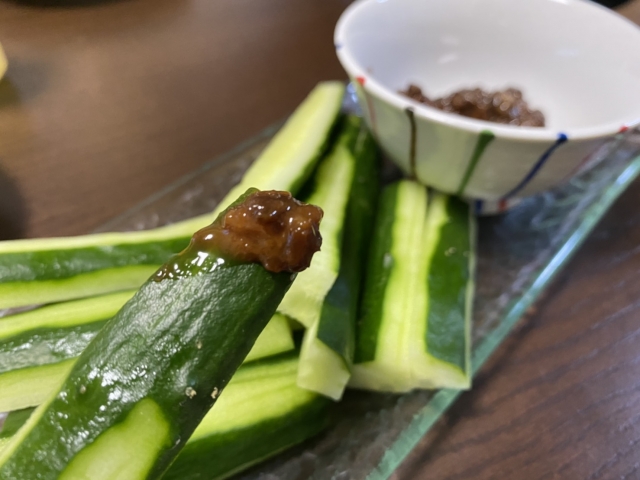
Miso is commonly described as salty and rich in umami. Both descriptions are accurate, but they do not capture the full range of flavors found in Japan.
Some varieties have a gentle sweetness and a relatively mild aroma. Others are darker and more robust, with pronounced fermented or earthy notes. These differences arise from the ingredients, the proportion of koji, salt concentration, fermentation conditions, and maturation time.
Sweetness does not necessarily mean that sugar has been added. In many types of miso, sugars produced when starch breaks down contribute naturally to the flavor.
Likewise, dark miso is not automatically saltier than light miso. Color can offer clues about how miso was made, but it does not determine salt content on its own.
For Japanese cooks, choosing miso often means choosing the character that suits a particular dish. A mild miso may complement delicate vegetables or fish, while a more robust variety can work well with meat or strongly flavored ingredients.
How Is Miso Made?
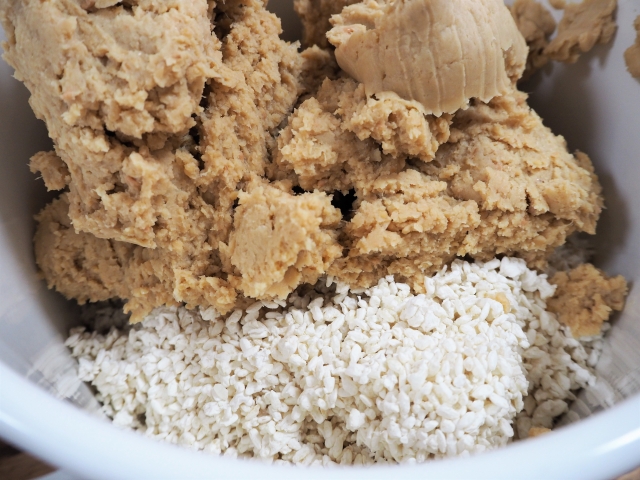
The basic ingredients of miso are simple: soybeans, koji, and salt. Soybeans are cooked until tender and prepared according to the type of miso being made.
They are then combined with koji and salt, and the mixture is left to ferment and mature. During this process, the ingredients gradually develop the flavor and aroma associated with miso.
What Does Koji Do?
Koji plays a central role in the transformation. The mold used to make koji produces enzymes that break down proteins and starches. Soybean proteins become peptides and amino acids, including glutamic acid, which contributes to umami.
In miso made with rice or barley koji, starches can be broken down into sugars that influence sweetness and support further fermentation. Yeasts and lactic acid bacteria may also contribute to the development of flavor and aroma during maturation.
This is why miso is more than mashed soybeans mixed with salt. Fermentation and enzymatic activity transform ordinary ingredients into a complex seasoning.
Does Miso Always Take a Long Time to Ferment?
Not necessarily. Some sweet white miso varieties mature over relatively short periods, while other types develop their flavors over several months or more than a year.
Longer maturation can produce deeper colors and more pronounced fermented flavors, but it does not automatically make miso better. A lightly matured sweet miso and a long-aged soybean miso are intended to produce different flavors, and neither represents the single ideal form of miso.
What Are the Different Types of Miso?
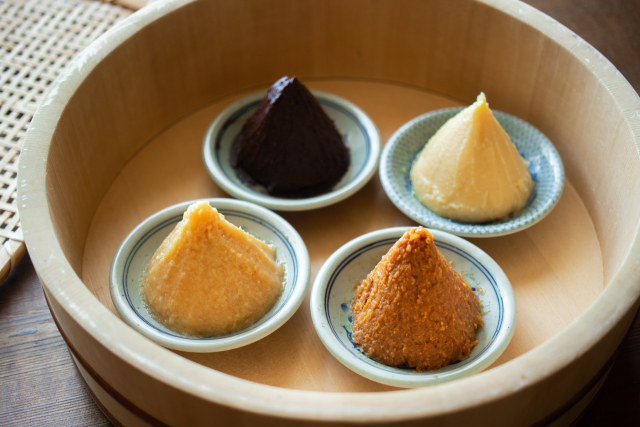
One reason miso can be confusing is that Japanese products are classified in several ways. The ingredients used to make koji, the color of the finished paste, and the balance of sweetness and saltiness are separate characteristics. Understanding these distinctions makes it easier to recognize what Japanese miso names actually mean.
Ingredient-Based Types of Miso
The main ingredient-based classification concerns the type of koji used. Japanese miso is broadly divided into rice miso, barley miso, soybean miso, and blended miso.
Each type has its own characteristics, although flavor and color can vary considerably within the same category.
Rice Miso (Kome Miso)

Rice miso is made with rice koji, soybeans, and salt. It is widely produced and consumed throughout Japan.
Its flavor and color vary considerably: rice miso can be white, light-colored, or red, and its taste can range from sweet to distinctly salty.
Barley Miso (Mugi Miso)
Barley miso uses barley koji and is associated particularly with Kyushu and parts of western Japan.
It often has a distinctive grain aroma and may be relatively mild or sweet, although regional recipes and fermentation methods create considerable variation.
Soybean Miso (Mame Miso)
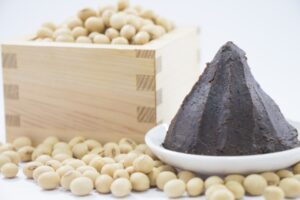
Soybean miso is made using soybean koji rather than rice or barley koji. It is especially associated with Aichi, Gifu, and Mie prefectures in central Japan.
It typically develops a dark reddish-brown color, concentrated umami, and a robust fermented character. Hatcho miso is one well-known example of this tradition.
Blended Miso (Awase Miso)
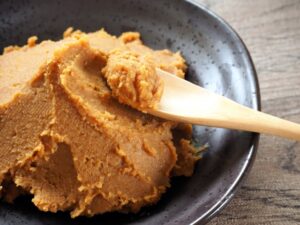
Blended miso is a broader category that includes products made by combining different types of finished miso or using more than one type of koji during production.
For example, a manufacturer may blend rice miso with soybean miso or prepare miso using a combination of rice and soybean koji.
The purpose is not necessarily to make the flavor milder. Blending can create different balances of sweetness, saltiness, aroma, and umami.
Blended miso is commonly called *awase miso* in everyday Japanese, while *chogo miso* is the term used in Japan's formal miso classification.
White Miso and Red Miso: Color Is a Different Classification
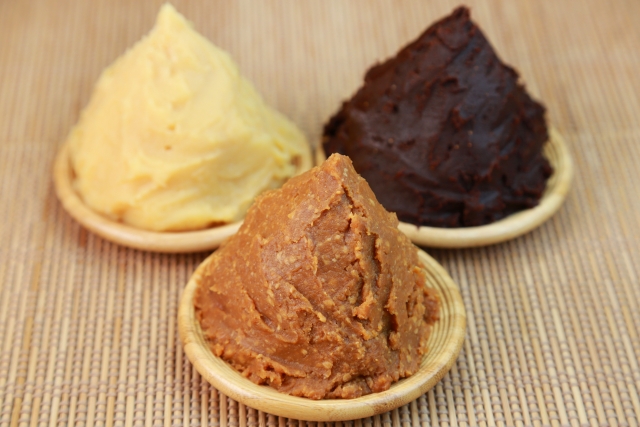
Miso is also frequently described by its color. White miso (shiro miso) is generally pale and often associated with mild or sweet flavors. Kyoto's saikyo miso is a familiar example of a sweet, light-colored rice miso.
Light-colored miso (tanshoku miso) includes familiar varieties such as Shinshu miso from Nagano Prefecture. Red miso (aka miso) refers to darker varieties, often with more pronounced fermented flavors.
However, these color descriptions do not correspond directly to the ingredient categories. Rice miso can be white, light-colored, or red. Soybean miso is typically dark, but not every red miso is soybean miso.
Color is influenced by ingredient preparation and by reactions that occur during fermentation and maturation. Longer aging is one important factor, but not the only one. Some sweet miso varieties are also darker than readers might expect, so color is not a reliable guide to salt content.
Sweet Miso and Karakuchi Miso
Miso can also be described according to its balance of sweetness and saltiness. Sweet miso often uses a relatively high proportion of koji and may have a lower salt concentration, while other varieties have a stronger salty character and less sweetness.
The Japanese term karakuchi miso generally describes a saltier style, rather than a miso containing chili peppers.
These descriptions can overlap. A single product might be classified as rice miso by its ingredients, white miso by its color, and sweet miso by its flavor. Each name describes a different characteristic of the same seasoning.
Regional Names Do Not Always Tell the Whole Story
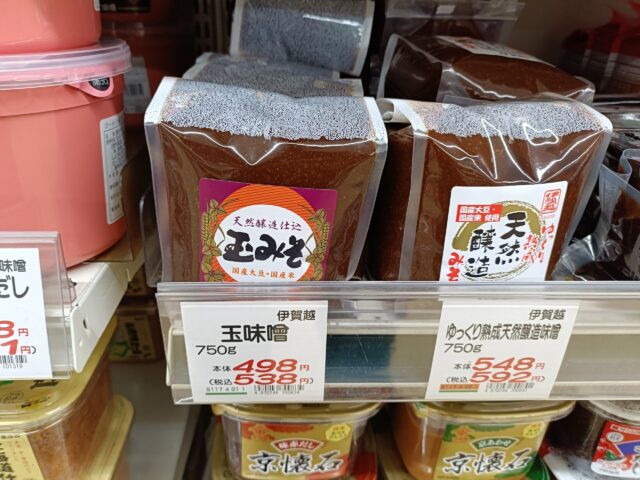
Some Japanese miso names reflect local history rather than a single modern recipe. One example is tama miso from the Iga region of Mie Prefecture. Traditional household production involved forming cooked soybeans into balls, hanging them near the cooking hearth, and later using them to prepare miso.
A modern Iga product sold under the name Tama Miso uses koji cultivated on both soybeans and rice, reflecting a different production method that maintains a connection to the region's tradition. This illustrates why regional names should not always be treated as precise descriptions of ingredients or manufacturing methods.
Japanese miso culture includes both traditions that have been preserved and products that have evolved over time.
How Do Japanese People Use Miso in Everyday Cooking?
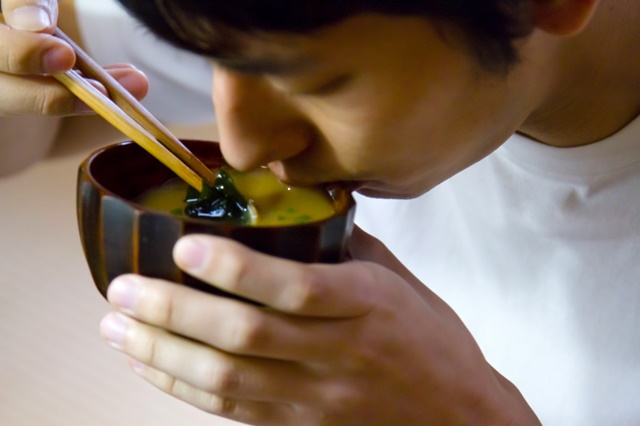
Miso soup is the best-known use of miso, but it is far from the only one. Japanese households also use miso in simmered dishes, stir-fries, marinades, and sauces. Its saltiness, aroma, and umami make it useful in many kinds of everyday cooking.
The way miso is added depends on the dish. Sometimes the goal is to preserve its aroma, while in other preparations miso becomes part of a sauce that cooks with the ingredients.
Miso Soup: Building Flavor Before Adding Miso
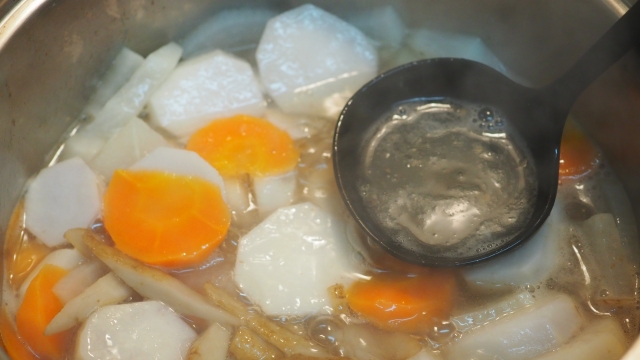
Miso soup is one of the most familiar dishes served alongside rice in Japanese homes. It can contain tofu, wakame seaweed, mushrooms, daikon radish, potatoes, leafy vegetables, or many other ingredients. The combination changes with the season, household, and available food.
A common approach is to begin with dashi, then cook the ingredients until they release their flavors into the broth. Vegetables may add sweetness, mushrooms contribute umami, and meat or seafood can provide additional richness. Only after the ingredients have cooked is the miso commonly dissolved into the hot broth.
This order matters. By developing the flavor of the broth first, the cook does not need to rely entirely on miso to give the soup depth. Miso then adds saltiness and fermented aroma to an already flavorful liquid.
Miso is generally added near the end because prolonged vigorous boiling can reduce some of its characteristic aroma. The resulting soup is not simply miso dissolved in hot water; its flavor comes from the combination of dashi, the ingredients being cooked, and the miso added to finish it.
Tonjiru: Flavor from Pork and Vegetables
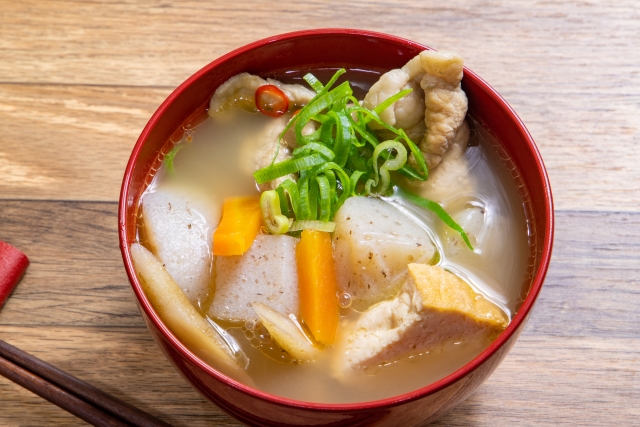
Tonjiru is a familiar Japanese soup containing pork and vegetables, commonly seasoned with miso. Ingredients such as pork, daikon, carrots, burdock root, and konnyaku are cooked together, and the exact combination varies between households.
As the ingredients cook, pork fat adds richness while the vegetables and other ingredients contribute their own flavors. Dashi may be used, but the ingredients themselves also help build the soup's character.
Miso is commonly added toward the end, bringing the different flavors together. Tonjiru is a useful example of how Japanese home cooking can create a substantial, satisfying soup without depending on a large quantity of miso alone.
Miso Stir-Fries and Simmered Dishes
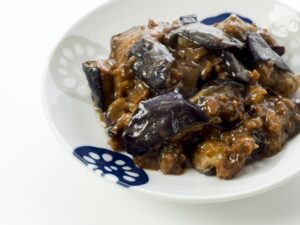
Miso is also used in everyday dishes made with vegetables, tofu, meat, and fish. For example, eggplant and pork can be stir-fried with a mixture of miso, sugar, mirin, and sake. The miso contributes savory depth, while the other seasonings adjust sweetness, aroma, and consistency.

Another familiar dish is saba no misoni, mackerel simmered in a miso-based sauce. Unlike ordinary miso soup, the miso in this dish is cooked with the fish, becoming part of the simmering liquid and coating the ingredients.
This illustrates an important distinction. Adding miso at the end is useful when preserving a fresh miso aroma is the goal.
Simmering miso is appropriate when the desired result is a deeply seasoned sauce or dish. Neither method is universally correct, since the technique depends on what the miso is supposed to do.
Regional Dishes Show Different Sides of Miso
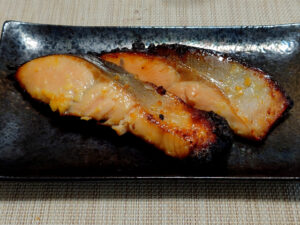
The fish's rich oils and lightly caramelized miso marinade create a delicious combination of savory richness and roasted aroma.
Miso also appears in many regional Japanese specialties. In Kyoto-style saikyo-yaki, fish is marinated in sweet white miso before grilling, and the marinade contributes sweetness and a gentle fermented aroma.
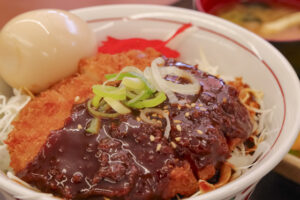
Miso katsu can also be served over rice as miso katsudon, with a rich miso sauce coating the crispy pork cutlet.
In the Nagoya area, soybean miso is used to make rich sauces for dishes such as miso katsu, breaded pork cutlets served with a miso-based sauce. Tofu dengaku uses a sweet miso glaze over grilled tofu, while sumiso combines miso with vinegar and usually sugar to create a dressing or dipping sauce.
These dishes show how widely miso can be adapted. The same basic fermented seasoning can produce a mild marinade, a strongly flavored sauce, or a light dressing, depending on what it is combined with.
How Does Miso Work with Other Japanese Seasonings?
Japanese home cooking frequently relies on combinations of familiar seasonings rather than a separate prepared sauce for every dish. Miso already provides several elements of flavor, but cooks often adjust it according to the ingredients and the intended result.
Miso and Dashi: Building a Savory Foundation
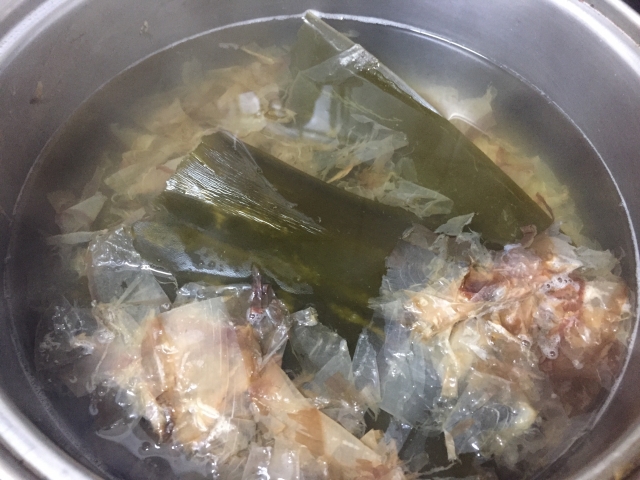
Dashi and miso are familiar partners in Japanese cooking. Dashi provides a savory foundation from ingredients such as kombu, katsuobushi, dried shiitake mushrooms, or other sources of umami, and miso adds saltiness, fermented flavor, and body to the broth.
This combination can make a simple soup satisfying without requiring a large amount of seasoning. The ingredients in the soup also matter, since vegetables, mushrooms, pork, or seafood may release additional flavor during cooking and make the broth more substantial before the miso is added.
For someone trying to reduce sodium intake, developing flavor through unsalted dashi and the ingredients themselves can be useful. Commercial instant dashi products can also contain added salt, so their labels matter.
Miso, Sugar, and Mirin: Adjusting Sweetness
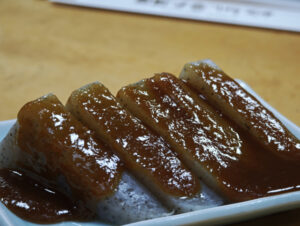

Miso is frequently combined with sugar or mirin in sauces, glazes, and stir-fries. Sugar increases sweetness directly, while hon mirin contributes sweetness along with aroma and other flavor components developed during its production.
These seasonings can balance the strong salty character of some miso varieties and help create the sweet-savory flavors found in many Japanese dishes.
The amount needed depends on the miso. A naturally sweet white miso may require little additional sugar, while a robust soybean miso may benefit from more sweetness in a particular sauce.
Miso and Sake: Balancing Flavor
Sake is another seasoning commonly used with miso, particularly in fish and meat dishes. Its aroma and other flavor components can help balance stronger ingredients, and its liquid helps thick miso mix more easily into marinades or sauces.
These combinations demonstrate an important aspect of Japanese home cooking. The cook does not necessarily use miso alone or follow one fixed ratio; the balance changes according to the ingredients, the variety of miso, and the flavor being created.
What Kinds of Miso Are Sold in Japanese Supermarkets?
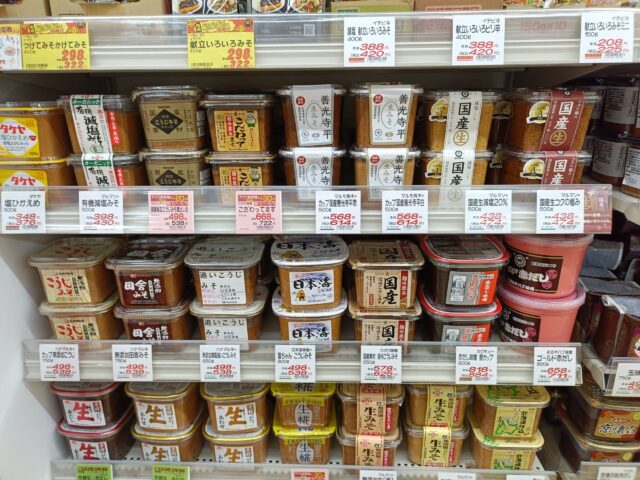
Japanese supermarkets sell more than traditional plain miso. Alongside products labeled rice miso, soybean miso, or blended miso, shoppers can find varieties designed for convenience, particular dietary preferences, or different storage and production methods.
These products are part of modern Japanese food culture, even though they are not separate traditional miso categories.
What Is Dashi-Added Miso?
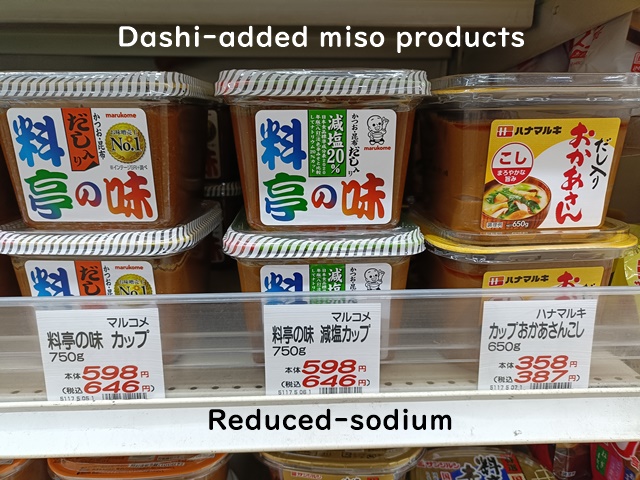
Dashi-added miso, commonly labeled dashi-iri miso, contains ingredients that provide dashi flavor. Depending on the product, these may include bonito, kombu, other seafood extracts, or prepared seasonings.
Its main advantage is convenience: a household can prepare miso soup without separately making dashi, although other ingredients can still add flavor.
Dashi-added miso is not a separate category like rice miso or barley miso. It describes a seasoned product, and the underlying miso may belong to any of the traditional ingredient categories. Plain miso generally offers greater flexibility when the cook wants to control the flavor of dashi and other seasonings independently.
There is also an important dietary distinction. Although traditional plain miso is usually made from plant-based ingredients, some dashi-added products contain bonito or other fish-derived ingredients. Vegetarians and vegans should check the ingredient label rather than assuming that all miso products are suitable for them.
What Is Nama Miso?
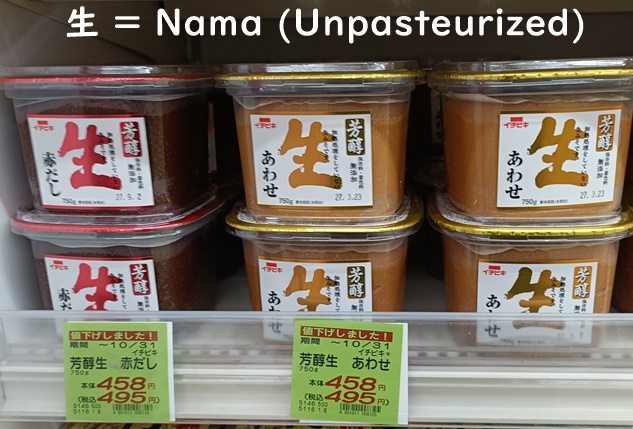
Some miso products are labeled nama miso, often translated as unpasteurized miso. This generally indicates that the product has not been heat-pasteurized after fermentation.
However, the label alone does not necessarily tell you whether alcohol or other measures have been used to control microbial activity.
What Does Additive-Free Miso Mean?
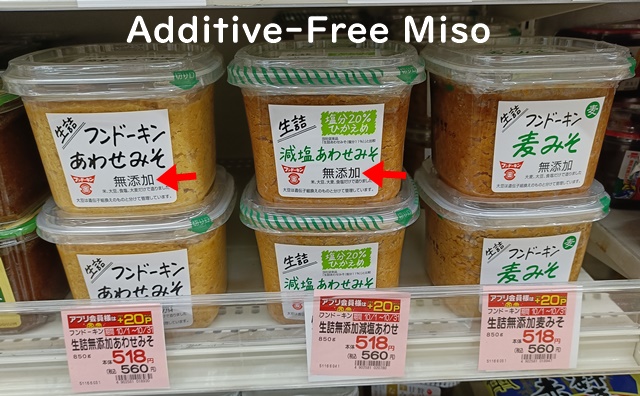
Additive-free miso, commonly labeled mutenka miso, describes a different characteristic. It refers to whether additives are used, under applicable labeling rules and product standards.
It is not automatically the same as unpasteurized miso, and it does not by itself mean that the product contains no naturally produced alcohol.
In other words, the terms nama miso and mutenka miso describe different characteristics of the same food.
What About Reduced-Sodium Miso?
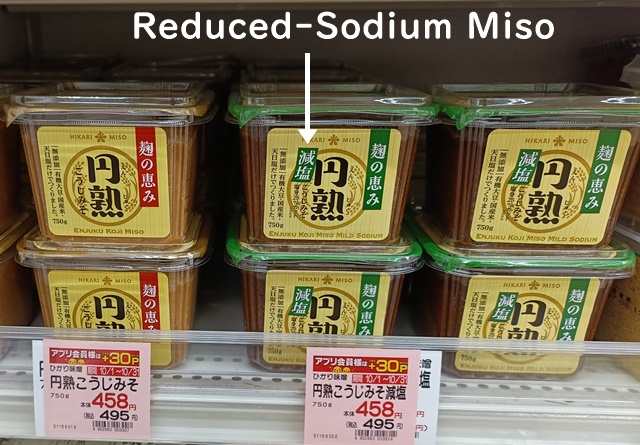
Reduced-sodium miso is another option found in Japanese supermarkets. These products are formulated to contain less sodium than the regular products used as their reference.
However, reduced sodium does not necessarily mean that a dish prepared with the miso will be low in sodium. The quantity used still matters: if a cook adds considerably more miso to compensate for a milder salty taste, the difference in total sodium intake may become smaller.
Reduced-sodium miso is therefore a practical option, but the amount used and the nutrition label still deserve attention.
How Should Miso Be Stored?
Miso has long been valued partly because fermentation and salt help preserve it. However, a finished miso product is not necessarily unchanged after packaging. Its flavor, aroma, texture, and color may continue to develop during storage.
Does Miso Continue to Change in the Refrigerator?
Yes, although the rate of change depends on the product and storage conditions. In some unpasteurized miso products, microorganisms may remain viable and some activity can continue. Enzymatic reactions may also proceed slowly during storage.
Other changes do not require living microorganisms. For example, reactions between sugars and amino compounds can gradually darken miso and alter its flavor.
Refrigeration slows these processes, but it does not necessarily stop every reaction completely. This helps explain why miso may look or smell somewhat different toward the end of a container than when it was first opened.
Why Does Miso Become Darker or Drier?
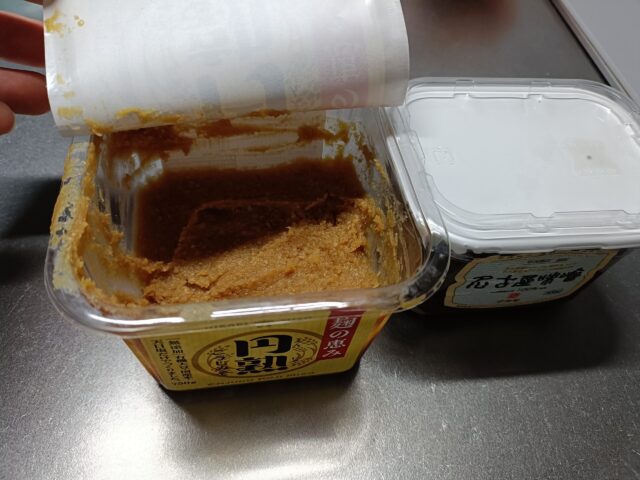
One cause of darkening is the Maillard reaction, the same group of reactions involving sugars and amino compounds that contributes to color and flavor during miso production. These reactions may continue during storage.
Darkening alone does not automatically mean that miso has spoiled, although its flavor and aroma may no longer be exactly the same as when purchased.
Moisture can also be lost if a container is not sealed properly. The exposed surface may become drier or firmer, which can change the texture and the way its flavor is perceived. These changes are not identical to fermentation; they are different processes that can affect the same product over time.
Is Refrigeration or Freezing Better?
Refrigeration is generally recommended for preserving miso's original flavor and slowing changes during storage. The container should be kept tightly closed, and clean utensils should be used when removing miso.
Freezer storage is also possible for many miso products. Because of their composition, they often remain soft enough to scoop even at typical household freezer temperatures. However, storage instructions vary by product, so the manufacturer's recommendations should take priority.
Color changes alone do not prove spoilage, but unusual mold growth, contamination, or other clear signs of deterioration should not be ignored.
Miso is a preserved food, not one that can be stored indefinitely without concern.
What Miso Reveals About Japanese Food Culture
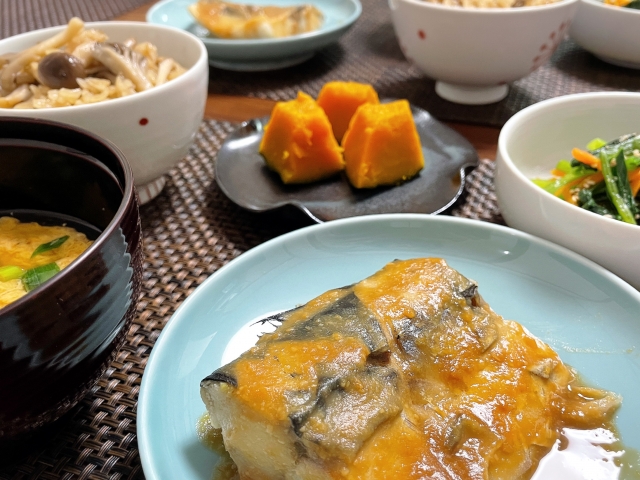
Miso illustrates how Japanese cooking can develop complex flavors from a relatively small number of basic ingredients. Soybeans, koji, and salt create a seasoning that can be adapted to many different dishes, but the final flavor is shaped by the ingredients, fermentation method, region, and household preferences.
This diversity is especially visible in regional miso traditions. Soybean miso is closely associated with central Japan, barley miso with parts of western Japan, and rice miso with many regions across the country. Local names and production methods add further variation.
Yet miso is not simply a traditional specialty. Modern Japanese households buy commercially produced miso, choose between plain and dashi-added products, and use whichever variety suits their cooking habits, budget, and preferences.
Some cooks carefully prepare dashi and adjust the seasoning themselves. Others choose products that make an everyday meal quicker to prepare. Both approaches belong to contemporary Japanese home cooking.
The importance of miso lies partly in this combination of tradition and ordinary usefulness. It carries the history of fermentation and regional food culture, but it is also something people use without giving that history much thought.
A spoonful of miso can finish a bowl of soup, season vegetables, or become the base of a sauce for dinner. That ordinary flexibility explains why miso remains such a familiar part of life in Japan.
Author's Note
For many Japanese people, miso is not something we first encounter as a traditional fermented food. It is simply part of what we eat. It is in the soup served with rice, in familiar home-cooked dishes, and in the small differences between one household's cooking and another's.
People develop their own preferences. Some like sweeter miso, others prefer a stronger flavor, and some regularly use blended varieties. Even after buying miso, the experience is not always completely consistent: as a container is used over time, its color, texture, and aroma may gradually change.
That is easy to overlook because miso is such an ordinary ingredient. What makes miso interesting to me is the distance between its complex production and its simple everyday use.
There is a long history of fermentation behind it, yet most of the time, people simply open the refrigerator, take out the miso, and use it to make dinner. That is the side of Japanese food culture I want to share through YUNOMI.
FAQ
What is miso made from?
Traditional miso is made primarily from soybeans, koji, and salt. Depending on the variety, the koji may be prepared from rice, barley, or soybeans.
Is white miso the same as rice miso?
No. White miso describes color, while rice miso describes the type of koji used. Rice miso can also be light-colored or red.
Is red miso always saltier than white miso?
No. Color and salt content are separate characteristics. Some darker miso varieties have strong flavors without necessarily containing more salt.
Is miso spicy?
Ordinary miso is not spicy in the chili-pepper sense. The Japanese term karakuchi usually refers to a saltier or less sweet style of miso.
Is miso vegan?
Traditional plain miso is generally plant-based. However, some dashi-added miso products contain bonito or other fish-derived ingredients, so vegetarians and vegans should check the label.
Is nama miso the same as additive-free miso?
No. Nama miso generally refers to miso that has not been heat-pasteurized after fermentation, while additive-free miso refers to its additive labeling. The terms describe different characteristics.
Does miso need to be cooked?
No. Miso is a ready-made fermented seasoning and can be used without further cooking when the product is suitable for that purpose. It is also commonly heated in soups, sauces, and simmered dishes.
Why is miso usually added at the end of miso soup?
Adding miso near the end helps preserve its characteristic aroma. In simmered dishes, however, miso may be cooked longer so that its flavor becomes part of the sauce.
Does miso keep fermenting in the refrigerator?
Some unpasteurized products may retain active microorganisms, but refrigeration greatly slows their activity. Enzymatic and chemical changes may also continue, even without active fermentation.
Why does miso become darker over time?
Reactions involving sugars and amino compounds can gradually deepen its color. Darkening alone does not necessarily indicate spoilage, although the flavor and aroma may change.
Related Reading on YUNOMI
Japanese Pantry Guide explains how familiar seasonings such as miso, soy sauce, mirin, and sake work together in Japanese home cooking.
Japanese Dashi Guide explores how kombu, katsuobushi, and other ingredients create the savory foundation used in many soups and simmered dishes.
What Is Mirin? explains why this sweet seasoning is frequently combined with miso and other ingredients.
What Is Japanese Rice? looks at the staple food served alongside miso soup in countless Japanese meals.

