
Japanese green tea can seem confusing at first because there are so many names.
Sencha, gyokuro, matcha, hojicha, bancha, genmaicha, kukicha, konacha — they are all connected to Japanese tea culture, but they are not simply different grades of the same drink.
Some are shaped by how the tea plants are grown. Others differ because of steaming, roasting, blending, or which parts of the plant are used.
The easiest way to understand them is not to memorize every name.
It is to ask one simple question:
What makes this tea different?
Once you understand that, the names become much easier to organize.
Quick Summary
- Sencha is a useful reference point for understanding many Japanese green teas.
- Fukamushi-cha differs mainly through longer steaming.
- Gyokuro is made from tea plants shaded before harvest.
- Matcha is made from tencha, a specially grown and processed shaded tea that is ground into powder.
- Hojicha is roasted, while genmaicha is blended with roasted rice.
- Kukicha uses a high proportion of stems, while konacha consists of fine tea particles.
- Bancha is a broad everyday category whose meaning can vary by region.
- Japanese tea names often describe different things — growing method, processing, plant part, or form — so the categories sometimes overlap.
How Are Japanese Green Teas Different?
Most Japanese green teas begin with the same tea plant, Camellia sinensis.
The differences come from what happens before and after harvest.
A few main factors explain most of the major styles.
Growing Method
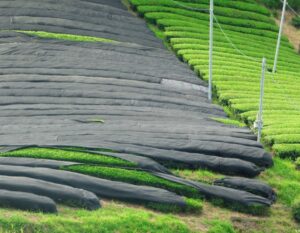
Some teas are grown under shade before harvest.
Gyokuro is the clearest example. Shading changes how the leaves develop and helps create the rich sweetness and umami associated with the tea.
Matcha also begins with shaded tea plants, although the leaves are later processed into tencha rather than rolled into a finished leaf tea.
Steaming
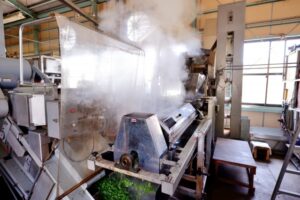
Most Japanese green teas are steamed soon after harvest to stop oxidation.
The length of steaming can change the character of the finished tea.
Fukamushi-cha, for example, is steamed longer than standard sencha. The leaves become softer and tend to break into smaller pieces, often producing a deeper green cup with a fuller impression.
Roasting
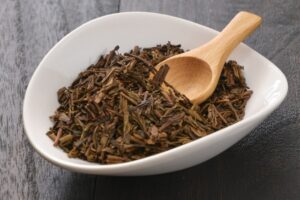
Roasting can transform green tea dramatically.
Hojicha is made by roasting Japanese green tea leaves or stems, creating a brown color and warm, toasted aroma.
This gives it a character very different from unroasted teas such as sencha.
Blending
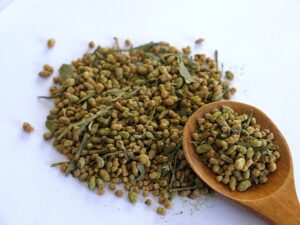
Some Japanese teas are defined by what is blended with the tea leaves.
Genmaicha combines green tea with roasted rice, giving it a nutty, toasted character.
Which Part of the Tea Plant Is Used
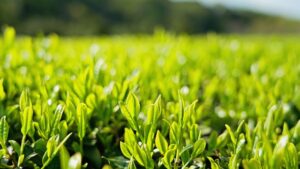
Not every tea is made mainly from leaf blades.
Kukicha contains a high proportion of stems and stalks separated during tea processing.
Many kukicha teas are light and gently sweet, although higher-grade stem teas made from gyokuro or fine sencha can be much richer and more umami-forward.
Leaf Form and Particle Size
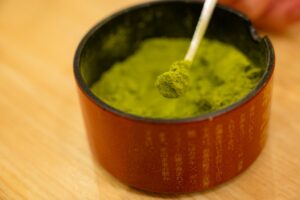
The physical form of the tea also matters.
Konacha is made from fine tea particles created during the processing and sorting of teas such as sencha or gyokuro.
Because the particles are small, the tea extracts quickly and can produce a strong cup.
Matcha is different again. Tencha is ground into a fine powder and whisked directly into water rather than steeped and removed.
These differences in growing, processing, blending, plant part, and form provide a useful map for understanding Japanese tea names.
Main Types of Japanese Green Tea
Once the basic differences are clear, the major tea names become much easier to understand.
Sencha — The Reference Point
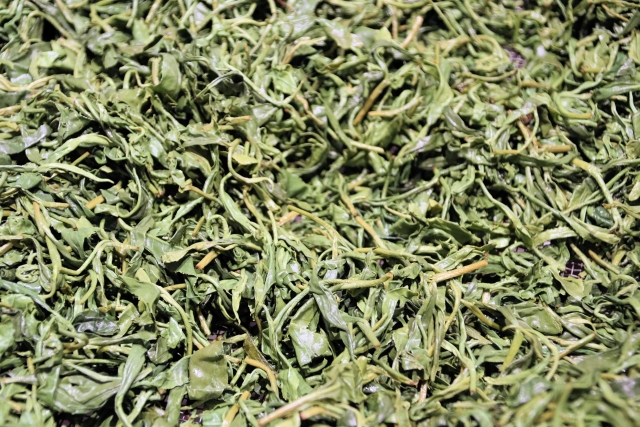
Sencha is steamed, rolled, and dried, creating the familiar leaf style that serves as a reference point for many Japanese green teas.
Sencha is one of the most familiar Japanese leaf teas and a useful reference point for understanding the category.
It is steamed, rolled, and dried, producing the thin leaves commonly associated with Japanese green tea.
Depending on the tea and how it is brewed, sencha can taste fresh, gently bitter, sweet, or savory.
Many other Japanese teas become easier to understand when compared with sencha.
Fukamushi-cha — Sencha with Longer Steaming
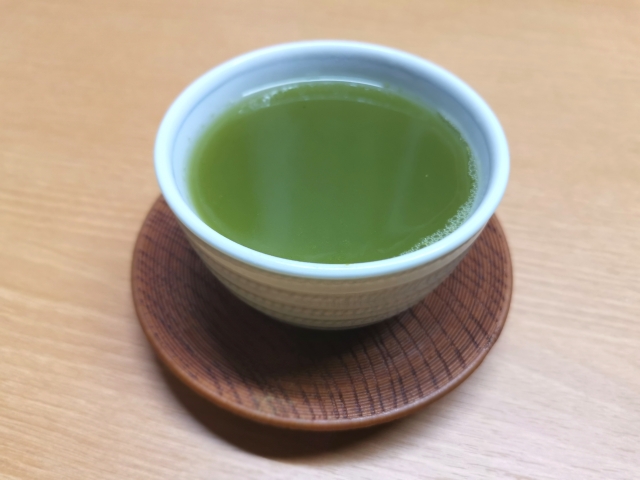
Fukamushi-cha is a deep-steamed style of sencha.
Longer steaming softens the leaves and causes them to break more easily during processing.
The brewed tea often appears deeper green and can have a fuller, softer character than standard sencha.
Gyokuro — Shade-Grown Leaf Tea
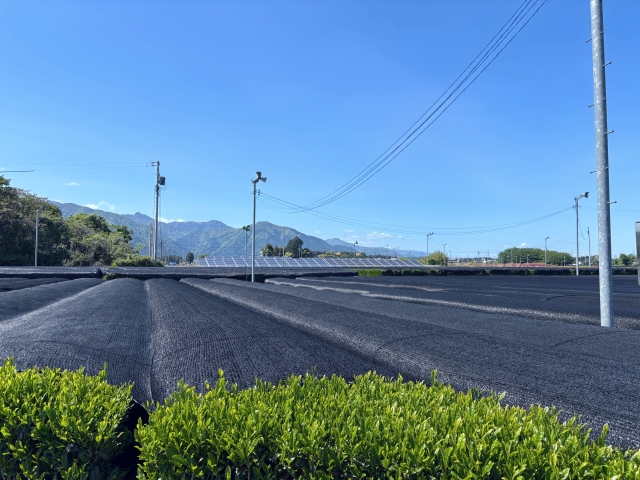
Gyokuro is made from tea plants shaded before harvest, one of the key differences that shapes its sweetness, richness, and umami.
Gyokuro is distinguished by shading the tea plants before harvest.
This helps create the pronounced sweetness, richness, and umami for which the tea is known.
Compared with sencha, gyokuro is usually enjoyed more deliberately, with greater attention given to the flavor of the tea itself.
Matcha — Powdered Tencha
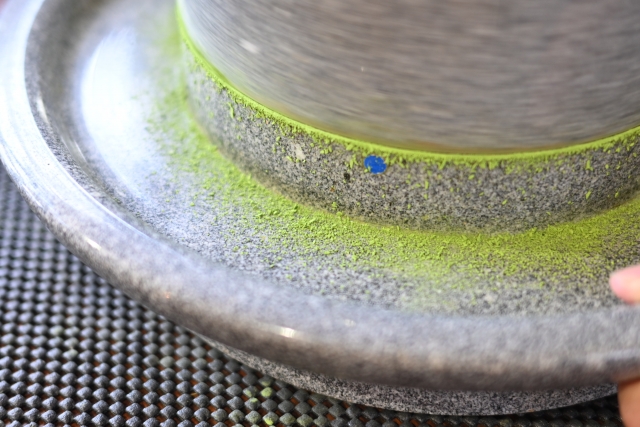
Matcha is made by grinding tencha into a fine powder, traditionally using a stone mill.
Matcha is not simply sencha ground into powder.
It is made from tencha, a shaded tea that is processed without the rolling used for sencha and then ground into a fine powder.
Because the powder is whisked directly into water, the tea leaf itself is consumed rather than removed after steeping.
Hojicha — Roasted Tea
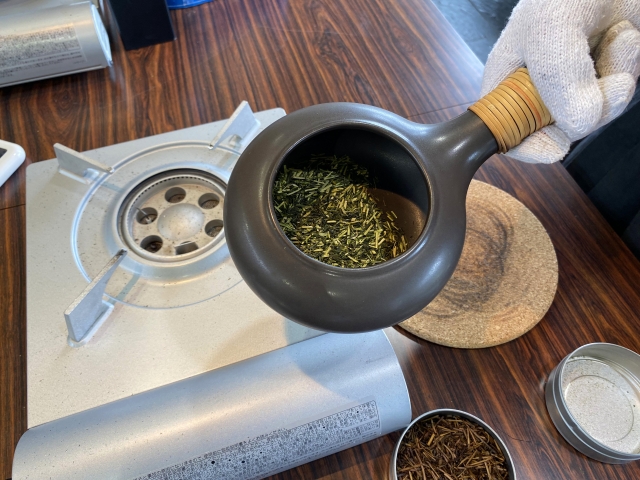
Hojicha is made by roasting tea leaves or stems, a step that gives it its brown color and toasted aroma.
Hojicha is made by roasting Japanese green tea leaves or stems.
The heat turns the tea brown and creates warm, toasted aromas.
The base may be bancha, sencha, kukicha, or another Japanese green tea, so hojicha is best understood by its roasting rather than by one specific leaf type.
Bancha — A Broad Everyday Category
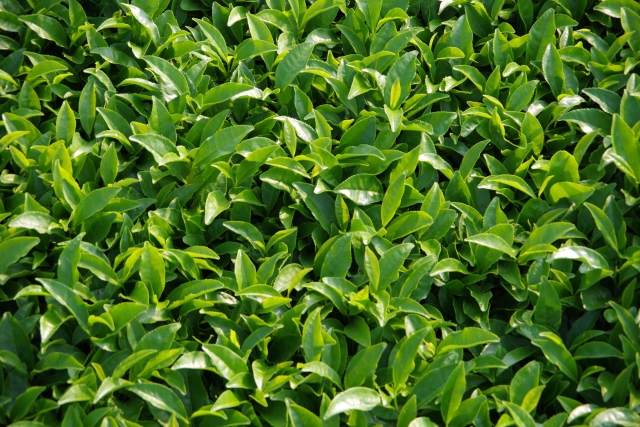
Bancha is often made from later harvests or more mature tea leaves, although the meaning of the term varies by region.
Bancha is one of the least tidy terms in Japanese tea.
It often refers to tea made from later harvests, more mature leaves, or stems, but the exact meaning varies considerably by region.
Some regional teas called bancha may be roasted or processed in ways quite different from standard sencha.
Rather than thinking of bancha as one precise national style, it is better to see it as a broad category shaped by local tradition.
Genmaicha — Green Tea with Roasted Rice
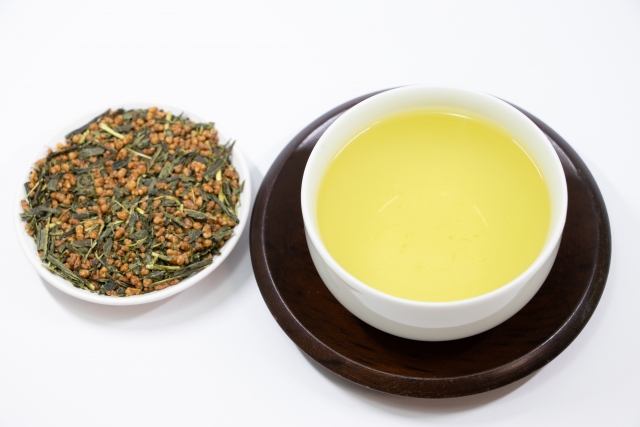
Genmaicha blends green tea with roasted rice, creating a nutty aroma and a light, approachable cup.
Genmaicha is made by blending Japanese green tea with roasted rice.
The rice adds a warm, nutty, toasted aroma that makes genmaicha easy to distinguish from plain sencha.
The base tea is often bancha or sencha, so genmaicha is best understood as a blend rather than a separate growing method.
Kukicha — Tea Made Mainly from Stems
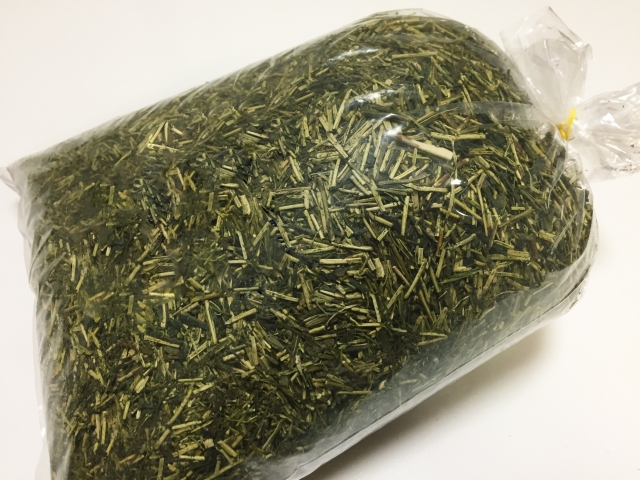
Kukicha is made with a high proportion of stems and stalks, and its flavor can vary greatly depending on the tea those stems come from.
Kukicha is defined mainly by its high proportion of stems and stalks, separated out during tea processing.
Its character depends greatly on the tea from which those stems come.
Everyday kukicha teas can be light and gently sweet, while high-grade stem teas made from gyokuro or fine sencha can be much richer.
Konacha — Fine Tea Particles
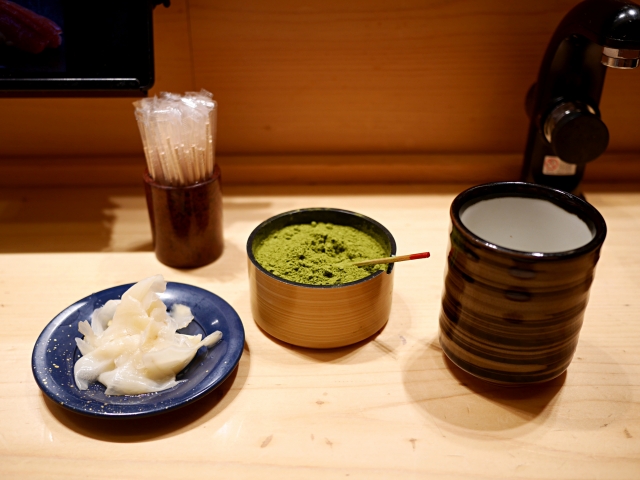
Konacha is often associated with sushi restaurants, where its bold flavor and quick brewing make it practical alongside food.
Konacha is made from fine particles and small fragments separated during the processing and sorting of teas such as sencha or gyokuro.
Because the particles are small, they extract quickly and tend to produce a strong cup.
Konacha is often associated with sushi restaurants, where its bold flavor and quick brewing make it practical alongside food.
Japanese Green Tea Comparison at a Glance
The easiest way to compare these teas is to focus on what makes each one different.
Sencha
Standard steamed leaf tea
Fresh, balanced, gently bitter or savory
Fukamushi-cha
Longer steaming
Fuller, softer, deeper green
Gyokuro
Shaded before harvest
Sweet, rich, umami-forward
Matcha
Tencha ground into powder
Concentrated, creamy, intense
Hojicha
Roasted leaves or stems
Toasted, warm, mild
Bancha
Broad regional everyday category
Varied, often simple and approachable
Genmaicha
Blended with roasted rice
Nutty, toasted, comforting
Kukicha
High proportion of stems
Often light and sweet, but varies by base tea
Konacha
Fine tea particles
Bold, quick-extracting
Which Japanese Green Tea Should You Try First?
There is no single best Japanese green tea for beginners.
One of the easiest ways to understand the differences is to try tea with food. A pairing can make the character of the tea easier to notice than drinking it on its own.
Start Simple: Bottled Green Tea with a Meal
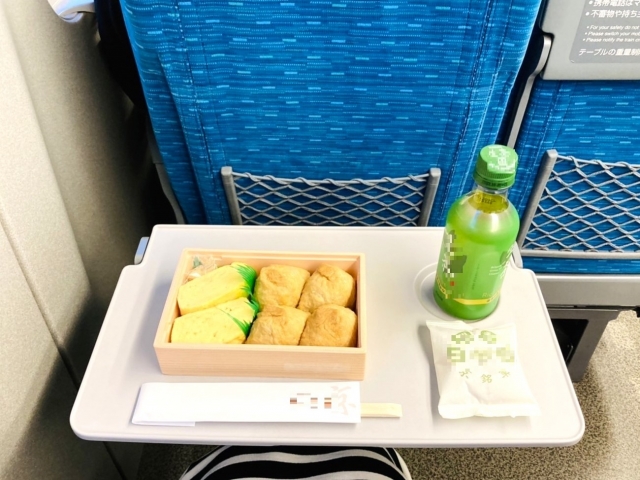
For a complete beginner, bottled Japanese green tea may be the easiest place to start.
In Japan, bottled green tea is usually unsweetened and is commonly enjoyed with meals rather than treated like a sweet soft drink.
Try it with a bento or another savory meal. The tea’s fresh, slightly astringent character can help balance rice, grilled or fried foods, pickles, and seasoned side dishes, making its role as an everyday food companion much easier to notice.
Sencha with Anko Sweets
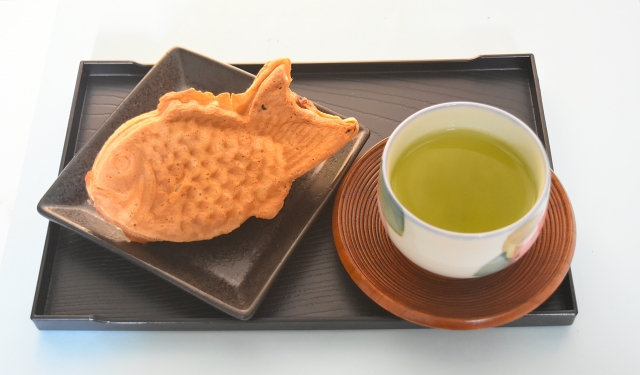
Sencha pairs especially well with anko sweets such as taiyaki, where its fresh, gently astringent character balances both the sweet red bean filling and the lightly toasted batter.
Sencha is a good next step if you want to try loose-leaf Japanese tea.
It pairs especially well with sweets made with anko, such as taiyaki, imagawayaki, dorayaki, daifuku, or yokan.
The fresh, gently bitter or astringent character of sencha helps balance the sweetness of the red bean paste.
Sweets such as taiyaki and imagawayaki can be especially satisfying because the tea also contrasts with the soft, lightly toasted batter around the anko.
Hojicha with Rice Crackers
If you prefer roasted flavors, try hojicha.
Its warm, toasted aroma pairs naturally with senbei, arare, and other Japanese rice crackers.
The combination works well because the roasted character of the tea connects naturally with the toasted flavor of the rice snacks.
Genmaicha with Simple Savory Foods
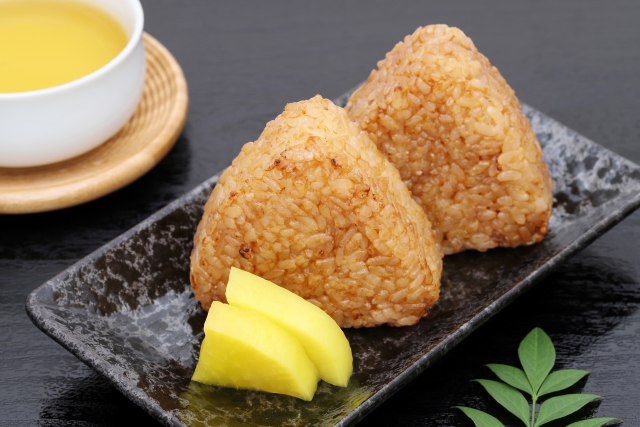
Genmaicha pairs well with simple savory foods such as grilled rice balls, where its roasted rice aroma connects naturally with the toasted flavor of the meal.
Genmaicha is another approachable choice.
The roasted rice gives it a nutty, toasted aroma that works well with rice crackers, light meals, and other simple savory foods.
For people who find straight green tea too grassy or bitter at first, genmaicha can be an easy bridge into Japanese tea.
Gyokuro and Matcha: When You Want to Focus on the Tea
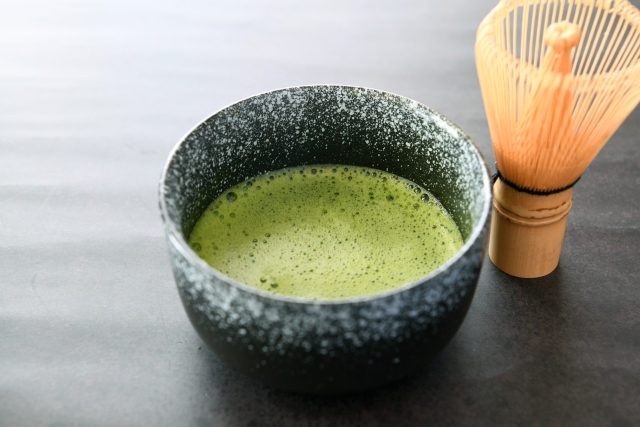
Gyokuro and matcha are worth exploring, but they can feel more intense or unfamiliar for beginners.
Gyokuro is known for concentrated sweetness and umami, while matcha has a stronger, fuller presence because the powdered leaf itself is consumed.
Rather than starting here, many beginners may find it easier to begin with bottled green tea, sencha, hojicha, or genmaicha and then move toward gyokuro or matcha once they become curious about more distinctive tea experiences.
Understanding Overlapping Tea Categories
Japanese tea names do not form one perfectly neat family tree.
Some names describe how the tea is grown, others how it is processed, which part of the plant is used, or what is added afterward.
This is why I find it more useful to ask what changed rather than trying to memorize every tea as a completely separate category.
I notice this especially with kukicha. Some stem teas can be surprisingly flavorful, while others feel much simpler and seem to give most of their character in the first brew. The name tells you what part of the plant is used, but not everything about what the cup will taste like.
The same is true of food pairings. One combination I especially want visitors to try is sencha with taiyaki or imagawayaki. The fresh, slightly astringent character of the tea can make the sweet anko and lightly toasted batter feel even more satisfying together.
Sometimes the easiest way to understand Japanese tea is not through a classification chart, but by tasting what changes in the cup — and what happens when the tea meets the right food.
FAQ
Is fukamushi-cha a type of sencha?
Yes, fukamushi-cha is generally best understood as a deep-steamed style of sencha.
The main difference is the longer steaming time, which changes the structure of the leaves and the character of the brewed tea.
Is hojicha really green tea?
Yes.
Hojicha begins with Japanese green tea leaves or stems, but roasting turns them brown and creates the characteristic toasted aroma.
Is genmaicha a type of green tea?
Yes.
Genmaicha is usually made by blending Japanese green tea, often sencha or bancha, with roasted rice.
Can I make matcha by grinding sencha leaves?
No.
Matcha is made from tencha, which is grown and processed differently from sencha.
Grinding ordinary sencha into powder does not turn it into matcha.
Which Japanese green tea is least bitter?
There is no single answer because bitterness depends on the tea and how it is brewed.
Hojicha, many kukicha teas, and some genmaicha are often perceived as gentler or less sharply bitter than standard sencha.
Which Japanese green tea has the least caffeine?
Caffeine levels vary with the leaves, harvest, processing, and brewing method, so there is no fixed ranking that applies to every tea.
Hojicha, kukicha, and some later-harvest bancha are often chosen when people want a tea that may contain less caffeine than teas made mainly from younger leaves, but none should be assumed to be caffeine-free.
Which Japanese green tea should a beginner try first?
Sencha is a useful starting point because it provides a clear reference for understanding many other Japanese teas.
If you prefer roasted flavors, hojicha or genmaicha may be easier to enjoy immediately.

