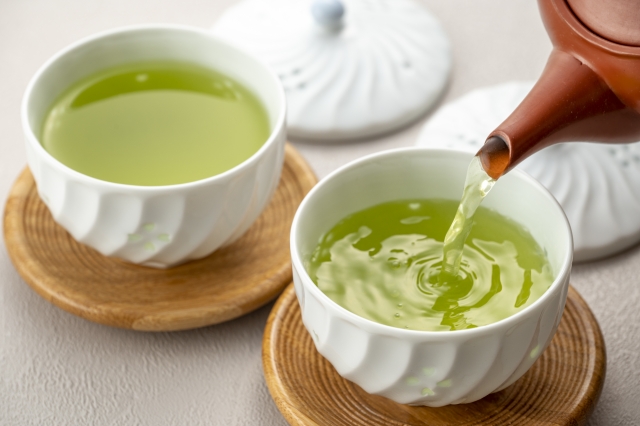
Japanese green tea is often represented overseas by matcha, tea ceremony, and carefully prepared premium tea.
Those are important parts of the picture, but they don't tell the whole story.
In everyday Japan, green tea may be sencha served with a meal, hojicha after dinner, genmaicha with its roasted aroma, a bottle of cold tea bought at a convenience store, or a tea bag brewed quickly at home.
Some teas are shaped mainly by how the leaves are grown. Others change through steaming, roasting, blending, sorting, or grinding.
Japanese green tea culture is therefore not one flavor, one brewing method, or one tradition. It is a broad family of teas that ranges from ordinary daily drinks to highly specialized teas such as gyokuro and matcha.
This guide offers a map of that world and explains where the major styles fit.
Quick Summary
- Japanese green tea is a broad family of teas, not another name for matcha.
- Sencha is a useful reference point for understanding Japanese leaf tea.
- Shading, steaming, roasting, blending, and leaf form can create very different teas.
- Bancha, genmaicha, hojicha, and other everyday teas are just as important to modern Japanese tea culture as premium teas.
- Matcha and gyokuro occupy more specialized positions and are not necessarily everyday drinks for most people.
- Japanese people drink green tea in many forms, including loose leaf, tea bags, bottled tea, hot tea, and cold tea.
- Brewing temperature and time can strongly affect sweetness, umami, bitterness, and astringency.
What Is Japanese Green Tea?
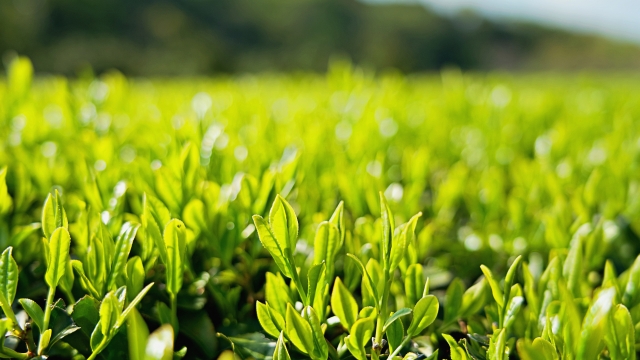
Most Japanese green teas come from the same tea plant, Camellia sinensis.
What makes them green tea is that oxidation is stopped soon after harvesting. In Japan, this is usually done with steam.
This gives many Japanese teas their fresh, vegetal character, but steaming alone does not determine the final taste.
After that first step, differences in cultivation, steaming time, roasting, blending, sorting, and grinding can send the tea in very different directions.
That is why sencha, hojicha, gyokuro, genmaicha, konacha, and matcha can all belong to the wider world of Japanese green tea while tasting and behaving very differently.
Why Is Japanese Green Tea Usually Steamed?
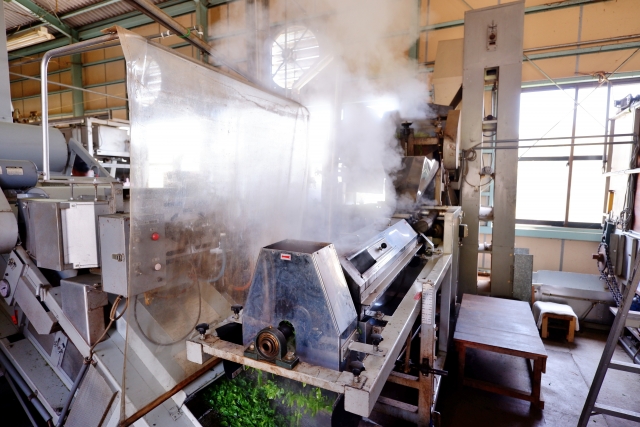
In many Japanese teas, freshly harvested leaves are steamed soon after picking.
The heat deactivates enzymes that would otherwise allow the leaves to oxidize further. This helps preserve the green color and many of the fresh aromas associated with Japanese green tea.
The length and intensity of steaming can also influence the finished tea.
A standard sencha may retain more clearly shaped leaves, while the longer steaming used for fukamushi-cha breaks down the leaf structure more easily and produces a darker, cloudier infusion.
So steaming is the starting point, not the end of the story.
How Do Japanese Green Teas Become So Different?

Several factors can change the character of the finished tea.
Growing the Leaves Differently
Some teas are shaded before harvest.
Reduced sunlight changes the balance of compounds in the leaves and can increase the impression of sweetness and umami.
Gyokuro and tencha, the raw material used for matcha, are important examples.
Steaming for Different Lengths
Sencha is usually steamed after harvest, but the steaming time varies.
Fukamushi-cha is steamed more deeply than standard sencha. This softens the leaves, causes them to break into smaller pieces, and makes the tea brew quickly.
The resulting cup is often deep green and cloudy.
That cloudiness is not automatically a sign of poor quality. It is part of the style.
Roasting the Tea
Hojicha shows what happens when green tea is taken in a completely different direction.
The leaves or stems are roasted, producing brown color and aromas that can suggest toast, caramel, nuts, or roasted grain.
The roasting changes the character so dramatically that many people do not immediately think of hojicha as green tea, even though it begins in the same broader tea tradition.
Blending Tea with Other Ingredients
Genmaicha combines green tea with roasted rice.
Its appeal comes from the contrast between the freshness or slight bitterness of the tea and the warm roasted aroma of the rice.
It is a good reminder that Japanese tea culture is not limited to differences created within the tea leaf itself.
Genmaicha: Japanese Green Tea with Roasted Rice
Using Different Leaves, Stems, or Harvests
Not every tea is defined by a single strict recipe.
Bancha is a good example.
The word can refer to later-harvest tea or everyday regional teas, and its meaning is not always identical across Japan.
That makes bancha difficult to reduce to a simple English definition such as "low-grade green tea."
Its importance is better understood through its everyday and regional character.
Some related teas develop even more unusual traditions.
San-nen bancha, for example, shows how the name "three-year bancha" can refer to different combinations of plant maturity, storage, and processing rather than one universal three-year rule.
Keeping Fine Leaf Pieces
Konacha is another useful example.
It is sometimes misunderstood because its name contains kona, meaning powder.
But konacha is not the same as matcha.
Konacha is made from small tea leaf particles and fragments that are separated during tea processing. The pieces are very small, so the tea brews quickly and strongly.
Matcha, by contrast, is intentionally ground into an extremely fine powder from specially processed tencha.
The physical appearance may seem similar at first glance, but the production methods and drinking experience are very different.
Japanese Green Tea Powder: Konacha and Other Powdered Teas
A Simple Map of Japanese Green Tea

There are many regional and specialized teas in Japan, but a few styles provide a useful starting point.
Sencha — The Reference Point
Sencha is one of the best places to begin.
It represents the style many people associate with ordinary Japanese leaf tea: steamed green leaves, fresh aroma, some sweetness and umami, and varying levels of bitterness and astringency.
For understanding Japanese green tea as a whole, sencha works well as a reference point.
Fukamushi-cha — What Longer Steaming Changes
Fukamushi-cha can be understood as a deeper-steamed style of green tea.
Because the leaves become softer and break more easily, the tea extracts quickly and often produces a rich green color with suspended leaf particles.
It can look very different from a clear cup of standard sencha even though the underlying relationship is close.
Fukamushi-cha: Japanese Deep-Steamed Green Tea
Bancha — Everyday Tea Without One Simple Definition
Bancha is less internationally famous than sencha or matcha, but it is important for understanding the everyday side of Japanese tea culture.
Depending on region and producer, it may refer to later-harvest tea, mature leaves, or local styles with their own processing traditions.
It is better understood as a broad everyday category than as one precisely standardized tea.
Genmaicha — Tea and Roasted Rice
Genmaicha combines green tea with roasted rice.
It is aromatic, approachable, and strongly associated with the comforting roasted scent of the rice.
The tea base can vary, so genmaicha is not one single flavor profile.
Some versions use bancha, while others may use sencha, fukamushi-cha, or other teas.
Genmaicha: Japanese Green Tea with Roasted Rice
Hojicha — When Green Tea Is Roasted
Hojicha is created through roasting.
The process changes both color and aroma, producing a tea that feels quite separate from the fresh-green image many people associate with Japanese tea.
It is widely enjoyed in ordinary life and also appears in sweets, desserts, and café drinks.
Gyokuro — Tea Shaped by Shading
Gyokuro is one of Japan's best-known premium teas.
The leaves are shaded before harvest, encouraging a flavor profile with pronounced umami and sweetness.
It also rewards careful brewing at lower temperatures.
Despite its reputation, gyokuro is not something every Japanese household drinks regularly.
Many people know the name long before they ever prepare it themselves.
Matcha — A Very Different Branch
Matcha is unusual because the entire leaf is consumed as a suspension.
The leaves are grown and processed into tencha before being ground into fine powder.
This gives matcha a very different texture, flavor intensity, and role from ordinary steeped leaf tea.
It is important in tea ceremony, but modern matcha culture also includes lattes, sweets, desserts, and many other uses.
Konacha — Small Leaf Particles, Not Matcha
Konacha is made from small leaf fragments rather than from tea leaves intentionally ground into powder.
Because the particles are small, the tea releases flavor quickly.
It has long been associated with places such as sushi restaurants, where fast brewing and a strong cup are practical advantages.
Konacha is therefore a useful example of how leaf size alone can influence the way a tea is prepared and used.
Japanese Green Tea Powder: Konacha and Other Powdered Teas
How Does Green Tea Fit Into Everyday Life in Japan?
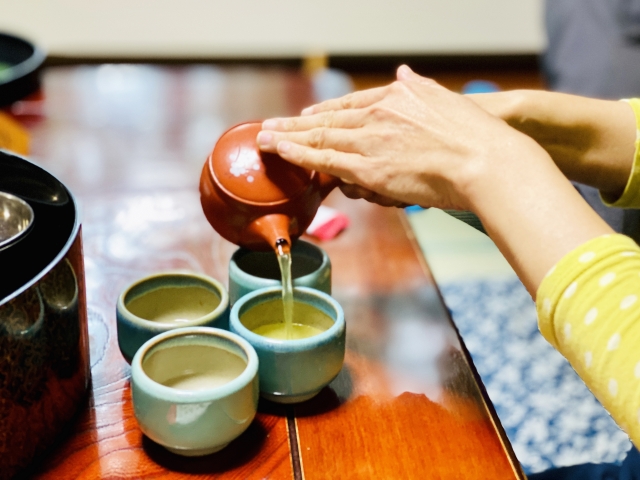
The formal image of Japanese tea is only one part of daily reality.
Many people encounter green tea in much simpler ways.
Tea at Home
Some households still use a kyusu and loose leaves regularly.
Others rely more on tea bags, bottled tea, or ready-to-drink products.
Both belong to contemporary Japanese tea culture.
A household without a traditional teapot isn't outside the culture of tea.
Tea with Meals and Sweets
Green tea often appears naturally alongside food.
Sencha and other leaf teas can accompany meals, while tea is also commonly served with wagashi and other sweets.
The pairing is not always ceremonial or carefully planned. Often, it is simply what feels familiar.
Bottled Tea and Convenience
One of the most visible forms of Japanese tea today is bottled tea.
Convenience stores, vending machines, supermarkets, restaurants, and workplaces make cold bottled tea extremely easy to find.
For many people, this is just as normal a form of Japanese tea as brewing loose leaves.
Tea for Guests
Tea has also long been associated with hospitality.
But this does not mean every guest is welcomed with carefully whisked matcha or precisely brewed premium tea.
Depending on the home and the situation, the drink may be sencha, hojicha, bottled tea, coffee, or something else entirely.
The deeper cultural idea is not strict adherence to one beverage. It is preparing something appropriate for the person and the situation.
Hot Tea Is Only One Way to Drink It
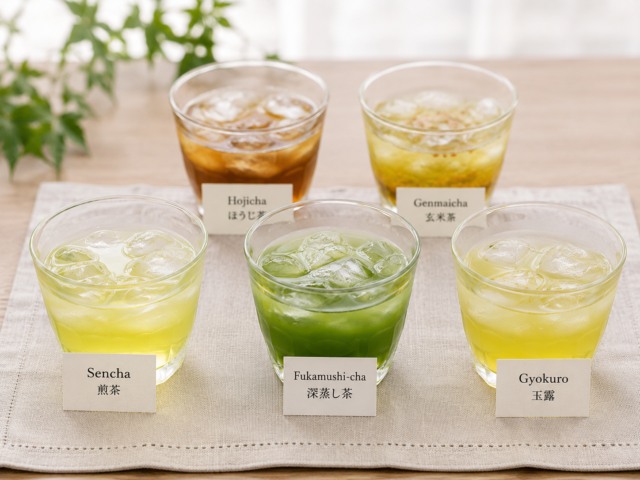
Japanese green tea is not always served hot.
Cold tea becomes especially common during warm weather.
Some tea is brewed hot and then chilled. Some is prepared with cold water. Some is bought already bottled.
The Japanese word reicha simply refers to cold tea rather than one specific tea variety or one strict brewing method.
Sencha, hojicha, genmaicha, and other teas can all be enjoyed cold depending on the product and preparation.
Reicha: Iced Green Tea in Japan
This matters because overseas images of Japanese tea often focus on steam rising from a traditional teapot.
In everyday Japan, a cold plastic bottle pulled from a convenience-store refrigerator can be just as representative of modern tea life.
Does Brewing Really Change Japanese Green Tea?
Yes.
Water temperature, steeping time, leaf quantity, and the amount of water can all change the balance of a cup.
Cooler water often brings out sweetness and umami more gently, while hotter water tends to extract bitterness and astringency more strongly.
This is especially noticeable with teas such as gyokuro and high-quality sencha.
Other teas are more forgiving.
Fukamushi-cha, for example, extracts quickly because of its broken leaf structure, while hojicha can tolerate relatively straightforward brewing.
There is no single perfect brewing method for every Japanese tea.
How to Brew Japanese Green Tea
Storage also matters.
Tea leaves gradually lose aroma and freshness through exposure to air, heat, light, and moisture.
Where Does Matcha Fit Into Japanese Tea Culture?
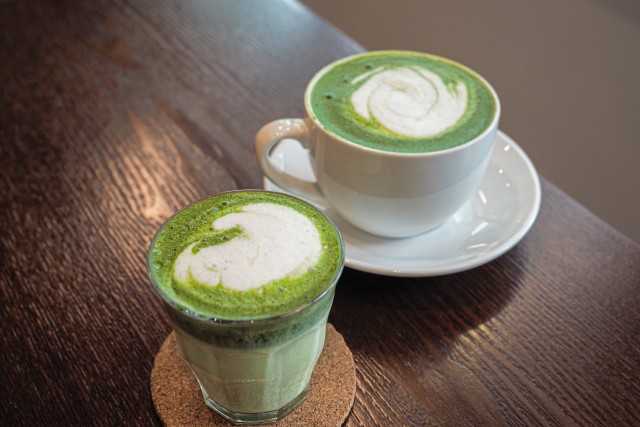
Matcha deserves attention, but it helps to place it in context.
It is not simply "Japanese green tea in powdered form."
Matcha begins with tencha, tea leaves grown and processed specifically for grinding.
The powder is then whisked into water rather than steeped and removed like ordinary leaf tea.
That difference affects everything from texture to flavor.
Matcha is closely associated with tea ceremony, but its modern role is much wider.
It appears in confectionery, ice cream, cakes, drinks, cafés, and home baking.
Different applications also call for different matcha.
A product suitable for traditional tea preparation is not automatically the best choice for a latte or baked dessert.
The same applies to grinding.
Stone mills remain important for certain high-quality matcha, but "stone-ground" does not automatically mean superior for every purpose.
Modern milling methods can be better suited to other applications.
Why Is Matcha Bitter and Sweet?
Why Is Matcha Ground with Stone Mills?
What Japanese Green Tea Reveals About Everyday Japan
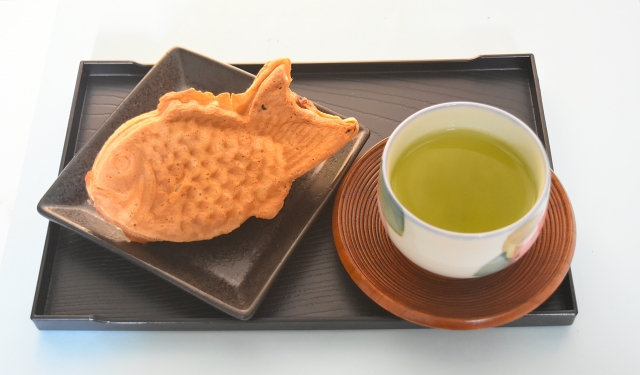
Japanese green tea culture is sometimes presented as if it belongs mainly to tradition.
In reality, traditional and modern tea habits constantly overlap.
A person might buy bottled tea on the way to work, drink sencha with a meal, receive expensive tea as a gift, enjoy a matcha dessert, and still rarely prepare gyokuro at home.
None of these experiences contradict one another.
They show that tea culture survives by fitting into ordinary life.
That may be one of the most useful ways to understand Japanese green tea.
Its continuity does not depend on everyone preserving one formal method.
Instead, the culture remains alive because tea keeps adapting while still carrying traces of older habits, regional preferences, craftsmanship, and hospitality.
Author's Note
Growing up in Japan, green tea never felt like something that needed to be explained.
It was simply around.
Tea could appear with meals, with sweets, when guests visited, or in a bottle bought from a vending machine.
At the same time, there were teas such as gyokuro that I knew by name long before I knew how they were actually brewed.
I think this gap is important.
Japanese people do not automatically know everything about Japanese tea simply because they grew up in Japan.
Some teas are deeply familiar through everyday life. Others are recognized more through reputation, gifts, travel, or special occasions.
That mixture of familiarity and distance is part of Japanese tea culture too.
FAQ
Is Japanese green tea the same as matcha?
No.
Matcha is one type of Japanese green tea with its own cultivation and processing method.
Sencha, bancha, hojicha, gyokuro, genmaicha, and many other teas are also part of Japanese green tea culture.
What is the most common Japanese green tea?
Sencha is one of the most common and useful reference points for understanding Japanese leaf tea.
However, modern Japanese people also drink large amounts of bottled tea and use tea bags, so everyday tea culture is broader than loose-leaf sencha alone.
What is the difference between sencha and bancha?
Sencha generally refers to a more standardized style of steamed green tea.
Bancha is a broader and less uniform category that can include later-harvest or regional everyday teas.
The exact meaning of bancha can vary.
Is hojicha really a green tea?
Yes, in the sense that it comes from Japanese green tea materials.
However, roasting changes the leaves so much that the finished tea is brown and tastes very different from fresh-style green teas such as sencha.
Is konacha the same as powdered green tea?
No.
Konacha consists of very small tea leaf particles and fragments.
Matcha is made by intentionally grinding specially processed tencha into an extremely fine powder.
Do Japanese people drink gyokuro regularly?
Some do, but it is not an everyday drink for most people.
Gyokuro is generally viewed as a premium tea and is more specialized than ordinary sencha, bancha, or bottled tea.
Can Japanese green tea be served cold?
Yes.
Many Japanese green teas can be enjoyed cold, including sencha, hojicha, and genmaicha.
Cold tea may be brewed with cold water, brewed hot and chilled, or purchased ready to drink.
Related Reading on YUNOMI
Sencha: Japanese Green Tea is a good next step for understanding the everyday reference point of Japanese leaf tea.
What Is Bancha? explores why one of Japan's most ordinary tea categories is surprisingly difficult to define.
Why Is Matcha Bitter and Sweet? explains how matcha differs from ordinary leaf tea in flavor and drinking experience.
How to Brew Japanese Green Tea moves from culture and classification into practical preparation.