Gyokuro is one of the most prestigious names in Japanese green tea.
The name is widely recognized in Japan and strongly associated with expensive, high-quality tea. Yet there is an unusual gap between that reputation and everyday experience.
Gyokuro is not something most households brew casually every day. Someone may know the name for years, see it on premium gift boxes or bottled drinks, and still have little experience preparing traditional loose-leaf gyokuro.
That distance is part of what makes the tea interesting.
Gyokuro is not simply expensive sencha. The plants are grown differently, the flavor is unusually rich in umami, and the traditional brewing method uses cooler water, and much less of it, than many people expect.
Quick Summary
- Gyokuro is a shade-grown Japanese green tea known for strong umami, sweetness, and a distinctive shaded aroma.
- The plants are covered before harvest, which changes the flavor of the leaves and reduces sharp bitterness and astringency.
- It is commonly brewed with cool water, often around 50–60°C (122–140°F), and relatively little water.
- Gyokuro and sencha are not simply higher and lower grades of the same tea.
- Gyokuro is famous in Japan but is better understood as a specialty tea than an everyday household drink.
- Good gyokuro can usually be brewed several times.
What Is Gyokuro and Why Is It Shaded?
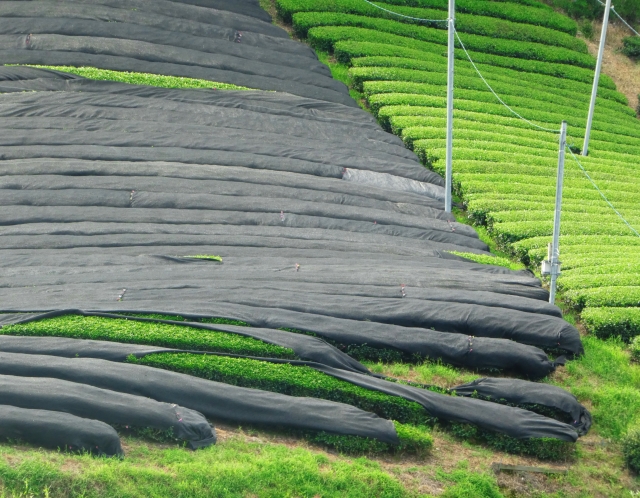
Some tea fields are covered before harvest to reduce sunlight, a defining part of gyokuro cultivation.
Gyokuro is a loose-leaf Japanese green tea made from tea plants that are shaded before harvest.
Like sencha, the leaves are steamed to stop oxidation, then rolled and dried into thin, dark-green needles.
The important difference begins before picking.
Tea leaves naturally contain amino acids, including theanine, which contribute sweetness and umami. Sunlight affects how compounds in the growing leaves develop, so by reducing the amount of light reaching the plants before harvest, growers preserve more of this amino-acid-rich character while limiting some of the compounds associated with stronger bitterness and astringency.
Shading also creates a distinctive fragrance known as ooika, or "covered aroma."
The result is a tea with a character very different from ordinary sencha.
What Does Gyokuro Taste Like?
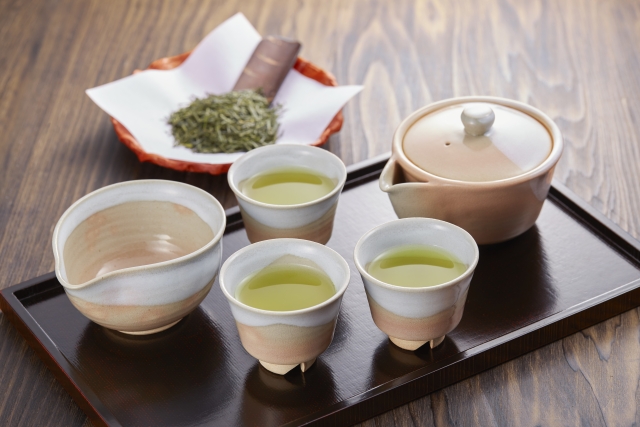
Gyokuro is often enjoyed in small servings, allowing its concentrated sweetness and umami to stand out.
Descriptions of gyokuro usually begin with one word:
Umami.
That can be hard to imagine if your idea of green tea is something grassy, refreshing, or mildly bitter.
Traditionally brewed gyokuro can be surprisingly concentrated. You may notice:
- strong, savory umami
- noticeable sweetness
- relatively little sharp astringency in the first infusion
- a smooth, sometimes thick mouthfeel
- fresh green or vegetal notes
- marine aromas sometimes compared with nori or seaweed
Some drinkers describe the overall impression as almost broth-like.
That does not mean gyokuro literally tastes like soup — it means the savory sensation can be unusually strong for something we normally think of as tea.
It is also a flavor that not everyone immediately loves. Expensive tea does not automatically mean universally preferred tea.
Is Gyokuro Just Better Sencha?
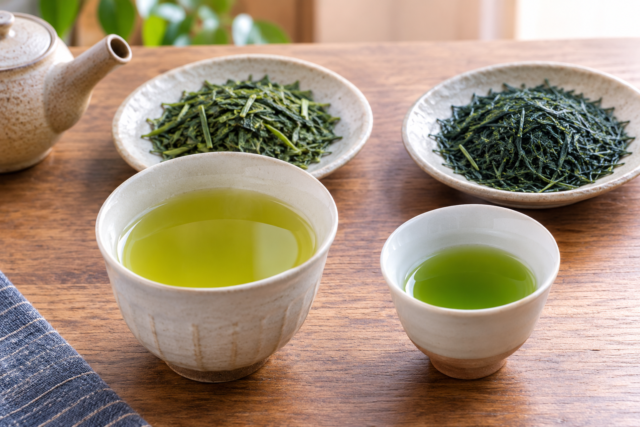
Sencha and gyokuro are both Japanese green teas, but they are prepared and enjoyed in very different ways.
No.
Gyokuro and sencha are both steamed Japanese green teas, but they shouldn't be seen as lower and higher steps on the same ladder.
Sencha usually balances freshness, aroma, gentle bitterness, astringency, sweetness, and umami. Gyokuro pushes much further toward sweetness and savory umami. Their cultivation differs, and so does the way they are normally brewed and enjoyed.
A good sencha does not need to become gyokuro to be considered a good tea.
If you want to understand everyday Japanese green tea, sencha is probably the more useful starting point. Gyokuro shows how far Japanese tea can move in a more specialized direction.
Matcha is also grown under shade, but its processing is different. Tea for matcha is made into tencha and later ground into powder, while gyokuro remains a rolled loose-leaf tea.
Why Is Gyokuro Brewed with Cool Water?
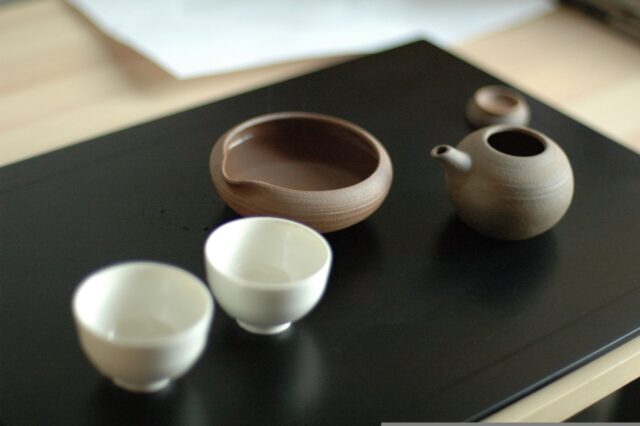
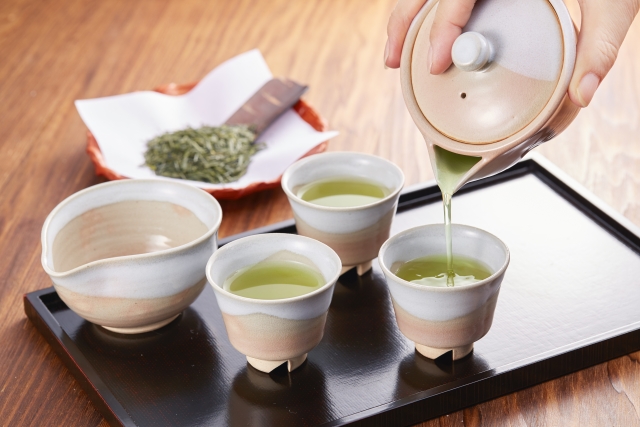
Gyokuro is often brewed with water cooled in a yuzamashi before being poured into a small houhin.
This is where gyokuro begins to feel very different from ordinary tea.
A common starting point is around 50–60°C (122–140°F), although exact recommendations vary. Cooler water helps emphasize sweetness and umami while keeping stronger bitterness and astringency under control.
The amount of water is also surprisingly small. Traditional-style gyokuro may use a generous amount of leaves with only around 60–100 ml of water.
To someone accustomed to a large mug of tea, that can seem like barely any water at all.
But gyokuro is not normally prepared as a thirst-quenching drink. The goal is a small amount of concentrated tea.
This is also why an expensive gyokuro can be disappointing if brewed casually. Water that is too hot, too much water, or too few leaves can hide the qualities that made the tea expensive in the first place.
If you receive a fine gyokuro and have never prepared one before, checking the producer's brewing instructions first is a completely reasonable approach. The same would be true for plenty of tea drinkers in Japan.
Do You Need Special Teaware?
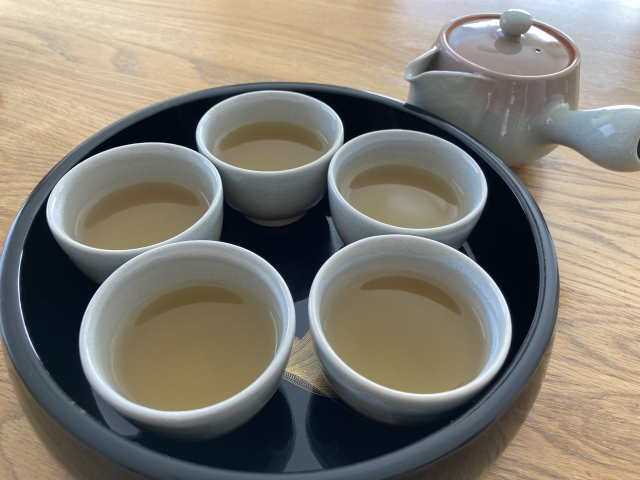
A houhin is convenient for gyokuro, but a small teapot can also work well if you control the water temperature and volume.
Gyokuro is often prepared in a houhin, a small handleless brewing vessel suited to cool water and small servings.
But a houhin is not essential. A small kyusu or another suitable brewing vessel can work well.
What matters more is controlling:
- water temperature
- leaf quantity
- water volume
- brewing time
And a houhin is certainly not something you should expect to find in every Japanese kitchen.
Good gyokuro can also be brewed several times. The first infusion usually emphasizes sweetness, umami, and body. Later infusions are shorter and may use warmer water, bringing out more freshness, aroma, bitterness, and astringency.
Some enthusiasts even eat the softened leaves after the final infusion with a little ponzu or soy sauce. It's an interesting way to enjoy the leaves, but not a standard custom in Japanese households.
Why Is Gyokuro So Expensive?
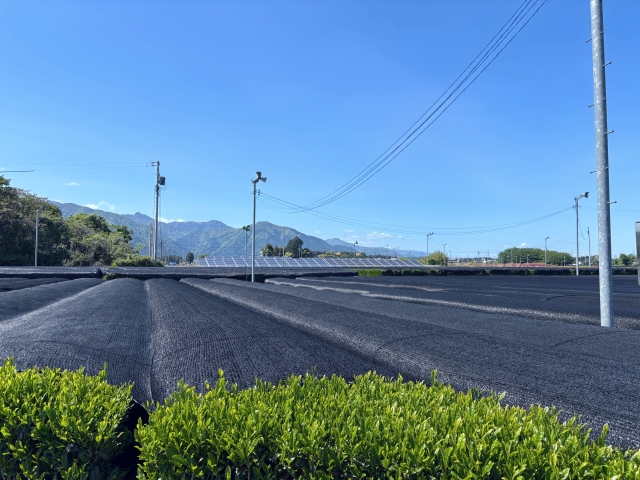
Gyokuro requires additional shading and careful field management before harvest, which contributes to its higher production cost.
Gyokuro requires additional work before harvest. The plants must be shaded and carefully managed during an important period of growth. High-quality gyokuro also depends on good raw material, skilled cultivation, and careful processing. Some traditional styles involve even more labor-intensive methods.
This makes gyokuro a more specialized tea to produce.
There is also a simple practical reality: gyokuro is expensive enough that many people do not choose it as an everyday drink. Its price helps place it naturally in specialty tea shops, premium gift sets, and occasional drinking rather than ordinary daily tea.
Is Gyokuro an Everyday Tea in Japan?
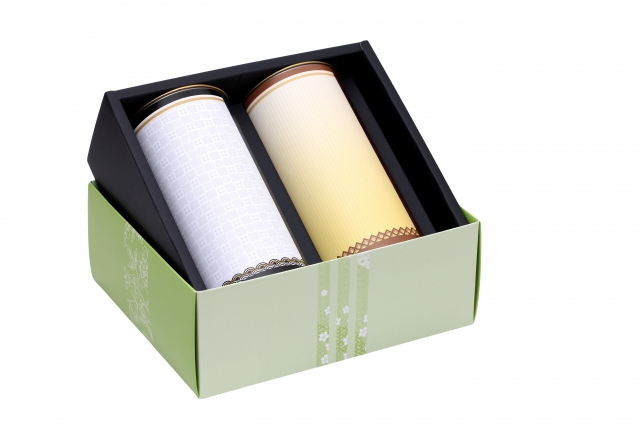
Gyokuro is often associated with premium gift sets and special occasions rather than everyday tea drinking at home.
This is where the international image of gyokuro can become misleading.
Gyokuro is widely known in Japan. The name strongly suggests expensive, prestigious green tea. But knowing the name is not the same as knowing the tea itself.
People may encounter gyokuro on gift boxes, at specialty tea shops, or on bottled drinks advertised as containing gyokuro.
The name is familiar. The traditional drinking experience is much less so.
Gyokuro is not an ordinary household drink in the way sencha, hojicha, mugicha, or bottled green tea can be.
If someone receives a high-quality gyokuro as a gift, checking the brewing instructions before preparing it would not be unusual. The water needs to be cooler than expected. The serving is small. They may not own a houhin. And because the tea is expensive, they probably don't want to waste it by guessing.
That gives gyokuro an unusual place in Japanese tea culture: widely known by reputation, but much less familiar through everyday experience.
What Gyokuro Reveals About Japanese Tea Culture
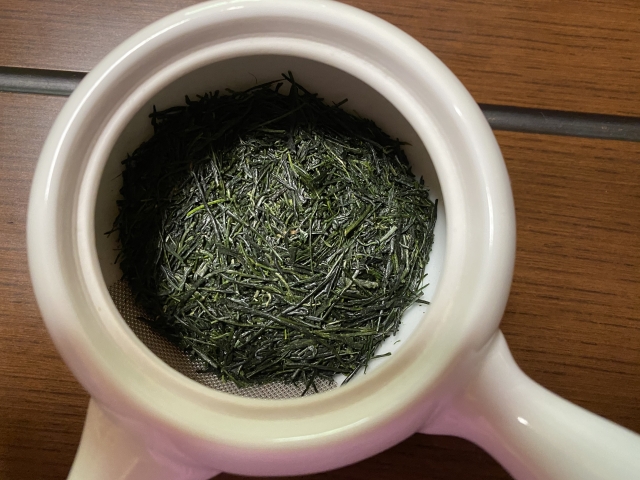
Gyokuro shows how Japanese tea can be shaped toward a very specific experience through cultivation, processing, and brewing.
Gyokuro shows why Japanese green tea should not be understood as a simple hierarchy from inexpensive tea to expensive tea. Different teas are made for different experiences.
Sencha works well as an everyday tea because it balances freshness, aroma, bitterness, sweetness, and umami. Hojicha transforms tea through roasting. Fukamushi-cha changes its character through deeper steaming. Gyokuro takes another path.
The plants are shaded, the flavor is pushed strongly toward umami and sweetness, and the tea is traditionally brewed in small quantities with unusually cool water.
It is specialized enough that even in Japan, recognizing the name does not necessarily mean knowing how it tastes when properly prepared.
That may be the most interesting thing about gyokuro: one of Japan's most famous teas is also one that many people know more by reputation than by personal experience.
Author's Note
Growing up in Japan does not automatically make someone a gyokuro expert.
I have always known gyokuro as an expensive and prestigious Japanese tea, but it has never been part of my ordinary tea-drinking life.
If I received a good gyokuro today, I would check the recommended water temperature and brewing method before preparing it. With an expensive tea like this, I would rather check than guess.
That distance between knowing the name and knowing the tea itself is one reason I find gyokuro so interesting.
FAQ
Is gyokuro the highest-quality Japanese green tea?
Gyokuro is one of Japan's most prestigious and expensive green teas, but calling it simply the "highest quality" is misleading. High-quality sencha, matcha, and other teas are valued for different characteristics.
What temperature should I use for gyokuro?
Around 50–60°C (122–140°F) is a useful starting range. The producer's instructions are usually the best guide for a particular tea.
Can I brew gyokuro in a normal kyusu?
Yes. A houhin is convenient but not essential. A small kyusu or another suitable brewing vessel can work well.
How many times can gyokuro be brewed?
Good gyokuro can usually be enjoyed over several infusions. Two or three are common, though the exact number depends on the tea.
Do Japanese people drink gyokuro every day?
Gyokuro is better understood as a specialty tea than an everyday household drink. Its name is widely recognized in Japan, but traditionally brewed gyokuro is something many people encounter only occasionally.
Why does gyokuro sometimes taste like seaweed?
Shaded cultivation gives gyokuro a distinctive aroma and emphasizes savory umami. Depending on the tea and the drinker, this can be perceived as marine, nori-like, or seaweed-like.
Related Reading on YUNOMI
What Is Japanese Green Tea?
An overview of the main types of Japanese green tea and how they relate to one another.
What Is Sencha?
Sencha provides the clearest contrast with gyokuro and is much closer to everyday Japanese green-tea drinking.
What Is Fukamushi-cha?
See how deeper steaming creates another distinct expression of Japanese green tea.

