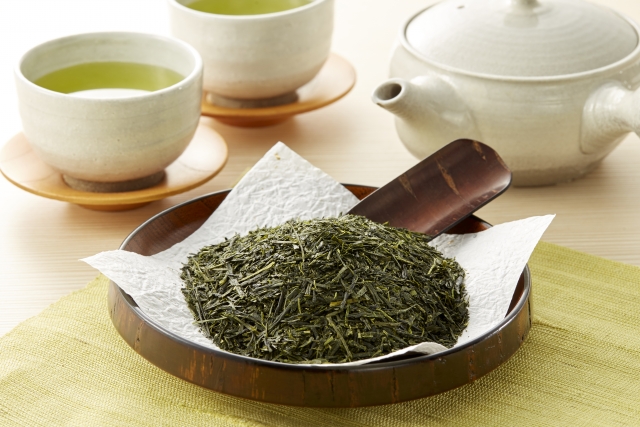
Sencha is one of the most familiar types of Japanese green tea. It is made by steaming, rolling, and drying tea leaves, then brewing them in hot water.
Matcha may be better known outside Japan, but sencha is much closer to the loose-leaf green tea found in everyday Japanese life.
It may be served with a meal, paired with anko sweets, offered to a guest, or brewed quickly in a mug when using a teapot feels like too much trouble.
At the same time, sencha is only one of many drinks people choose in Japan. Coffee, black tea, mugicha, hojicha, rooibos tea, and other beverages are all part of modern daily life.
That balance is important.
Sencha is deeply familiar without being something everyone drinks every day.
Quick Summary
- Sencha is a steamed Japanese green tea brewed from loose leaves.
- It can taste fresh, grassy, savory, gently sweet, bitter, and astringent.
- Matcha is consumed as powdered tea, while sencha leaves are steeped and removed.
- Sencha is common in Japan, but people choose among many different drinks depending on food, season, time, and mood.
- A kyusu is traditional, but a mug and tea strainer are perfectly practical for everyday use.
- For beginners, water around 70–80°C (158–176°F) and a short steep are a good starting point.
- Loose-leaf tea is often kept in a tea canister called a chazutsu.
What Is Sencha?
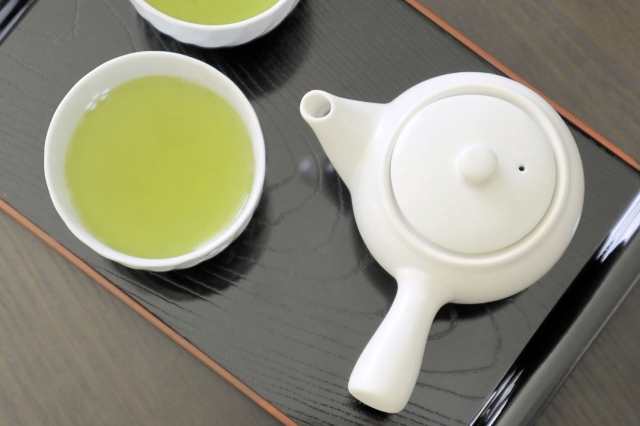
Sencha is a Japanese green tea made from tea leaves that are usually grown in sunlight and harvested, then quickly steamed.
The steaming stops oxidation and helps preserve the fresh green character of the leaves.
After steaming, the leaves go through several stages of rolling and drying. The finished tea is then brewed in water and removed before drinking.
This is one of the biggest differences from matcha.
Matcha is ground into a fine powder and whisked into water, so the tea leaf itself is consumed. With sencha, the leaves remain separate from the drink.
Sencha is also not one single flavor or style.
Its character can change depending on the region, cultivar, harvest season, leaf quality, and processing. The length of steaming also matters. Lightly steamed and deep-steamed sencha can look and taste noticeably different.
For beginners, however, the simplest way to think about sencha is this:
Sencha is one of the basic reference points for understanding Japanese green tea.
What Does Sencha Taste Like?
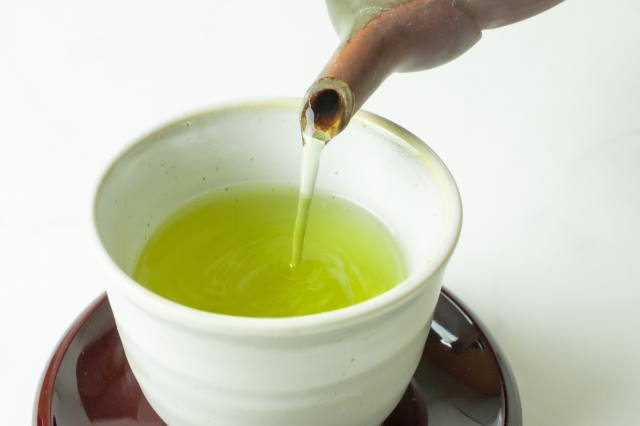
Sencha can have several flavors at once.
A typical cup may combine:
- fresh or grassy aromas
- gentle sweetness
- savory umami
- bitterness
- astringency
The balance varies considerably.
Some sencha is light and refreshing. Some tastes greener or fuller. Others have stronger umami or a sharper bitterness.
Brewing also changes the result.
Hotter water tends to bring out bitterness and astringency more strongly, while somewhat cooler water can make sweetness and umami easier to notice.
This is why one person's first cup of sencha may taste pleasantly fresh, while another person's may taste unexpectedly bitter.
Neither experience is unusual.
How Is Sencha Different from Other Japanese Green Teas?
Japanese green teas can look similar in the cup, but they are not all made or prepared in the same way.
The differences often come from how the leaves are grown, processed, roasted, or used after harvesting.
Sencha
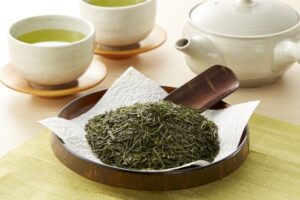
Sencha is made by steaming the harvested leaves, then rolling and drying them. The leaves are brewed in water and removed before drinking.
Matcha
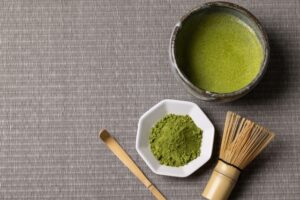
Matcha is made from shade-grown tea leaves processed into tencha. The dried tencha is ground into a fine powder and whisked directly into water, so the tea itself is consumed.
Gyokuro
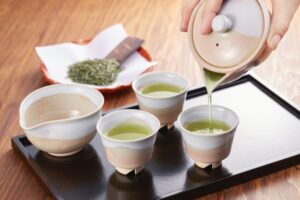
Gyokuro is also made from shade-grown leaves. Like sencha, the leaves are steamed, rolled, and dried, but the shading period helps create a sweeter, more umami-rich character.
Hojicha
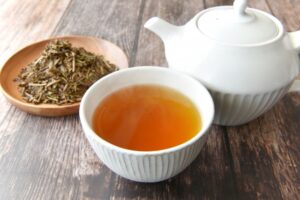
Hojicha is made by roasting tea leaves or stems. Roasting changes both the color and flavor, producing the warm, toasted aroma that makes hojicha very different from sencha.
Genmaicha
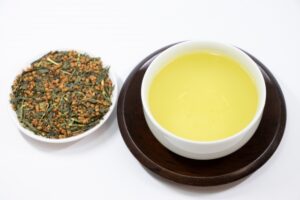
Genmaicha is green tea blended with roasted rice. The rice adds a nutty, toasted character while the tea remains the base of the drink.
These teas may all appear under the broad label of Japanese green tea, but their differences become much clearer once you look at how they are made and how they are prepared.
How Does Sencha Fit Into Everyday Life in Japan?
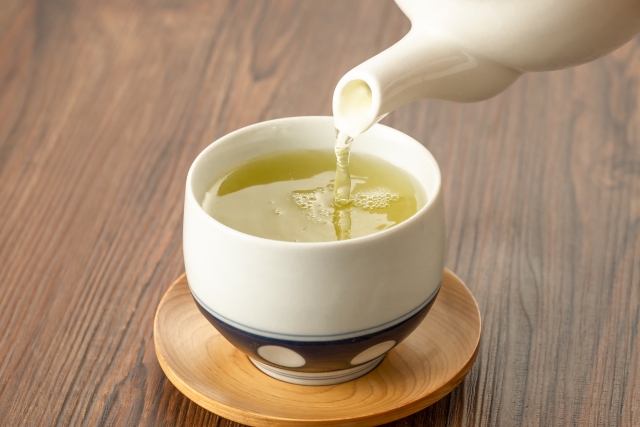
Sencha is familiar in Japan, but that does not mean everyone drinks it every day.
Some people regularly brew loose-leaf green tea at home.
Others mostly drink bottled green tea.
Some prefer coffee in the morning, black tea with sweets, mugicha in summer, or hojicha later in the day.
Others may rarely drink green tea at all.
People choose drinks for many reasons:
- the food they are eating
- the time of day
- the season
- caffeine
- price
- convenience
- habit
- mood
Usually, these choices are not made according to strict rules.
Someone may simply feel that green tea suits anko, coffee suits cake, or hojicha sounds better after dinner.
That ordinary flexibility is part of modern Japanese tea culture.
Sencha does not need to dominate every meal or every day to remain culturally important.
It is familiar because it continues to fit naturally into many everyday situations.
When Does Sencha Feel Like a Natural Choice?
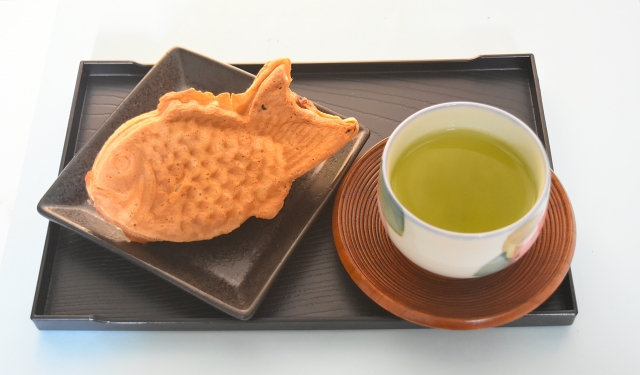
Sencha often feels especially at home with Japanese food and sweets.
Anko sweets are one obvious example.
The sweetness of red bean paste works well with the freshness, bitterness, and astringency of green tea. Manju, yokan, mochi, and other traditional sweets are commonly enjoyed this way.
Rice crackers are another easy match.
Their saltiness, toasted aromas, and sometimes soy-sauce-based flavors work comfortably with sencha.
Green tea can also feel natural with an ordinary Japanese meal or after eating.
But it is not the automatic choice for every food.
With a cream cake or pastry, many people may prefer coffee or black tea instead.
That does not mean sencha cannot be paired with Western sweets. It simply means that everyday habits are often more intuitive than theoretical.
People usually drink what feels right with the food in front of them.
Do Japanese People Always Use a Kyusu?
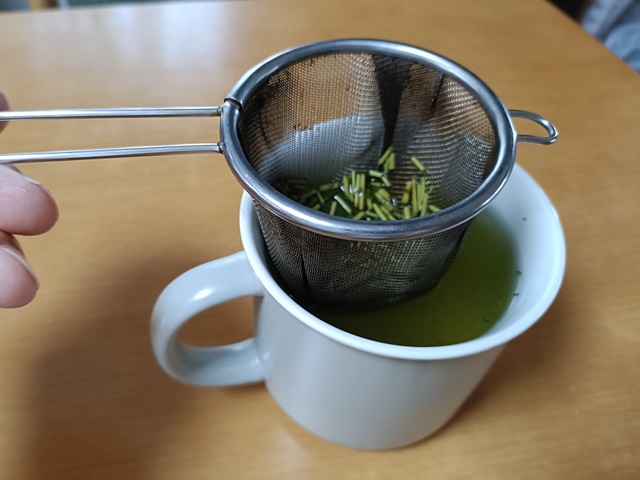
A simple everyday way to brew sencha.
No.
A kyusu is a traditional and very useful Japanese teapot, especially when brewing several small cups or paying closer attention to the tea.
But everyday tea does not always involve a teapot.
A simple method is to place a tea strainer over or inside a mug, add loose-leaf sencha, pour in hot water, wait briefly, and remove the strainer.
That makes one cup with very little cleanup.
Tea bags are even easier.
And bottled green tea requires no brewing at all.
These methods are not somehow less authentic.
They show that tea habits adapt to ordinary schedules.
Sometimes the best brewing method is simply the one that makes you actually drink the tea.
How Is Sencha Stored at Home?
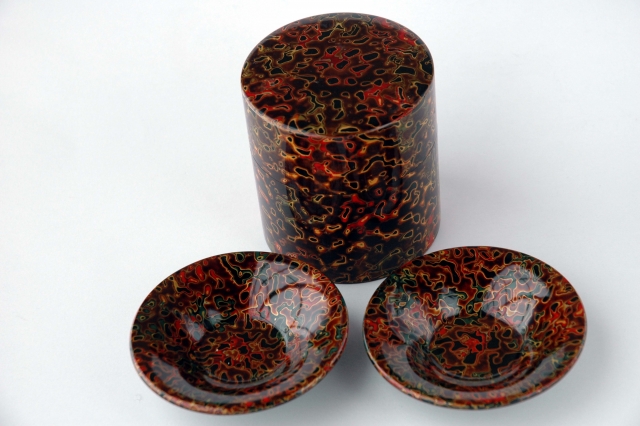
Loose-leaf green tea is sensitive to moisture, light, air, heat, and surrounding odors.
For that reason, tea is often kept in a tightly closed container.
In Japan, a traditional tea canister is called a chazutsu.
Some chazutsu are beautiful handmade objects made by skilled craftspeople.
But many household tea canisters are much simpler.
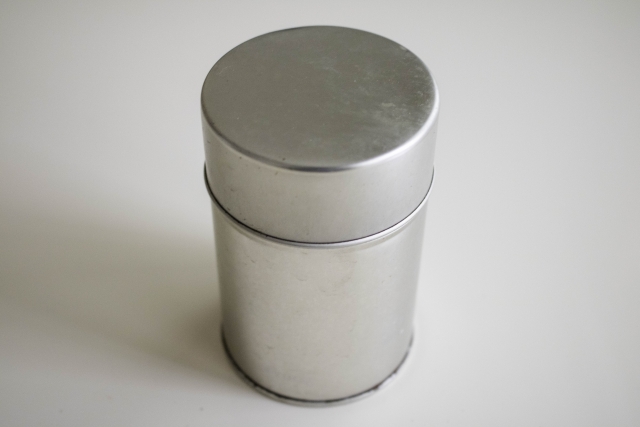
A simple everyday tea canister.
A plain metal canister may sit in the kitchen or cupboard for years, opened whenever someone wants tea and closed again afterward.
It can become so ordinary that people barely notice it.
Yet this humble container tells us something important.
Everyday tea culture depends not only on tea leaves and teapots, but also on the quiet objects that make tea easy to keep and use.
How to Brew Sencha Without Making It Too Bitter
Sencha can become very technical if you want it to. You can carefully control leaf weight, water volume, temperature, and brewing time.
For beginners, however, it is more useful to understand what each adjustment actually does.
Start with Water Around 70–80°C (158–176°F)
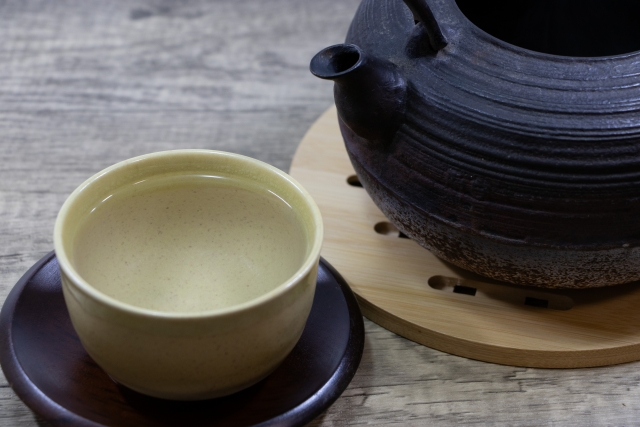
Hot water extracts bitterness and astringency more strongly. Using slightly cooler water makes it easier to notice the softer sweetness and umami of sencha.
This is why 70–80°C (158–176°F) is a useful starting range for many sencha teas.
If you do not have a thermometer, pour freshly boiled water into a cup or another vessel first and let it cool briefly before brewing.
Use Enough Tea to Give the Cup Some Character
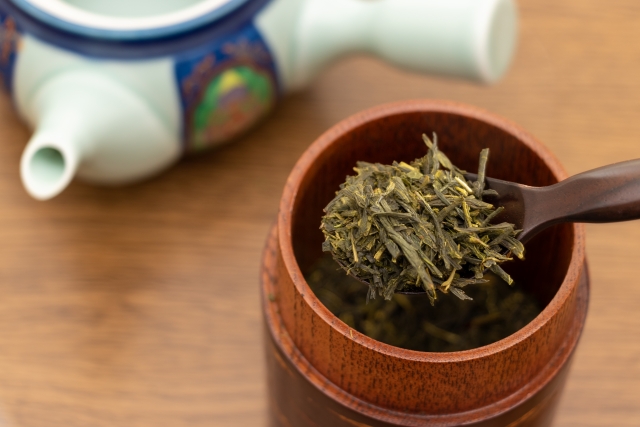
Too little tea can produce a thin cup, even if the water temperature and brewing time are right.
You do not need to measure every leaf precisely, but use enough loose-leaf sencha to give the water a clear green-tea flavor. Once you become familiar with the tea, you can adjust the amount to suit your own taste.
Keep the First Steep Short
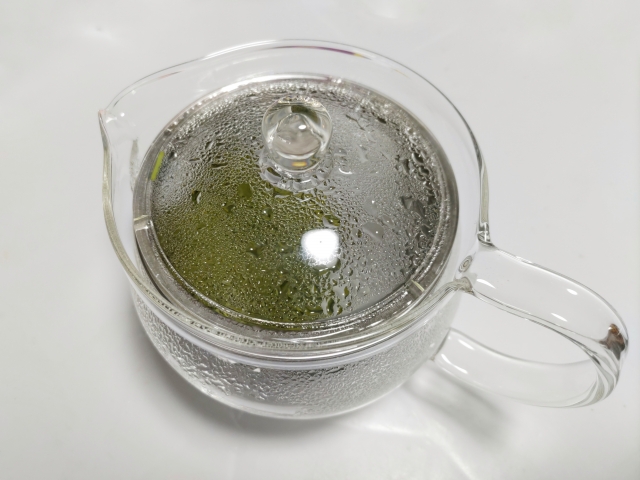
A brewing time of roughly 30–60 seconds is a practical place to begin.
Leaving the leaves in the water for too long can make bitterness and astringency much stronger, especially when the water is relatively hot.
After the first cup, adjust one thing at a time. If the tea tastes too harsh, try cooler water or a shorter steep. If it feels too weak, use a little more tea or brew it slightly longer.
These are starting points, not strict rules. Different sencha responds differently, and personal preference matters.
The goal is not to produce a perfect cup according to a textbook.
It is to find a cup you enjoy.
Why Does Water Temperature Matter?
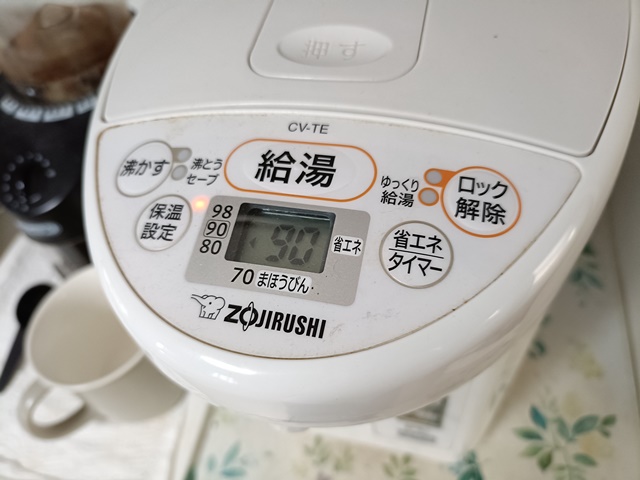
Different water temperatures can change how sencha tastes.
Sencha naturally contains compounds that contribute bitterness, astringency, sweetness, and umami.
Hotter water tends to extract bitter and astringent components more strongly.
Cooler water can produce a softer cup in which sweetness and umami are easier to notice.
That is why lowering the water temperature is often the easiest adjustment when sencha tastes too harsh.
This does not mean hot water is always wrong.
Some people prefer a stronger cup, and some teas are brewed hotter depending on the desired result.
Sencha is flexible enough to allow experimentation.
How Is Sencha Made?
Sencha is made through several stages that stop oxidation, shape the leaves, and gradually remove moisture.
The exact process varies among producers, but the basic flow is easy to understand.
1. The Tea Leaves Are Harvested
Young tea leaves are picked from the tea plants, usually during one of Japan's seasonal harvest periods.
Once harvested, the leaves begin changing quickly, so processing starts soon afterward.
2. The Leaves Are Steamed
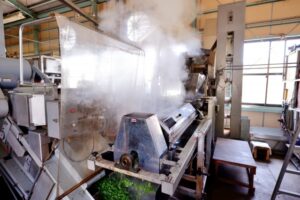
Fresh tea leaves are steamed soon after harvest.
The fresh leaves are heated with steam to stop oxidation.
This steaming step is one of the defining features of sencha production and helps preserve the fresh green character associated with Japanese green tea.
The steaming time can vary. Lightly steamed sencha tends to keep more of the original leaf shape, while deep-steamed sencha, known as fukamushi sencha, becomes softer and more broken during later processing.
3. The Leaves Are Rolled While They Dry
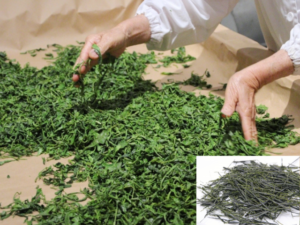
After steaming, the leaves go through several stages of rolling and drying.
Rolling gradually removes moisture, shapes the leaves, and helps create the narrow, needle-like appearance associated with many sencha teas.
This is not a single quick step. The leaves are repeatedly worked and dried until they reach the proper condition for storage and finishing.
4. The Tea Is Dried and Finished
After rolling, the tea is dried further so it can be stored safely.
At this stage, the tea may still go through sorting, blending, and final finishing before it reaches the form sold to consumers.
The result is the loose-leaf green tea we recognize as sencha.
Although the process sounds technical, the basic idea is simple: harvest, steam, roll, and dry.
Why Does Matcha Represent Japanese Tea Abroad?
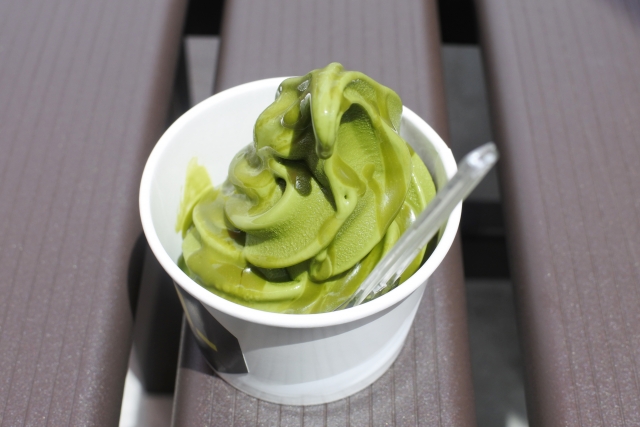
Outside Japan, matcha is often the most visible symbol of Japanese green tea.
Its bright color, powdered form, connection with tea ceremony, and use in lattes, desserts, and other modern foods make it easy to recognize.
But that visibility can create a slightly incomplete picture of Japanese tea culture.
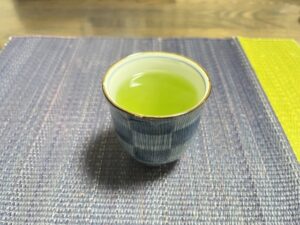
Sencha is much less dramatic. It is simply brewed from leaves, poured into a cup, and often enjoyed without much ceremony at all.
That contrast is useful. Matcha shows one important side of Japanese tea culture, while sencha helps reveal another: the quieter world of tea as an ordinary part of home life.
What Sencha Reveals About Japanese Tea Culture
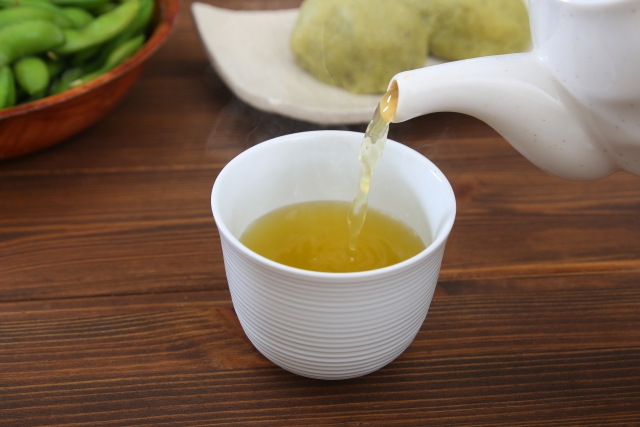
Sencha is easy to romanticize.
It can be brewed in beautiful pottery, produced from carefully selected cultivars, and discussed in great technical detail.
All of that is real.
But tea culture is also a metal tea canister that has sat in the cupboard for years.
It is a mug and strainer used because washing a teapot feels unnecessary.
It is green tea with anko one day and coffee with cake the next.
Traditions do not survive only because people treat them as special.
Sometimes they survive because they remain useful, familiar, and easy to fit into ordinary life.
That may be the most revealing thing about sencha.
It is not the only tea Japanese people drink.
It does not need to be.
Its place in Japan comes from being familiar enough to remain one natural choice among many.
Author's Note
I have used the same simple metal tea canister at home for years.
I rarely look at it and think of it as an example of "Japanese tea culture." It is simply where the tea leaves are.
When I want green tea with a meal, I often use a mug and a tea strainer because it is easier than taking out a teapot.
That is probably why sencha can be difficult to explain from inside Japan.
The most ordinary parts of a culture are often the things people notice least.
They are simply there.
FAQ
Is sencha the same as green tea?
Sencha is one type of green tea. Japanese green tea also includes matcha, gyokuro, hojicha, genmaicha, bancha, and many other styles.
Is sencha the same as matcha?
No. Sencha is brewed from loose leaves that are removed before drinking. Matcha is finely ground tea powder that is whisked into water and consumed with the drink.
Do Japanese people drink sencha every day?
Some do, but many do not. People in Japan also drink coffee, black tea, mugicha, hojicha, rooibos tea, and many other beverages.
Why does my sencha taste bitter?
Some bitterness and astringency are natural. Very hot water or a long brewing time can make them stronger. Try slightly cooler water or a shorter steep.
What temperature should I use for sencha?
Use water around 70–80°C (158–176°F) as a useful starting point for many sencha teas. Adjust the temperature according to the tea and your preferred balance of sweetness, umami, bitterness, and astringency.
Do I need a kyusu to brew sencha?
No. A kyusu is useful and traditional, but a mug with a removable tea strainer works well for an everyday cup.
Is sencha sweetened in Japan?
Loose-leaf sencha is normally drunk without sugar or milk in Japan. Bottled Japanese green tea is also commonly sold unsweetened.
Can I drink sencha at night?
You can, but sencha contains caffeine. Some people choose another drink later in the day depending on their habits, sensitivity, food, or mood.
What foods go well with sencha?
Anko sweets, wagashi, rice crackers, and many Japanese meals are natural pairings. But beverage choices are personal, and coffee or black tea may feel more natural with some Western-style sweets.
Related Reading on YUNOMI
What Is Japanese Green Tea? Types, Culture, and Everyday Tea in Japan
A broader introduction to the major styles of Japanese green tea and how they fit into everyday life in Japan.
What Is Hojicha? Japan’s Roasted Green Tea with a Toasted Aroma
Learn how roasting transforms Japanese green tea and why hojicha has a very different flavor and everyday role from sencha.
How to Make Japanese Green Tea Truly Taste Good
Go deeper into how water temperature, brewing time, and preparation change the flavor of Japanese green tea.
The Beauty and Functionality of the Japanese Tea Caddy
Explore the chazutsu and why tea storage matters for keeping loose-leaf green tea fresh at home.

