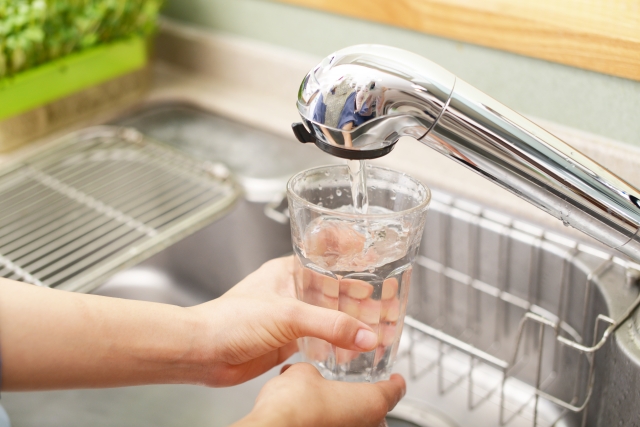
Tap water in Japan is generally safe to drink, and many travelers are surprised by how normal that feels in everyday life.
You don’t have to rely on bottled water, and even public taps are typically fine.
At the same time, Japan also has a curious everyday pattern: even though the water is drinkable, many people still choose filters at home—or buy bottled water anyway.
This article explains what makes Japanese tap water drinkable, why it often tastes “soft,” and what that small “filter culture” reveals about daily life in Japan.
Is Tap Water Safe to Drink in Japan?
In general, yes—tap water in Japan is safe to drink in most places.
For travelers, the practical takeaway is simple: you can usually drink from the sink without worry.
Many locals drink tap water as a normal part of daily life.
It is not treated as a special “survival tip,” but as a quiet baseline assumption: clean water is expected.
What About Hotels and Public Places?
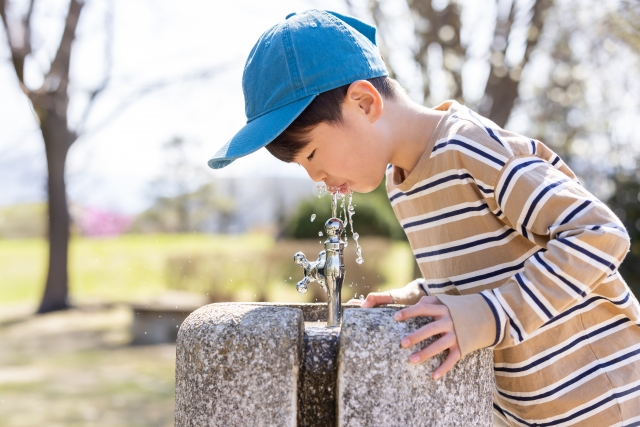
Public drinking fountains and park taps are generally safe to use in Japan.
In most situations, tap water is safe.
- Hotels: generally safe, especially in modern buildings
- Older accommodations: usually safe, though taste may vary depending on pipes
- Public taps and fountains: typically safe in cities, parks, and stations
From a safety perspective, even water from a park tap is usually not a problem.
If you are sensitive to taste or prefer extra reassurance, boiling water or choosing bottled water is also an easy option.
Does Japanese Tap Water Taste Different?
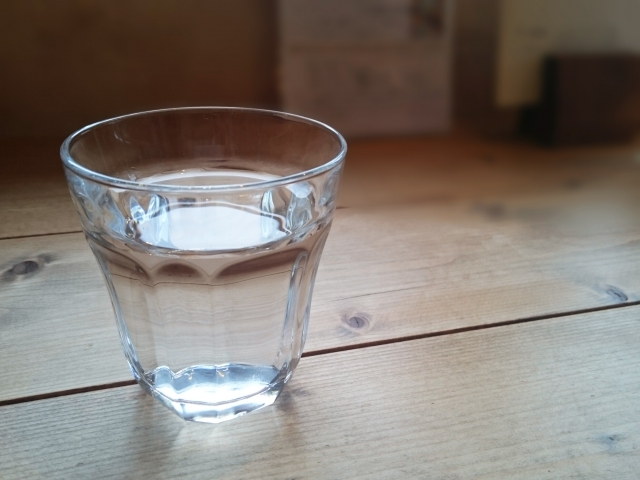
Many visitors describe Japanese tap water as “soft” and mild in taste.
Many visitors notice that Japanese tap water tastes “soft” or “light.”
This is often explained through mineral content:
- Soft water: lower mineral content, smoother taste
- Hard water: higher mineral content, stronger taste (sometimes “chalky” to newcomers)
People from hard-water regions may find Japanese water surprisingly mild at first.
But this mildness fits the overall flavor profile of Japanese daily meals.
Why Soft Water Matters in Japanese Food Culture
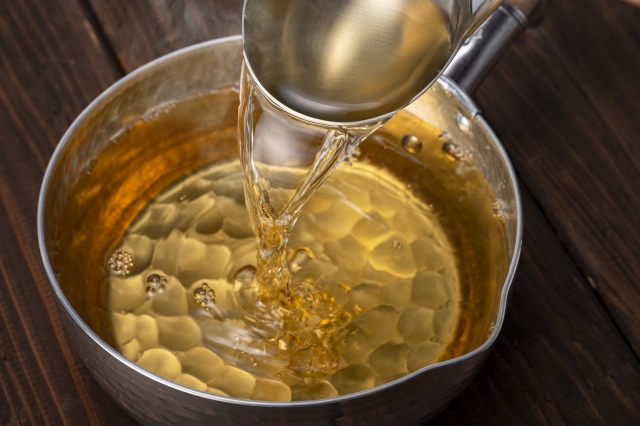
Soft water helps extract delicate flavors in dashi, tea, and many Japanese foods.
Soft water supports flavors that are central to Japanese cooking.
- Dashi can taste cleaner and more delicate
- Green tea often becomes smoother and less harsh
- Tofu and some noodles are associated with subtle textures that pair well with soft water
In other words, water does not just hydrate.
It quietly helps shape what “good taste” feels like in everyday Japanese food.
<
Why Many Japanese People Still Use Water Filters
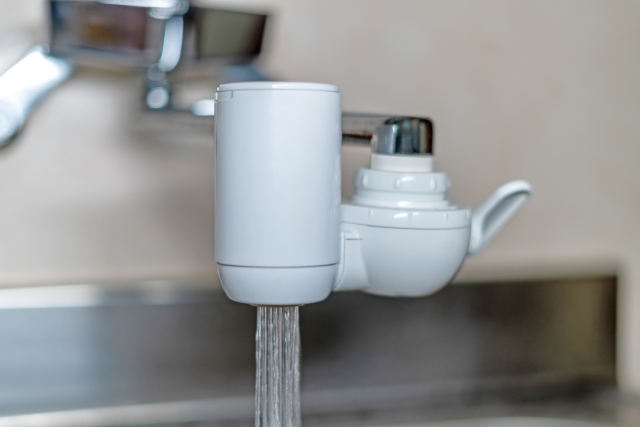
Many households filter tap water for taste and reassurance, not because it is unsafe.
Here is the small cultural twist: even though tap water in Japan is drinkable, many households still use water filters.
Most of the time, this is not about safety—it is about comfort.
Some people want to reduce the faint smell of chlorine. Others feel more at ease in older buildings, where plumbing (and in some apartments, shared water tanks) can affect taste or create worries about tiny particles.
Filters are also common in homes with babies or elderly family members, not because tap water is “dangerous,” but because an extra layer of reassurance feels worth it for something used every day.
And sometimes it is simply about flavor: many people believe filtered water makes tea, coffee, and cooking taste a little cleaner.
Personally, I doubt most people could reliably tell the difference in a blind test.
Restaurants often serve tap water, and it tastes perfectly fine.
Still, choosing a filter fits a familiar Japanese habit: when something is already good enough, people often try to make it just a little more comfortable for daily life.
City Water vs. Countryside Water: A Subtle Difference
Tap water taste can vary depending on where you are.
In large cities, the water may feel slightly “sharper” or more noticeable in smell—especially to people who grew up in rural areas.
Someone used to countryside water might drink city tap water and think, “This tastes worse.”
The difference is usually subtle, but it helps explain why some people choose filters even when the water is safe.
They are not reacting to danger—they are reacting to comfort, habit, and expectations.
Why Do People Buy Bottled Water If Tap Water Is Drinkable?
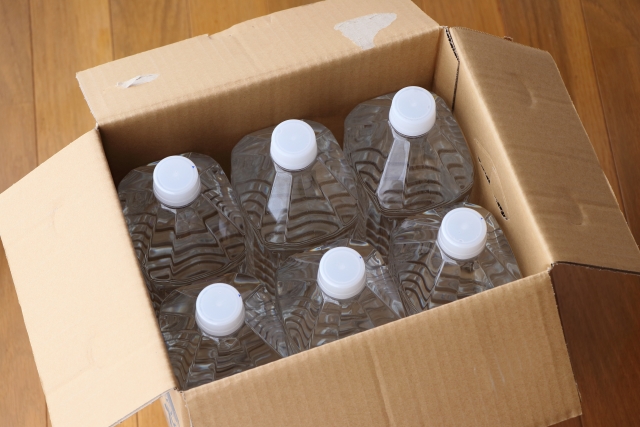
Even with safe tap water, some people still buy bottled water for convenience or preference.
Japan is famous for drinkable tap water.
And yet many Japanese people still buy bottled water for daily drinking.
This is not always a sign of distrust.
Often, bottled water is purchased for convenience (stocking at home, carrying during commuting, keeping in the office), for taste preference, or simply because it is an easy default choice.
In other words, “tap water is safe” and “bottled water sells” can both be true at the same time.
What looks like a contradiction is actually a reflection of modern life: people optimize for comfort, routine, and small personal preferences—especially for something they consume every day.
Q&A: Tap Water in Japan

Is it safe to drink tap water in Japan?
In general, yes.
Most travelers can drink tap water in Japan without worry.
Is hotel tap water safe in Japan?
Usually, yes.
In older buildings, taste may vary depending on pipes, but the water is generally drinkable.
Is it safe to drink water from a public tap in a park?
In most cases, yes.
Public taps are typically connected to the same safe water system.
If tap water is safe, why do people use filters or buy bottled water?
Mostly for comfort: taste preference, reducing chlorine smell, peace of mind in older buildings, or simple convenience.
More Than “Safe to Drink”
Tap water in Japan is a small but meaningful part of daily life.
For travelers, it is a practical comfort: you can refill and drink without stress.
And the fact that many people still choose filters or bottled water reveals something else—how everyday life in Japan often aims not only for “safe,” but for “slightly more comfortable” in daily routines.
Author’s Note
I grew up in Japan where drinking tap water is simply normal, so I rarely thought about it until I saw how surprising it can feel to visitors.
On YUNOMI, I try to translate these “invisible basics” of Japanese daily life in a way that feels practical and respectful—without turning culture into stereotypes.

