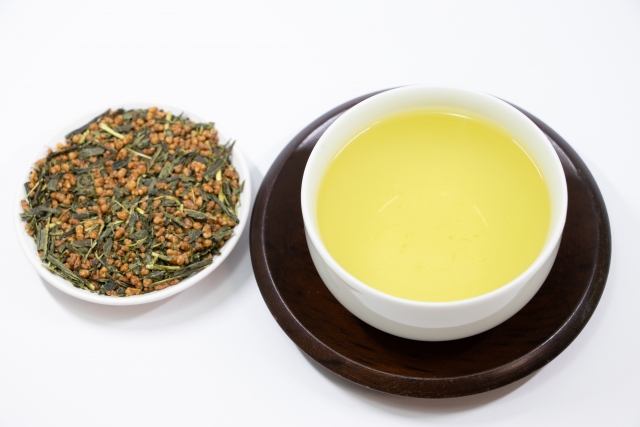
Green tea mixed with roasted rice may sound unusual if you've never tried it before. But in Japan, this combination has its own name: genmaicha.
Its most recognizable feature isn't one fixed flavor, but its aroma.
The roasted rice gives genmaicha a warm, toasted fragrance that can remind you of browned rice, rice crackers, or roasted grain. The tea underneath can vary.
Some genmaicha is made with bancha, others with sencha, deep-steamed tea, or stems, and matcha may also be added.
That makes genmaicha more flexible than its simple name suggests.
Once you look closely, a few questions naturally come up. Why is rice mixed with tea? Are those white pieces popcorn? And if genmai means brown rice, does genmaicha actually have to use brown rice?
The answers reveal that genmaicha is less about one strict recipe and more about the relationship between roasted rice and tea.
Quick Summary
- Genmaicha is Japanese tea blended with roasted rice.
- The tea base can vary, including bancha, sencha, deep-steamed tea, or stem tea.
- Roasted rice may make up a surprisingly large part of the blend.
- Despite the name genmaicha, the rice used is not always whole-grain brown rice.
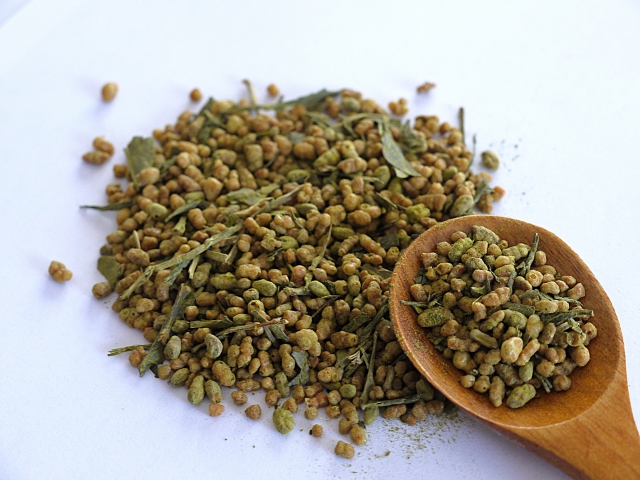
- The white pieces that look like popcorn are grains of rice that expanded during heating.
- Genmaicha is recognized first by its warm roasted-rice aroma.
- Matcha-iri genmaicha adds matcha for deeper color, more body, and a stronger tea character.
- Genmaicha contains caffeine because it contains tea.
- It is best enjoyed fairly fresh, since the roasted-rice aroma is one of its main attractions.
What Is Genmaicha?
Genmaicha is a Japanese tea made by combining tea with roasted rice.
The tea portion varies depending on the product. Bancha and sencha are common, but other Japanese teas can also be used.
The rice isn't simply sprinkled into finished tea as decoration. It is prepared separately, often through steps such as soaking, steaming, drying, and roasting.
Different producers may use regular Japanese rice, glutinous rice, or brown rice.
The important part is the roasting. It gives the rice its warm, nutty fragrance and shapes the character of the whole cup.
In many blends, the rice also makes up a substantial portion. Tea and roasted rice may appear in roughly similar proportions.
So genmaicha is better understood as roasted rice plus a chosen tea base, rather than green tea with a little rice added.
Why Is It Called Genmaicha If the Rice Isn't Always Brown Rice?

The word genmai normally means brown rice in Japanese, which makes the name slightly confusing.
You might reasonably expect every grain in genmaicha to start as whole-grain brown rice. But that isn't always how it is made.
Producers may use polished rice as well as brown rice, depending on the product and method. Once the rice has been prepared and roasted, it usually looks golden or brown anyway.
So the important distinction isn't what color the rice was before roasting.
What matters is that roasted rice is blended with tea to create the familiar aroma we associate with genmaicha.
In that sense, genmaicha works better as the established name of a tea style than as a literal ingredient list.
Are the White Pieces in Genmaicha Popcorn?

They may look like tiny pieces of popcorn, but there's no corn involved.
During heating, some grains of rice expand or burst. These become the pale, puffed pieces you sometimes see mixed among the darker roasted rice and tea leaves.
That appearance is one reason genmaicha is sometimes informally nicknamed "popcorn tea" in English.
The darker grains are roasted rice that stayed more compact, while the pale pieces are grains that expanded under heat.
Together with the tea leaves, they give genmaicha its distinctive appearance.
What Does Genmaicha Taste and Smell Like?

The aroma is usually what people notice first.
Genmaicha has a warm, roasted fragrance that may remind you of toasted grain, rice crackers, or slightly browned rice.
The flavor underneath depends on the tea used.
A sencha-based genmaicha may still have a fresh, green character. Bancha can create a lighter, simpler cup, while deep-steamed tea may add more body. Stem tea can make the flavor feel softer.
That is why it is difficult to say that all genmaicha has one exact taste.
The roasted-rice aroma is the common thread.
A simple way to describe it is: warm roasted aroma, light tea character, and a clean finish.
For people who find some Japanese green teas too grassy or sharp at first, this can make genmaicha feel approachable.
That doesn't mean it is a weaker version of green tea. It is simply built around a different balance.
What Kinds of Genmaicha Are There?

The roasted rice remains the central feature, but the tea blended with it can change considerably.
That is why one genmaicha may taste noticeably different from another.
Sencha genmaicha
— fresh and balanced, with roasted rice softening sencha's greener character.
Bancha genmaicha
— light and straightforward, often associated with everyday tea.
Fukamushi genmaicha
— made with deep-steamed tea, giving the cup more body and a deeper green character.
Kukicha or karigane genmaicha
— using stems as part of the tea base, often creating a softer or slightly sweeter impression.
Matcha-iri genmaicha
— genmaicha with matcha added for more color, body, and tea intensity.
What Is Matcha-iri Genmaicha?

Matcha-iri genmaicha adds matcha to the blend.
The roasted rice still provides its familiar toasted aroma, but the matcha changes the balance of the cup.
It typically brightens the color, adds body, and gives the tea a rounder, richer character. This can be especially noticeable because ordinary genmaicha can be quite light.
Rather than replacing the roasted-rice aroma, the matcha strengthens the tea side of the blend alongside it.
This isn't a matter of one version being better than the other.
It is simply a different balance, and a good example of how much room genmaicha has for variation while roasted rice remains the common feature.
Where Did Genmaicha Come From?

You may come across stories claiming that genmaicha was invented when people mixed rice with expensive tea leaves to make them last longer.
This explanation gets repeated often, but genmaicha's exact origin isn't firmly established, and several different stories exist.
Rather than treating one origin story as proven fact, it is safer to say that genmaicha became associated with an inexpensive, practical style of everyday tea.
Today, though, it isn't simply a cheaper substitute for more expensive tea.
People choose genmaicha because they like its roasted-rice aroma.
The rice is not something to apologize for. It is the reason the tea exists.
How Should You Brew Genmaicha?
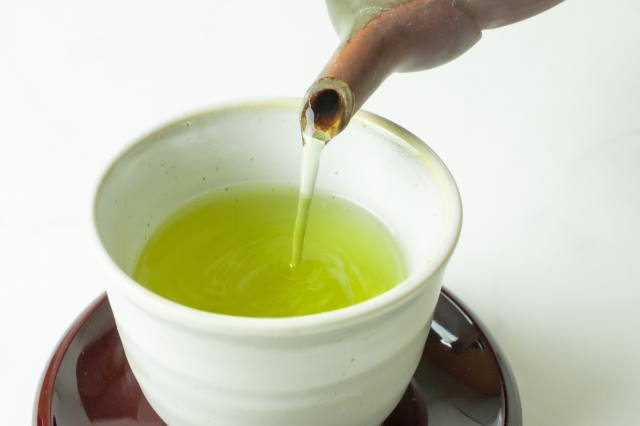
Genmaicha is generally easy to brew.
Because roasted rice responds well to heat, fairly hot water helps bring out the aroma that defines the tea.
As a starting point, try:
- Tea: about 3–5 g
- Water: about 200–240 ml (7–8 oz)
- Temperature: around 80–90°C (176–194°F)
- Time: about 30 seconds to 1 minute
These are guidelines rather than strict rules.
Hotter water tends to bring out the roasted-rice fragrance more. If the tea becomes too bitter or astringent, try a slightly lower temperature or a shorter steep.
The tea base still matters. A genmaicha made with sencha may respond differently from one based on bancha or stems.
So there is no single perfect brewing rule for every genmaicha.
You don't need laboratory precision. The goal is simply to bring out the aroma without overextracting the tea underneath.
Does Genmaicha Have Less Caffeine?

Genmaicha contains tea, so it contains caffeine.
It is sometimes described as a lower-caffeine tea because part of the blend consists of rice rather than tea leaves. That idea can make sense in some cases.
But it does not mean every cup of genmaicha has a predictable low caffeine level.
The amount depends on the type of tea used, the ratio of tea to rice, how much of the blend you use, brewing temperature and time, and whether matcha has been added.
For that reason, it is better not to assume that genmaicha is automatically caffeine-free or suitable as a nighttime tea.
What Foods Go Well with Genmaicha?
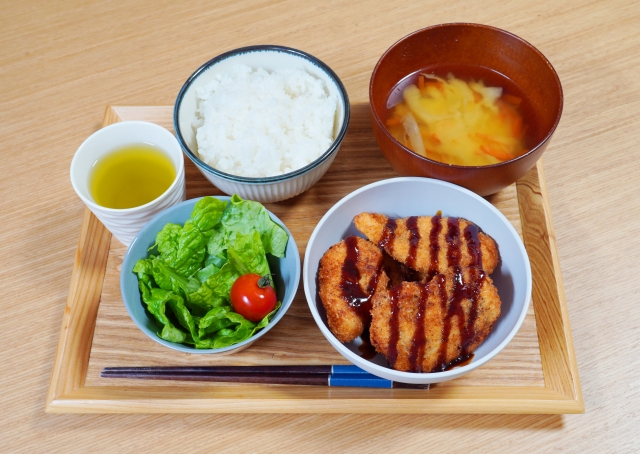
Genmaicha is comfortable around food.
Its roasted aroma works naturally with rice dishes, soy sauce, grilled flavors, rice crackers, pickles, and simple Japanese side dishes.
It can also pair well with Japanese sweets when you want something less grassy than straight sencha.
But genmaicha does not need to stay within Japanese cuisine.
Because it is light, unsweetened, and roasted rather than floral or heavily bitter, it works easily as a table tea with many everyday meals.
It does not demand a special occasion.
How Should You Store Genmaicha?
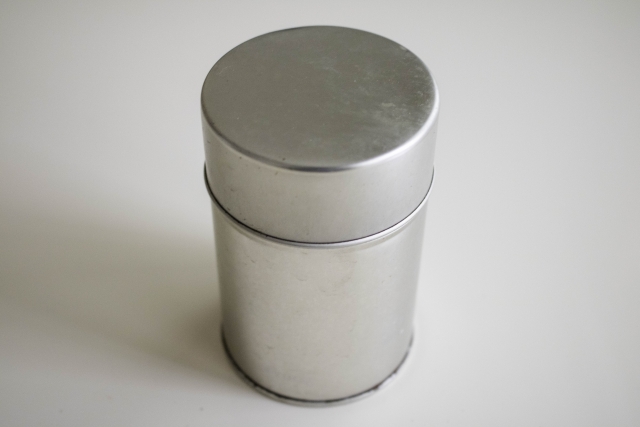
With genmaicha, you are protecting two things at once: the freshness of the tea and the fragrance of the roasted rice.
Air, humidity, heat, sunlight, and strong surrounding smells can all reduce quality.
Keep genmaicha tightly sealed in an airtight container, somewhere cool, dry, and dark, and away from strong-smelling foods or spices.
Once opened, it is better to drink it reasonably soon rather than keep it for a long time.
The roasted rice can lose fragrance, and moisture can dull the character of the blend.
The aroma of the rice is one of the main reasons to drink genmaicha in the first place.
Is Genmaicha an Everyday Tea in Japan?
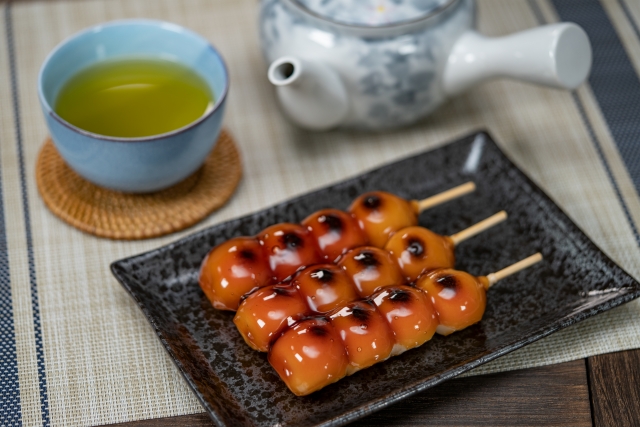
Genmaicha belongs comfortably in the world of casual Japanese tea drinking.
That does not mean every household keeps it at home.
Some people prefer sencha. Others reach for hojicha, mugicha, bottled tea, or whatever happens to be convenient.
Genmaicha is simply one familiar option among many.
It can be brewed in a teapot, prepared from a tea bag, or served with an ordinary meal, without any need for a special setting.
That everyday character is part of what sets it apart from the more ceremonial image Japanese tea sometimes has overseas.
What Does Genmaicha Reveal About Japanese Tea?

Genmaicha shows that Japanese tea isn't always about finding one perfect leaf or one pure flavor.
Sometimes the character comes from blending.
Roasted rice brings aroma. The tea base brings freshness, body, bitterness, sweetness, or depth. Matcha may add color and richness.
Different combinations create different versions of the same basic idea.
That is why genmaicha is difficult to define by one fixed taste.
But it is easy to recognize by what comes first:
the aroma of roasted rice.
Perhaps that is the simplest way to understand this tea—not green tea with a little rice added, but a Japanese blended tea built around roasted rice.
Author’s Note
When I think of genmaicha, I don't remember one specific flavor as clearly as I remember the aroma.
That warm roasted-rice smell is what makes it instantly recognizable to me. The tea underneath can change, but the fragrance is what makes me think, "This is genmaicha."
It is also the kind of tea that feels very ordinary in a good way.
It does not need special equipment, a formal setting, or careful preparation. You can simply brew it and drink it with a meal.
For me, that is part of its appeal.
Genmaicha is not trying to be a luxurious tea. Its charm comes from how naturally roasted rice and tea fit together.
FAQ
Is genmaicha green tea?
Usually, yes. Genmaicha is commonly made by blending Japanese green tea with roasted rice, although the tea base can vary between products.
Is genmaicha always made with brown rice?
No. Despite the name genmaicha, producers may use polished rice as well as brown rice.
Is the white stuff in genmaicha popcorn?
No. The pale pieces are grains of rice that expanded or burst during heating.
What does genmaicha taste like?
The exact flavor depends on the tea base, but genmaicha is usually recognized by its warm roasted-rice aroma and relatively light tea character.
Does genmaicha contain caffeine?
Yes. Genmaicha contains caffeine because it contains tea. The amount varies depending on the blend and brewing method.
What is matcha-iri genmaicha?
Matcha-iri genmaicha is genmaicha with matcha added. The matcha usually gives the tea a brighter green color, more body, and a stronger tea character.
How should genmaicha be stored?
Keep it tightly sealed in a cool, dry, dark place away from strong odors. Because the roasted-rice aroma is an important part of the tea, it is best enjoyed reasonably soon after opening.
Related Reading on YUNOMI
What Is Japanese Green Tea?
Start here for an overview of the major types of Japanese green tea and how they differ.
What Is Sencha?
Learn about one of Japan's most familiar steamed green teas and how its fresh character differs from genmaicha.
What Is Hojicha?
If you enjoy roasted aromas, hojicha shows what happens when the tea itself—not the rice—is roasted.
How to Brew Japanese Green Tea
See how water temperature and brewing time change different Japanese teas.

