
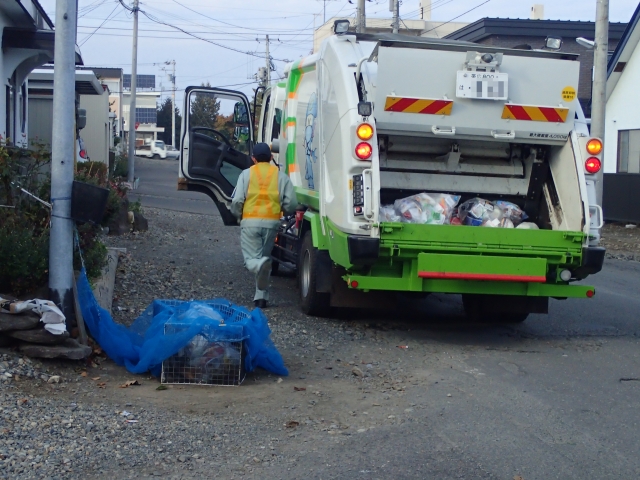
Garbage disposal in Japan works not simply because of strict rules, but because it functions as a shared social system.
Japan’s famously clean streets are not maintained by constant enforcement or punishment.
Instead, they are supported by an everyday system that quietly coordinates individual behavior, community trust, and urban life.
This article explains why garbage disposal in Japan works as a social system—and why it can feel so difficult for outsiders to understand.
Garbage Disposal as Invisible Infrastructure
In many countries, garbage is treated as a purely personal matter.
You throw it away, and the system handles the rest.
In Japan, garbage disposal works differently.
Trash is not just something to be removed—it is something that must be processed smoothly within a shared living environment.
The garbage system is designed to keep neighborhoods quiet, clean, and predictable.
Collection points, schedules, and sorting rules function as invisible infrastructure that supports daily life without drawing attention to itself.
When garbage is disposed of incorrectly, it may simply be left uncollected.
This is not meant as punishment, but as feedback: the system cannot absorb the waste in its current form.
Why Sorting Is So Detailed
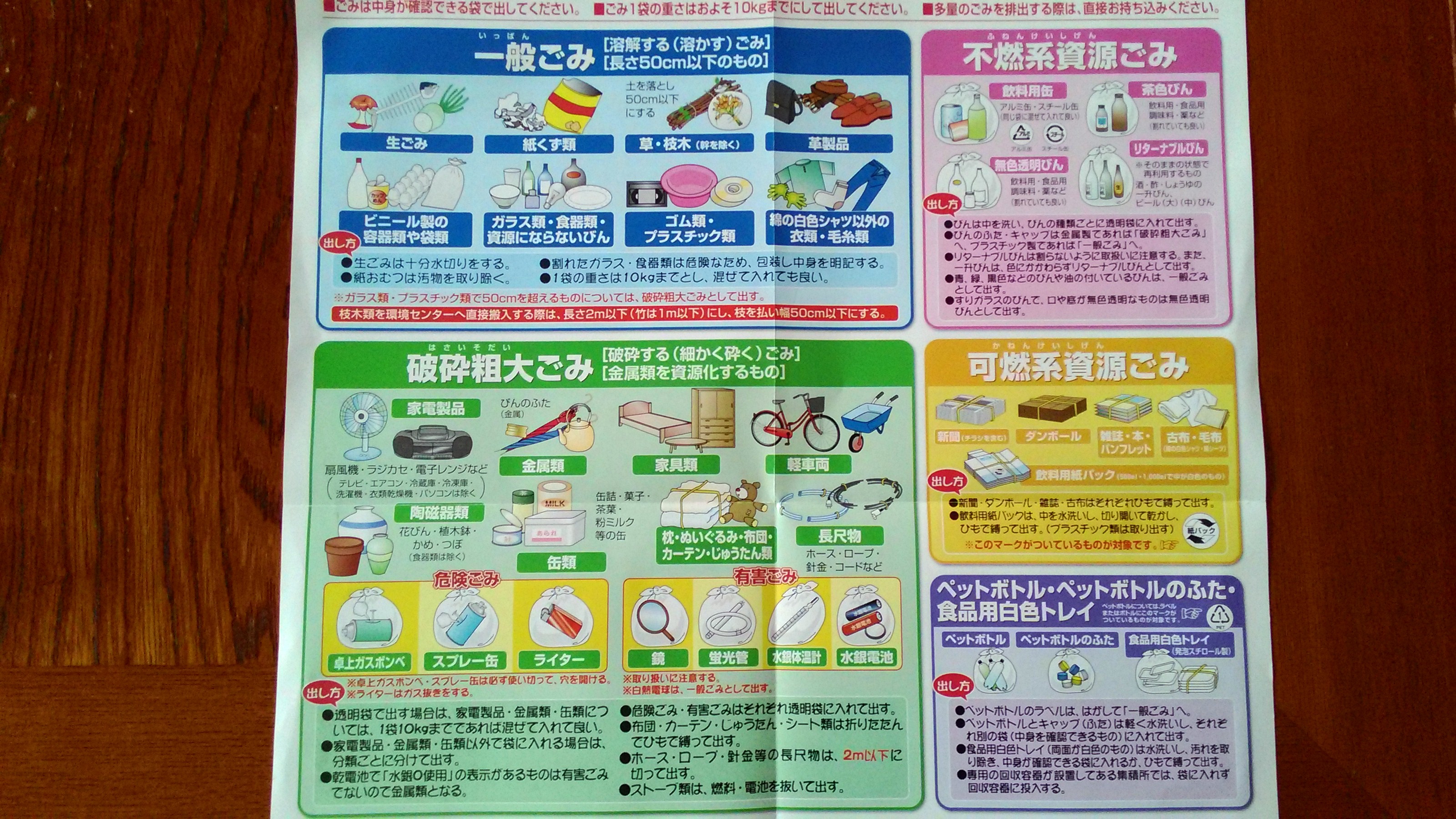
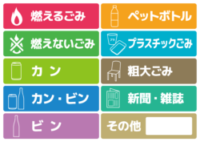
Japanese garbage separation rules often appear excessive to newcomers.
Burnable, non-burnable, plastics, recyclables, and oversized waste are separated with careful precision.
This level of detail is not driven by moral pressure.
It reflects how waste is processed downstream.
Incineration facilities, recycling plants, and collection logistics are designed with specific inputs in mind.
Sorting at the household level reduces friction later in the system.
Rather than relying on centralized labor to fix mistakes, Japan distributes small responsibilities across many people.
The result is a system that remains efficient, quiet, and predictable.
Designated Bags and Collection Schedules as Tools
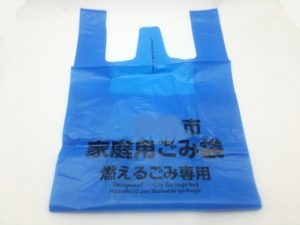
Designated garbage bags and strict collection schedules often feel restrictive.
However, they function less as rules and more as tools.
Designated bags make waste visible and standardized.
They help collection workers immediately identify the type and volume of garbage without opening bags or inspecting contents.
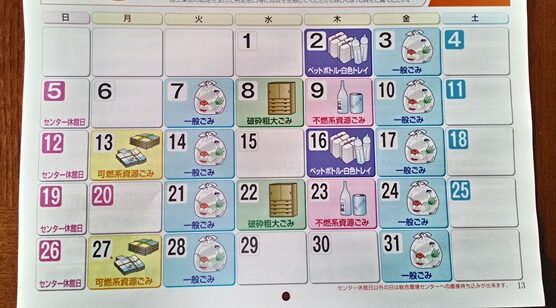
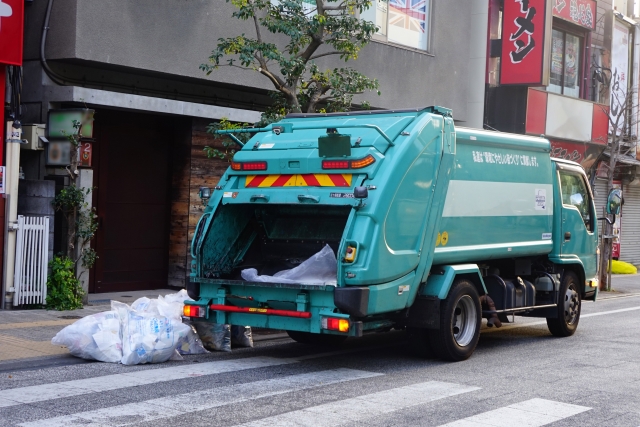
Scheduled collection days prevent garbage from accumulating in dense residential areas.
They reduce odors, pests, and visual clutter—important factors in closely packed neighborhoods.
These tools are designed to minimize daily friction rather than to enforce discipline.
Why the System Works Without Policing
One of the most striking aspects of Japan’s garbage system is the lack of enforcement.
There are few inspectors, no daily monitoring, and minimal penalties.
Yet the system works.
This is because responsibility is social rather than individual.
Garbage collection points are shared spaces.
If one person disrupts the system, the impact is felt by the entire neighborhood.
This shared visibility creates quiet pressure to cooperate.
People follow the rules not because they are watched, but because they live alongside others who rely on the system functioning smoothly.
Why This Feels Difficult for Foreigners
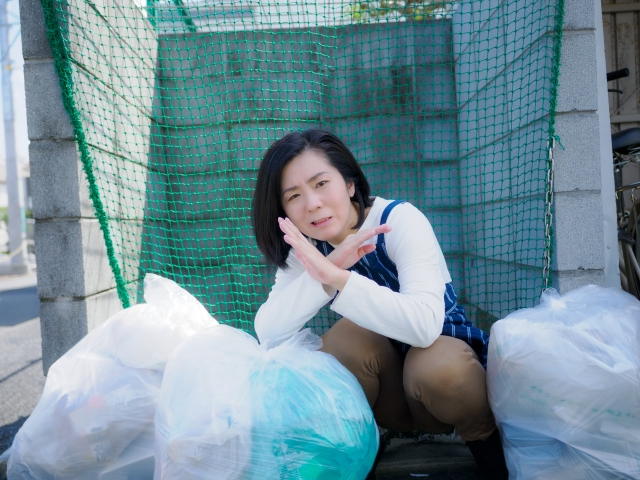
For many foreign residents and visitors, Japanese garbage rules feel overwhelming.
The difficulty is not the complexity of the rules themselves.
It is the underlying assumption that garbage disposal is a collective responsibility.
In cultures where waste is treated as a private matter, responsibility ends once trash is thrown away.
In Japan, responsibility continues until the system successfully absorbs it.
This difference in assumptions explains much of the confusion and frustration.
Q&A: Garbage Disposal as a Social System in Japan

Why is garbage sometimes left uncollected in Japan?
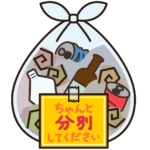
When garbage is left uncollected, it is usually not meant as punishment.
It signals that the waste does not fit the system in its current form—such as incorrect sorting, timing, or bag use.
Rather than correcting the mistake later, the system relies on this feedback to maintain smooth operation overall.
Is Japan’s garbage system strict because people don’t trust each other?
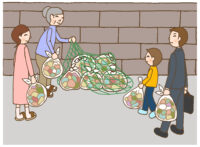
Actually, it works in the opposite way.
The system assumes cooperation rather than mistrust.
Because collection points are shared and visible, people follow the rules knowing that others depend on the system functioning properly.
Why are the rules different in every city?
Garbage rules reflect local processing facilities, population density, and logistics.
Instead of a single national standard, each municipality designs a system that best fits its own conditions.
This flexibility allows the overall system to remain efficient and sustainable.
Is this level of sorting really necessary?
From a technical perspective, simpler systems are possible.
However, Japan prioritizes reducing friction later in the process by distributing small responsibilities earlier.
The goal is not perfection, but predictability and long-term stability.
More Than Clean Streets
Japan’s garbage disposal system is not about perfection or strictness.
It is about maintaining a shared environment with minimal conflict.
Like many aspects of Japanese daily life, it works best when it goes unnoticed.
Garbage disposal functions as a social system—quietly supporting cleanliness, trust, and coexistence in everyday life.

