From seasonal presents to souvenirs brought back from travel, gifts move quietly through everyday life. They are part of a gentle system that keeps relationships comfortable and balanced.
This article explores how gift-giving in Japan works not as simple kindness, but as a subtle circulation of appreciation.
The Heart of Japanese Gift Culture: Balance Over Brilliance

A gift says, “I appreciate you.” It also quietly says, “I value this relationship.”
This reflects the Japanese idea of en — meaningful human connection formed through interaction. A gift becomes a way to nurture that bond without drawing attention to it.
Omiyage: A Simple Act of Inclusion

Omiyage are often individually wrapped sweets, making them easy to share with coworkers and friends.
It is not an obligation in the strict sense. It is a gesture of inclusion. “I went somewhere, and I thought of you.”
No one expects an immediate return gift. The joy is in giving. At some point in the future, the roles may simply reverse.
Seasonal Gifts: Oseibo and Ochugen

Seasonal gifts like oseibo often include high-quality food products meant to express ongoing gratitude.
Typical items include high-quality food products such as fruit, coffee sets, cooking oil, or boxed sweets. Oseibo tends to be slightly more formal and sometimes slightly more expensive.
These gifts function as quiet maintenance of relationships. Even when people rarely speak, these seasonal gestures keep the connection alive.
Kōden and Kōden-gaeshi: Formal Reciprocity
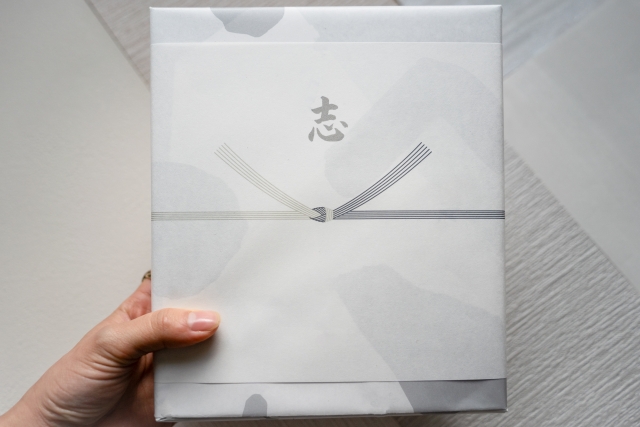
Kōden-gaeshi is a return gift sent after receiving condolence money at a funeral.
After the funeral, the family sends a return gift called kōden-gaeshi. Today this often takes the form of packaged goods or catalog gifts, allowing the recipient to choose something appropriate.
This is not optional generosity. It is a formal expression of reciprocity. Even in moments of grief, balance is restored.
White Day: A Small Test of Balance

If you forget White Day, no one will say anything. But your stock may quietly drop.
In Japan, small gestures matter. Not returning a gift can make you seem just a little inattentive.
On the other hand, White Day can be an opportunity. Many people choose something slightly better than what they received — not dramatically expensive, just a little more thoughtful.
A nicer box of cookies. A well-chosen baked treat. That small difference can gently improve the relationship that follows.
In Japan, balance is not about exact equality. It is about showing that you noticed, appreciated, and responded.
Why Presentation Matters

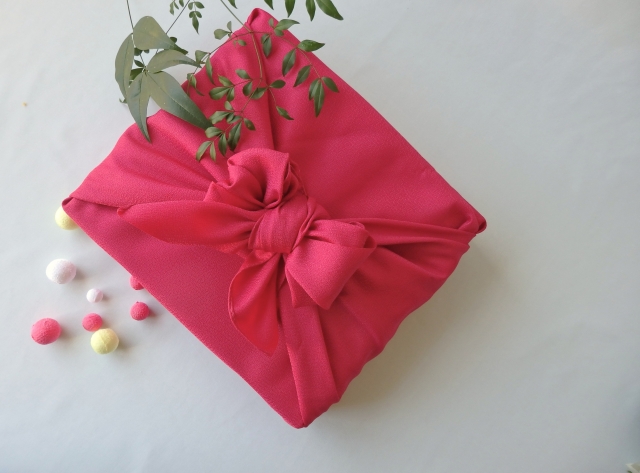
The value is not only inside the box. It is in how the gift is offered.
Circulation, Not Calculation
Sometimes you give. Sometimes you receive. Over time, relationships stay balanced without anyone keeping score.
In this sense, gifts in Japan are less about transaction and more about circulation.
Author’s Note
No one explained it as a “system,” but over time I realized how gently it keeps relationships smooth. Even small gestures prevent friction.
What fascinates me most is that this balance is maintained without open negotiation. It happens quietly — through sweets, wrapping paper, and seasonal timing.
FAQ

Is gift-giving in Japan mandatory?
No. However, certain occasions such as funerals or White Day carry strong social expectations.
Do people expect equal value in return?
Not exact equality. The emphasis is on balance and thoughtfulness rather than strict accounting.
What is the most common everyday gift?
Individually wrapped sweets are common, especially as omiyage from travel.
Is White Day only about romance?
Not necessarily. It is broadly understood as a response to Valentine’s Day gifts, and the tone depends on the relationship.

