
Japan’s rainy season—known as tsuyu or baiu—is a unique early-summer period marked by steady rain, warm humidity, and the soft, muted beauty of hydrangeas.
More than just a weather pattern, tsuyu subtly influences daily life, travel plans, and the overall atmosphere of June and early July in Japan.
What Is Tsuyu?
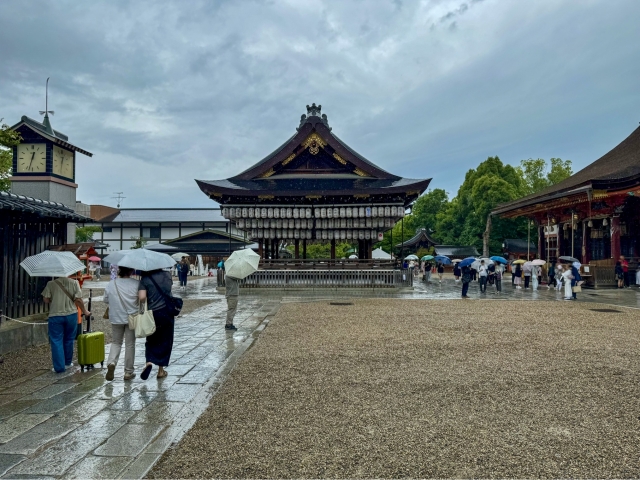
Tsuyu is Japan’s annual rainy season.
A slow-moving seasonal rain front settles over the archipelago, creating weeks of drizzle, cloud cover, and humid air.
The term tsuyu literally means “plum rain,” as this period coincides with the ripening of plums (ume) across Japan.
When Does the Rainy Season Happen?
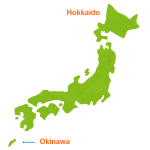
The timing differs by region but generally follows this pattern:
- Okinawa: Early May – late June
- Western Japan: Early June – mid-July
- Kanto (Tokyo): Early/mid-June – mid-July
- Tohoku: Mid-June – late July
- Hokkaido: No distinct rainy season
Each year, the Japan Meteorological Agency announces the official start and end of tsuyu—updates many Japanese people follow closely as they signal the coming of midsummer.
What Does Tsuyu Feel Like?

Unlike storm-heavy monsoons in other countries, tsuyu is characterized by gentle, persistent rain and heavy humidity. Typical days include:
- Soft drizzle that lasts for hours
- Quiet, overcast skies
- Occasional bursts of heavy rain
The air feels warm and damp, glasses and lenses fog easily, and even the wooden buildings and stone pathways take on deeper colors.
It's a season that slows the pace of daily life and adds a reflective, peaceful mood to streets and gardens.
Umbrellas and Rain Gear in Japan
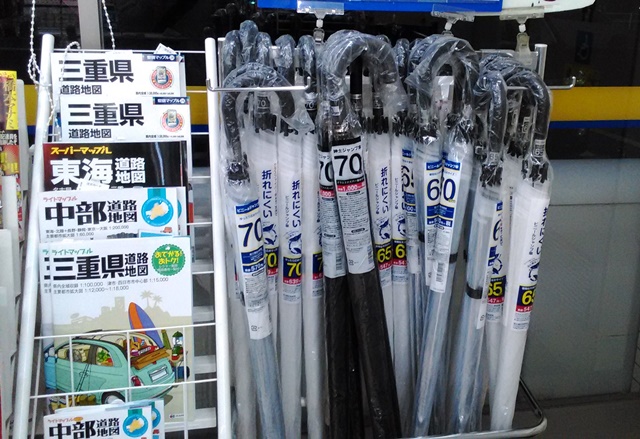
Visitors are often surprised by how thoroughly Japan prepares for rain.
Many people carry compact umbrellas daily, and convenience stores offer inexpensive clear umbrellas (around 400–700 yen) whenever sudden showers begin.
You’ll also find practical items such as waterproof shoe covers, bag protectors, and small towels—simple tools that help people move comfortably through humid summer weather.
Hydrangeas: The Symbol of Tsuyu
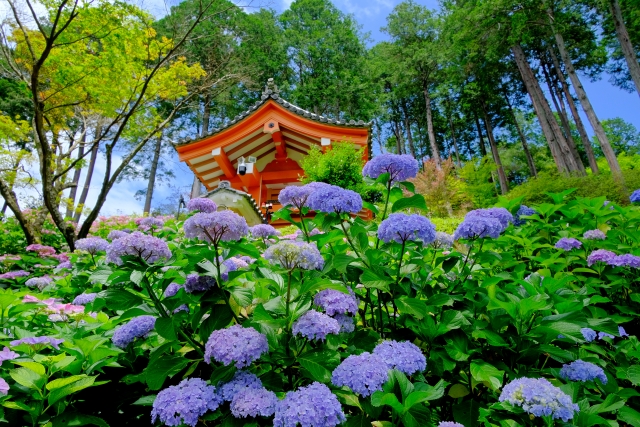
One of the most beautiful aspects of tsuyu is the blooming of hydrangeas (ajisai).
These flowers thrive in rain, and temples and gardens across Japan become vibrant with blue, purple, and pink blossoms.
Popular viewing spots include Meigetsu-in in Kamakura and Mimuroto-ji in Kyoto, where visitors come specifically for the hydrangea season.
How to Prepare for Tsuyu (For Travelers)
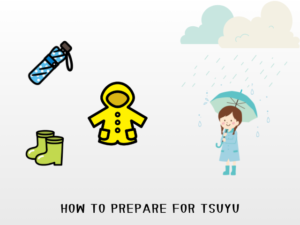
A bit of preparation will make travel during tsuyu comfortable and stress-free:
- Carry a compact or foldable umbrella
- Wear water-resistant shoes or quick-dry footwear
- Bring a light waterproof jacket
- Pack a small towel or handkerchief (very common in Japan)
- Use simple plastic covers to protect electronics from humidity
- Choose quick-drying clothing for day trips
It’s also helpful to plan a mix of indoor-friendly activities—cafés, museums, aquariums, covered shopping streets, or hot springs—just in case a day becomes especially rainy.
After Tsuyu: The Start of Real Summer
When the rain front finally moves away, the announcement of tsuyu-ake (the end of tsuyu) is a moment of celebration.
Bright blue skies return, cicadas begin their unmistakable chorus, and Japan shifts into the full heat and energy of summer.

