
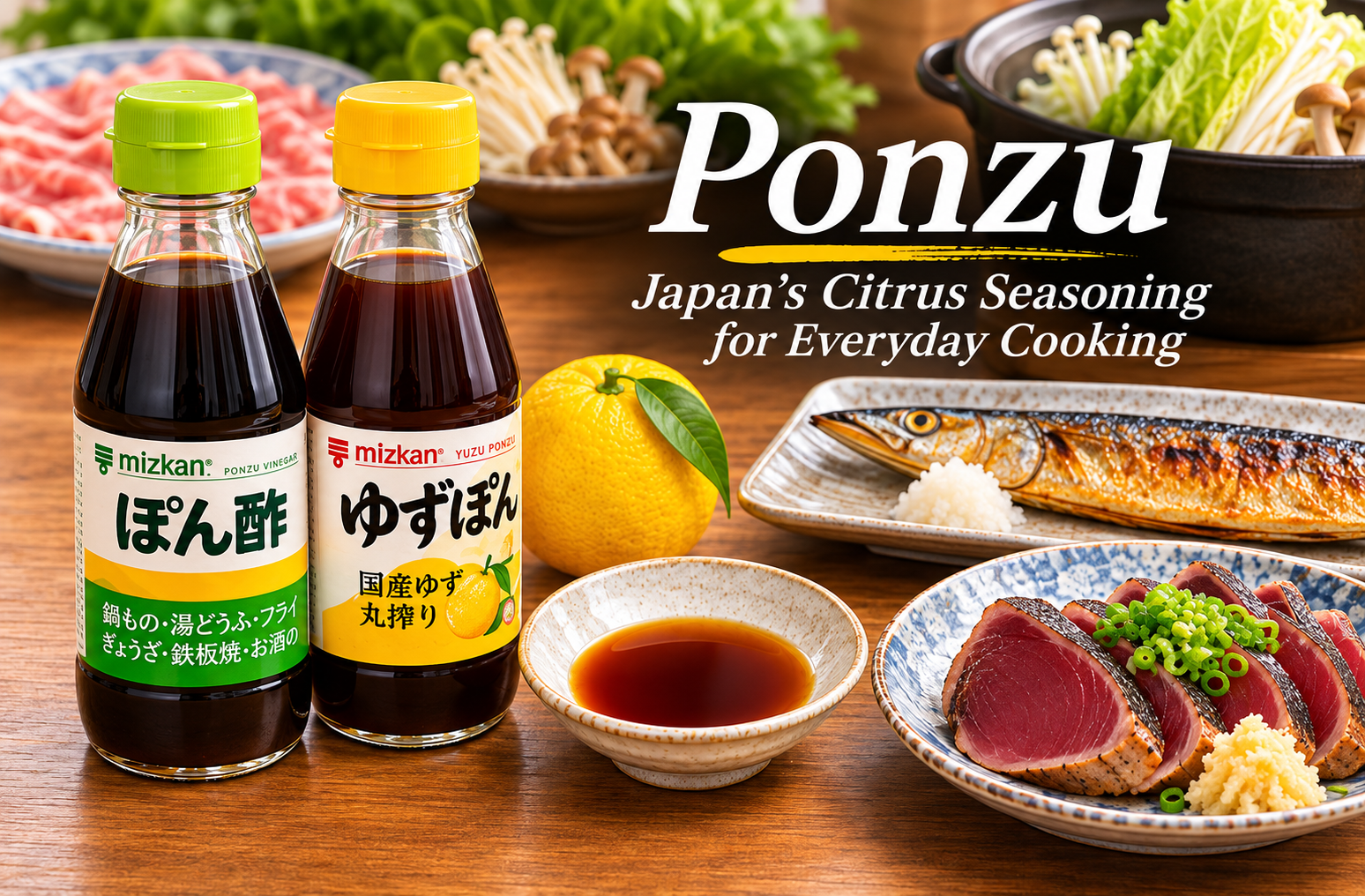
Ponzu sauce is a familiar part of Japanese home cooking. Its combination of savory flavors and refreshing citrus makes it a popular accompaniment to hot pot dishes, grilled fish, tofu, and more.
But ponzu is not just one sauce with one flavor. Visit a Japanese supermarket, and you may find bottles featuring yuzu, kabosu, kombu dashi, oyster dashi, or even sesame. Each offers a slightly different way to enjoy this versatile seasoning.
So what exactly is ponzu, and how do you choose the right one?
Quick Summary
- Ponzu is a Japanese citrus-based seasoning. The familiar soy sauce version is more precisely called ponzu shoyu.
- Ponzu shoyu typically combines citrus juice, soy sauce, vinegar, and sometimes dashi or other seasonings.
- Japanese supermarkets offer classic, dashi-rich, citrus-forward, and sesame varieties. These are useful flavor descriptions, not strict categories.
- Yuzu, kabosu, sudachi, and shikuwasa give ponzu different citrus aromas.
- Ponzu is commonly enjoyed with shabu-shabu, grilled fish, yudofu, gyoza, and other dishes.
- The best ponzu depends on what you are eating and your personal preferences.
What Is Ponzu Sauce?
Ponzu (ぽん酢) is a Japanese seasoning based on citrus juice. In its narrower sense, ponzu refers to a light-colored citrus seasoning that does not contain soy sauce.
The dark brown dipping sauce commonly called ponzu is actually ponzu shoyu (ぽん酢醤油), which combines citrus with soy sauce. In everyday Japanese conversation, people usually shorten the name to simply "ponzu." This is also the sauce most international readers are likely to encounter in Japanese recipes.
Unlike plain soy sauce, ponzu shoyu adds citrus acidity and fragrance to a savory base. This makes it especially appealing when you want a refreshing contrast to rich food.
Ponzu vs. Ponzu Shoyu
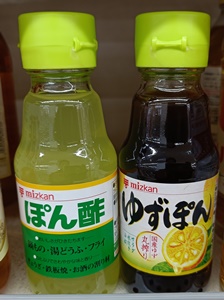
Mizkan, one of Japan's major seasoning manufacturers, offers a useful real-world example.
Its product simply called Ponzu is a light-colored seasoning made with citrus juice and vinegar, without soy sauce.
Its Yuzu Ponzu product, on the other hand, is a darker soy sauce-based seasoning with yuzu flavor.
| Ponzu | Yuzu Ponzu | |
|---|---|---|
| Base | Citrus + vinegar | Citrus + soy sauce |
| Color | Pale yellow | Dark brown |
| Taste | Sour, refreshing | Savory, tangy |
| Uses | Seasoning | Dipping sauce |
The exact ingredients and colors vary by product, but this distinction is useful when shopping. If a Japanese recipe simply calls for “ponzu sauce,” it usually means the soy sauce-based version unless otherwise specified.
Where Does the Name Ponzu Come From?
The word ponzu has an interesting history. One widely cited explanation traces pon to the Dutch word pons, referring to a punch-like drink. The Japanese character 酢 (su), meaning vinegar, was later added.
There are other explanations of the word's origin, but the Dutch connection is one of the best known. It is a small reminder of how foreign influences can become part of everyday Japanese food culture.
What Is Ponzu Sauce Made Of?
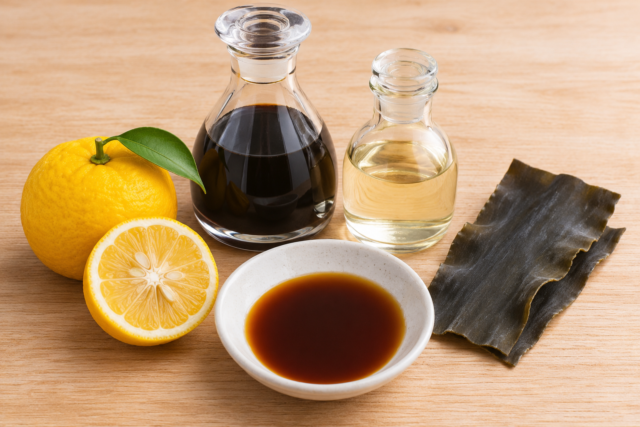
The exact ingredients depend on the product, but many soy sauce-based ponzu varieties contain the following:
- Citrus juice: Provides refreshing acidity and fragrance.
- Soy sauce: Adds saltiness and savory depth.
- Vinegar: Adjusts the overall acidity.
- Dashi ingredients: Kombu, bonito, or other extracts may contribute umami.
- Sugar or mirin: May be used to round out the flavor.
Not every bottle contains all of these ingredients. Some products emphasize citrus, while others highlight dashi or a milder flavor. Manufacturers also adjust the proportions, so two products using the same citrus fruit may taste quite different.
What Does Ponzu Sauce Taste Like?
Ponzu shoyu generally tastes tangy, savory, salty, and refreshing. Depending on the product, you might notice a bright citrus fragrance, a pronounced soy sauce flavor, or a deeper umami character from dashi.
Stronger citrus or sharper acidity does not automatically make a better sauce. What matters is how the different flavors work together. The more practical question is often whether a particular ponzu tastes good with the food being served.
What Types of Ponzu Sauce Can You Buy in Japan?
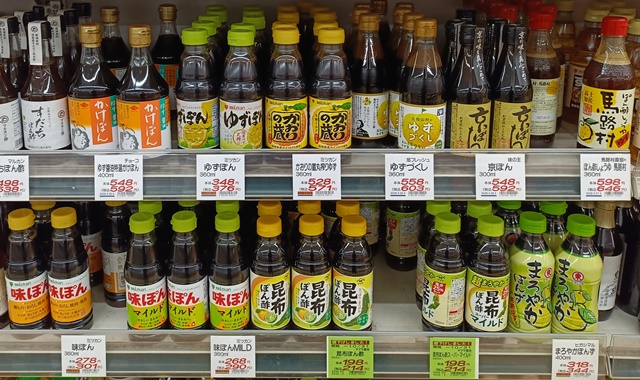
Japanese supermarkets offer an impressive selection of ponzu sauces. Alongside familiar everyday products, you may find varieties featuring kombu, bonito, oyster dashi, yuzu, or sesame.
A useful way to understand these products is to divide them into four general flavor directions.
| Type | Main characteristic |
|---|---|
| Classic Ponzu | Balanced soy sauce and citrus flavor |
| Dashi-Rich Ponzu | Greater emphasis on savory umami |
| Citrus-Forward Ponzu | More noticeable citrus fragrance |
| Sesame Ponzu | Rich, nutty flavor with tangy acidity |
These are not official product categories. Many ponzu sauces combine citrus, dashi, and other ingredients, so the boundaries naturally overlap.
1. Classic Ponzu: The Everyday Favorite
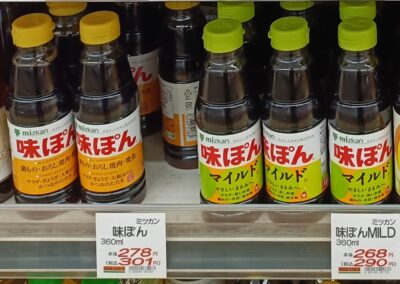
Classic soy sauce-based ponzu offers a balanced flavor that works with many different foods. Mizkan's Ajipon is a familiar example. It combines the savory taste of soy sauce with citrus juice and vinegar, making it useful as both a dipping sauce and a finishing seasoning.
In my household, Ajipon is one of our regular choices because it is easy to use with many different dishes. For someone buying ponzu for the first time, a balanced everyday variety is a practical place to start.
2. Dashi-Rich Ponzu: More Savory Depth
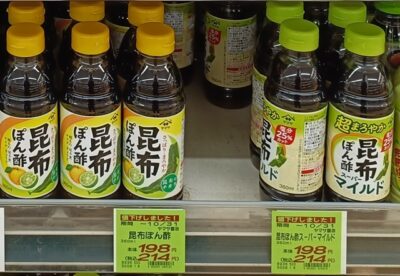
Some varieties emphasize dashi, the savory foundation of many Japanese dishes. Kombu-based ponzu highlights the umami of kelp, while bonito-based products bring the savory character of fish stock. You may also encounter ponzu featuring oyster dashi.
These products retain the acidity of ponzu while placing greater emphasis on savory flavors. The distinction is not absolute, since ordinary ponzu may also contain dashi. It is simply a matter of which flavors the manufacturer chooses to highlight.
3. Citrus-Forward Ponzu: Enjoying the Aroma
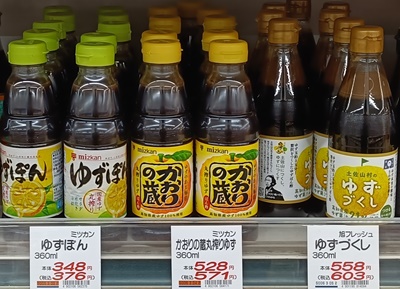
Other products place greater emphasis on the fragrance of citrus fruits. Yuzu is especially familiar, but Japanese stores may also offer ponzu featuring kabosu, sudachi, shikuwasa, or blends of several citrus varieties.
The appeal is not necessarily greater sourness. Each fruit has its own aroma, and that difference can change the overall impression of the sauce.
4. Sesame Ponzu: Rich and Nutty
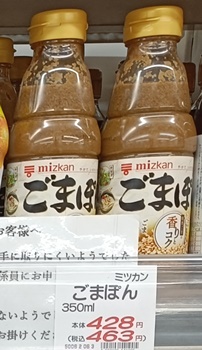
Sesame ponzu, or goma ponzu (ごまポン酢), has a different personality from ordinary ponzu. It combines the rich, nutty flavor of sesame with the characteristic tanginess of ponzu. Some products use ground sesame seeds or sesame paste to create a fuller-bodied sauce.
Unlike a simple citrus-forward ponzu, sesame ponzu can add richness to mild ingredients rather than just a refreshing accent.
It is also different from ordinary sesame dipping sauce, known as goma dare (ごまだれ). Goma dare generally emphasizes a creamy, savory sesame flavor, while sesame ponzu retains a noticeable acidic character. Both can be delicious, but they are not exactly the same seasoning.
Japanese Citrus Fruits Used in Ponzu
Japan has many aromatic citrus fruits beyond the familiar lemon and lime. Unlike oranges or mandarins, these fruits are generally too sour to enjoy on their own.
Instead, their juice and fragrant peel are used to enhance dishes, much like lemon or lime in Western cooking.
Each has its own distinctive aroma, which helps explain why different ponzu sauces can taste so different.
Yuzu (ゆず)

Yuzu has a complex aroma that may remind you of lemon and grapefruit, with floral notes.
Its distinctive fragrance makes it a popular ingredient in Japanese seasonings, sweets, and sauces.
Kabosu (かぼす)
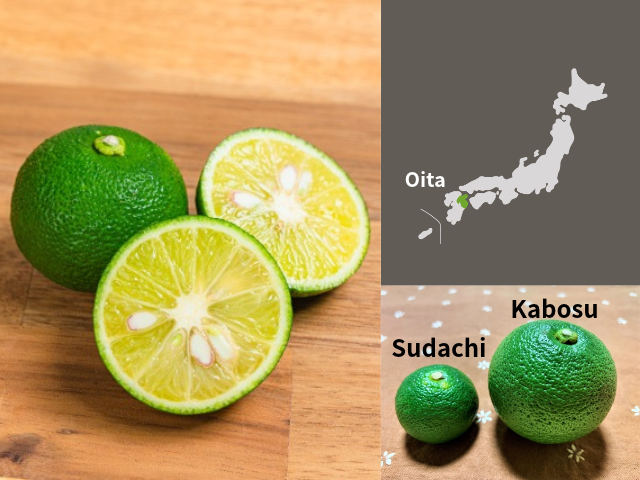
Kabosu is particularly associated with Oita Prefecture.
Its fresh, rounded citrus aroma is somewhat reminiscent of lime, but generally softer in character. It is often squeezed over fish and other savory dishes.
Sudachi (すだち)
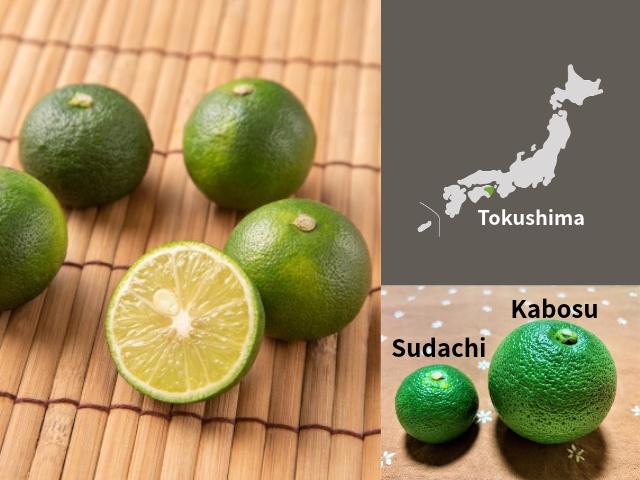
Sudachi is a small green citrus fruit associated with Tokushima Prefecture.
Its bright, green aroma may remind you of lime with a slightly herbal note. At Japanese restaurants, you may encounter a halved sudachi served with grilled fish or seasonal dishes.
Shikuwasa (シークヮーサー)
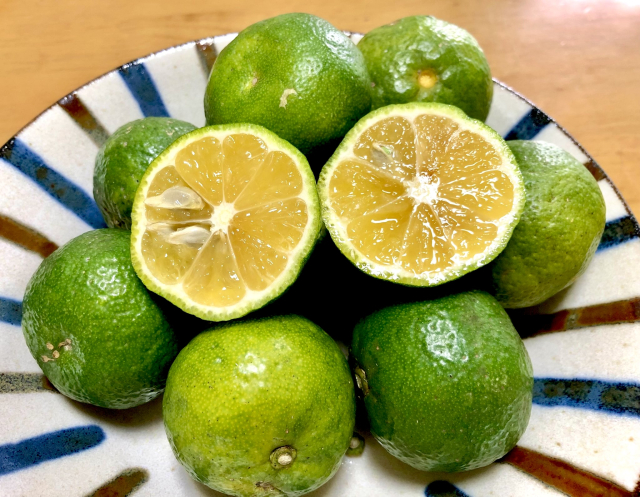
Shikuwasa is a citrus fruit associated with Okinawa.
It has a sharp, refreshing citrus character somewhat reminiscent of lime. It is used in beverages, sauces, and other seasonings.
Can You Predict the Flavor from the Citrus Fruit?
The fruit named on the label offers a useful clue, but it does not tell the whole story. Manufacturers combine citrus juice with different amounts of soy sauce, vinegar, dashi, and other ingredients, and some products use several citrus fruits together.
Two bottles labeled "yuzu ponzu" may therefore taste noticeably different. That uncertainty is part of the fun of exploring Japanese seasonings.
How Do Japanese People Use Ponzu Sauce?
Ponzu is commonly used as a dipping sauce or finishing seasoning. You can pour a little into a small dish or drizzle it over food just before eating. Most everyday uses require no preparation at all.
Its versatility becomes easier to understand through a few familiar Japanese dishes.
Shabu-Shabu: Two Sauces, Two Different Flavors
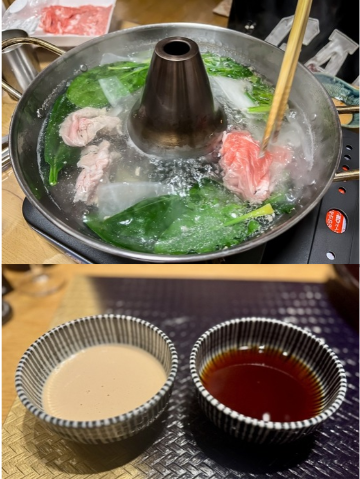
Shabu-shabu is one of the classic ways to enjoy ponzu. Thin slices of meat are briefly cooked in hot broth and then dipped into sauce. Vegetables, mushrooms, and tofu can be enjoyed the same way.
Many shabu-shabu restaurants in Japan offer two dipping sauces: ponzu and goma dare, a rich sesame sauce. Ponzu provides refreshing citrus acidity, while goma dare offers a fuller, nuttier flavor.
At home, I also recommend preparing regular ponzu and sesame ponzu in separate small dipping dishes, especially when eating pork shabu-shabu. The refreshing flavor of regular ponzu contrasts with the richness of the pork, while sesame ponzu adds another layer of nutty flavor. You can alternate between the two throughout the meal.
No extra cooking is involved. Simply pour the sauces into separate dishes and enjoy whichever you prefer.
Grilled Sanma with Daikon Oroshi
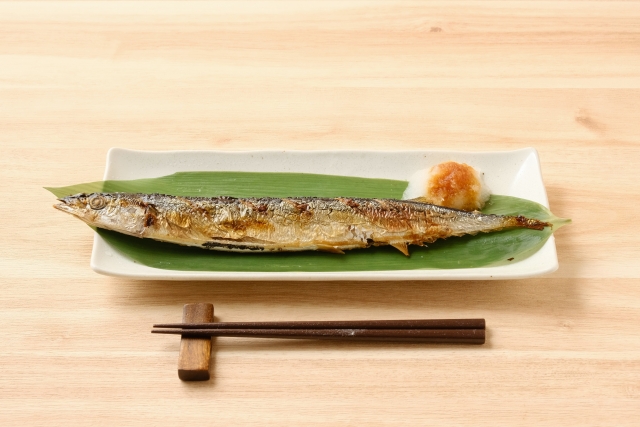
One of my favorite combinations is grilled sanma, grated daikon radish, and citrus-forward ponzu. Sanma, or Pacific saury, is an oily fish traditionally associated with autumn in Japan. When grilled, its skin becomes fragrant and its flesh develops a wonderfully rich flavor.
A familiar Japanese way to serve it is with a small mound of grated daikon on the side. I like to pour citrus ponzu over the daikon rather than directly over the fish. Then I eat a little of the radish together with the sanma.
The combination is hard to beat. The richness of the fish, the juicy freshness of the daikon, and the fragrance of citrus work beautifully together.
There is no elaborate recipe or special technique involved, just three familiar ingredients that make each other taste better. For me, this is Japanese home cooking at its best.
Katsuo no Tataki: Seared Bonito
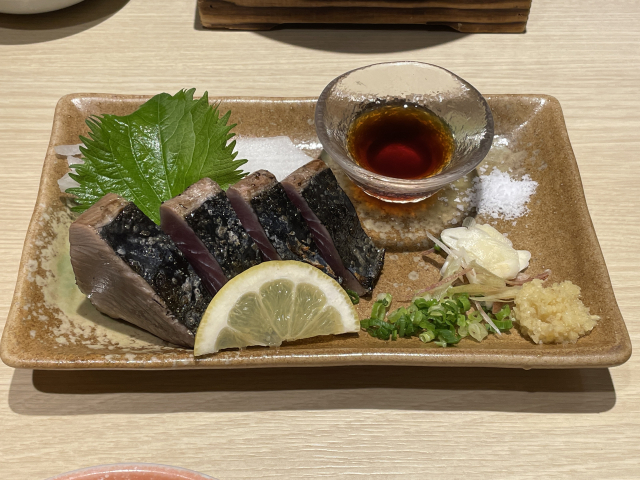
Katsuo no tataki is a Japanese dish made with bonito that is seared on the outside and served in slices. It is often accompanied by green onions, ginger, garlic, and other aromatic garnishes.
Ponzu is a familiar sauce for this dish, adding citrus fragrance and savory acidity to the distinctive flavor of bonito.
Gyoza: A Convenient Dipping Sauce
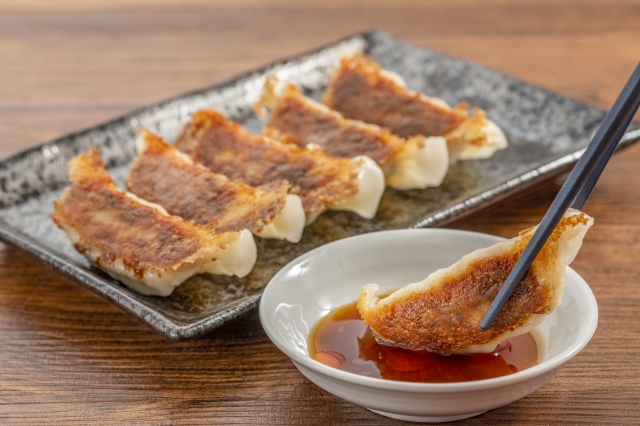
Japanese pan-fried dumplings are often served with a mixture of soy sauce, vinegar, and sometimes chili oil. Ponzu provides a convenient alternative because it already contains both savory and acidic flavors.
Simply pour a little into a dipping dish, and add chili oil if you want some heat.
Yudofu: Warm Tofu with Ponzu
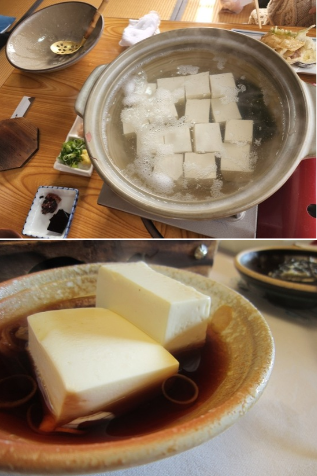
Yudofu (湯豆腐) is a simple Japanese dish made by gently heating tofu in water, often with a piece of kombu. The warm tofu is served with a dipping sauce, and ponzu is a popular choice.
Its citrus acidity and savory flavor complement the tofu's mild taste without overwhelming it. For yudofu, I prefer a balanced everyday ponzu rather than one with a particularly strong citrus aroma. A little ponzu and garnishes such as green onions or grated daikon are enough to make this simple dish satisfying.
Salads, Steamed Vegetables, and Potatoes
Ponzu is not limited to traditional Japanese dishes. It can be drizzled over salads or steamed vegetables, or used as a starting point for a simple dressing.
Sesame ponzu is particularly useful when you want a richer sauce. It works well with vegetables and even boiled potatoes. Once you become familiar with the flavor, there is no need to restrict ponzu to Japanese recipes.
How Do You Choose Ponzu at a Japanese Supermarket?
In Japan, different ponzu varieties are generally displayed together in the seasoning section. A regular supermarket may offer standard products beside bottles featuring yuzu, kombu dashi, oyster dashi, or sesame. The challenge is that you usually cannot taste them before buying.
One practical approach is to look at the ingredient or flavor emphasized on the label. If you enjoy fragrant citrus, a yuzu or kabosu variety might appeal to you. If you prefer a deeper savory taste, a dashi-rich option may be worth trying, and for a richer, nuttier flavor, sesame ponzu is another possibility.
In my household, we use familiar Ajipon as a reliable everyday option and also buy citrus-forward varieties. The brand or type of citrus may change depending on what we feel like trying.
The choice often starts with the food we plan to eat, but the final decision comes down to taste. There is no single best ponzu, and a more expensive bottle is not necessarily a better match for your dinner. Trying different products is simply part of finding your favorites.
Do Japanese People Make Ponzu at Home?
Ponzu shoyu can be made at home by combining citrus juice, soy sauce, and other seasonings. Some homemade versions also use vinegar, kombu, bonito flakes, or mirin to develop a more complex flavor. However, ready-made ponzu is a convenient everyday option.
I have never made ponzu myself. One reason is that I rarely need a large amount at once. If I want a little with grilled fish or tofu, it is much easier to take a bottle from the refrigerator than to prepare a sauce from scratch.
There is also the question of flavor. Commercial manufacturers develop their own balance of citrus, soy sauce, acidity, and umami, and creating a similarly balanced sauce at home can take experimentation.
Homemade ponzu can certainly be delicious, especially when fresh seasonal citrus is available. But for everyday meals, a good bottled ponzu offers both convenience and a familiar taste.
A Simple Ponzu Substitute
If you cannot find bottled ponzu shoyu, you can make a quick alternative using soy sauce and lemon or lime juice. Try this small amount as a starting point:
- 2 teaspoons soy sauce
- 1 teaspoon fresh lemon or lime juice
- A small pinch of sugar, if desired
Mix the ingredients and taste before serving. Add a little more citrus juice if you prefer a sharper flavor, or experiment with a little dashi for additional savory depth.
This is a simple substitute rather than a complete homemade ponzu recipe. The result will not taste exactly like a bottled yuzu or kabosu ponzu, but it offers a useful balance of savory and citrus flavors.
FAQ
Is Ponzu Sauce Spicy?
Ordinary ponzu is not usually spicy-hot. Its sharpness comes mainly from citrus acidity and vinegar. Some specialty products may contain chili or other spicy ingredients.
Is Ponzu Sauce Vegan?
Not always. Some ponzu sauces contain bonito or other fish-derived ingredients. Products without soy sauce are not automatically vegan either, so check the full ingredient list or look for a verified vegan label.
Is Ponzu Sauce Gluten-Free?
Not necessarily. Many soy sauce-based varieties contain wheat. Soy-free ponzu may be an option, but the absence of soy sauce does not guarantee that a product is gluten-free. Always check the label if you need to avoid gluten.
Can You Use Ponzu as a Salad Dressing?
Yes. Ponzu can be used directly or mixed with a little oil to create a simple dressing. Sesame ponzu is another option when you want a richer flavor.
Can You Cook with Ponzu Sauce?
Yes. Ponzu can be used in marinades, stir-fries, and other cooked dishes. Adding it toward the end of cooking can help preserve more of its fresh citrus fragrance.
Is Yuzu Ponzu Better Than Regular Ponzu?
Not necessarily. Yuzu ponzu emphasizes a distinctive citrus aroma, while a classic everyday ponzu offers a more balanced and versatile taste. The better choice depends on the dish and your personal preferences.
How Should You Store Ponzu Sauce?
Unopened ponzu can usually be stored in a cool, dark place, depending on the product. Once opened, keep it refrigerated and follow the storage instructions on the bottle.
What Ponzu Reveals About Japanese Home Cooking
Japanese home cooking is not always about complicated techniques or preparing everything from scratch. Sometimes, a simple seasoning is all you need to bring out the best in familiar ingredients.
Ponzu is a good example. You might keep a reliable everyday bottle in the refrigerator, choose a fragrant citrus variety for a particular meal, or reach for sesame ponzu when you want something richer. These are small decisions, but they shape the way everyday food is enjoyed.
Japan's many citrus fruits and regional ingredients add variety, while convenient bottled products make those flavors easy to bring to the table.
There is no need to find the one perfect ponzu. Start with a balanced variety, try it with foods you already enjoy, and explore other flavors as you become familiar with it.
Sometimes, making dinner a little more delicious is as simple as opening the refrigerator and reaching for a bottle.
Related Reading
- Japanese Pantry Guide: Explore the seasonings found in everyday Japanese kitchens.
- Japanese Vinegar Guide: Learn about the different types of vinegar used in Japan.
- What Is Dashi?: Discover the savory foundation of Japanese cooking.
- What Is Shiro Dashi?: Understand another convenient Japanese seasoning.

