In many countries, drinking water in restaurants is either charged separately or only provided when customers ask for it. In Japan, however, water is usually served automatically and at no cost as soon as you sit down.
This is not simply a business decision. It reflects a broader hospitality system in which restaurants aim to reduce friction, create comfort automatically, and deliver a consistent dining experience without requiring customers to ask for basic needs.
Related Hub: Japanese Restaurant & Hospitality Culture
Water Is Considered a Basic Part of Hospitality
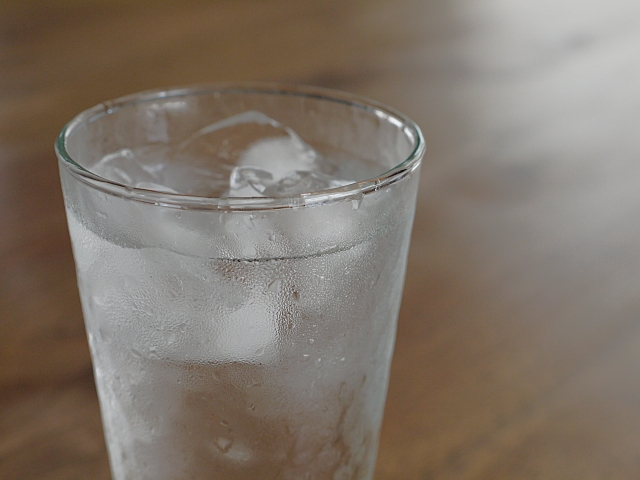
In Japan, water is not something customers need to order — it is something they should naturally receive. From the moment a guest sits down, providing water is part of creating a comfortable environment. It signals that the restaurant is ready to serve and that the customer can relax. This reflects a broader idea in Japanese hospitality: basic needs should be met without requiring explicit requests.
A Service That Starts Without Asking
Rather than waiting for customers to ask, staff provide water immediately as part of the standard service flow. This reduces friction and creates a smoother dining experience from the very beginning.
Service in Japan Includes Unspoken Expectations
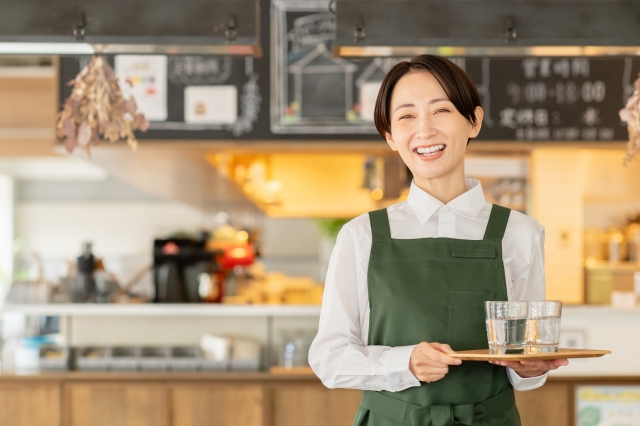
Water is often served automatically as part of standard hospitality in Japan.
In Japan, good service often means providing what is needed before it is explicitly requested. This is sometimes described as "reading the air," but in practice it functions more like a shared expectation between staff and customers about what should happen in a restaurant. Water being served automatically is one of the clearest expressions of this system.
Consistency Over Individual Requests
Rather than customizing every interaction, restaurants provide a consistent level of service to all customers. This ensures that everyone receives the same experience without needing to ask or negotiate.
Water Helps Create a Comfortable Dining Experience
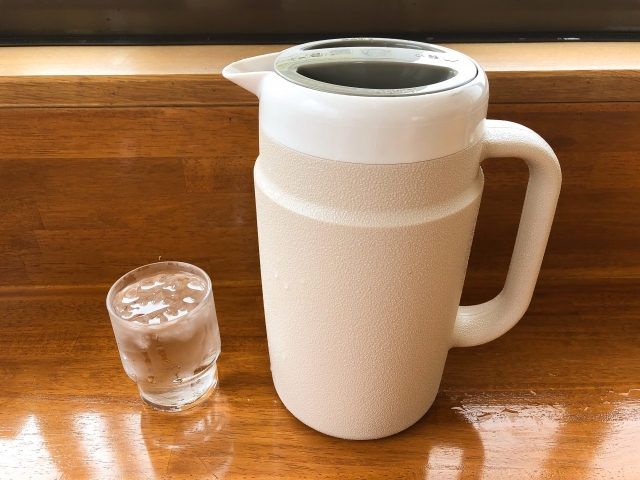
Free refills are common, making water easy to provide without extra cost.
Serving water at the start of a meal also serves a practical purpose. It allows customers to settle in, refresh themselves, and prepare for the meal without interruption. During the meal, water helps cleanse the palate — clearing strong flavors between bites so that each mouthful feels cleaner and more enjoyable.
Why It Arrives Before You Order
By bringing water immediately, staff reduce the need for additional interactions later, making the overall service more efficient while also feeling more attentive.
Why Clean Tap Water Makes This Possible
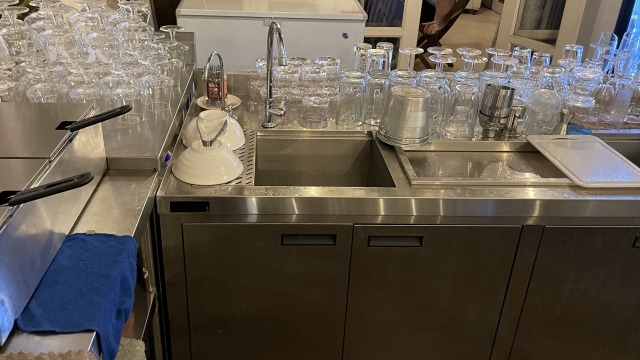
Safe tap water in Japan allows restaurants to serve drinking water easily.
Another practical reason behind free water in Japan is the reliability of tap water. In most parts of Japan, tap water is safe to drink, making it easy for restaurants to serve water without relying on bottled alternatives or special preparation. Because drinkable water is readily available from the tap, charging separately for it would feel unnecessary to most Japanese people.
Low Cost Makes It Easy to Offer
From the restaurant's perspective, providing water is also straightforward and inexpensive. Since the cost is minimal, restaurants can include it as part of the basic service without meaningfully affecting the price of the meal.
This practical foundation supports the cultural expectation: if something essential is easy to provide and improves the dining experience, it is more natural to include it than to sell it separately.
Tea Can Feel Like a Small Upgrade
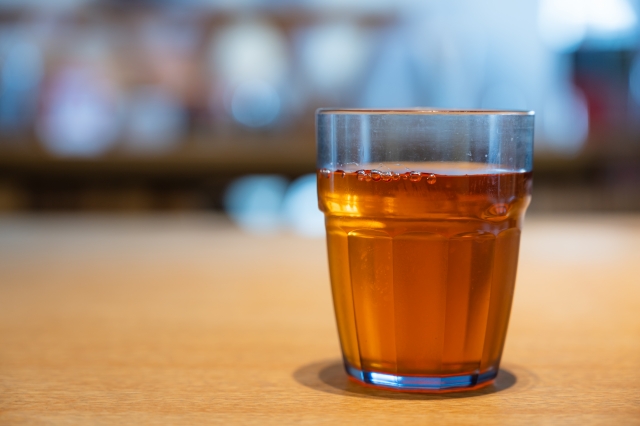
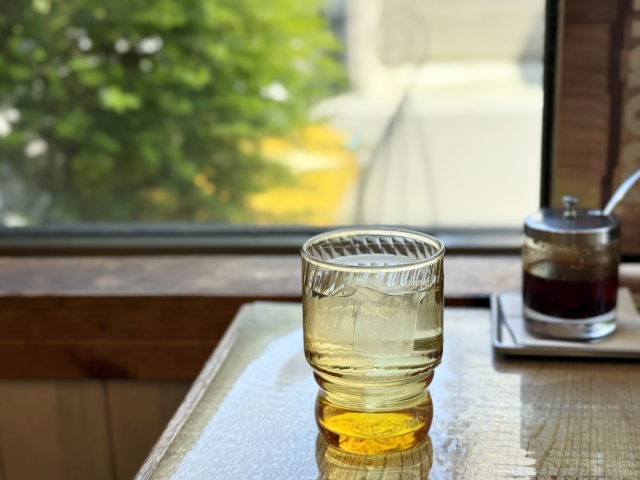
Barley tea is sometimes served instead of water, especially in summer.
In some restaurants, particularly in summer, water may be replaced with tea — such as barley tea, a caffeine-free drink made from roasted barley. Barley tea is inexpensive and easy to prepare, but it can feel slightly more generous than plain water.
This reflects something interesting about Japanese service: perceived quality is not always tied to cost. A small seasonal touch can make an experience feel more thoughtful without adding meaningful expense.
Comfort Matters More Than Luxury
A glass of cold water is enough in most situations, but cold barley tea can feel especially refreshing on a hot day. The service remains simple, but the customer may experience it as more considerate. This is one reason small details in Japanese restaurant service can carry meaning even when they are not expensive.
Why Water Feels Free: The All-Inclusive Service Model
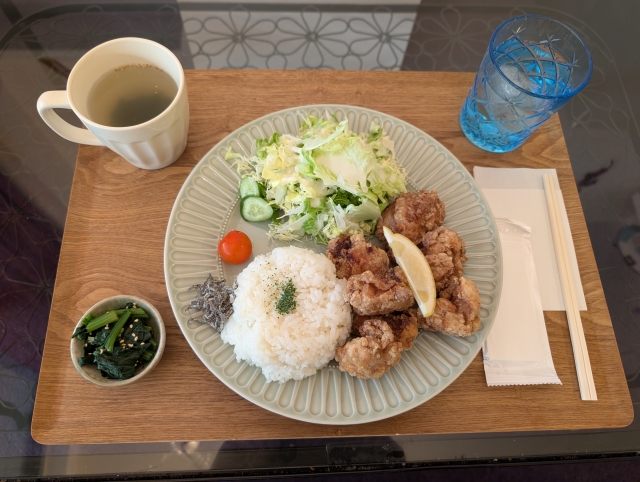
Water supports the meal by refreshing the palate between bites.
Water in Japan is not truly "free." Rather, it is part of an all-inclusive service model in which basic elements of hospitality are built into the price of the meal. Rather than charging for each item separately, restaurants design the experience as a complete package — food, service, and small comforts like water included. This removes friction from the dining experience and ensures that every customer receives the same level of care.
Value Is Built Into the Experience
In contrast to item-based pricing, where each component carries its own cost, Japanese restaurants tend to bundle these elements together. This is why charging separately for water would feel out of place — it is already part of the overall value.
Why It Is Often Served Automatically
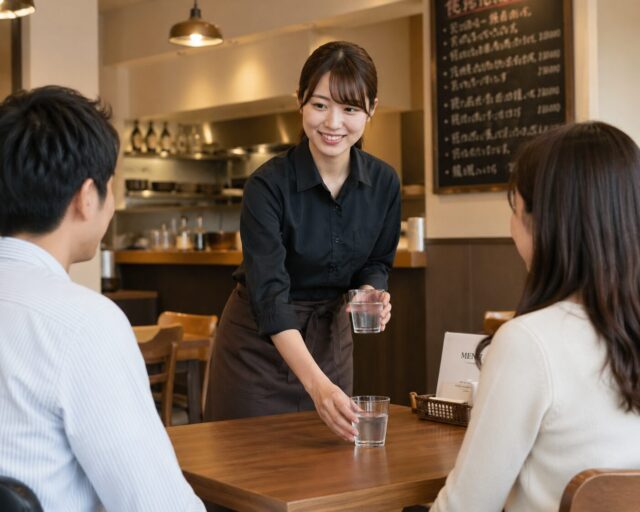
Water is typically served without being requested as part of the dining flow.
Serving water automatically is not only about hospitality — it is also efficient. By standardizing this step, restaurants reduce the number of small requests that staff need to handle, creating a smoother workflow and allowing service to remain consistent even during busy periods.
A System That Balances Care and Efficiency
The result is a system where attentiveness and efficiency reinforce each other. Customers feel looked after, while staff can operate in a predictable and organized way.
Author's Note
As a Japanese person, I rarely questioned why water was served automatically until I experienced restaurant systems abroad. In some countries, even basic drinking water may need to be ordered separately or paid for — which made me realize how differently restaurants can define comfort and service.
In Japan, a glass of water is treated less as a product and more as part of the natural flow of hospitality — a small detail designed to help customers relax without needing to ask for anything first.
FAQ
Is water always free in Japan?
In most casual and mid-range restaurants, yes. Some upscale establishments may offer bottled water for a fee, but free tap water is the standard in everyday dining.
Do you need to ask for water in Japan?
No. Water is usually served automatically when you sit down, as part of the standard welcome.
Is it rude to not drink the water?
Not at all. It is optional, and leaving it untouched is completely normal and unremarkable.
Why don't Japanese restaurants charge for water?
Because water is considered part of the overall service, and its cost is already built into the price of the meal rather than itemized separately.
Is tap water safe to drink in Japan?
Yes. Tap water is safe to drink in most parts of Japan, which makes it easy for restaurants to offer water as a routine part of their service.
Why do some restaurants serve tea instead of water?
Some restaurants serve tea — such as barley tea — because it is inexpensive, easy to prepare, and can feel more thoughtful or seasonally appropriate than plain water.
Can you ask for more water?
Yes. Refills are typically free, and you can ask staff at any point during the meal.
Related Reading on YUNOMI
- Japanese Restaurant & Hospitality Culture: Why Dining in Japan Feels So Different
- Why Do Japanese Restaurants Serve Ice-Cold Water Even in Winter?
- Why Don't Japanese Restaurants Expect Tips?
- Why Do Japanese Restaurants Give Wet Towels?
- Why Don't Japanese Waiters Interrupt Your Meal?
- Why Do Japanese Restaurants Feel So Quiet?

