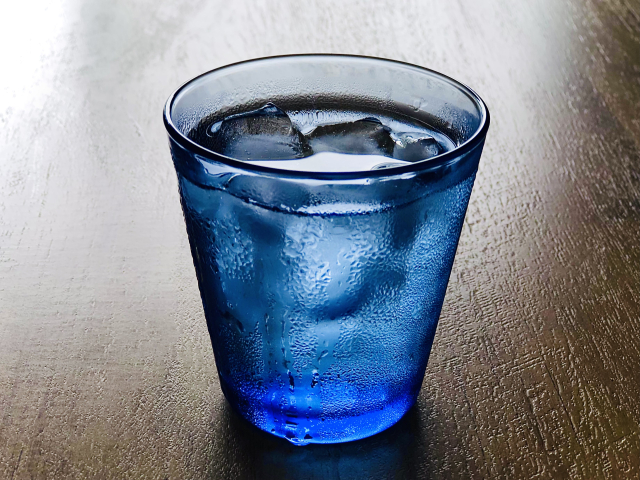
In Japan, receiving a glass of cold water immediately after sitting down is considered a normal part of the dining experience — even during freezing weather. Rather than being based purely on temperature or personal comfort, this custom reflects broader ideas about consistency, hospitality, and smooth service.
Many Japanese restaurants prioritize creating a reliable and unobtrusive experience in which customers are looked after automatically, without needing to ask. The simple act of serving cold water before ordering reveals how Japanese hospitality often works quietly — through shared defaults and anticipatory care.
Although some visitors find the practice surprising in winter, the custom reflects a broader Japanese service philosophy in which comfort is created through reliable defaults, smooth operation, and quiet attentiveness rather than constant personal interaction.
Related Hub: Japanese Restaurant & Hospitality Culture
Why Ice-Cold Water Arrives Before You Even Order
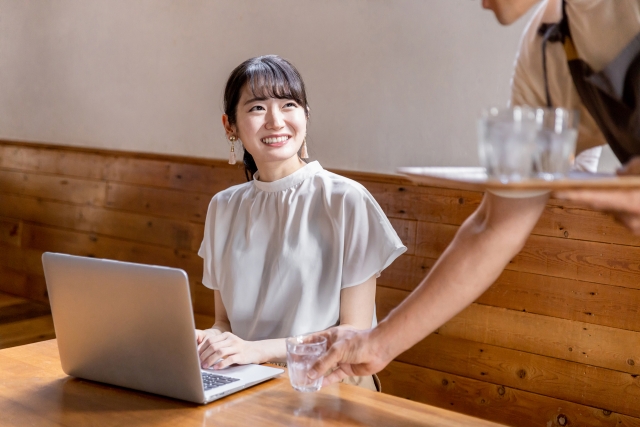
Water often arrives before you order as part of the standard welcome.
In Japan, water often appears on your table automatically soon after you sit down. This is not a personal suggestion — it is a default welcome gesture, a quiet way of saying "Please relax" without requiring any conversation.
- You do not need to ask for water.
- Staff do not need to check preferences at every table.
- Everyone receives the same baseline hospitality.
Cold Water as a Cleanliness Signal
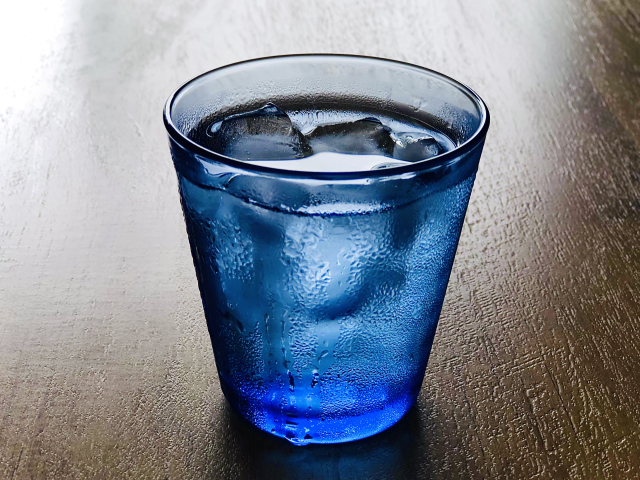
Ice water is often served by default in Japan, even in winter.
A clear glass filled with ice looks crisp, fresh, and clean. In Japanese service culture, that impression matters. Cold water has become a reliable default that feels neutral, professional, and visually reassuring — subtly signaling proper refrigeration and hygiene standards without a word being said.
How It Became the National Default
Chilled water was not always so easy to offer. Before refrigeration became common, serving cold drinks required extra effort and signaled a higher level of service.
As refrigerators and ice became standard in restaurants, the custom remained — gradually shifting from a special detail into a nationwide baseline. Once a default becomes "the standard," it tends to persist across seasons.
Why Season Matters Less Than Service Consistency
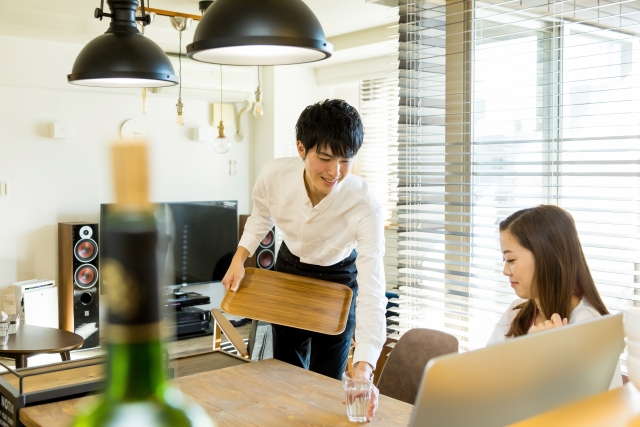
From an outside perspective, the question seems simple: "If it is cold outside, why serve something even colder?" In Japan, the stronger logic is consistency.
Restaurants tend to prioritize a stable default that works for most people, most of the time — something that is:
- fast to serve
- easy to standardize
- visually clean and neutral
- unlikely to offend, since it is unflavored and familiar
And so the custom survives, even as the seasons change.
Modern Shifts: When Warm Water Is Preferred
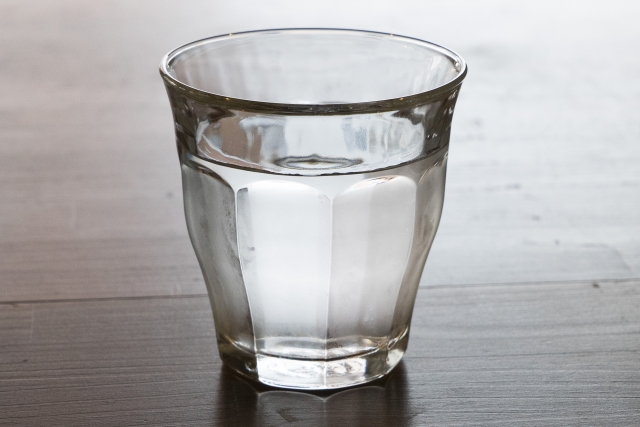
The "clean-looking" impression is one reason cold water became the default.
Even as a Japanese customer, I sometimes wish the winter default would shift a little. Ice water feels normal here — but in the middle of winter, my honest reaction is often "at least leave out the ice." I have found myself quietly moving ice cubes to the side, and when the pitcher arrives loaded with ice too, all you can do is laugh a little.
Preferences are gradually becoming more visible. Some people prefer warm water (sayu) in winter, or simply avoid cold drinks for comfort. With growing health awareness and more international visitors, some restaurants now offer:
- ice-free water on request
- warm water as an alternative
- hot tea in place of water, particularly in certain styles of restaurant
Still, many places continue to serve ice water first — because defaults change slowly once they become the standard.
How to Ask for No Ice (or Warm Water)

- No ice: "No ice, please." / "Water without ice, please."
- Warm water: "Warm water, please." / "Could I have warm water?"
- In Japanese: Kōri nashi de onegaishimasu / Oyu (sayu) o kudasai
Ice water may be the default, but requests like these are generally understood and accommodated without any issue.
More Than a Drink: A Small System That Keeps Service Smooth
Japan's ice water tradition is not really about winter. It is about a service system that is quick, visually clean, and consistent — one that makes a guest feel cared for before they have said a word. And sometimes, it is also about quietly accepting the default while thinking, "No ice would be perfect."
Author's Note
As a Japanese customer, I rarely questioned ice water in restaurants until I traveled abroad and noticed how differently other countries approach comfort during a meal. In Japan, cold water is treated less as a seasonal drink choice and more as part of a reliable hospitality system — one that quietly welcomes customers without requiring explanation or conversation.
Even in winter, many people simply accept it as part of the familiar rhythm of eating out. And many small details in Japanese restaurants — from free water to oshibori towels — are part of that same broader system, designed to reduce friction and create comfort without customers having to ask.
FAQ
Is ice water served to cool you down?
No. It is primarily a standardized welcome gesture and a cleanliness cue — not a suggestion about what your body needs in that moment.
Do Japanese people actually prefer cold water in winter?
Many accept it as normal because it has long been the restaurant default. Some do prefer warm water, and requests for it are becoming more common as preferences become more openly expressed.
Is warm water available in Japan?
Yes. Many households drink warm water or hot tea, and some restaurants will provide warm water (sayu) if asked. It is worth trying — most places can accommodate the request.
Is the water free?
In most ordinary restaurants, yes. Water is commonly served free as part of the basic hospitality experience, with no separate charge.
What if I don't want ice water in winter?
Just ask for no ice or warm water. Ice water is the default, but personal comfort requests are entirely normal and most places can easily accommodate them.
Is it rude to ask for no ice?
Not at all. Asking politely is completely fine. The default is ice water, but adjusting it to your comfort is a reasonable and accepted request.

