

NEW ENTRY
2026/9/29
Kukicha Japanese Green Tea: What Makes Stem Tea Different?
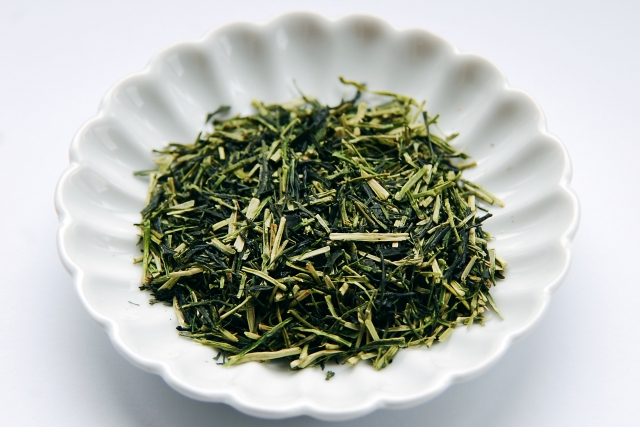
Most Japanese green tea is described by its leaves. Sencha is known for its fresh green character. Gyokuro is famous for its deep umami. Matcha is made by grinding specially processed tea leaves into a fine powder. Kukicha is a little different. Kukicha (茎茶) means "stem tea," but that does not necessarily mean the tea is made only from stems. It is better understood as a Japanese green tea with a relatively high proportion of stems and leaf stalks. That difference may sound small, but stems and leaves do not have exactly the same composition. As a result, kukicha often tastes less sharply green and less astringent than leaf-heavy teas such as sencha. Its character tends to be mild, smooth, and easy to drink. But there is another important point: not all kukicha tastes the same. A kukicha made from ordinary sencha and a karigane made from gyokuro can be quite different. To understand kukicha, it helps to know not only that the tea contains more stems, but also where those stems came from. Quick Summary Kukicha is Japanese green tea with a relatively high proportion of stems and leaf stalks. It is not necessarily made entirely from stems; some leaf material usually remains. Stems and leaves have different chemical compositions, which changes the balance of flavor. Kukicha generally has less bitterness and astringency than sencha and often feels milder and smoother. Its umami is usually gentle rather than intensely savory. The flavor depends strongly on the tea from which the stems were separated. Karigane ...
2026/9/23
Japanese Green Tea Powder Explained: Matcha, Konacha, Powdered Tea, and Instant Tea
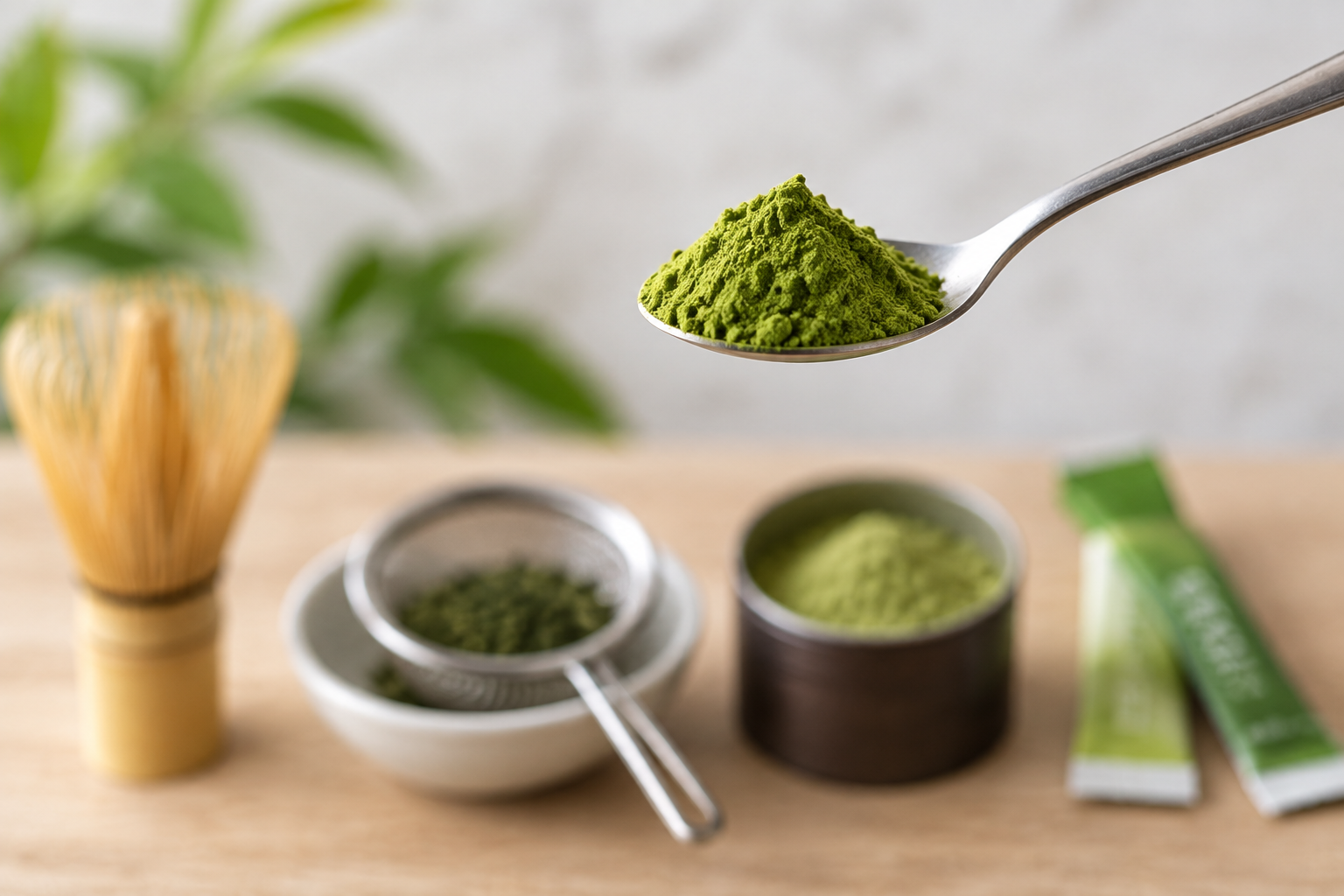
Green tea powder sounds simple. But in Japan, there are several very different kinds of tea that can all look like green powder. Four of the main ones are matcha, konacha, powdered green tea (funmatsucha), and instant green tea. To the eye, they can look surprisingly similar. But they are not the same tea. Matcha and powdered green tea are made by grinding tea leaves. Konacha consists of fine particles separated during tea processing. Instant green tea is made from brewed tea extract that has been dried into a soluble form. This is where English becomes confusing. Words such as “powder tea,” “powdered green tea,” and “green tea powder” can sound almost interchangeable, even though the products behind them may be completely different. The easiest way to understand them is to ask a few simple questions: What is it made from? How is it made? How do you drink it? And what does that process do to the flavor and texture? Once you look at those differences, the confusing world of Japanese “tea powder” becomes much clearer. Quick Summary Not every green tea powder in Japan is matcha. Matcha is made by finely grinding tencha. Konacha is not intentionally ground. It consists of fine tea particles separated during the finishing of sencha, gyokuro, and other teas. Powdered green tea, or funmatsucha, is made by mechanically grinding tea leaves such as sencha. Instant green tea is made from brewed tea extract that is dried into a soluble powder or granules. Matcha and powdered green tea ...
2026/9/20
What Is Bancha? Why Japan’s Everyday Tea Is Surprisingly Hard to Define
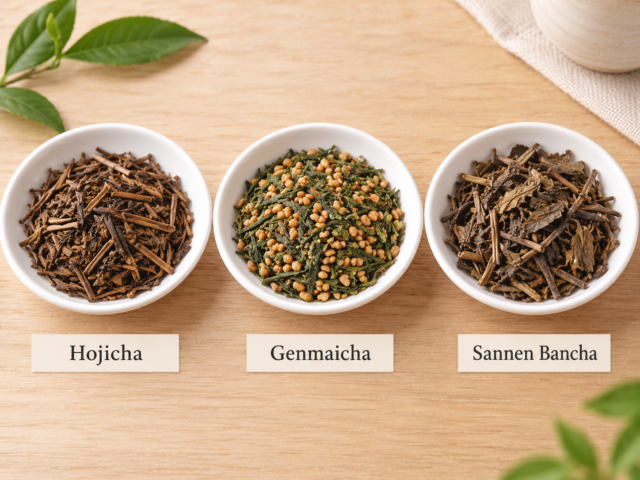
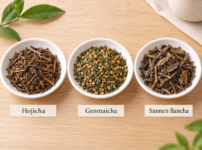
Bancha sounds like it should be easy to explain. It is often described in English as an inexpensive Japanese green tea made from larger, more mature leaves than sencha. That is partly true. But ask several Japanese people what they picture when they hear the word bancha, and you may not get exactly the same answer. One person may imagine a pale yellow-green tea made from large leaves. Another may think of something darker and roasted. Someone who grew up with a regional style may consider that version completely normal. That is what makes bancha interesting. It is not one perfectly standardized tea. It is better understood as a broad family of everyday teas shaped by mature leaves, local habits, and regional processing traditions. Quick Summary Bancha is commonly made from larger, more mature leaves than premium sencha. It often uses later harvests, coarser leaves, stems, or other mature tea material. Bancha is generally affordable and associated with everyday drinking rather than prestige. The word bancha does not always describe exactly the same tea throughout Japan. Some bancha is green or yellow-green, while regional styles may be roasted, brown, smoky, fermented, or otherwise processed differently. Bancha is usually easy to brew and is commonly prepared with relatively hot water. It is often lower in caffeine than teas made mainly from young spring leaves, but it is not caffeine-free. Bancha may also be used as a base for hojicha or genmaicha, while Sannen Bancha is a distinct specialty style. What Is Bancha? At its simplest, bancha ...
2026/9/20
San-nen Bancha: What Does “Three Years” Actually Mean?
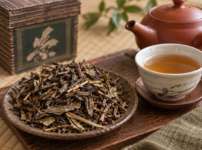
San-nen bancha sounds simple. San-nen means "three years," and bancha broadly refers to tea made from more mature leaves than the tender shoots typically used for sencha. So is san-nen bancha simply bancha aged for three years? Not necessarily. Some san-nen bancha is aged for around three years after harvest. Other versions are made from tea plants left to grow for three years or longer before harvest. Some producers combine both approaches. In other words, even the "three years" in san-nen bancha does not always refer to the same three years. And once the production method changes, the raw material, flavor, and even the best way to brew the tea can change too. That is what makes san-nen bancha confusing—and interesting. Quick Summary San-nen bancha does not have one single production method. Type 1: Post-harvest aged — harvested tea is stored and aged for several years before roasting. Type 2: Long-grown on the plant — the tea plant itself is allowed to grow for three years or longer before harvest. Type 3: Combined — long-grown leaves and stems are also aged after harvest. These methods do not necessarily produce the same flavor. Mature leaves and stems generally contain less caffeine than tender young shoots. Post-harvest aging gradually reduces fresh green aromas and changes polyphenols, lipids, pigments, and aroma compounds. Long-grown tea starts with unusually mature leaves, thick stems, and sometimes woody branches. Roasting is important in all three types, but san-nen bancha is not simply another name for hojicha. To understand what you are buying, ...

2026/9/16
What Is Genmaicha? A Guide to Japanese Green Tea with Roasted Rice
Green tea mixed with roasted rice may sound unusual if you've never tried it before. But in Japan, this combination has its own name: genmaicha. Its most recognizable feature isn't one fixed flavor, but its aroma. The roasted rice gives genmaicha a warm, toasted fragrance that can remind you of browned rice, rice crackers, or roasted grain. The tea underneath can vary. Some genmaicha is made with bancha, others with sencha, deep-steamed tea, or stems, and matcha may also be added. That makes genmaicha more flexible than its simple name suggests. Once you look closely, a few questions naturally come up. Why is rice mixed with tea? Are those white pieces popcorn? And if genmai means brown rice, does genmaicha actually have to use brown rice? The answers reveal that genmaicha is less about one strict recipe and more about the relationship between roasted rice and tea. Quick Summary Genmaicha is Japanese tea blended with roasted rice. The tea base can vary, including bancha, sencha, deep-steamed tea, or stem tea. Roasted rice may make up a surprisingly large part of the blend. Despite the name genmaicha, the rice used is not always whole-grain brown rice. The white pieces that look like popcorn are grains of rice that expanded during heating. Genmaicha is recognized first by its warm roasted-rice aroma. Matcha-iri genmaicha adds matcha for deeper color, more body, and a stronger tea character. Genmaicha contains caffeine because it contains tea. It is best enjoyed fairly fresh, since the roasted-rice aroma is one of its ...