
Vegan in Japan can be challenging because many dishes contain hidden animal products—such as bonito fish stock, egg, or meat-based seasonings—even when they look plant-based.
Yet Japan also offers surprising vegan-friendly options when you know what to look for.
This guide explains what vegans can really eat in Japan, which ingredients to avoid, how to order safely, and why Japan’s cultural understanding of veganism differs from Western norms.
You’ll also learn practical Japanese phrases and common menu traps so you can enjoy plant-based meals with confidence while traveling.
Although Japan has a long history of plant-forward cuisine through shojin-ryori (Buddhist temple cuisine), most Japanese people are not familiar with the strict definitions of vegan, vegetarian, or ovo-lacto diets.
These cultural differences often lead to misunderstandings—making preparation essential for a smooth experience.
What Vegans Can Safely Eat in Japan

Here are reliable, widely available options you can find in convenience stores, restaurants, and supermarkets:
Onigiri
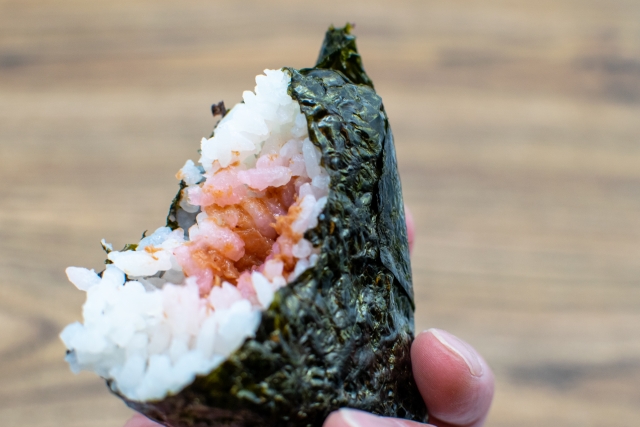
Plain salted rice balls (shio-musubi) or umeboshi (pickled plum). Check labels for bonito extract.
Inari-zushi

Sweet tofu pockets filled with rice (usually vegan).
Zaru soba
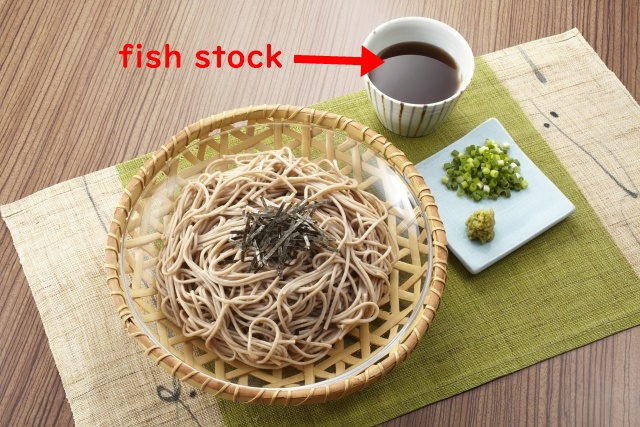
Cold soba noodles, but only if eaten with salt; the dipping sauce typically contains fish stock.
Simple vegetable dishes – Steamed greens, pickles, salads (ask for no bonito flakes).
Tofu dishes – Hiyayakko (cold tofu), yudofu (boiled tofu), grilled tofu.
Convenience store items – Nuts, fruit cups, plain salads, bean products.
Traditional temple cuisine like shojin-ryori is 100% plant-based and safe, so it is an excellent option during travel.
More details here → Shojin-Ryori Guide
What Vegans Should Avoid (Hidden Animal Products)
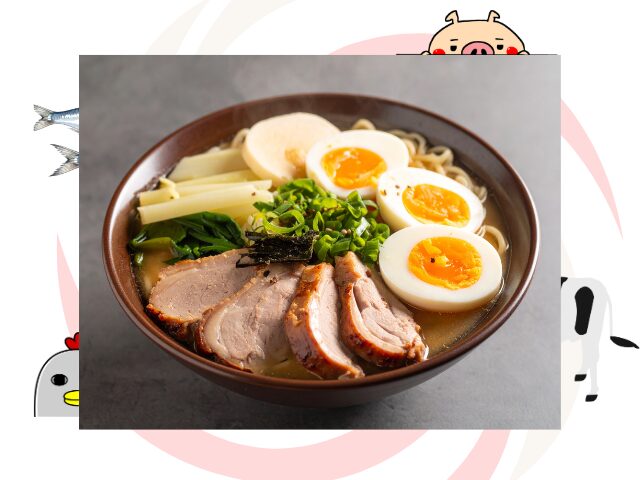
Even dishes that look plant-based often contain animal products. Be cautious with the following:
- Dashi (broth) – Most Japanese soups and sauces use katsuobushi (bonito flakes).
- Miso soup – Usually made with fish stock.
- Curry rice – Many contain beef or pork extract.
- Tempura – Batters often contain egg; dipping sauce contains fish.
- Pickled vegetables – Some use bonito flakes or fish-based seasonings.
- Ramen – Naturally meat-based unless it clearly states “vegan.”
Why Veganism Is Rarely Understood in Japan

Most Japanese people have limited exposure to veganism, and many do not distinguish between vegan, vegetarian, or pescatarian.
This comes from cultural differences in how “food ethics” are viewed.
Traditionally, Japanese people value the idea of “mottainai” — not wasting life, food, or resources.
From this perspective, vegetables, fish, and animals are all considered “life,” and the emphasis is on using food respectfully rather than avoiding certain ingredients.
Because of this, many locals may say something is “okay” for vegans even if it contains fish broth or egg — not out of dishonesty, but because their mental categories of “vegan” differ.
How to Communicate Your Needs Clearly
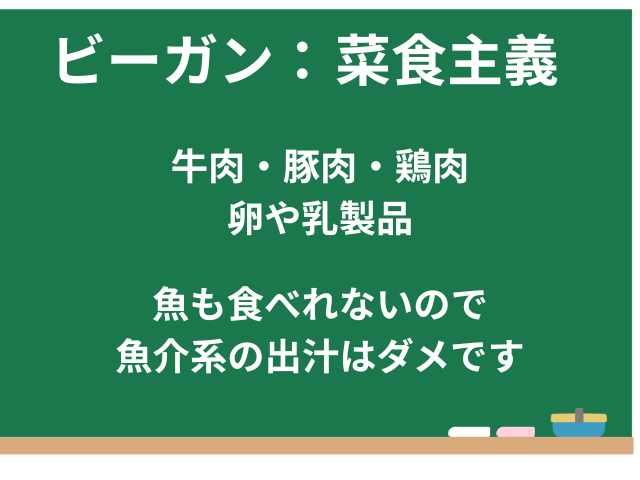
Use simple phrases — long explanations rarely work.
- “I cannot eat meat, fish, or dashi.”
(肉、魚、だしは食べられません。) - “No egg or milk, please.”
(卵と乳製品は使わないでください。) - “Only vegetables and tofu, please.”
(野菜と豆腐だけでお願いします。)
You can also show this message on your phone:
“I am vegan. I cannot eat meat, fish, seafood, eggs, dairy, or any products made from them.”
FAQ

Are vegan restaurants common in Japan?
Major cities like Tokyo, Osaka, and Kyoto have many options, but rural areas have very few.
Is shojin-ryori completely vegan?
Yes. Traditional temple cuisine does not use meat, fish, eggs, garlic, or onion.
Do convenience stores sell vegan food?
Yes — simple items like fruit, nuts, salads, tofu products, and umeboshi onigiri are widely available.
Conclusion
Being vegan in Japan requires awareness and clear communication, but it’s absolutely possible.
With temple cuisine, tofu dishes, and simple plant-based meals, travelers can enjoy Japan while respecting their values.
Understanding the cultural gap also helps create smoother, more respectful interactions with locals.

