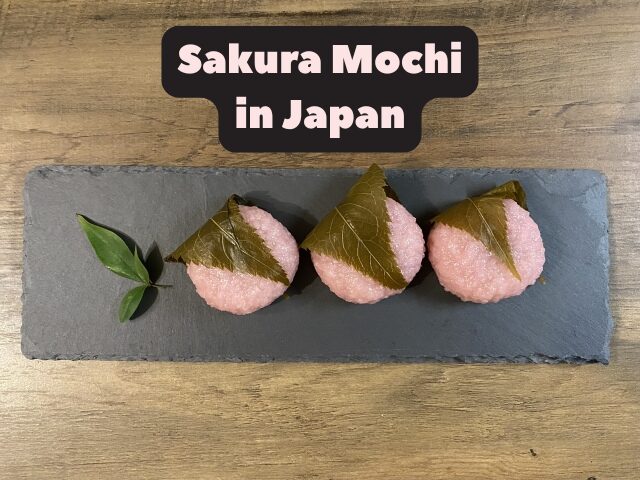
Sakura mochi is a traditional Japanese spring wagashi made of pink mochi filled with sweet red bean paste and wrapped in a pickled cherry leaf.
It is sold for a limited time in early spring and valued for its gentle aroma and subtle balance of sweetness and saltiness.
Regional styles differ between eastern and western Japan, and it is often enjoyed casually with warm tea as a seasonal treat.
Each year, it appears quietly on store shelves as winter fades.
Soft pink, wrapped in a leaf, it signals something subtle rather than spectacular.
Sakura mochi does not announce spring loudly.
It lets you notice it has arrived.
For many people in Japan, seeing it for the first time that year feels like a small shift in the season—an everyday reminder that the air is changing.
What Is Sakura Mochi?
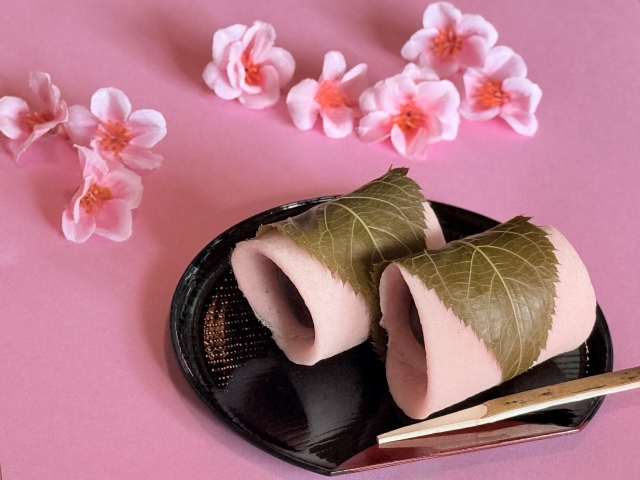
Chōmeiji style from eastern Japan, wrapped in a delicate crepe-like layer
Sakura mochi is a Japanese spring wagashi made from mochi filled with sweet red bean paste and wrapped in a pickled cherry leaf.
Unlike sweets that are eaten year-round, sakura mochi is closely tied to seasonal change.
It is best understood as a taste of early spring rather than a dessert made for a specific event.
While it may appear around Hinamatsuri (Girls’ Day), it is not a wagashi created exclusively for that celebration.
Why Sakura Mochi Smells Like Spring
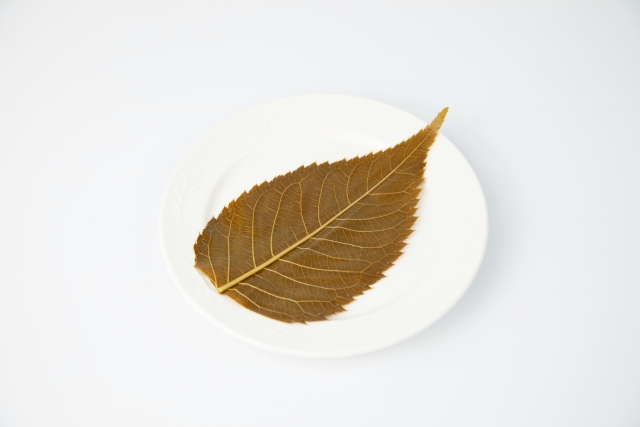
The aroma of sakura mochi comes from the pickled cherry leaf, not from the blossoms themselves.
One of the first things many people notice when trying sakura mochi is its gentle aroma—even before taking a bite.
This scent does not come from cherry blossoms themselves, nor from artificial flavoring.
Instead, it comes from the cherry leaf wrapped around the mochi.
When cherry leaves are pickled, they develop a soft fragrance along with a slight saltiness.
Rather than overpowering the sweet, the leaf subtly shapes how the sweetness of the red bean paste and the texture of the mochi are perceived.
Sakura mochi is also most commonly filled with koshi-an, a smooth red bean paste.
Its clean texture pairs naturally with the aroma of the leaf and keeps the overall impression calm and balanced.
Do You Eat the Cherry Leaf?
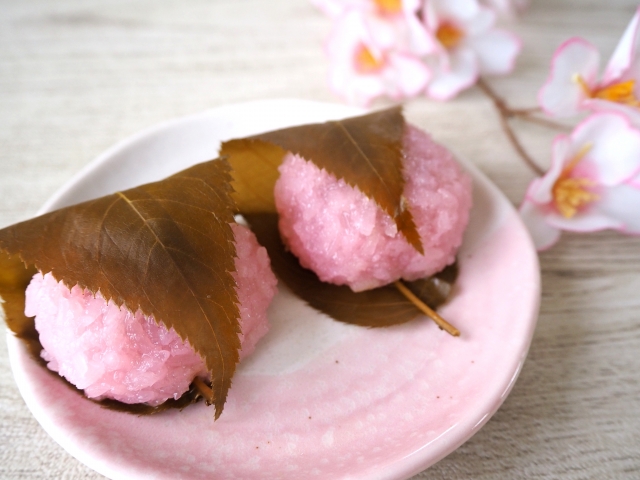
Dōmyōji style from western Japan, made with coarse glutinous rice flour.
Whether to eat the cherry leaf is ultimately a matter of personal preference.
Some people remove it, while others eat it together with the mochi.
Personally, I find sakura mochi more enjoyable when the leaf is eaten as well.
The aroma and slight saltiness of the leaf complete the experience—bringing together the sweetness of the red bean paste and the softness of the mochi.
For me, that combination is what makes sakura mochi sakura mochi:
not just a sweet wrapped in a leaf, but a seasonal flavor where aroma, saltiness, and sweetness settle into one.
Why Cherry Leaves Are Used
The cherry leaf is not used only for aroma or appearance.
Traditionally, it also helped prevent the mochi from drying out and had mild antibacterial properties.
Long before modern packaging, wrapping sakura mochi in a leaf was both practical and sensory.
It reflects a quiet practicality—where taste, preservation, and seasonal awareness meet in a single gesture.
Sakura Mochi and Warm Tea
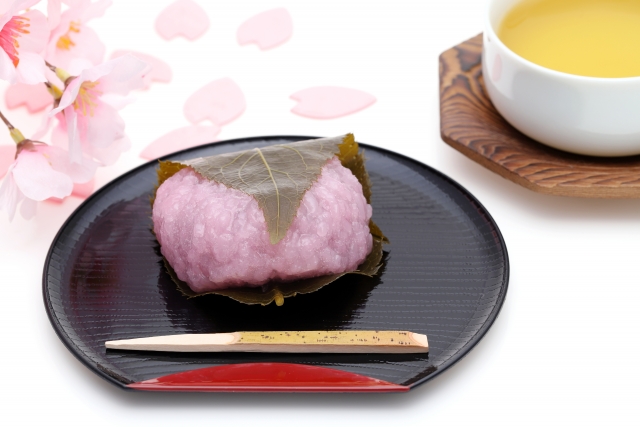
Sakura mochi is often enjoyed with warm tea such as sencha or hojicha.
Sakura mochi pairs especially well with warm tea such as sencha or hojicha.
The gentle bitterness of the tea refreshes the palate, while its warmth draws out both the aroma of the leaf and the sweetness of the bean paste.
This pairing feels natural rather than deliberate—less like a formal dessert course and more like part of the season itself.
Regional Styles of Sakura Mochi
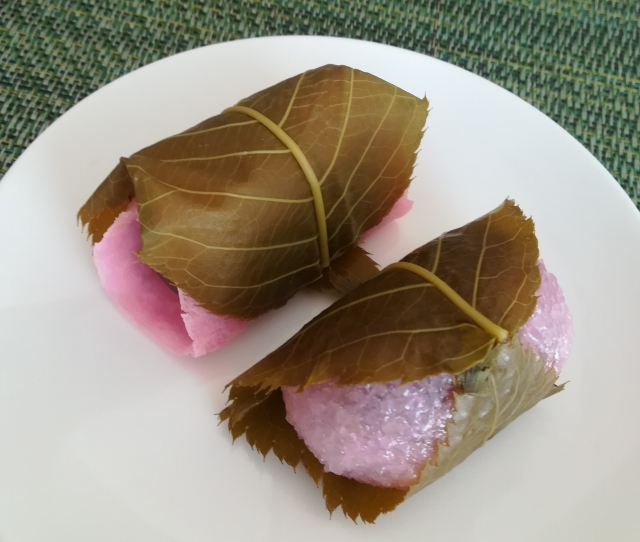
Sakura mochi differs clearly between eastern and western Japan.
The difference is not just visual—it changes the texture, mouthfeel, and overall eating experience.
Chōmeiji (Kanto Style)
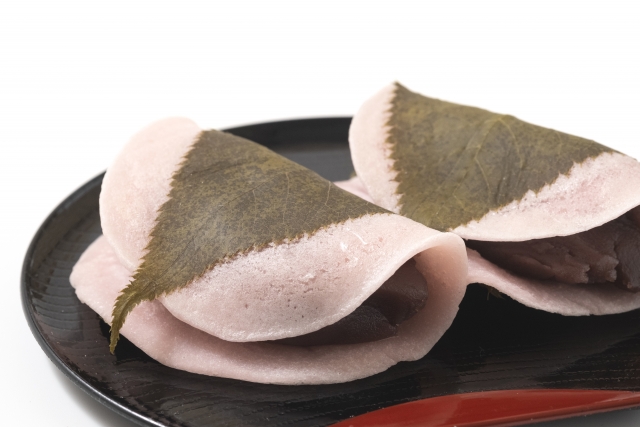
In eastern Japan, sakura mochi is commonly made in the Chōmeiji style.
It uses a thin, crepe-like wrapper that gently encloses the red bean paste.
The texture is smooth and light, allowing the aroma of the cherry leaf to stand out clearly.
For many people in the Kanto region, this delicate wrapper defines what sakura mochi feels like.
Dōmyōji (Kansai Style)
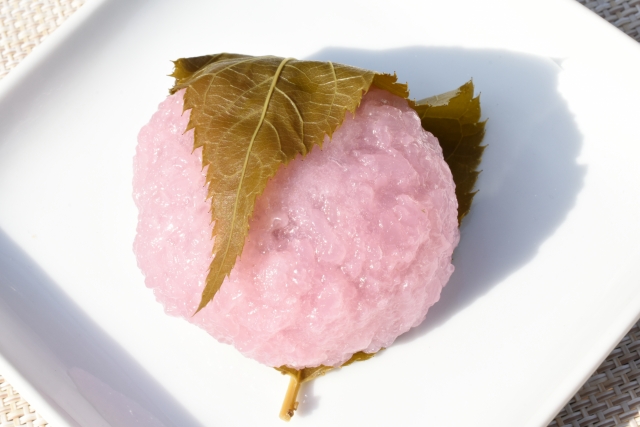
In western Japan, sakura mochi is more often made in the Dōmyōji style.
Here, coarse rice flour made from glutinous rice is used, giving the mochi a gently grainy texture.
This version feels more substantial when eaten, and the sweetness of the bean paste blends closely with the mochi itself.
For those who grew up in Kansai, this texture is inseparable from their image of sakura mochi.
Sakura Mochi in Modern Life
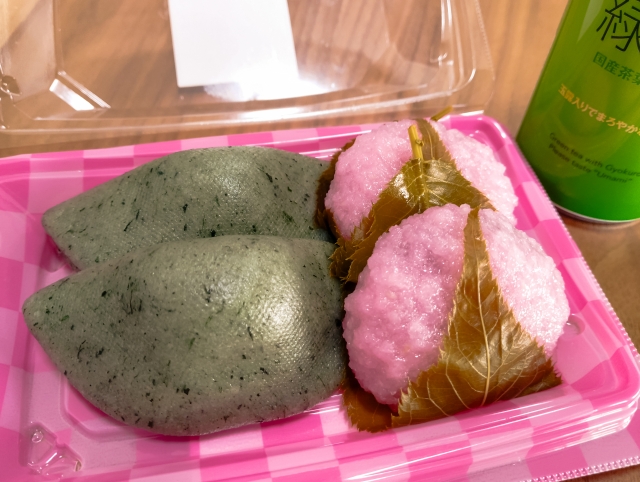
Sakura mochi is widely available in supermarkets for a limited time each spring.
Today, sakura mochi appears widely for a short time each year.
It can be found in supermarkets and convenience stores, casually packaged and easily purchased.
These versions are part of everyday seasonal life.
At the same time, many people notice a difference when tasting sakura mochi made by a traditional wagashi shop.
The balance of sweetness, texture, and aroma often feels more precise—less about convenience and more about quiet craftsmanship.
Encountering Both Styles
Not many people in Japan compare the Kanto and Kansai styles side by side.
Most simply grow up with one version, and that becomes what sakura mochi means to them.
Yet encountering both styles—whether by traveling or by chance—can reveal how regional food memories shape taste.
The contrast is not about which is better, but about how the same seasonal sweet reflects different local traditions.
A Quiet Reflection
Sakura mochi is simple, but it gathers together many small ideas—seasonal timing, regional variation, quiet craftsmanship, and the pleasure of warm tea.
Its presence is brief, and perhaps that brevity is part of its meaning.
Frequently Asked Questions

Is sakura mochi cherry-flavored?
No. The scent comes from the pickled cherry leaf wrapped around the mochi, not from added cherry flavoring.
The aroma is subtle and comes from the natural compounds released during the pickling process.
Do people eat the cherry leaf?
Yes, the leaf is edible.
However, whether to eat it or remove it is a matter of personal preference.
Many people feel that eating the leaf completes the balance of sweetness, saltiness, and aroma.
Is sakura mochi only eaten on Hinamatsuri?
No. While it often appears around Hinamatsuri (Girls’ Day), sakura mochi is a spring seasonal sweet rather than a dessert made exclusively for that celebration.
It is enjoyed throughout early spring.
Why is sakura mochi only sold in spring?
Sakura mochi is strongly tied to seasonal change.
Its limited availability is part of its meaning—marking the transition from winter to spring rather than existing as a year-round sweet.
Author’s Note
For me, sakura mochi has always been less about celebration and more about atmosphere.
Its gentle aroma, the slight saltiness of the leaf, and the way it pairs with warm tea quietly signal that winter is ending.
It is the kind of sweet that doesn’t announce spring loudly—but lets you notice it has arrived.

