Japanese bath additives (called nyūyokuzai) are products added to bathwater—powders, salts, tablets, or liquids—to change the bath’s scent, color, and overall “feel.”
In Japan, where the evening bath (ofuro) is treated as a daily reset rather than a quick wash, nyūyokuzai are a small but very common ritual: you choose today’s mood, pour it in, and let the bathroom become a tiny seasonal spa.
This guide explains what nyūyokuzai are, how they differ from onsen, the main types, and how Japanese people actually use them at home.
What Is Nyūyokuzai?
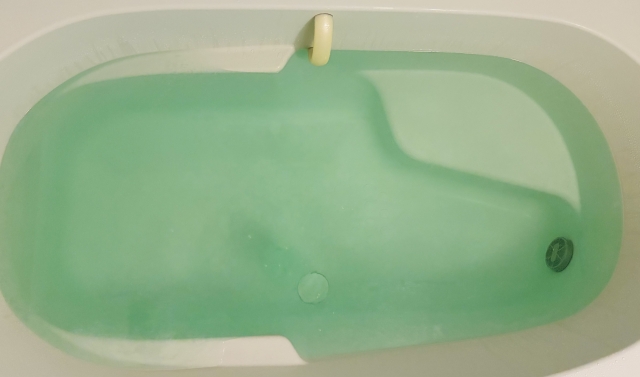
Nyūyokuzai is a bath additive: a product designed to dissolve or mix into bathwater to enhance the bathing experience through fragrance, color, texture, and “onsen-like” atmosphere.
They’re sold everywhere in Japan—supermarkets, drugstores, convenience stores, and gift sets—often in single-use packets.
That packaging makes it easy to rotate scents and styles like you rotate snacks or tea.
Why Bathing Feels Like a Ritual in Japan
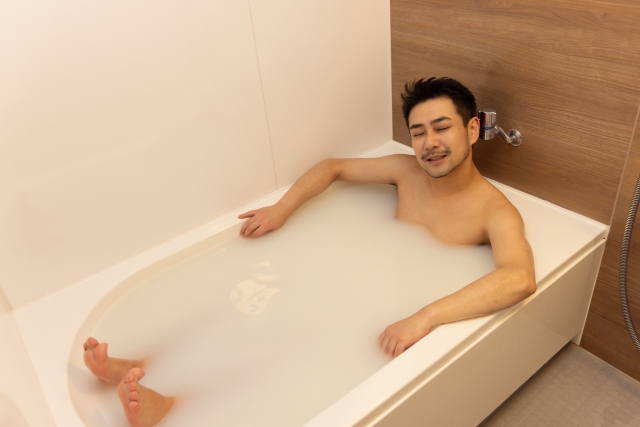
In Japan, the bath is often the main relaxation moment of the day.
The typical pattern is wash first (shower and scrub outside the tub), then soak to warm up and unwind. This basic flow is also the logic behind onsen etiquette—though the setting and water source are different.
Because soaking is the point, small details matter: temperature, atmosphere, seasonal mood, and scent. Nyūyokuzai fit naturally into that culture as a simple way to make an ordinary bath feel intentional.
Not Onsen, But “Onsen-Inspired”
Nyūyokuzai are not the same as onsen water.
Onsen is natural geothermal water that meets legal standards in Japan, while nyūyokuzai are products used in tap-water baths at home.
Still, many bath additives are explicitly onsen-inspired: they reference famous hot spring towns, recreate milky-white water, or use scents that feel “volcanic” or mineral-like.
It’s less about copying a real hot spring and more about bringing the comfort of onsen into daily life.
A Tap-Water Detail Many Japanese People Take for Granted
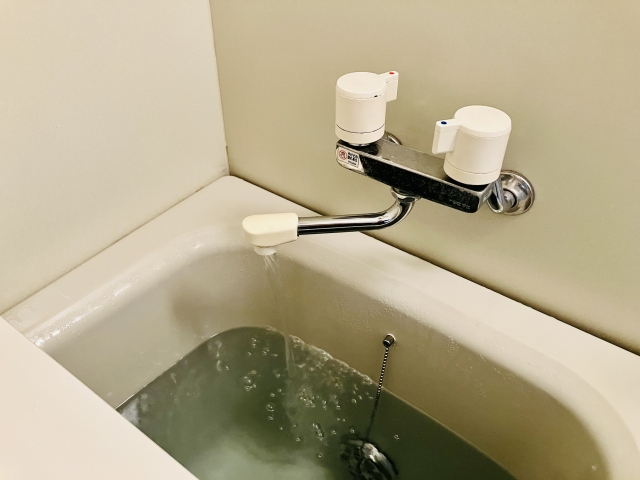
Another small cultural detail: many bath additives in Japan are marketed as helping neutralize residual chlorine in tap water. The stated purpose is often to reduce potential skin irritation from chlorine.
In everyday life, most people probably don’t consciously “feel” chlorine irritation—but many bathers still describe the water as feeling a bit softer or more comfortable after adding nyūyokuzai.
To be honest, the difference can be subtle.
Sometimes it may be a mild change in water feel, and sometimes it may simply be a placebo effect—but that’s still part of the ritual: you add something, the bath becomes “gentler,” and your mind switches into relaxation mode.
Another practical point Japanese households consider is the bathtub system itself. Many homes have a bath unit with reheating (tsui-taki), which circulates water through the plumbing.
Because of concerns about damage to the tub system, many bath additives note that they do not contain sulfur-based ingredients (iō-kei).
Sulfur is a common feature of many natural onsen, but it’s usually avoided in everyday bath additives made for standard home bath systems.
Main Types of Japanese Bath Additives
Bath Powders: The Everyday Standard
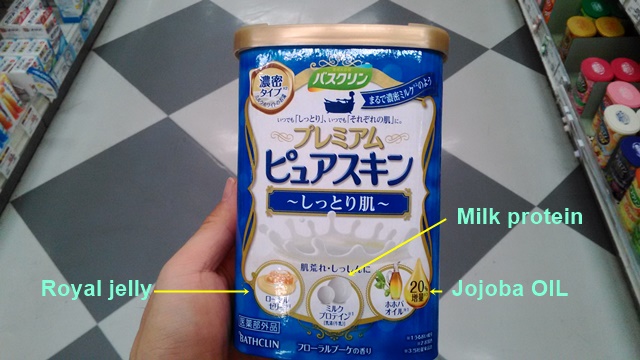
Powders are the most common daily-use option. They’re easy to find, and large packs are often good value—so many households use them every day.
At home, we keep several types and rotate them: yuzu citrus, forest scents, herbal-style “warming” blends, and milky-white powders that make the bath look cloudy and feel a little more “onsen-like.”
In summer, menthol “cool” powders are popular because they feel refreshing after a hot day. The funny result is that your bath can end up blue almost every night.
Bath Salts: Loved by Some, Avoided by Others
Bath salts are popular, but preference splits. Because salt can feel stronger on the skin, some people find it slightly irritating or dislike the after-feel.
They also tend to cost more, so they’re often saved for nights when you feel especially tired rather than used daily.
Fizzy Tablets: A Weekend “Recovery” Bath
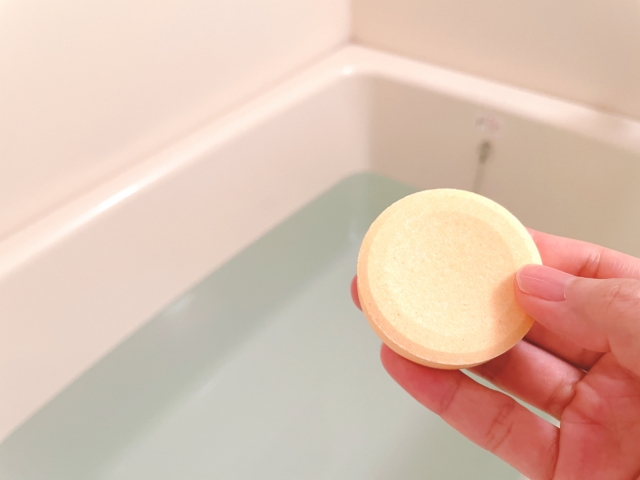
Tablets that fizz (often carbonated) feel like a small treat. Many Japanese readers will instantly think of Babu, a famous brand.
Personally, carbonated tablets make me feel extra warmed up—sometimes I even feel like I sweat more afterward. That’s just my impression, and experiences vary, but it’s one reason people reach for tablets on cold nights or after a long, exhausting day.
They’re not wildly expensive, but they’re usually not a “daily habit” item—more of a weekend or “I really need this tonight” choice.
Liquid Bath Additives: Popular for Dry Skin and Rich Scents
Liquid types often feel more moisturizing and can leave a slightly richer, oilier finish—something many people with dry skin prefer.
They can cost more, but if dryness is your main concern, they’re easy to justify as an everyday option. Liquid formulas also tend to have especially appealing fragrances.
The “Special One”: A Bath Additive You Save for a Certain Mood
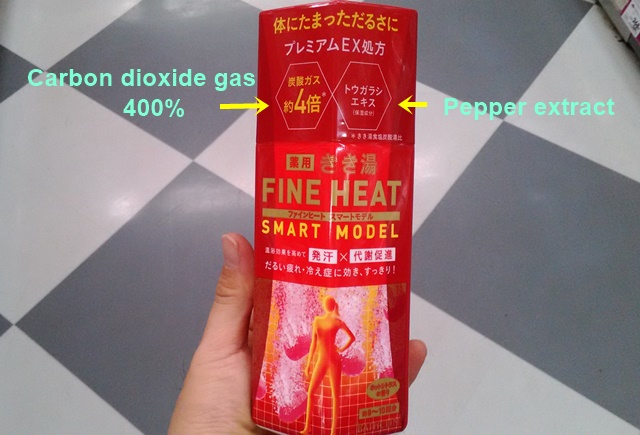
Most nights we use everyday powders, but many households also keep one “special” bath additive for extremes—when you’re completely exhausted, when stress feels maxed out, or even when you’re in a surprisingly good mood and want the bath to feel like a small reward.
It’s not about fixing anything. It’s simply a way to reset the atmosphere and mark the day as “done.”
That mindset—treating the bath as a ritual, not just a utility—is a big part of why nyūyokuzai feel so Japanese.
How to Choose the Right Nyūyokuzai
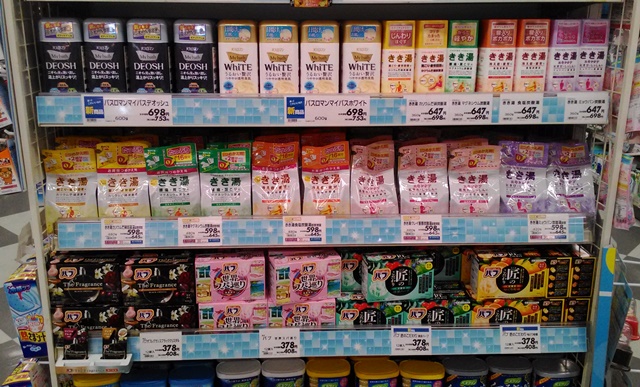
- If you want the most “Japanese daily life” feel: start with powder packs and rotate scents.
- If you care most about fragrance: try aroma-focused powders or liquid types.
- If you want an onsen mood at home: choose “onsen-inspired” milky-white powders or mineral-style blends.
- If you’re sensitive to saltiness or after-feel: avoid salts and test gentle powders first.
- If you want a special night bath: use tablets on cold evenings or on days you feel worn out.
FAQ: Japanese Bath Additives (Nyūyokuzai)

Are Japanese bath additives the same as onsen water?
No. Onsen is natural geothermal water that meets legal standards in Japan.
Nyūyokuzai are products designed to change the experience of a tap-water bath at home.
Can I use nyūyokuzai every day?
Many people do, especially powders.
If you have sensitive skin, start occasionally and check how your skin reacts. Always follow package directions.
Do bath additives really “remove chlorine”?
Many products are marketed as helping reduce the smell of chlorine in tap water, and they often include ingredients intended to neutralize residual chlorine.
Exact results vary by product and household water.
Are bath salts okay for everyone?
Preferences differ. Some people enjoy the mineral feel, while others find salt-based products a bit harsh or dislike the after-feel. If you’re sensitive, start with gentle powders instead.
Why are tablets like Babu so popular?
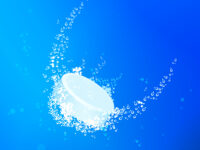
They’re convenient, feel like a treat, and many people choose them when they want a bath that feels especially warming.
They’re often used on cold nights or after an exhausting day.
Honestly, one of the best parts is watching the tablet fizz and listening to the shuwa-shuwa sound—it’s oddly calming.
Packages often say to let it dissolve fully before getting in, so follow the instructions… but I doubt everyone patiently waits.
Conclusion
Nyūyokuzai are a small product with a big cultural role: they turn the bath into a daily ritual, a seasonal mood, and a gentle form of self-care.
Whether you rotate everyday powder scents, save a carbonated tablet for tough days, or choose a moisturizing liquid for dry skin, bath additives are a simple way to experience a very Japanese idea—ending the day slowly, warmly, and on purpose.

 are products added to bathwater—powders, salts, tablets,)