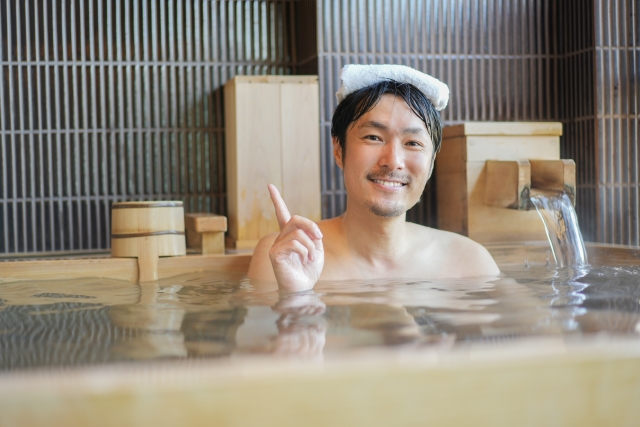
Onsen etiquette is the shared-bathing system that helps everyone enjoy Japan’s hot springs comfortably, quietly, and hygienically.
In Japan, bathing is more than “getting clean”—it is a cultural ritual shaped by relaxation, purification ideas, and respect for other people in shared spaces.
For first-time visitors, the rules may feel unfamiliar, but once you understand the logic, an onsen becomes one of the most rewarding cultural experiences in Japan.
This guide explains exactly how to bathe, what to avoid, practical tips for beginners, and common variations (tattoos, mixed baths, and regional differences) so you can enter an onsen with confidence.
What Is Onsen Etiquette?
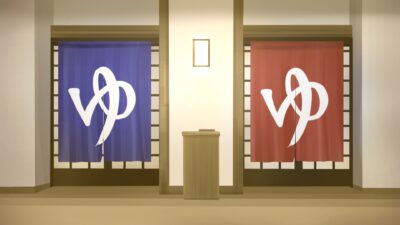
Onsen etiquette is the cultural practice of bathing in a respectful and hygienic way in Japan’s natural hot springs. Unlike a private bath at home, onsens are shared spaces.
The core idea is simple: clean yourself before entering the shared water.
These customs are not meant to intimidate visitors. They developed through centuries of communal bathing and Japan’s preference for harmony in shared environments.
In many places, you will also hear the same idea explained in a practical way: the bath is for soaking, and the washing happens outside the tub.
How to Bathe in an Onsen (Step-by-Step)
1) Enter the Changing Room
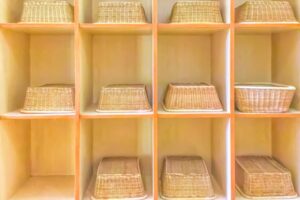
- Remove all clothing (most onsens are nude-only unless specifically stated).
- Place belongings in the locker or basket.
- Bring only a small towel into the bathing area.
2) Rinse Your Body First (Pre-Wash)
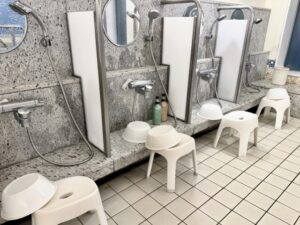
You will see showers or small faucets along the wall. Sit on the stool and rinse your entire body before soaking.
If there is a small basin or rinsing area, a light rinse before entering (sometimes called kakeyu) may be used—either way, the goal is to enter the bath clean.
3) Wash Thoroughly
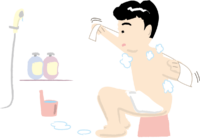
- Sit down while washing—standing causes water to splash others.
- Wash hair and body completely.
- Rinse thoroughly; leftover soap must not enter the bath.
- If you have long hair, tie it up so it does not touch the water.
4) Enter the Hot Spring Slowly
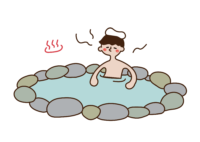
- Ease into the water gradually (onsen can be hotter than expected).
- Keep your small towel out of the bath—place it on your head or on the edge.
5) Relax Quietly
- No swimming or splashing.
- Keep conversations quiet.
- Avoid submerging your head (generally considered unhygienic).
6) After Bathing
- Wipe your body lightly with the small towel before returning to the changing room.
- Stay hydrated—hot water can feel intense, especially for beginners.
- If you feel dizzy or overheated, take a break and cool down.
Essential Etiquette & Cultural Notes
Keep Your Towel Out of the Water
The towel represents cleanliness. Soaking it in shared water is generally seen as unclean. A common habit is to place the towel on your head or fold it and set it on the side.
No Soap in the Bath
Soap and shampoo must stay at the washing area. Onsen water is meant to remain clean and pleasant for everyone.
Avoid Loud Voices
Onsens are places of relaxation, similar to a quiet or meditative environment.
No Photography
Cameras and smartphones are strongly discouraged (and often prohibited) for privacy reasons.
No Diving, Splashing, or Swimming
The bath is not a pool—it is a place to soak quietly.
Tattoos in Onsen
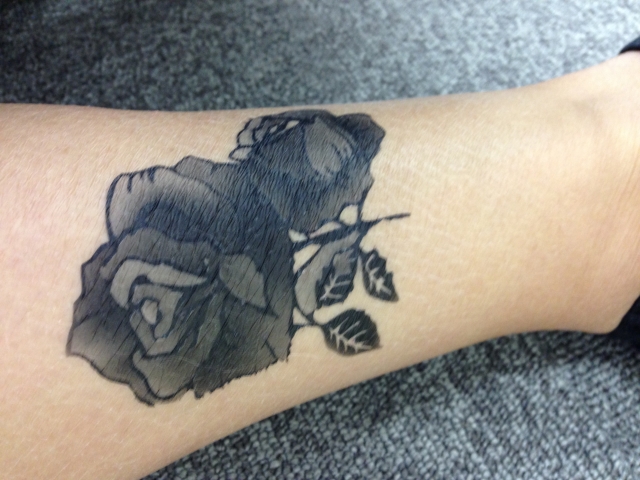
Tattoo rules in Japan are often misunderstood. Many visitors worry about being rejected, but policies vary widely by facility.
Historically, some places avoided tattoos because of their association with organized crime in Japan, which is why certain facilities still keep blanket “no tattoo” rules.
Today, more tourist-friendly onsens may allow tattoos, offer cover stickers, or provide private baths that anyone can use. If tattoos are a concern, the easiest solution is often a private bath (kashikiri-buro).
For a full explanation of cultural background, why the rules exist, and how to find tattoo-friendly facilities, see our detailed guide:
Tattoos & Onsen in Japan: What Foreigners Need to Know
Mixed-Gender Bathing (Kon’yoku)
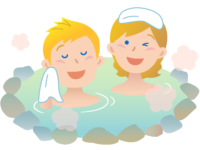
Kon’yoku (mixed bathing) still exists but is relatively rare today. Rules vary by region and facility:
- Some require towels or modesty cloths.
- Some separate by time of day (women-only hours).
- Rural areas (including parts of Hokkaido and Tohoku) tend to preserve more traditional mixed baths.
Regional Bathing Differences in Japan
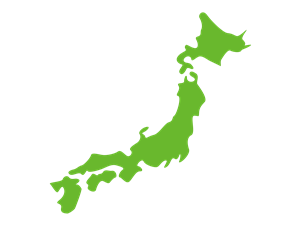
Japan’s bathing culture is diverse, but wherever you go, the core etiquette is usually the same: wash first, keep the bath clean, and share the space quietly.
Hokkaido
- More kon’yoku (mixed baths) remain in some rural areas.
- Outdoor baths with cold winter air are especially popular.
Kansai
- Super-sento (large bath complexes) are common.
- Some areas use strong alkaline water.
Kyushu
- Home to volcanic regions like Beppu and Kirishima.
- Steaming vents and unique “sand baths” appear in some areas.
Tohoku
- Quiet, traditional wooden baths are common.
- Known for rustic outdoor hot springs in mountain settings.
Beginner Mistakes to Avoid
- Entering the bath without washing first
- Putting your towel in the water
- Shouting or splashing
- Using shampoo inside the hot spring pool
- Taking photos in the bathing area
- Submerging your head underwater
- Wringing your towel into the bath
- Running (floors are slippery)
FAQ: Onsen Etiquette

Do I have to be completely naked?
Yes. Most onsens require full nudity; swimsuits are not allowed unless it is a special “bathing suit onsen.”
Can I enter during menstruation?
It depends on personal comfort, but many facilities discourage it for hygiene reasons.
Can children enter?
Yes. Families commonly visit onsens together.
Is it okay to bring a smartphone?
No — cameras are strongly restricted to protect privacy.
What if I am shy?
Try visiting during off-peak hours or choose a private onsen (貸切風呂 / kashikiri-buro).
Are tattoos really a problem?
Less than before. Many modern onsens allow them, especially in tourist areas.
How long should I stay in the water?
5–10 minutes is standard. Re-enter multiple short sessions rather than one long soak.
Is dye-treated hair allowed?
Yes, but do not soak your hair in the water.
Can I drink alcohol before bathing?
No. Entering hot water intoxicated is dangerous and strongly discouraged.
Why is washing before soaking so important?
Japanese bathing culture values shared purity — the bath must remain clean for everyone.
Related Articles
Author’s Note
These etiquette rules are not meant to intimidate you — they exist so everyone can enjoy the peaceful atmosphere of an onsen. Once you understand the logic, the experience becomes truly relaxing, and you can focus on what matters most: soaking quietly and enjoying the moment.

