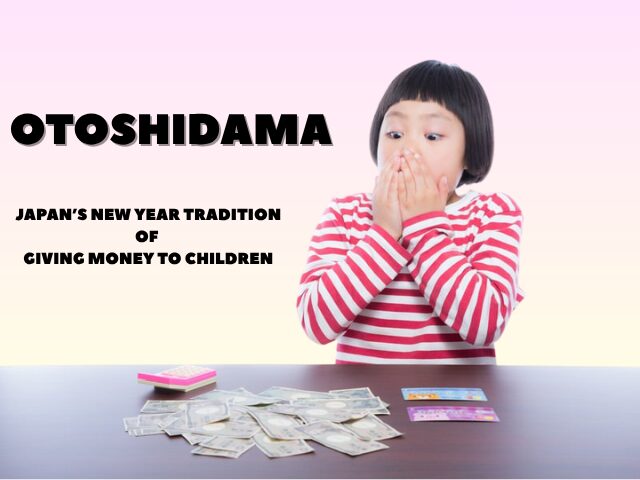
Otoshidama is a beloved Japanese New Year tradition in which adults give money to children in small decorated envelopes called pochibukuro.
For kids, it’s the biggest financial event of the year — a chance to buy something special.
This article explains the meaning, customs, modern trends, and how digital money is slowly changing the tradition.
What Is Otoshidama?
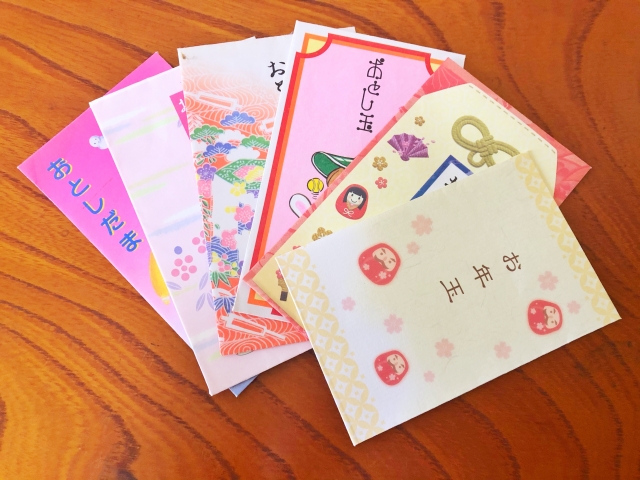
Otoshidama is money given to children by parents, grandparents, relatives, and sometimes close family friends during the New Year.
The money is placed in a small envelope called a pochibukuro, often decorated with cute or traditional designs.
For children, receiving otoshidama is a highlight of the holiday season — a moment of pure excitement and possibility.
Why Otoshidama Matters in Japanese Culture
A Symbol of Blessing and Good Fortune
Originally, households offered sacred items from the New Year deity (Toshigami).
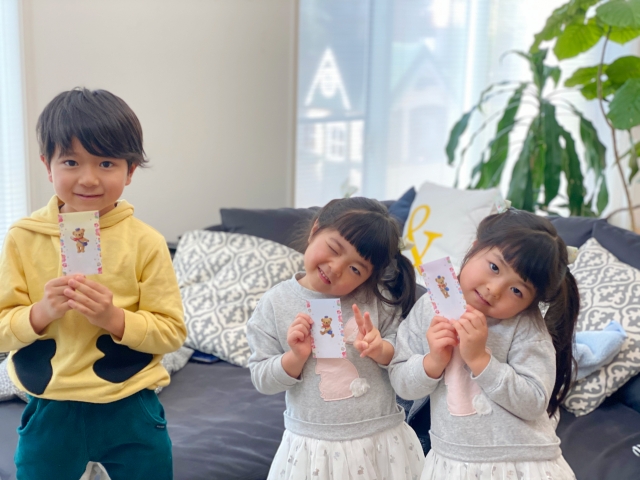
Over time, this transformed into giving money as a form of blessing for a child’s healthy growth and good fortune.
A Family Bonding Tradition
Otoshidama creates warm connections between generations.
Even relatives who rarely see each other share a moment of celebration through this custom.
A First Lesson in Money
For many kids, otoshidama is the first moment they manage a significant amount of money.
They learn saving, choosing, comparing, and budgeting through the excitement of the New Year season.
How Much Money Do Children Receive?
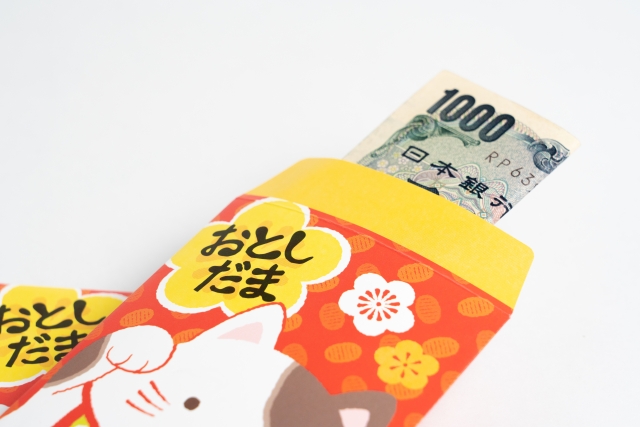
The amount varies widely depending on age and family traditions, but general ranges look like this:
- Kindergarten: ¥1,000〜¥2,000
- Elementary school: ¥3,000〜¥5,000
- Junior high: ¥5,000〜¥10,000
- High school: ¥10,000〜¥20,000
Families with many relatives may receive a large total, while children with fewer relatives naturally receive less.
Many kids secretly dream of having “more aunts and uncles” during New Year!
The Behind-the-Scenes Reality
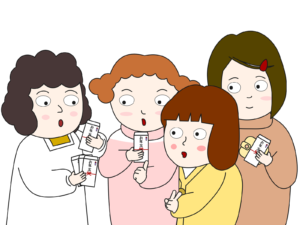
Deciding how much to give is surprisingly stressful for adults.
Because fairness matters, parents often coordinate with relatives in advance:
“Let’s agree on 3,000 yen this year — otherwise the kids will compare and it’ll get complicated.”
No one wants to be “the uncle who gave the least,” so families carefully balance amounts within their budget.
And of course — if you have many nephews and nieces, otoshidama can quickly become an expensive New Year ritual.
Etiquette: The Do’s and Don’ts
- Always use crisp, new bills if possible — it shows respect.
- Write the child’s name on the envelope (optional, but common).
- Keep amounts consistent among siblings to avoid drama.
- Avoid overly large amounts — balance is important
Modern Trends: What Kids Want Today
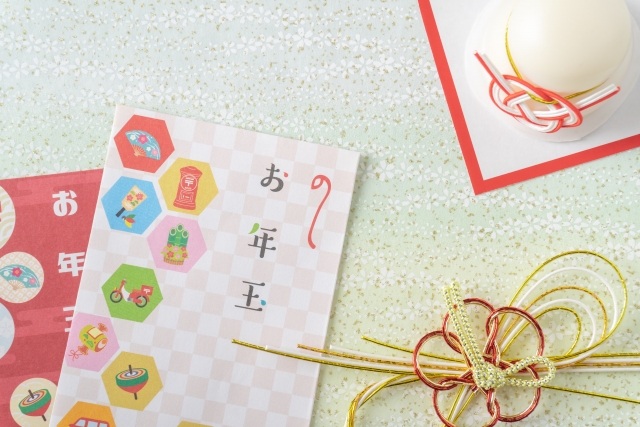
In the past, many children spent their otoshidama on toys, card games, manga, or saving for a big item.
Today’s kids often think about:
- video game downloads
- online subscriptions
- smartphone accessories
- saving for future expenses
Preferences evolve with the times, but the excitement of planning how to spend the money remains the same.
Digital Otoshidama: A Growing but Still Small Trend
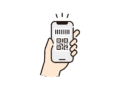
Recently, some families have begun giving otoshidama through digital money services such as PayPay or LINE Pay.
The trend grew during the COVID-19 pandemic, but the shift continues for several reasons:
Convenience
- No need to prepare crisp bills or buy envelopes
Fits Modern Lifestyles
Many children are already familiar with cashless payments, so digital otoshidama feels natural to them.
Financial Education
Some parents like the idea that kids can check their balance, track history, and learn money management in a digital environment.
But Still Less Than 10% of All Otoshidama
Despite these advantages, digital otoshidama is still a small minority — under 10%.
Most adults prefer handing over physical cash because it feels more heartfelt and meaningful.
As many say: “If I’m giving my hard-earned money, I want the child to feel its weight.”
Why Cash Remains the Favorite
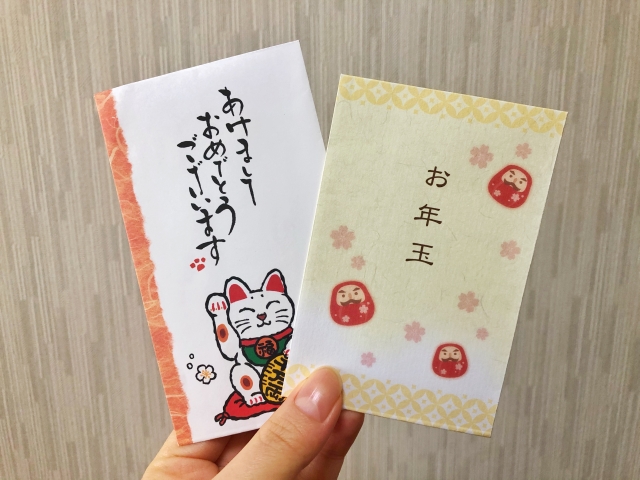
Even though digital payments are rising, physical envelopes have a special charm:
the texture, the anticipation, and the ritual of opening a pochibukuro.
These elements make otoshidama feel like a true New Year event.
Kids may increasingly wish for digital options, but adults — who value the tradition — still overwhelmingly choose cash.
Conclusion
Otoshidama beautifully connects generations through a simple yet meaningful act of giving.
Whether in cash or digital form, the tradition reflects Japan’s values of generosity, family bonds, and hopes for a bright future.
As times change, otoshidama continues to evolve — but its heart remains the same: a celebration of new beginnings and growing children.
Related Articles
- Nengajō: Japan’s New Year Greeting Cards
- Shimekazari & Kadomatsu
- From Christmas to New Year Overnight
- Ōsōji: Japan’s Year-End Cleaning Tradition
🧧 Plan Your Otoshidama
Need to find Pochi-bukuro envelopes or experience New Year shopping? Here are some convenient spots:
- Ito-ya Ginza (Stationery Specialist)
Official Website ↗
View on Google Maps ↗ - Kyukodo (Traditional Paper, Ginza)
Official Website ↗
View on Google Maps ↗ - Hands Shinjuku (Department Store)
Official Website ↗
View on Google Maps ↗

