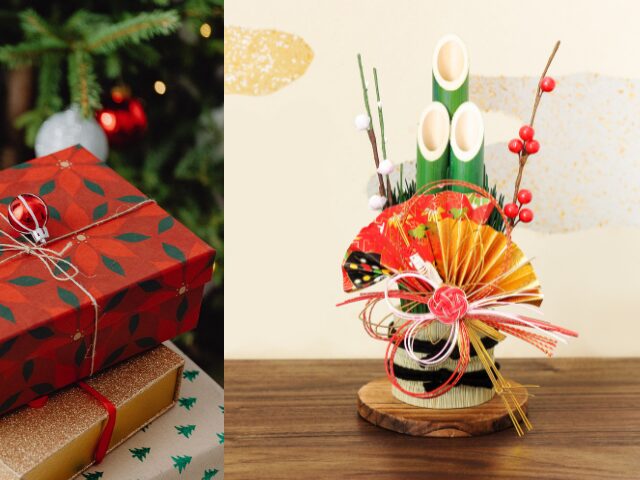
In many countries, Christmas decorations remain until January.
But in Japan, something striking happens: the moment Christmas ends on December 25th, the entire atmosphere shifts overnight.
On December 26th, Santa displays disappear, and stores fill with shimekazari, kadomatsu, kagami mochi, and ingredients for traditional New Year dishes.
It feels as if the country has changed seasons in a single night.
Why the Switch Happens So Fast
This dramatic shift comes from the cultural difference in how Christmas and the New Year are viewed in Japan:
- Christmas is a light, seasonal event — illumination, gifts for children, and romantic dinners.
- The New Year is spiritually significant — a time to welcome the deity Toshigami, reset life, and start fresh.
Because the New Year holds deeper meaning, Japan quickly leaves Christmas behind and focuses on preparing for a sacred beginning.
Ōsōji: Clearing Space for the New Year

Before the New Year, families perform ōsōji, a deep cleaning that removes the dust, worries, and bad luck of the past year.
This is not merely tidying — it is a ritual reset.
Once the home is spiritually refreshed, people hang shimekazari and prepare to welcome Toshigami.
The cultural rhythm naturally leaves no place for a “post-Christmas” atmosphere.
Why January 1st Is a Clear Reset Point
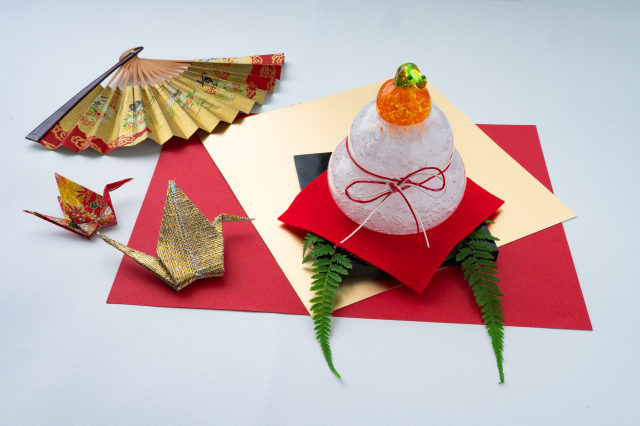
For many Japanese people, January 1st is more than the first day of the calendar —
it is a complete reset, a moment to start the year with a clean slate.
This is why Christmas, as a “previous-year event,” is never carried over into January.
Carrying its mood into the new year would feel culturally inappropriate.
The first sunrise, the first shrine visit, the first meal — everything on January 1st symbolizes a new beginning.
People want to greet the New Year with a clear mind and positive spirit.
A Visual Transformation Overnight
Japan’s quick transition is especially visible in shops.
In just one night, store displays change dramatically:
- Christmas cakes → kagami mochi
- Santa goods → shimekazari and kadomatsu
- Party snacks → osechi ryōri ingredients
- Romantic decorations → banners for family gatherings and shrine visits
This overnight shift aligns with both cultural expectations and commercial needs.
The Business Side: A Major Year-End Sales Push
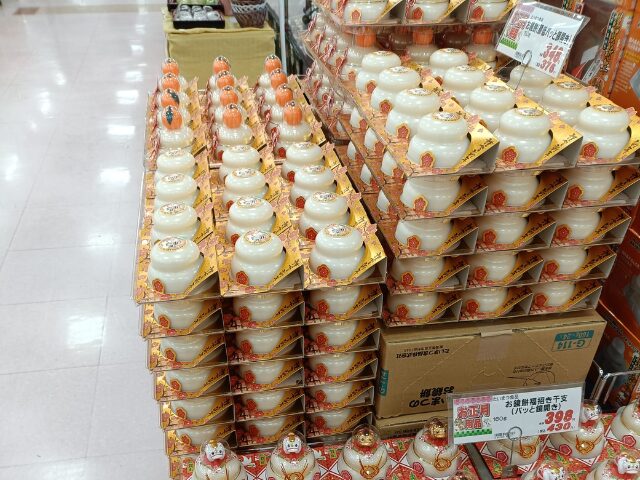
December’s final week is one of the biggest sales periods of the year for supermarkets and retailers.
Once Christmas ends, stores quickly pivot to high-demand New Year products:
- ingredients for osechi ryōri
- noodles for toshikoshi soba
- shimekazari and kadomatsu
- kagami mochi
- amazake and Japanese sake
Because these items must be sold before January 1st, the commercial push accelerates the cultural transition.
Both tradition and business create the same result: a swift shift toward the New Year.
The Japanese Sense of “Boundary”

Japan places strong value on clear transitions — finishing one thing properly before moving to the next.
Removing Christmas decorations and preparing New Year ornaments creates a visible boundary that signals:
“The old year is ending. It is time to reset.”
This sense of boundary explains why the shift feels so sudden yet completely natural within Japanese culture.
How This Differs From Western Traditions
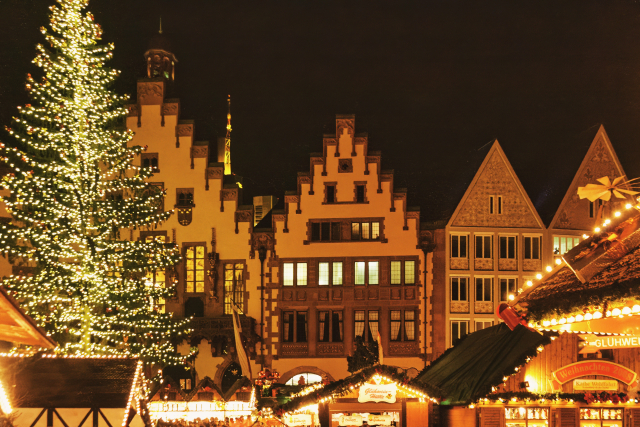
In many Western countries, Christmas and New Year belong to the same festive season.
Trees and lights stay up until early January, and the atmosphere flows gradually from one holiday to the next.
In Japan, the two events have separate meanings:
- Christmas = casual, fun, short-lived
- New Year = sacred, family-centered, deeply traditional
Because the emotional center of winter holidays is the New Year, the country shifts focus immediately once December 25th ends.
Conclusion: A Fast but Meaningful Reset
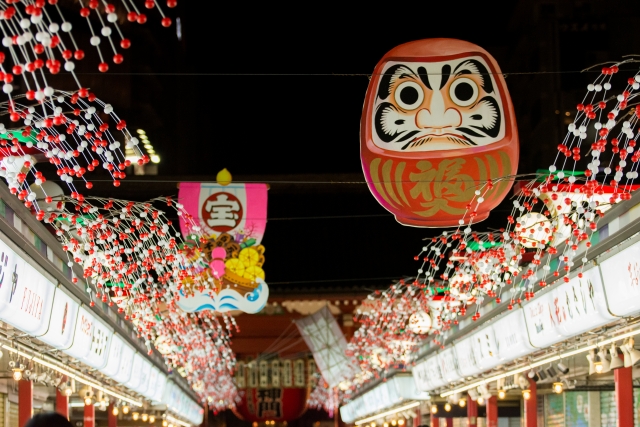
Japan’s overnight change from Christmas to New Year is not abrupt — it follows a thoughtful cultural rhythm:
- enjoy the brightness of Christmas
- clear the space with ōsōji
- welcome the New Year with purity and gratitude
This quick transition is a way of preparing both home and heart for a hopeful new beginning.

