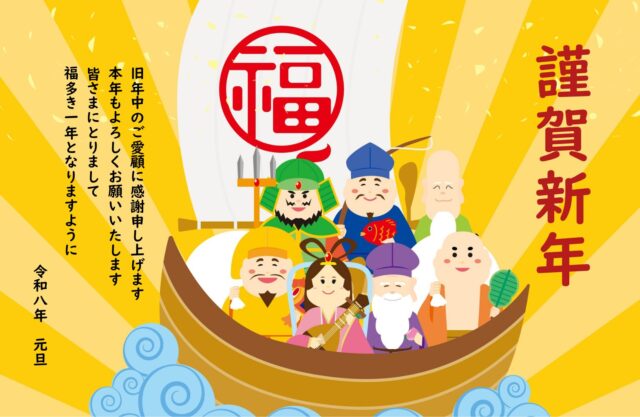
Nengajō are Japan’s traditional New Year greeting cards, sent to mark the start of the year with gratitude and respect. Once a near-universal custom, nengajō are now declining due to rising costs, digital communication, and changing lifestyles. Yet despite this shift, the tradition still reveals something essential about Japanese culture: how relationships are maintained, how years are “closed,” and why physical effort still matters in moments of transition.
This article explains what nengajō are, why fewer people send them today, and why the custom has not disappeared entirely.
What Is a Nengajō?
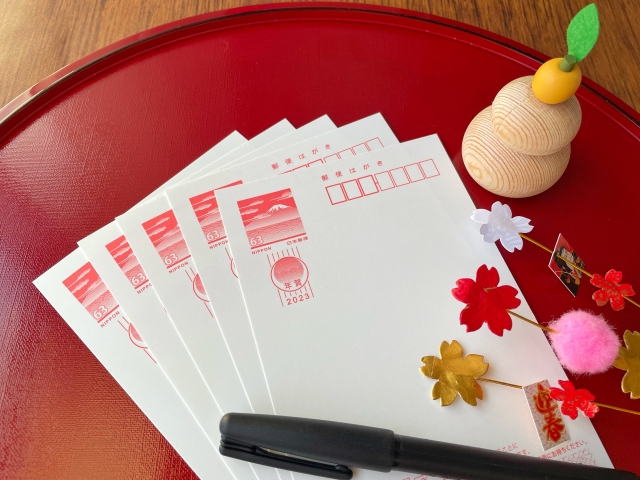
A nengajō is a postcard sent to friends, family, colleagues, and acquaintances to welcome the New Year.
What makes this custom unique is Japan Post’s special delivery system: cards mailed by a mid-December deadline are delivered simultaneously on January 1st, nationwide.
For decades, opening the mailbox on New Year’s morning and finding a stack of cards was a defining Japanese New Year experience—quiet, personal, and ritualistic.
The Cultural Value Behind Nengajō
Maintaining Social Connections
Nengajō help maintain relationships that may not involve regular contact. A brief message—often no more than a polite greeting and thanks—keeps social ties warm without requiring a long conversation.
Creating a Clear Boundary Between Years
Japanese culture places great importance on clear transitions. Nengajō symbolically close the old year and open the new one, reinforcing the sense of a fresh start.
Expressing Gratitude and Respect
From teachers and coworkers to relatives and mentors, nengajō provide a socially accepted moment to express appreciation—something that can otherwise feel awkward to say directly.
Traditional Designs: Why the Zodiac (Eto) Matters
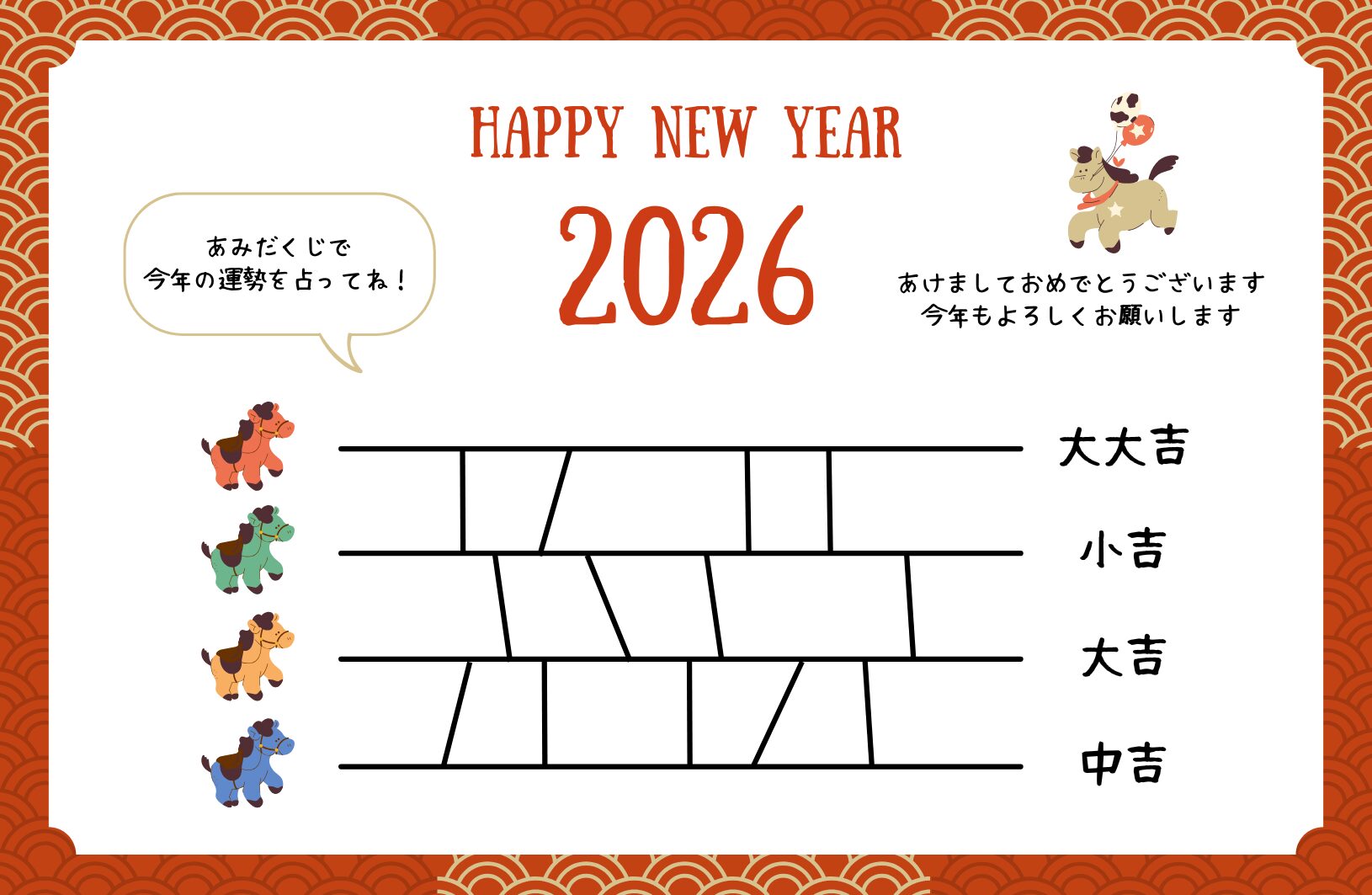
Most nengajō feature the year’s zodiac animal (eto), making it one of the most recognizable elements of Japanese New Year aesthetics.
Common motifs include:
- Zodiac animals — symbols of luck and renewal
- Mount Fuji — strength and hope
- The first sunrise of the year — new beginnings
- Pine, bamboo, and plum — traditional symbols of good fortune
- Family photo cards — increasingly popular from the 2000s onward
Although designs allow creativity, choosing them can be surprisingly stressful. For many people, that pressure became another reason to switch to digital greetings.
How to Write a Nengajō
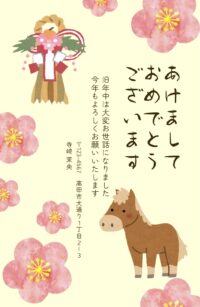
Most nengajō follow a simple structure:
- A New Year greeting
- Thanks for the previous year
- A wish for continued connection
- Your name
- (Optional) a short personalized note
Handwritten messages are valued for their sincerity—but they also require time and effort, which contributes to the tradition’s decline.
Nengajō Etiquette You Should Know
Arrive on January 1st
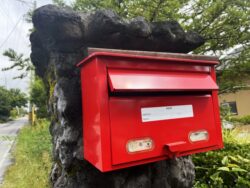
Cards must be mailed early enough to meet Japan Post’s New Year delivery deadline.
Avoid Sending to Someone in Mourning
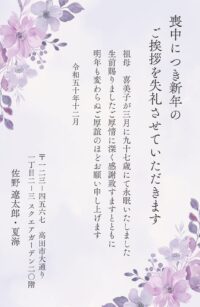
People in mourning send a mochū hagaki to indicate that they will not exchange celebratory greetings.
Match the Tone to the Relationship
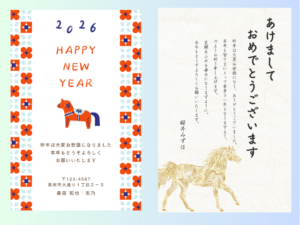
Playful designs are fine for friends, while professional contacts expect simpler, more restrained styles.
Why Nengajō Are Declining

1) Rising Postage Costs
Postcard prices in Japan have increased steadily:
| 1972 | 10円 |
| 1976 | 20円 |
| 1981 | 30 yen |
| 1989 | 41 yen |
| 1994 | 50 yen |
| 2014 | 52 yen |
| 2017 | 62 yen |
| 2019 | 63 yen |
| 2024 | 85 yen |
For people who once sent 50–100 cards, the cost is now significant.
2) Time and Effort
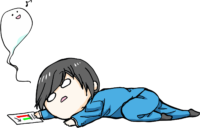
Designing, printing, addressing, and mailing cards takes time. Mistakes mean reprints, wasted cards, and expensive ink—often the biggest hidden cost.
Many people simply decided the effort no longer matched the reward.
3) Digital Alternatives

Apps like LINE make it easy to send New Year messages instantly—often to large groups at once. For many, convenience outweighs tradition.
Why Companies Still Send Nengajō
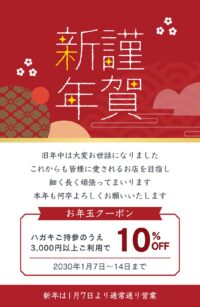
Interestingly, while individuals stop sending cards, many businesses continue.
- Restaurants sending coupons
- Clothing stores announcing New Year sales
- Hair salons reminding customers to book appointments
Because people have more free time during the holidays, physical postcards often receive more attention than digital ads.
Why Some People Still Keep the Tradition
Despite the decline, nengajō persist because they offer something digital messages cannot:
- A clear cultural reset
- A physical sense of effort and sincerity
- Respect across generations
- Strong feelings of nostalgia
Even people who stop sending cards often enjoy receiving a few heartfelt ones.
FAQ

Are nengajō a religious tradition?
No. Nengajō are a cultural custom centered on expressing gratitude and maintaining social relationships, not religious belief.
Do Japanese people still send nengajō today?
Yes, but far fewer than in the past. The tradition has declined significantly, especially among younger generations.
Is it rude to stop sending nengajō?
No. Gradually stopping is common in modern Japan and is generally understood and accepted.
Can foreigners send nengajō?
Yes. Sending a nengajō is seen as polite and thoughtful, even when sent by non-Japanese residents or visitors.
Conclusion
Nengajō may be fading, but they remain a powerful window into Japanese values—gratitude, connection, and the importance of beginnings.
Whether handwritten or digital, the desire to greet the New Year with sincerity is still very much alive in Japan.

