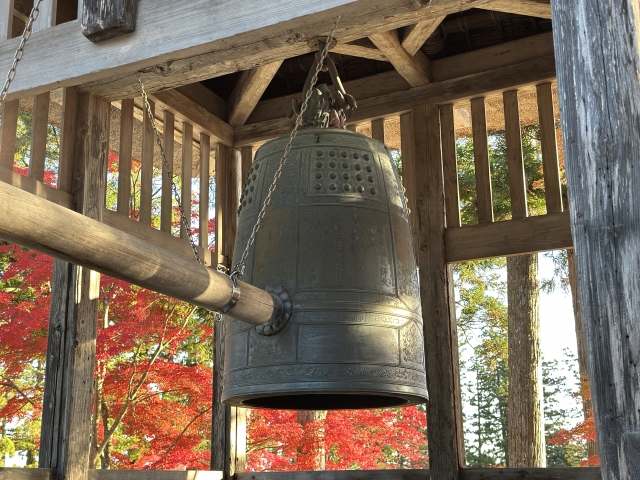
Joya no Kane is the Japanese tradition of ringing temple bells 108 times on New Year’s Eve. It isn’t a loud countdown party; it is a spiritual deep breath.
Each strike of the bell symbolizes the release of worldly burdens—like anger and anxiety—allowing people to "reset" their hearts and welcome January 1st with a clear mind.
What Is Joya no Kane?
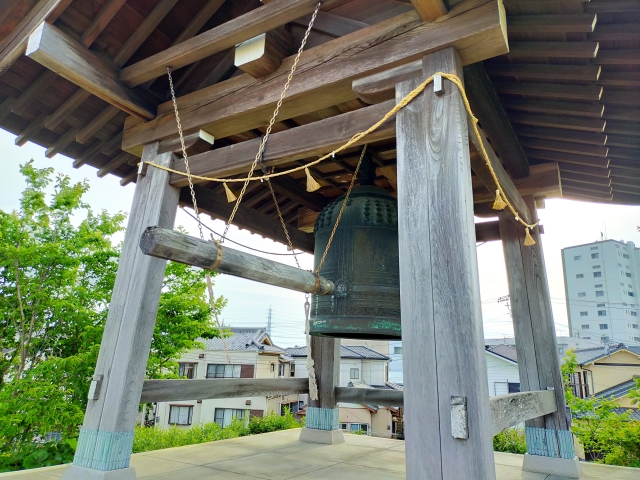
Joya no Kane literally means “the bell of New Year’s Eve.” On the night of December 31, Buddhist temples across Japan ring their large bronze bells in a slow, echoing rhythm.
While fireworks and cheering mark the New Year in many Western countries, Japan’s approach is different. The atmosphere is calm, cold, and reflective. Whether performed by monks or visitors lining up to strike the bell, the ritual serves one purpose: to close the old year properly before the new one begins.
Why 108 Times?

The number 108 is deeply rooted in Buddhist belief.
It is said that humans are burdened by 108 bonnō (worldly desires or passions) that disturb the mind. These include common human struggles such as:
- Anger
- Greed
- Jealousy
- Attachment to the past
In this tradition, each toll of the bell is a symbolic release. Think of it not as a magic spell, but as a gentle reminder to let go.
With every strike, you leave behind a little bit of the year’s weight, making space for a fresh start.
A “Reset Button” for the Soul
Why do Japanese people cherish this sound so much?
It’s because Joya no Kane fits into the broader Japanese philosophy of New Year’s: You cannot begin a new chapter until you have properly closed the old one.
Just as people deep-clean their homes (Ōsōji) and finish all their work before December 31, the bell serves as a "deep clean" for the heart.
It is a communal "reset button" that everyone can hear.
What Does It Feel Like?
If you are in Japan on New Year’s Eve, listen carefully.
The sound of the bell is low, spacious, and slow. Because the bell is rung 108 times over an hour or so, there is a long silence between each strike.
It doesn’t feel like a countdown timer. It feels like the year is slowly exhaling.
For many, this sound is grounding. It reminds us that the new year doesn’t need to begin with a bang—it can begin with a quiet, steady breath.
How to Participate (Etiquette)

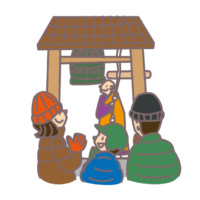
At some temples, only monks ring the bell. However, many temples allow visitors to take turns striking it. If you join in, here is some simple etiquette to keep in mind:
- Dress warmly: Japanese winter nights are cold, and lines can be long.
- Be respectful: This is a moment of reflection, not a party. Keep voices low.
- Strike gently: If it’s your turn, bow once, strike the bell with a calm motion, and bow again. One strike is enough.
Even if you don’t go to a temple, you can participate just by listening. Many families watch the ritual on TV (Yuku Toshi Kuru Toshi) or simply open their windows to hear the distant sound.
Common Misunderstandings
- “Is it only for religious people?” No. While it is Buddhist in origin, most Japanese people view it as a cultural custom. You don’t need to be Buddhist to appreciate the moment of peace.
- “Does the bell erase my sins?” It’s better understood as a psychological reset. It helps you mentally separate from your past mistakes so you don’t carry them into the new year.
FAQ

When does the ringing start?
Most temples start ringing late on December 31st (around 11:00 PM) and finish the 108 strikes just after midnight into January 1st.
Why is it so quiet compared to Western New Year?
Western New Year often focuses on celebrating the future. Joya no Kane focuses on purifying the past. The silence helps people reflect.
Can tourists ring the bell?
Yes! Many local temples welcome visitors to ring the bell. Larger, famous temples may have restricted access or require tickets due to crowds.
Key Takeaways
- Joya no Kane is the ringing of temple bells 108 times to mark the end of the year.
- The 108 strikes symbolize letting go of human desires like anger, greed, and anxiety.
- It is a ritual of ending, focusing on clearing the mind rather than loud celebration.
- The sound acts as a cultural boundary, helping people transition into the New Year with a clean slate.
Conclusion
Joya no Kane is one of Japan’s most powerful sounds. It is not about excitement; it is about relief.
In that deep, resonant rhythm, Japan finds something simple and human: A chance to let go of yesterday’s burdens and face tomorrow with a lighter heart.

