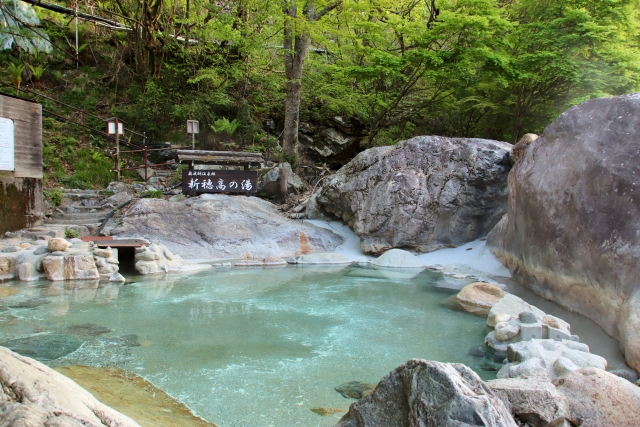
Onsen in Japan are natural hot spring baths filled with mineral-rich water heated by volcanic activity.
Unlike ordinary baths, onsen represent a unique cultural experience shaped by centuries of tradition, seasonal beauty, and etiquette.
This beginner-friendly guide explains what an onsen is, how it differs from a public bath (sento), why hot springs became central to Japanese life, and what first-time visitors should know before entering.
What Is an Onsen?
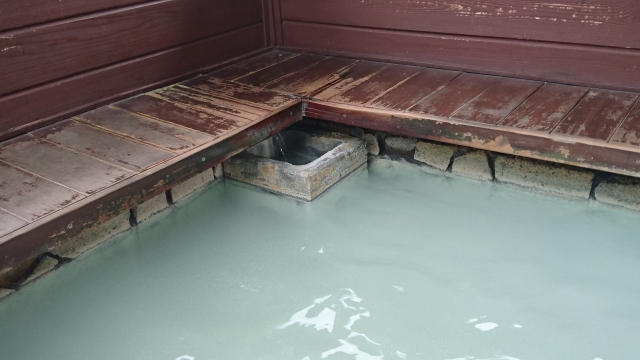
Some mineral-rich springs turn the water milky white and slightly opaque.
An onsen is a natural hot spring bath defined by geothermal water that meets specific mineral and temperature standards under Japanese law.
Under Japanese law, water qualifies as “onsen” if it meets at least one of the following conditions:
- It naturally rises at 25°C (77°F) or hotter
- It contains a legally defined level of minerals or other geothermal components
For centuries, people in Japan have visited onsen for healing, relaxation, and community bonding.
Today, they remain one of the most iconic cultural experiences in the country — welcoming locals and travelers alike.
The Difference Between Onsen and Sento
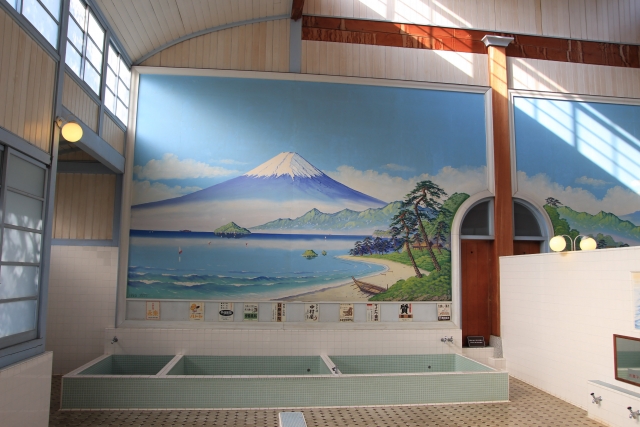
A sento is a public bathhouse that uses heated tap water, often decorated with murals like Mount Fuji.
Although both are places for bathing, onsen and sento are not the same:
- Onsen: Natural geothermal hot spring water containing minerals.
- Sento: Public bathhouse using heated tap water, often decorated with murals.
Both require similar etiquette, but the water sources and cultural purposes differ.
Why Are There So Many Onsen in Japan?
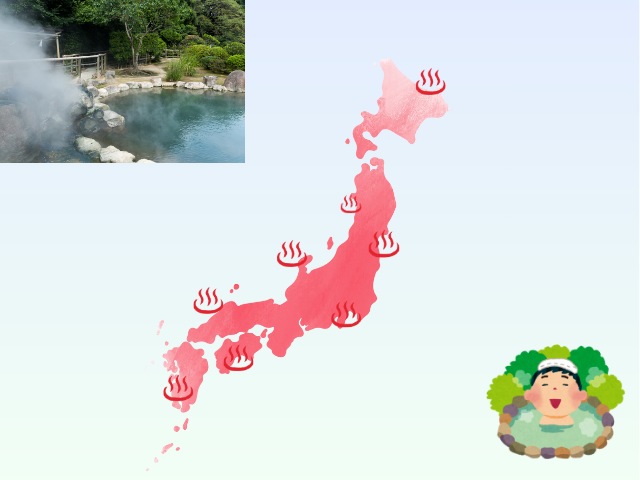
Japan’s volcanic geography creates thousands of hot springs across the country.
Japan sits on active volcanic zones, which is why the country has more than 3,000 onsen areas nationwide.
Because of this volcanic geology, thousands of natural hot springs form across the archipelago, each with different characteristics depending on the minerals dissolved in the water.
Hot spring bathing appears in some of Japan’s earliest chronicles, and the practice evolved through Buddhism, samurai culture, and public bathing traditions.
Today, onsen remain an important part of seasonal life, wellness habits, and regional tourism.
Popular Onsen Water Types and What They’re Known For
Different minerals can give onsen water its color, aroma, and a distinct “feel” on the skin. In Japan, people have long connected certain spring types with toji (hot spring rest-cure) traditions and everyday wellness habits.
Note: The descriptions below reflect traditional beliefs and common bathing impressions, not medical advice. Experiences can vary depending on the facility and the exact mineral balance of the spring.
Simple Onsen (Tanjun-sen)
With relatively low mineral content, simple springs are often described as gentle and easy to soak in—especially if you’re new to onsen or prefer a milder bathing feel.
Famous locations: Gero Onsen, Hakone Yumoto
Chloride Springs (Enka-butsu-sen)
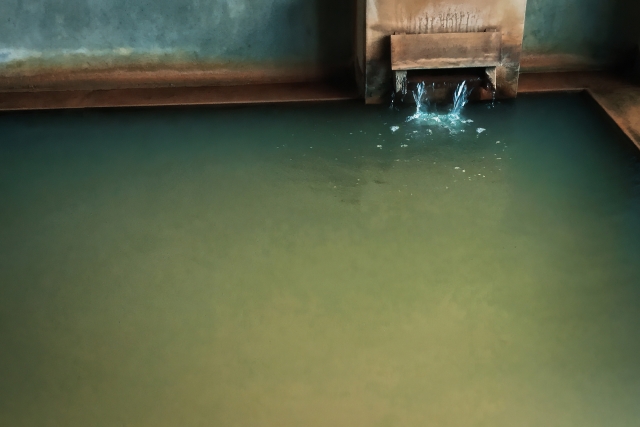
Chloride springs are traditionally described in Japan as “warming” baths. Many bathers say the warmth feels long-lasting after you get out, which is one reason they’re popular in colder seasons.
Famous locations: Arima Onsen, Noboribetsu Onsen
Bicarbonate Springs (Tansan-sen)
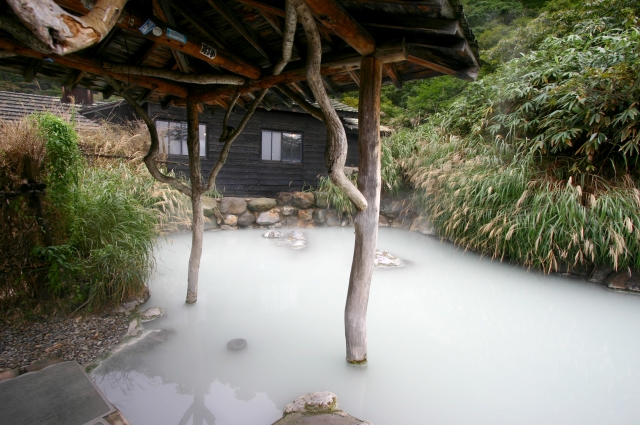
Sulfur springs are often recognizable by their milky color and distinctive aroma.
Bicarbonate springs are often nicknamed “beauty baths” in Japanese onsen culture. Bathers commonly describe the water as smooth and soft-feeling, though the sensation depends on the spring and facility.
Famous locations: Nyuto Onsen, Shirahama Onsen
Sulfate Springs (Ryusan-sen)
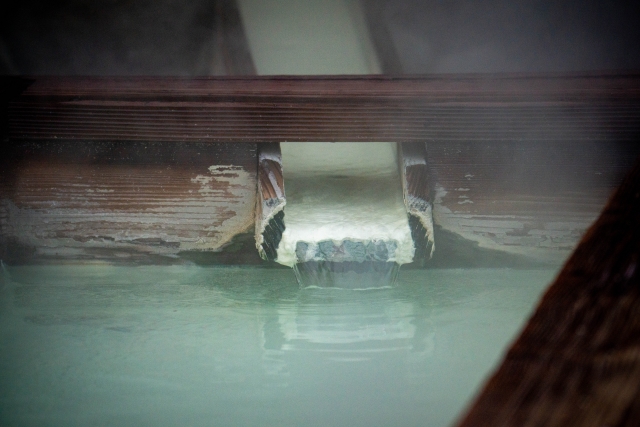
Mineral deposits (yu-no-hana) can form naturally where hot spring water flows.
In traditional toji culture, sulfate springs are sometimes associated with “rest and recovery” bathing. Many people describe them as calm, balanced baths that feel especially relaxing after a long day.
Famous locations: Shima Onsen, Ikaho Onsen
Sulfur Springs (Iou-sen)
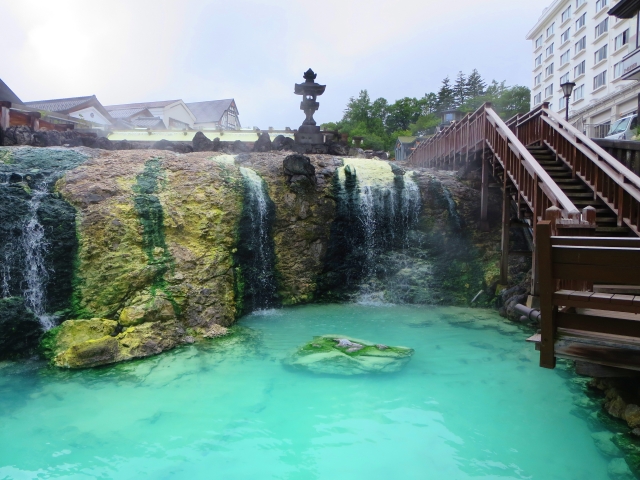
Kusatsu is famous for strong, volcanic hot spring water and dramatic steaming landscapes.
Recognizable by their strong aroma, sulfur springs are one of the most iconic “volcanic” onsen types. In Japanese hot spring traditions, they’re often spoken of as powerful baths, and many visitors remember the distinctive smell and milky-looking water.
Famous locations: Kusatsu Onsen, Manza Onsen
Seasonal Beauty: Why Outdoor Baths Feel Magical
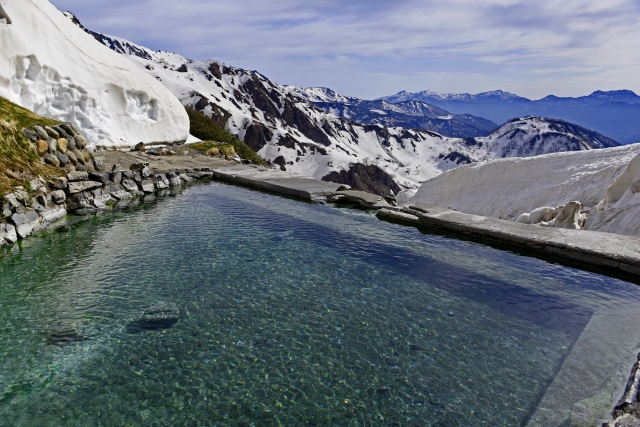
One of the most beloved parts of Japanese hot springs is the rotenburo — outdoor baths that let you enjoy nature while soaking in mineral-rich water.
- Winter: Snow falls silently around steaming water — the iconic snow-viewing bath.
- Spring: Cherry blossoms drift across the surface as sakura trees bloom overhead.
- Summer: Lush mountains and cool night air create deep relaxation.
- Autumn: Fiery red and golden leaves surround the bath with dramatic color.
For many Japanese people, bathing in a rotenburo while surrounded by nature is the ultimate moment of peace.
Basic Onsen Etiquette

Onsen etiquette is essential for all visitors. The basics include:
- Wash your body thoroughly before entering.
- Towels must not touch the bathwater — place the small towel on your head.
- Long hair should be tied up.
- Keep quiet and avoid splashing.
- No photos inside bathing areas.
Understanding these simple rules ensures a respectful and relaxing experience for everyone.
FAQ: Common Questions About Onsen

Do I have to be fully naked?
Yes. Onsen are entered without clothing. A small towel is used only outside the water.
Can people with tattoos enter an onsen?
Some onsen allow tattoos, others do not. However, private baths (kashikiri onsen) are widely available.
What if I feel shy or nervous?
Private and family baths are perfect for beginners or anyone uncomfortable with shared bathing.
Are mixed-gender onsen common?
They still exist but are rare. Most onsen today separate men's and women's baths.
Conclusion
Onsen are far more than hot water — they represent Japanese tradition, seasonal beauty, and a deeply cultural approach to relaxation.
Understanding the basics of water types, etiquette, and seasonal charm will help you enjoy one of Japan’s most unforgettable experiences.

