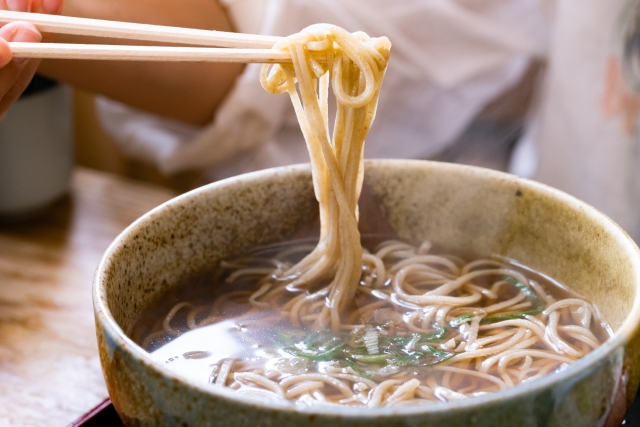
In Japan, the final evening of the year — Ōmisoka — is celebrated quietly with a special bowl of soba noodles called toshikoshi soba.
The name means “year-crossing noodles,” and this simple dish carries a deep message of farewell and renewal.
It marks the closing of one year and the beginning of another, reminding people to let go of hardships and welcome a fresh start.
Why Japanese People Eat Soba on New Year’s Eve
The tradition dates back to the Edo period (1603–1868).
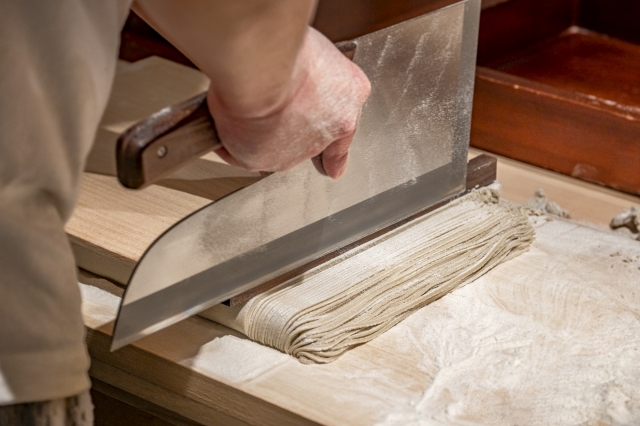
Soba noodles, made from buckwheat, are long, thin, and easy to cut — symbolizing a smooth break from the past year’s misfortunes.
At the same time, their length represents a wish for long life and prosperity in the year to come.
Eating soba before midnight is believed to bring good luck and help you “cross over” into the new year with a clear heart.
The Symbolism Behind the Noodles
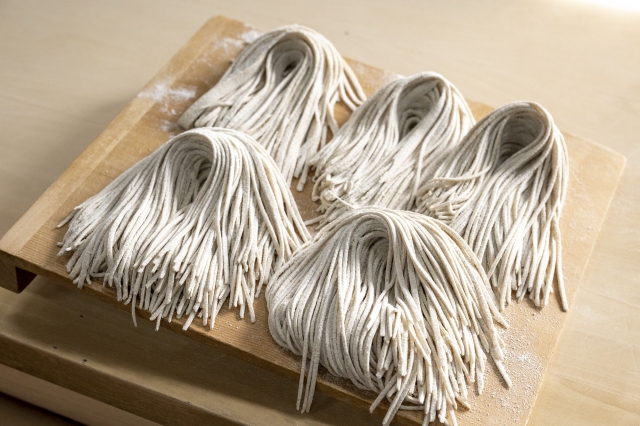
- Length – longevity and endurance
- Cutting easily – letting go of troubles and debts
- Simple flavor – humility and mindfulness
Toshikoshi soba is more than a meal; it is a moment of reflection and gratitude for having lived another year.
Regional Variations
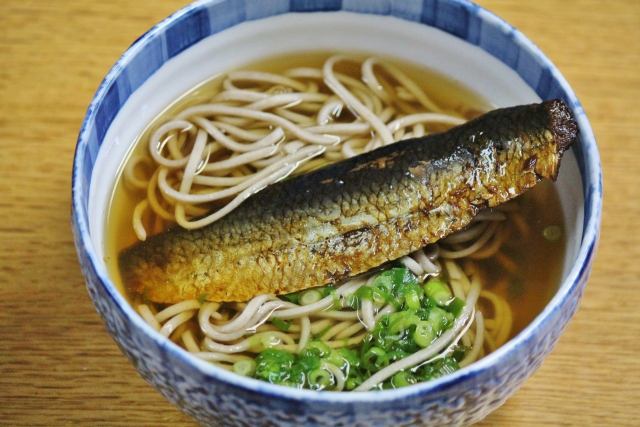
Across Japan, each region gives its own twist to the dish:
- Tokyo (Edo-style): hot soba in a soy-based broth with green onions and tempura
- Hokkaido: soba with herring (nishin soba)
- Kyoto: delicate broth with sliced fish cakes
- Nagano: handmade soba with mountain vegetables
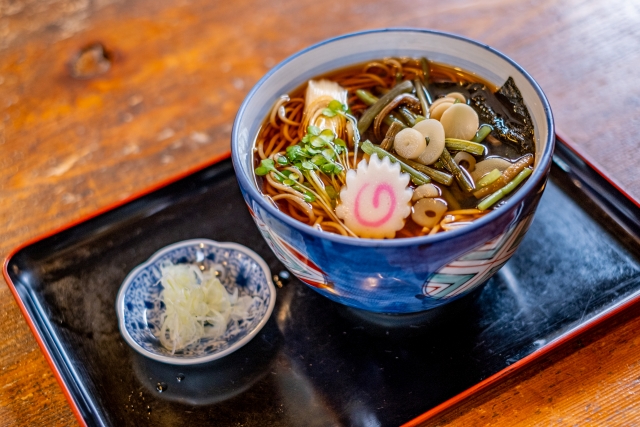
These local styles show how soba reflects both community and climate — a taste of regional pride shared at year’s end.
When to Eat Toshikoshi Soba
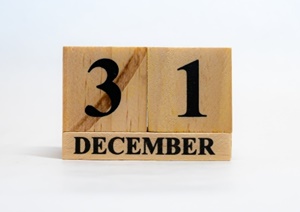
Traditionally, it is eaten on the night of December 31st, before the clock strikes midnight.
Some families enjoy it just after the evening’s ōsōji (year-end cleaning), while others make it part of a quiet countdown meal.
The important thing is the intention — not the timing.
Each slurp carries a silent prayer:
“May the new year flow smoothly.”
Modern Takes on a Classic Custom
Even today, people line up at soba shops or cook it at home before the New Year’s bell rings.
Instant soba bowls and convenience store versions are also popular, allowing anyone to join the tradition.
Whether traditional or modern, the feeling is the same — gratitude for the past and hope for the future.
Conclusion: A Simple Bowl, A Deep Meaning
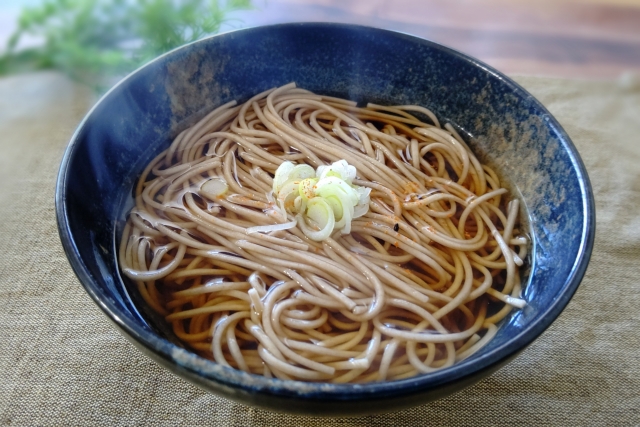
Toshikoshi soba captures the essence of Japanese culture:
simplicity, mindfulness, and appreciation for the passing of time.
As the year ends, one quiet meal connects people across generations —
a bowl of noodles that carries centuries of meaning.

