
Praying at a Shinto shrine is a traditional Japanese practice of showing respect and gratitude toward the kami (Shinto deities).
Rather than strict religious worship, shrine prayer is a calm ritual rooted in purification, mindfulness, and awareness of sacred space.
Understanding this etiquette helps explain why gestures such as bowing, clapping, and cleansing matter—and why items like goshuin and omamori are treated with care.
This guide explains the basic steps of praying at a Shinto shrine, common mistakes to avoid, and the cultural meaning behind each gesture.
Step 1: Purify Yourself at the Temizuya
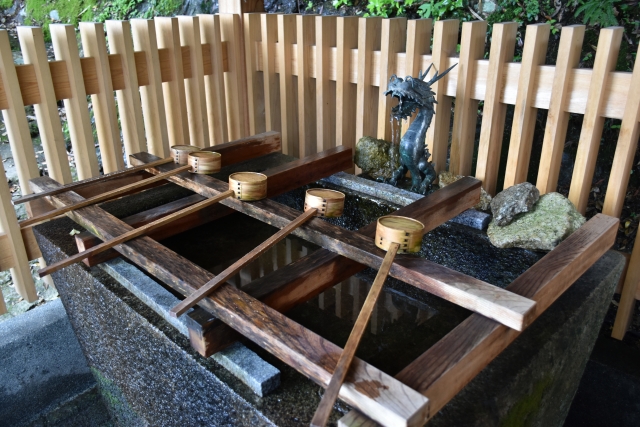
Before you approach the main hall, stop at the temizuya, the water basin used for purification.
This ritual is not only about physical cleanliness. It symbolizes purifying both body and spirit before greeting the kami.
- Take the ladle with your right hand and pour water over your left hand.
- Switch hands and pour water over your right hand.
- Pour a little water into your left hand and gently rinse your mouth.
Never touch the ladle directly to your lips. - Rinse your left hand again.
- Let the remaining water run down the handle of the ladle to cleanse it before putting it back.
After this short ritual, you are symbolically prepared to enter the sacred space with a clear heart.
Step 2: Walk Through the Torii Gate
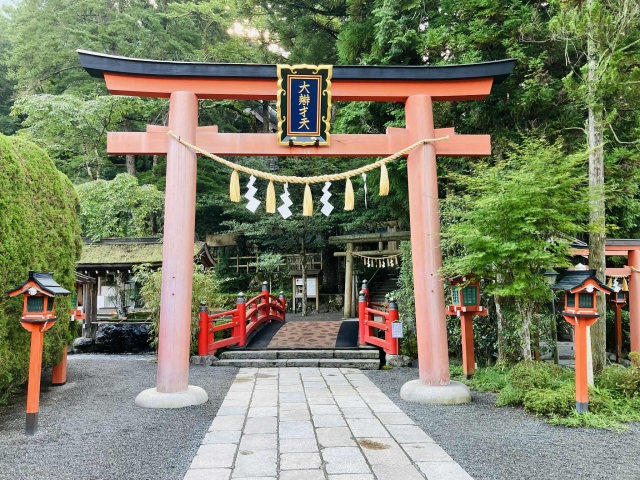
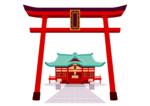
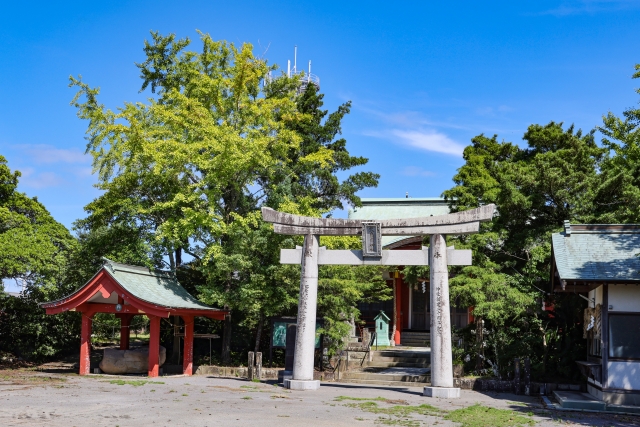
The torii gate marks the boundary between the everyday world and the sacred realm of the shrine.
- Bow once lightly before passing through the torii.
- Walk slightly to the side of the main path, not in the center. The center is traditionally considered the path of the gods.
- As you walk toward the main hall (haiden), keep your pace calm and your voice quiet.
This small act of awareness shows that you recognize the shrine as a special place.
Step 3: Ring the Bell and Make an Offering
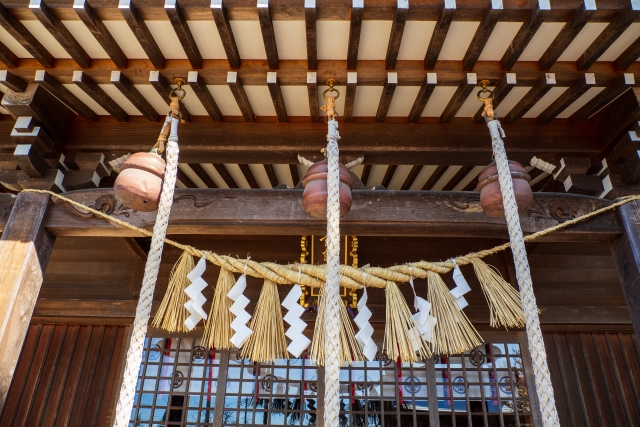
At many shrines, you will find a bell (suzu) hanging above the offering box.
- Stand in front of the offering box and gently ring the bell to announce your presence to the kami.
- Drop a coin into the box. The amount is up to you, but a 5-yen coin is considered lucky because go-en sounds like “good relationship” in Japanese.
More than the amount of money, what matters is the sincerity behind your offering.
Step 4: The “Two Bows, Two Claps, One Bow” Ritual
This is the classic method of Shinto prayer and is easy to remember once you know the pattern.
- Bow deeply twice.
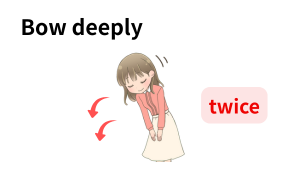
- Clap your hands twice.
This is to call the attention of the kami.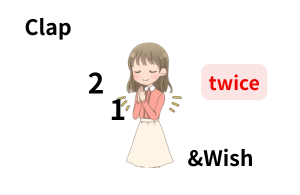
- With your hands still together, close your eyes and silently offer your prayer.
You can express gratitude, ask for guidance, or simply take a moment to reflect. - Finish with one final deep bow.
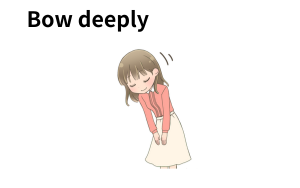
This quiet sequence expresses humility, respect, and a wish to connect with something beyond yourself.
Step 5: Leaving the Shrine
After your prayer, step back from the main hall.
- Bow once more toward the main hall before turning away.
- As you pass back through the torii gate, bow lightly again to show gratitude before re-entering everyday space.
This final bow closes your visit in a respectful and graceful way.
Common Mistakes to Avoid

Even well-meaning visitors sometimes make cultural missteps.
Avoiding these will help you blend in and show genuine respect.
- Walking in the center of the path under a torii – Walk slightly to the side; the center is reserved for the gods.
- Skipping purification – Cleansing at the temizuya is a basic first step.
- Throwing coins forcefully – Gently offer them; this is not a game.
- Clapping the wrong number of times – Follow “two bows, two claps, one bow.”
- Ringing the bell too aggressively – One or two light pulls are enough.
- Taking photos during someone else’s prayer – Wait until people have finished praying, and check for signs restricting photography.
- Entering restricted areas – Respect ropes, fences, and signs that mark off sacred or staff-only spaces.
These details may seem small, but they show deep consideration and are always appreciated by locals.
Tips for Visitors
- Speak quietly and move calmly within shrine grounds.
- Check for signs about photography near the main hall or sacred objects.
- During a traditional mourning period (kichū), some Japanese avoid shrines for about 50 days after a family member’s death.
- You do not need to be Shinto or religious to visit a shrine. Anyone can participate respectfully as a cultural practice.
Think of your visit as a chance to pause, breathe, and appreciate a different way of relating to the world.
FAQ: Shinto Shrine Prayer

Do I need to be religious to pray at a Shinto shrine?
No. Anyone can take part respectfully, regardless of religion or background.
Many visitors treat shrine prayer as a quiet moment of reflection or gratitude rather than a religious obligation.
Why do Japanese people clap twice when they pray?
The two claps are meant to call the attention of the kami and mark the moment of communication.
It is a way of saying, “I am here,” before offering your thoughts or wishes.
Is a 5-yen coin required as an offering?
No. Any coin is fine, but 5 yen is traditionally considered lucky because go-en sounds like the word for “good connection” or “good relationship” in Japanese.
What should I pray for at a shrine?
You can pray for anything: health, safe travels, success, protection for loved ones, or simply for a peaceful mind.
Many people begin with gratitude before making a request.
Can I take photos inside the shrine?
Often you can take photos around the grounds, but avoid photographing people while they are praying and always obey signs that restrict photography near sacred spaces or objects.
Can I receive a goshuin without praying?
Generally, no.
A goshuin is meant to be a record of worship, so visitors are expected to pray before requesting one.
Cultural Background: Why These Rituals Matter
Shinto is Japan’s native belief system, centered not on strict doctrines but on gratitude, nature worship, and respect for unseen forces.
The rituals at shrines reflect broader Japanese values that appear in daily life: cleanliness, humility, and harmony with the environment.
Purifying at the temizuya mirrors Japan’s emphasis on physical and spiritual cleanliness.
Walking off-center under the torii shows humility.
Bowing and clapping express respect without needing words.
Seen this way, visiting a shrine is not only a religious act but also a window into how Japanese people relate to nature, community, and the flow of everyday life.

