In Japan, giving a gift is rarely just about the object itself.
It is a language — a way to show gratitude, care, respect, and connection.
From seasonal gifts to souvenirs brought back from travel, Japanese people often exchange small presents in everyday life.
These gestures may seem formal, but behind them lies a warm wish: *“Thank you for being part of my world.”*
In this article, we explore why gift-giving is so important in Japan, and why the wrapping and presentation often matter just as much as the gift inside.
The Heart of Japanese Gift Culture: Relationships, Not Things

In Japanese culture, harmony and appreciation are essential values.
Giving a gift — even a simple snack or souvenir — communicates:
- “I appreciate you.”
- “Thank you for your help.”
- “I want to stay connected.”
This tradition reflects Japan’s idea of en — a meaningful human connection formed through kindness and interaction.
A gift becomes a way to nurture that bond quietly and gracefully.
Why Wrapping Matters: Respect Through Presentation

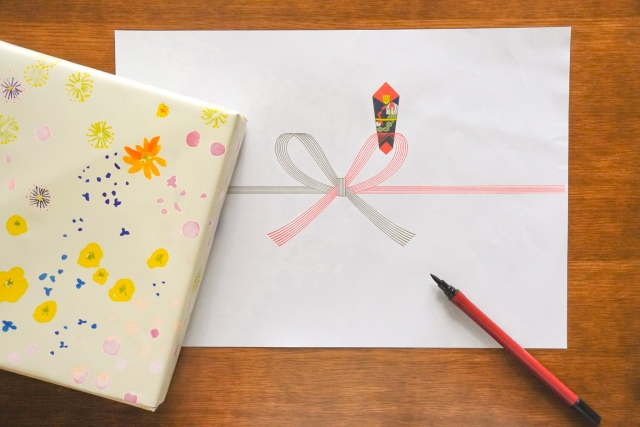
Beautiful wrapping is not just decoration.
It shows care, mindfulness, and respect for the recipient.
Even inexpensive gifts are wrapped neatly because the appearance reflects the giver’s heart.
The idea is simple:
If you value the person, you present the gift with thoughtfulness.
This is why many stores in Japan offer elegant wrapping services, seasonal paper designs, and perfect ribbon ties.
Omiyage: The Culture of Bringing Something Back

When people travel, they often bring back omiyage — regional snacks or small souvenirs — for friends, coworkers, and family.
Why? Because shared experiences and appreciation matter.
Even if someone was not there, they are included through the gift.
It is less about the cost, and more about the feeling: *“I thought of you.”*
Oseibo and Ochugen: Seasonal Gifts of Gratitude
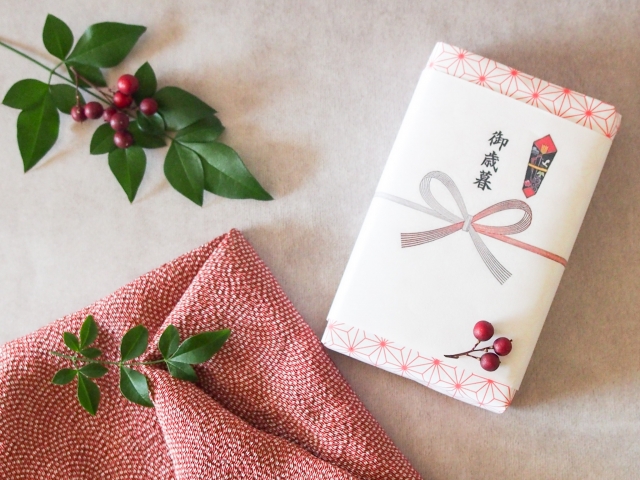
Twice a year, many families give gifts to those who have supported them, such as colleagues, teachers, or relatives.
- Oseibo — end-of-year gifts
- Ochugen — midsummer gifts
These gifts express long-term appreciation and help preserve social harmony.
They are part of Japan’s cultural rhythm — a way to pause and say thank you.
The Power of Words and Humility
One key trait of Japanese gift culture is humility.
Instead of proudly presenting a gift, givers often say:
“It’s nothing special, but…”
“I hope you like it, even though it’s small.”
This humble language lowers pressure and invites warmth — a reminder that gifts are about emotion, not pride.
Final Sip: The Art of Thoughtful Giving
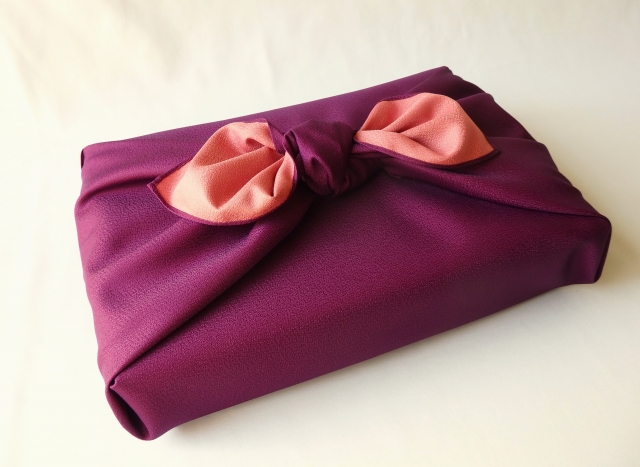
Japanese gift-giving is a quiet art of attentiveness.
It teaches us that sincerity does not need grand gestures — a neatly wrapped snack or humble souvenir can carry deep meaning.
In every ribbon, every paper fold, and every polite phrase, there is a message:
“Thank you for being part of my life.”

